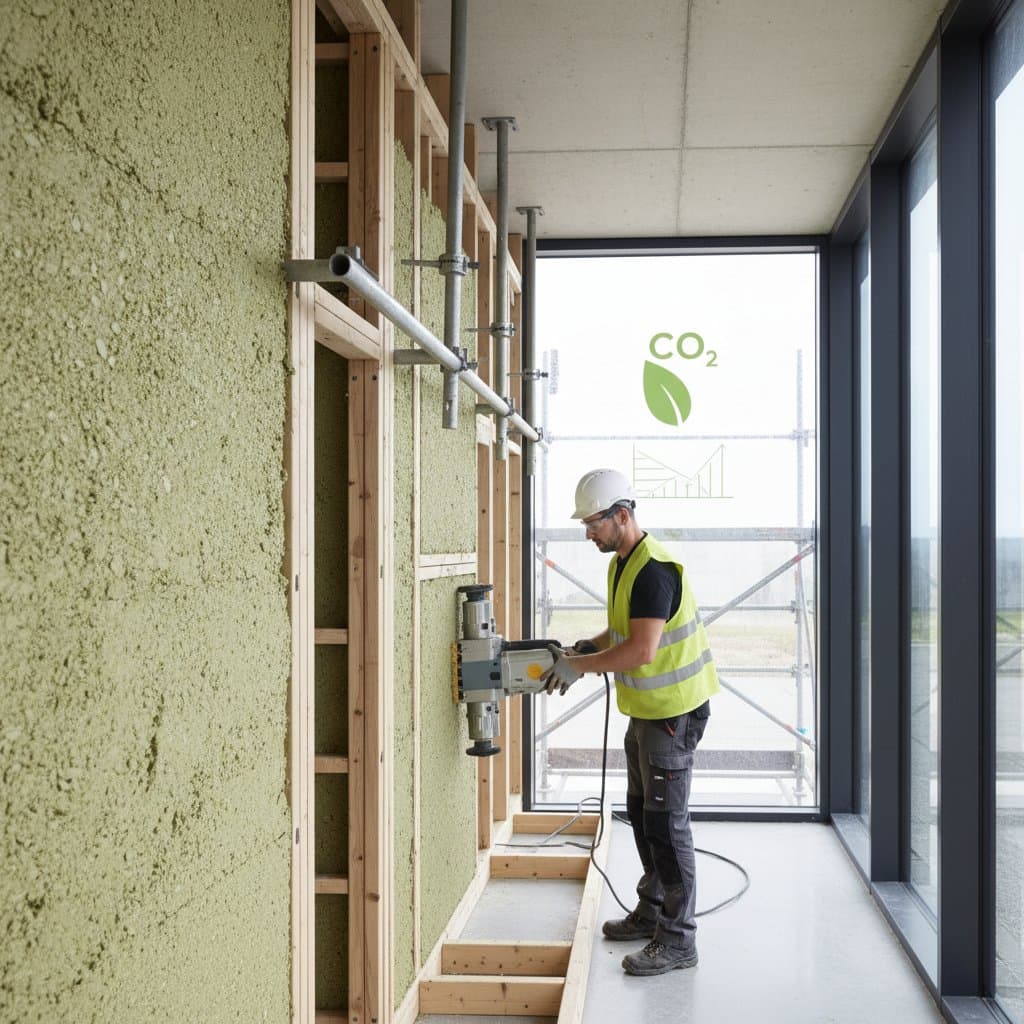
Introduction to Hempcrete: A Sustainable Building Material
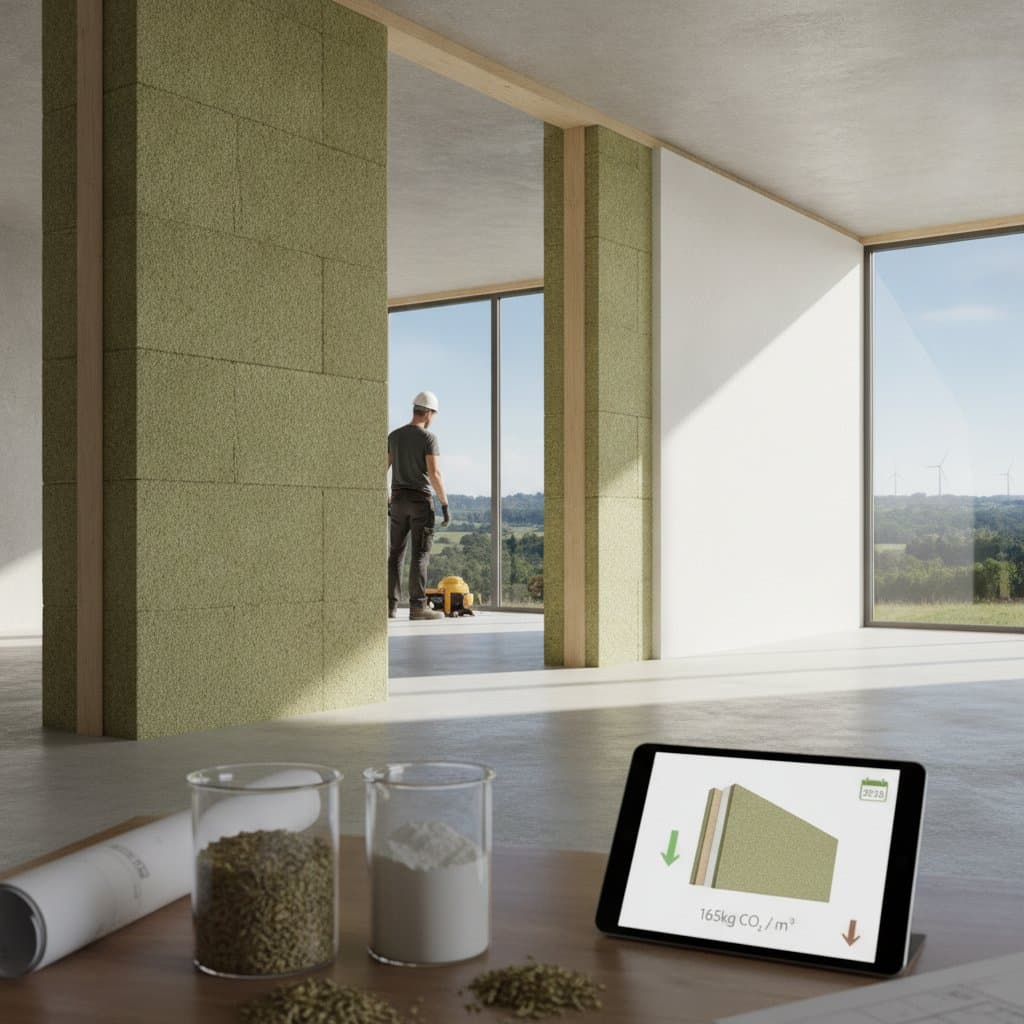
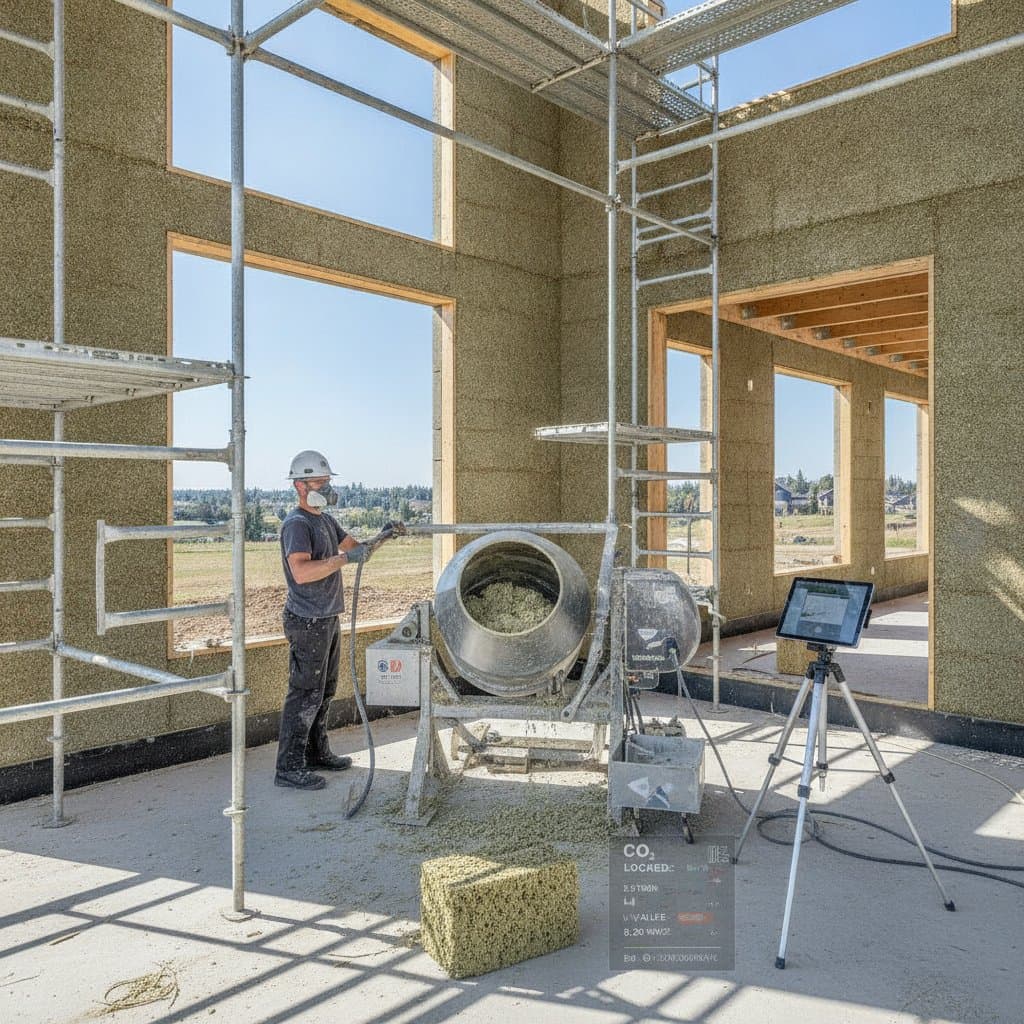
Hempcrete consists of the inner woody core of the hemp plant mixed with lime and water. Builders cast this mixture into walls that serve as infill within timber frames. Unlike concrete, hempcrete requires minimal processing and relies on renewable resources.
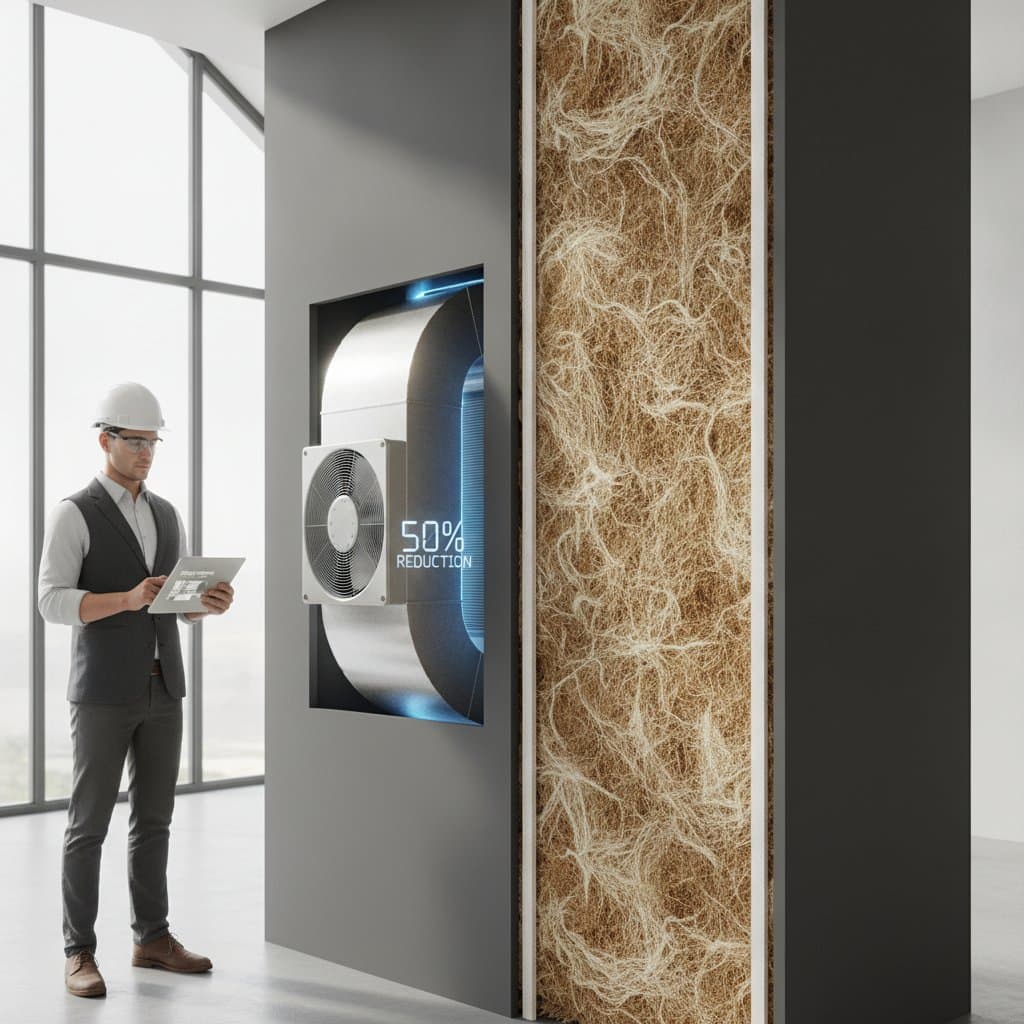
The material excels in thermal regulation. Its porous structure traps air, creating an effective insulator that maintains comfortable indoor temperatures. This property reduces reliance on heating and cooling systems, leading to lower energy bills over time.
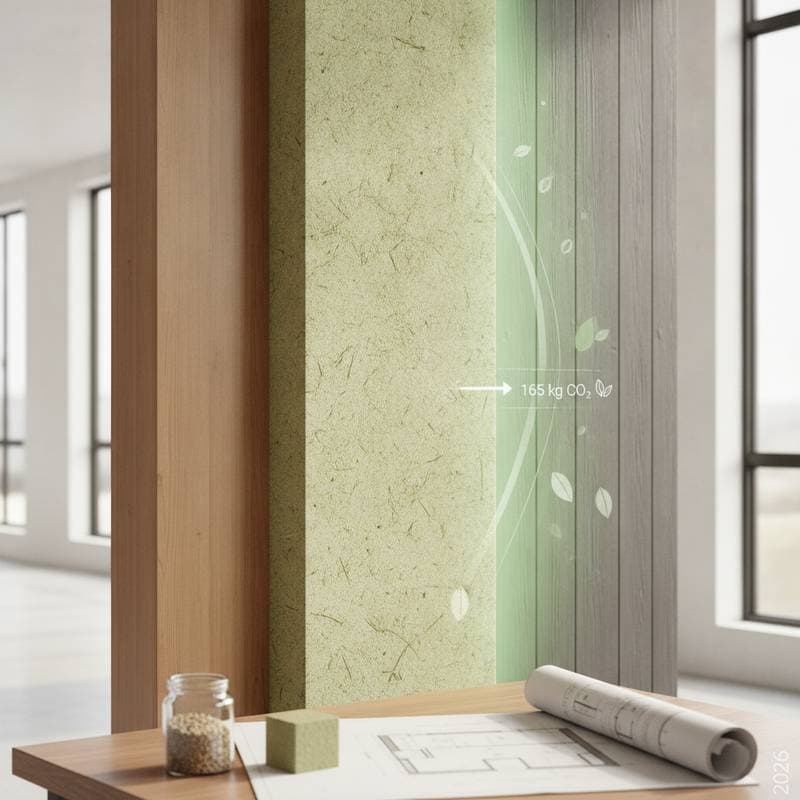
Beyond efficiency, hempcrete contributes to carbon sequestration. Hemp plants absorb carbon dioxide during growth, and the lime binder locks it away as the material cures. A single cubic meter of hempcrete can store up to 100 kilograms of CO2, offsetting emissions from construction and operation.
Key Benefits of Hempcrete Walls
Hempcrete walls promote healthier living environments. The breathable nature allows moisture to evaporate, preventing mold growth and improving air quality. This feature proves especially valuable in humid regions where traditional materials often trap dampness.
Fire resistance adds another layer of safety. Hempcrete withstands high temperatures without releasing toxic fumes, earning certifications that meet stringent building standards. Its lightweight composition also simplifies transportation and installation, reducing overall project costs.
From an environmental perspective, hempcrete supports regenerative practices. Hemp grows quickly on marginal land, requiring little water or pesticides. Local sourcing minimizes transport emissions, aligning with circular economy principles.
Energy savings materialize quickly. Studies indicate that homes with hempcrete walls use 20 to 30 percent less energy for climate control compared to those built with brick or concrete. These reductions translate to substantial long-term financial benefits for homeowners and developers.
Overcoming Challenges in Adoption
Initial hurdles include limited familiarity among builders. Traditional construction favors established materials, but hempcrete demands specific techniques for mixing and casting. These challenges remain transitional rather than fundamental. As awareness and training expand, hempcrete construction integrates seamlessly into sustainable building workflows.
Regulatory aspects require attention. While hempcrete complies with most codes as a non-structural infill, some regions mandate additional testing for seismic or load-bearing applications. Consulting local authorities ensures compliance from the outset.
Cost comparisons reveal long-term value. Upfront expenses may exceed conventional options by 10 to 15 percent, but energy efficiencies and durability offset this within five to seven years. Incentives such as green building rebates further enhance affordability.
The Future of Carbon-Sequestering Walls
The construction industry generates nearly 40 percent of global carbon emissions, yet hempcrete charts a path to reduction. With increasing pressure from governments, developers, and consumers for low-carbon alternatives, this material gains prominence.
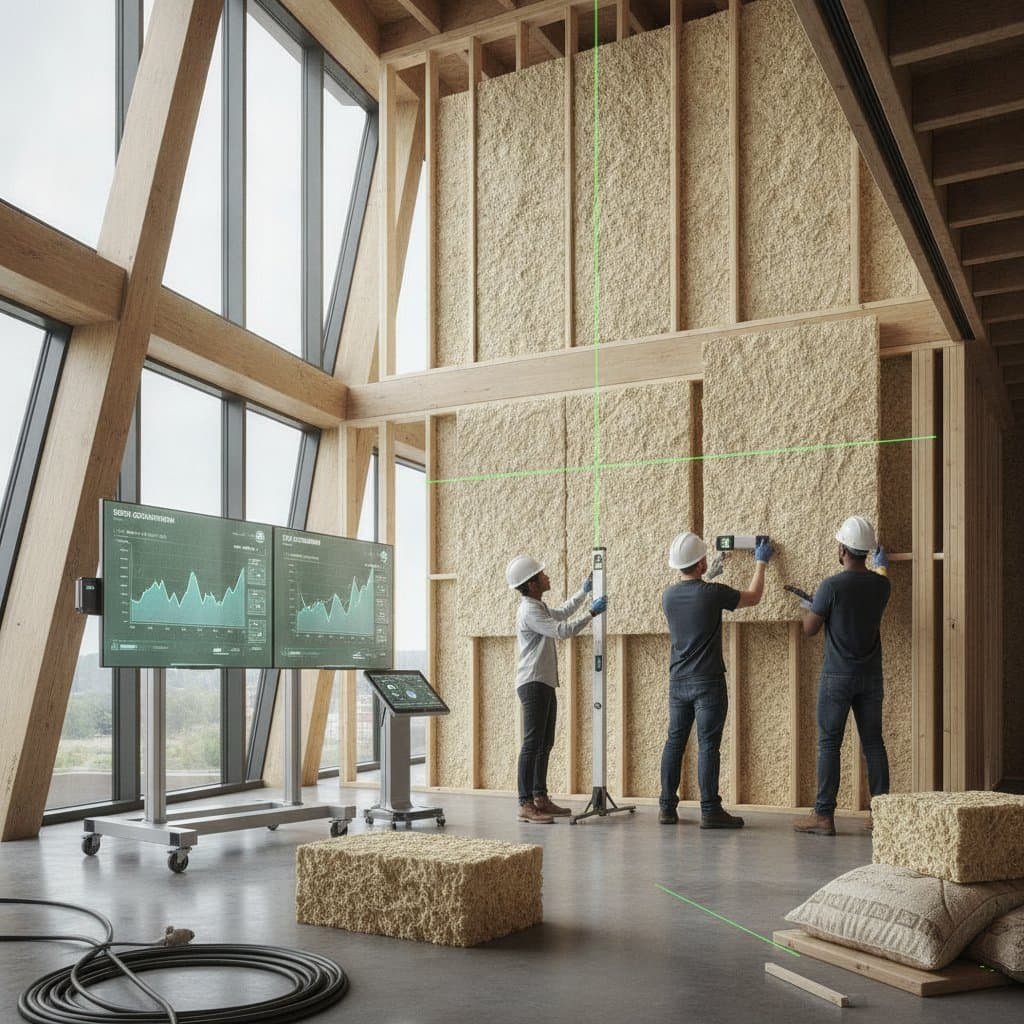
Innovation drives broader applications. Researchers develop hybrid systems combining hempcrete with cross-laminated timber or recycled steel frames, suitable for mid-rise commercial structures. These integrations maintain the material's breathability while scaling for urban projects.
Experimental advancements include renewable coatings and mineral plasters. These enhancements boost weather resistance and aesthetic appeal without sacrificing eco-credentials. Smart integrations, such as embedded sensors for moisture monitoring, further optimize performance.
Global adoption accelerates through policy support. Initiatives like the European Green Deal and U.S. Inflation Reduction Act prioritize bio-based materials, fostering research and supply chains. By 2030, experts predict hempcrete in 10 percent of new sustainable builds worldwide.
Making It Happen: Steps Toward a Hempcrete Home
Transitioning to hempcrete requires deliberate planning. Follow these steps to integrate it effectively into your project.
-
Consult experienced professionals. Identify architects or builders with proven hempcrete portfolios. They provide guidance on structural integration and local adaptations.
-
Assess climate and building codes. Evaluate site conditions to confirm suitability. Hempcrete thrives in temperate or dry areas, but modifications like protective renders enable use in varied environments.
-
Source materials responsibly. Prioritize regional hemp and lime suppliers. This approach cuts emissions and supports local economies while ensuring material freshness.
-
Plan for curing time. Schedule 28 days for initial hardening, followed by gradual strength gain over months. Coordinate with other trades to avoid delays.
-
Track performance post-construction. Deploy energy monitoring tools to quantify savings. Document results to contribute to industry knowledge and inspire others.
Realizing Lasting Environmental and Economic Gains
Adopting hempcrete extends beyond immediate construction. It fosters resilient communities with lower carbon footprints and reduced utility demands. Homeowners enjoy quieter, more stable interiors due to the material's acoustic properties.
For developers, hempcrete enhances market appeal. Properties certified for sustainability command premium prices, attracting eco-conscious buyers. This shift not only conserves resources but also builds equity in a warming world.
Ultimately, hempcrete walls represent a practical step toward carbon-negative building. By storing carbon and slashing energy costs, they deliver tangible benefits that align personal choices with planetary health.