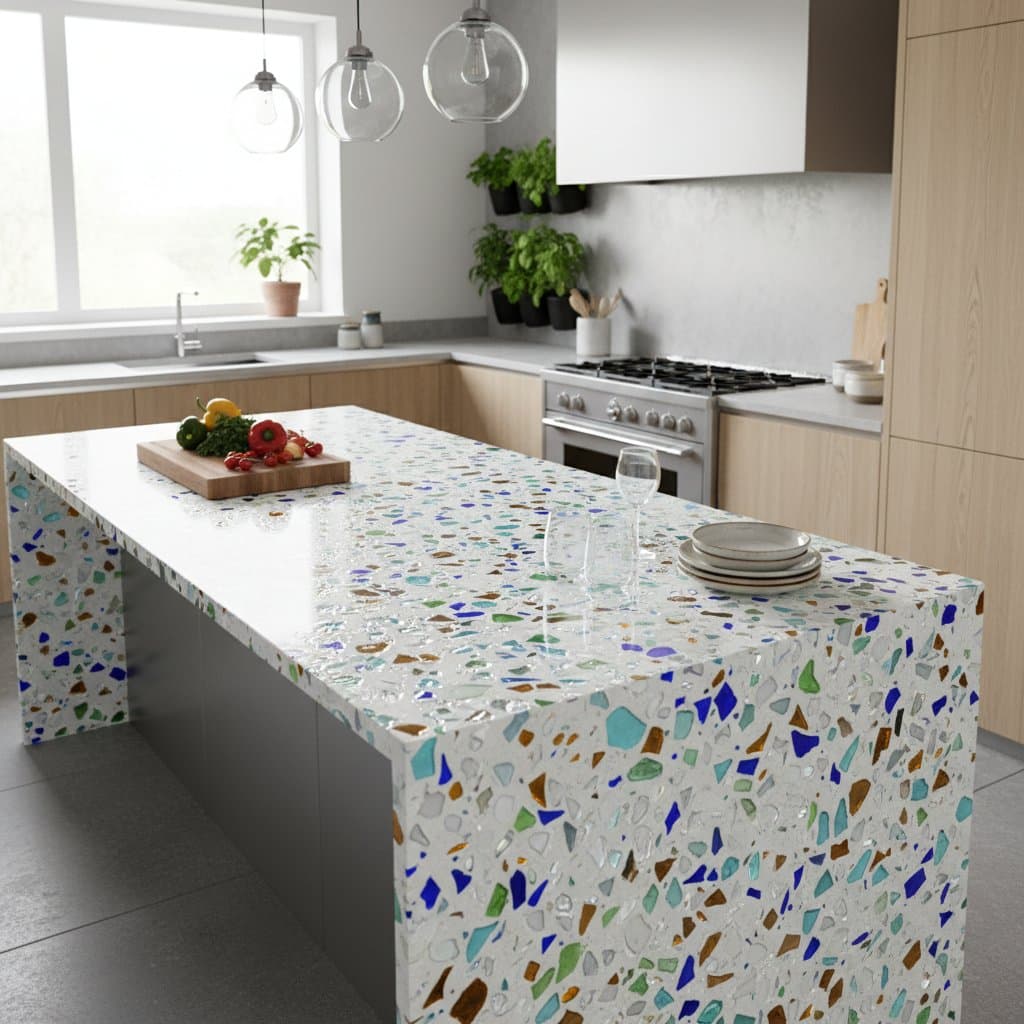
Why Recycled Glass Countertops Excel in Aesthetics and Sustainability
Recycled glass countertops represent a transformative option for kitchen design in 2026. These surfaces combine striking visual appeal with strong environmental benefits. Homeowners who prioritize both style and responsibility find them ideal for modern living spaces.
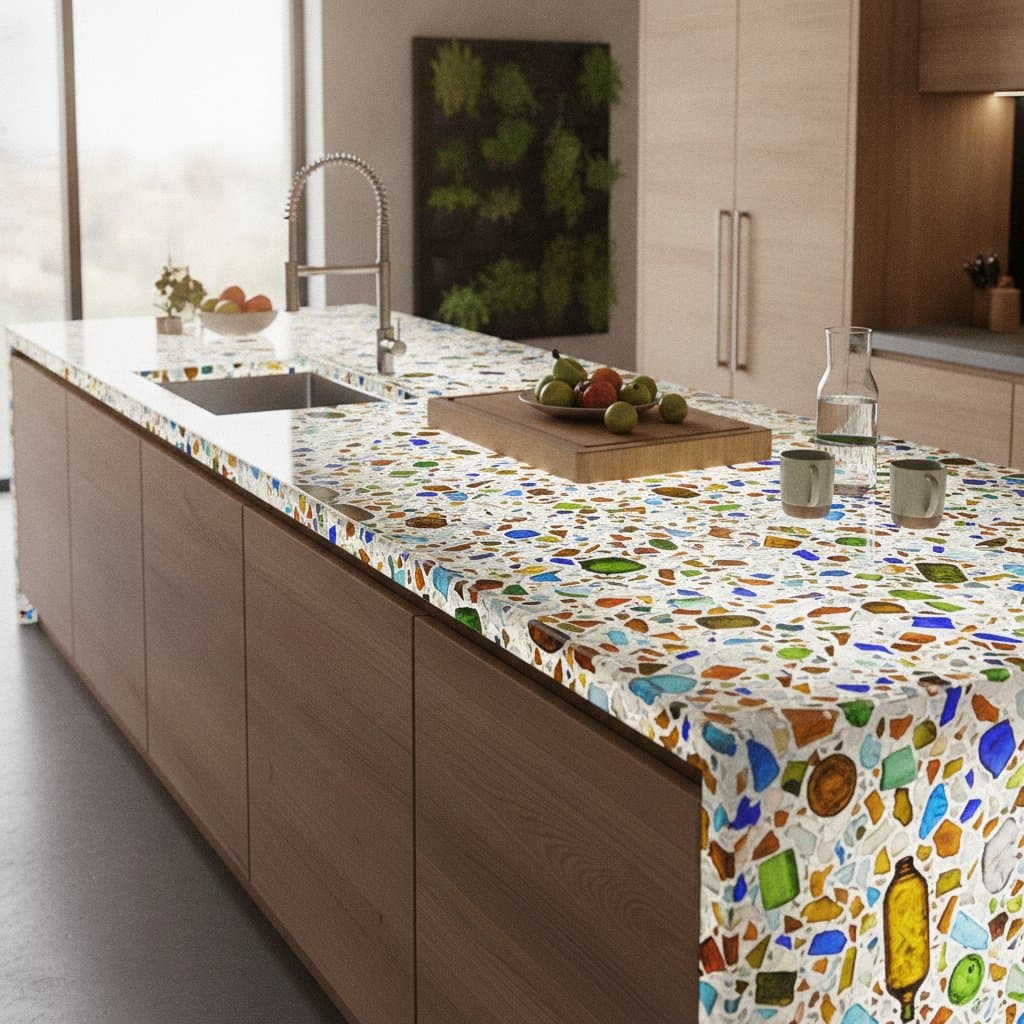
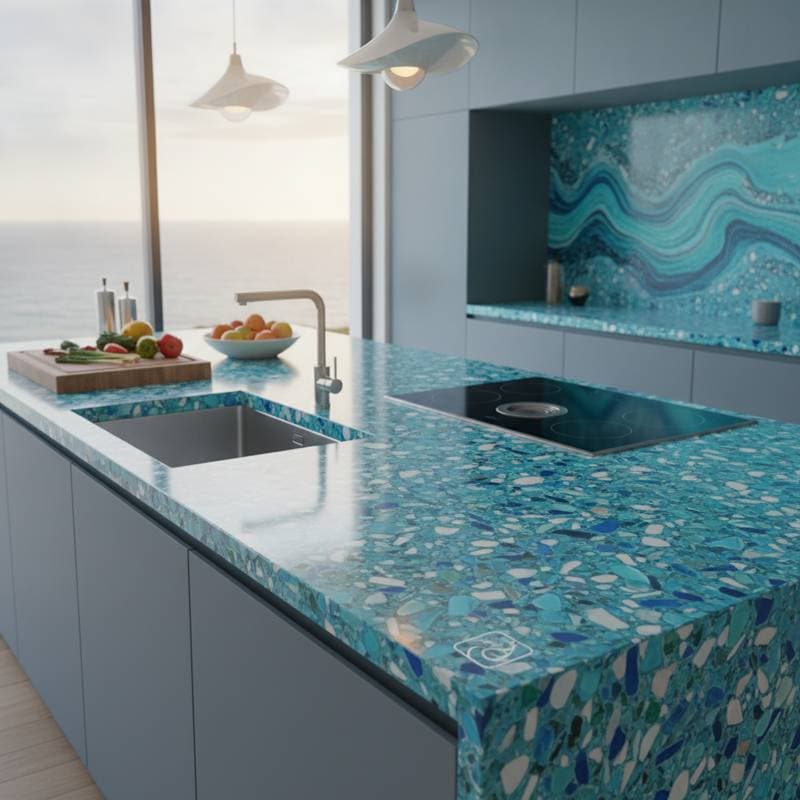
Crafted from post-consumer glass bottles and other waste materials, recycled glass countertops offer a unique, luminous finish that captures light in captivating ways. Unlike uniform stone surfaces, each piece features subtle variations in color and texture, creating a bespoke look for any kitchen. This natural heterogeneity ensures that no two installations appear identical, adding a layer of exclusivity to home interiors.
Environmental Advantages of Recycled Glass
The production of recycled glass countertops significantly reduces waste in landfills. Manufacturers repurpose millions of glass items annually, diverting them from disposal sites. This process lowers the demand for virgin materials, conserving natural resources such as sand and soda ash.
Energy efficiency stands out as another key benefit. Melting recycled glass requires approximately 30 percent less energy than producing new glass from raw sources. Local sourcing further minimizes transportation emissions, supporting regional economies and reducing the carbon footprint associated with global shipping.
Certification plays a crucial role in verifying these claims. Many products meet standards from organizations like the Green Building Council, ensuring transparency in sustainability practices. Homeowners can select options with verified recycled content, often exceeding 80 percent, to align with eco-friendly building goals.
Durability and Long-Term Performance
Recycled glass countertops rival traditional granite in strength and resilience. The material undergoes a rigorous manufacturing process where glass particles bind with resin, forming a non-porous surface resistant to scratches, stains, and heat. This composition allows it to withstand daily kitchen demands without compromising integrity.
Testing reveals impressive metrics: surfaces endure impacts up to 150 pounds per square inch and maintain color vibrancy for decades. Unlike some natural stones, recycled glass does not require sealing, eliminating a common maintenance hassle. Its inherent toughness makes it suitable for high-traffic areas, from family kitchens to entertaining spaces.
Warranties from reputable suppliers often extend 10 to 25 years, underscoring confidence in performance. This longevity translates to fewer replacements, further enhancing the material's sustainable profile over time.
Aesthetic Versatility for Modern Designs
Design flexibility defines recycled glass countertops. Available in a spectrum of hues, from earthy tones to vibrant accents, they complement diverse interior styles. Translucent qualities allow light to penetrate, illuminating countertops and creating an airy, spacious feel in compact kitchens.
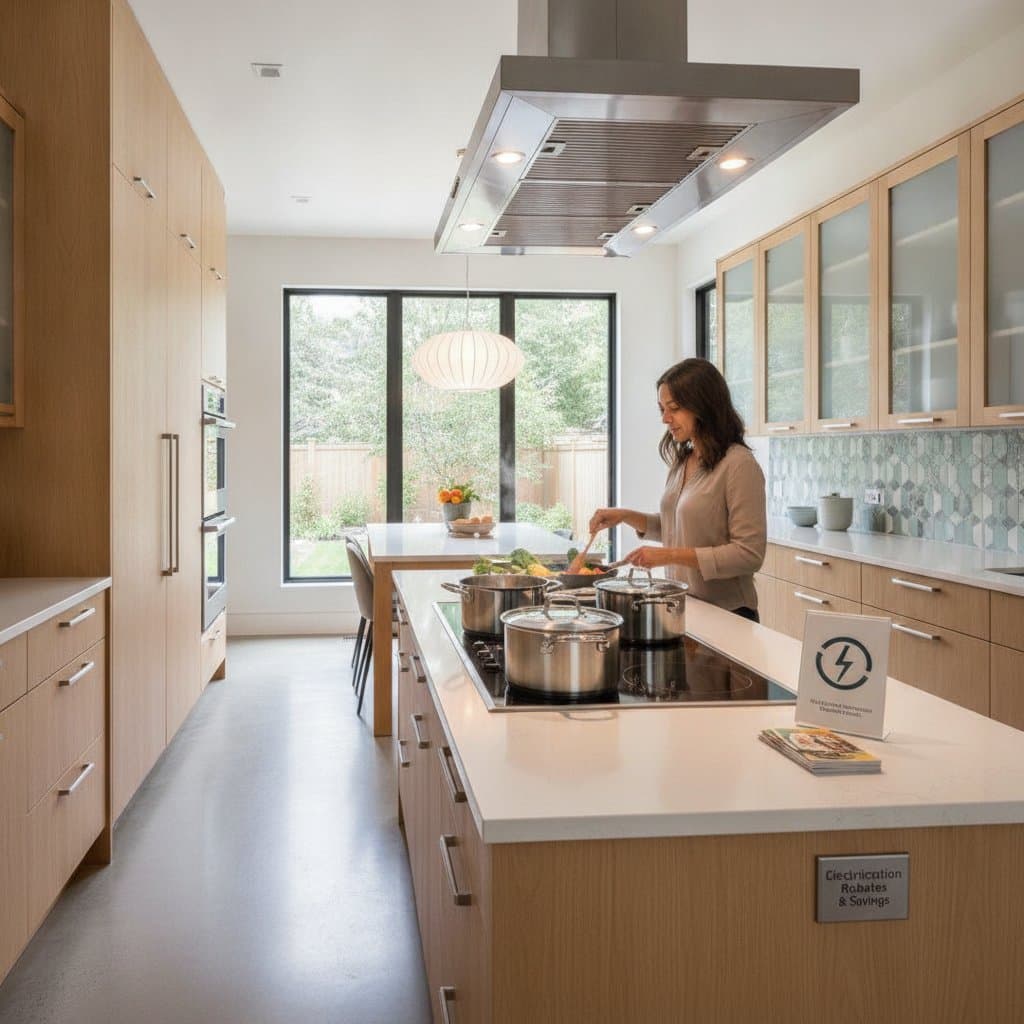
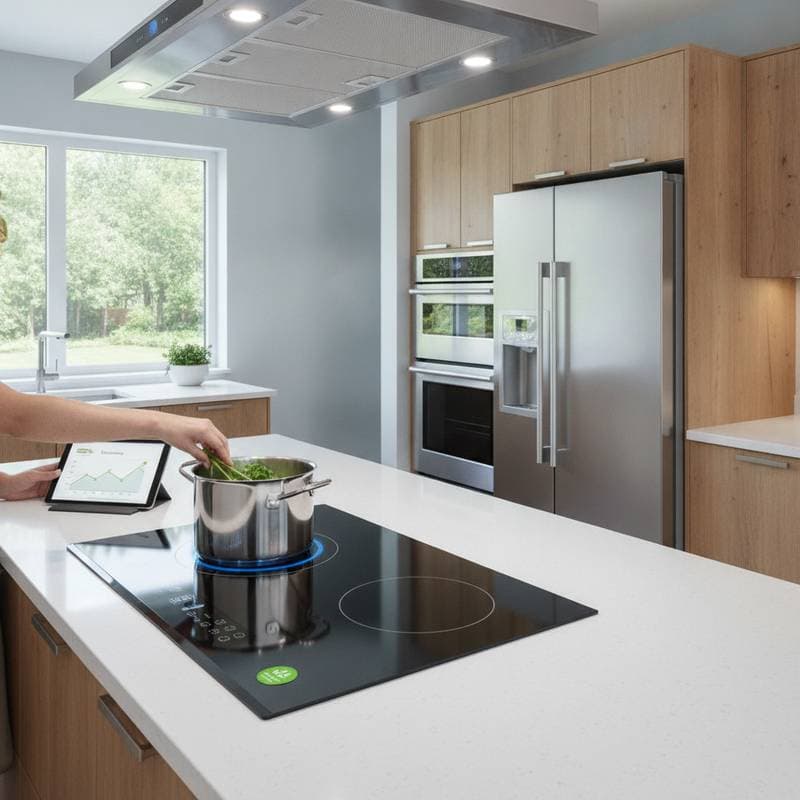
Integration with other elements proves seamless. Pair them with wood cabinetry for warmth or stainless steel appliances for a sleek, contemporary edge. Custom aggregates enable tailored patterns, such as swirling mosaics or subtle speckles, to match specific visions.
Trends for 2026 emphasize biophilic design, where natural motifs enhance well-being. Recycled glass fits this ethos perfectly, evoking the fluidity of water or the sparkle of gemstones while honoring environmental stewardship.
Practical Installation and Upkeep
Installing recycled glass countertops follows standard procedures similar to quartz or granite. Professional fabricators measure and cut slabs on-site or in factories, ensuring precise fits around sinks and edges. The weight of the material, comparable to engineered stone, requires sturdy cabinet support, but most modern frameworks accommodate it without modification.
Maintenance remains straightforward. Clean surfaces with mild soap and water; avoid abrasive cleaners to preserve the finish. The non-porous nature resists bacterial growth, promoting hygiene in food preparation areas.
For repairs, minor chips can be addressed with matching resin fillers, often by the original installer. This accessibility extends the surface's life, reducing the need for full replacements.
How Recycled Glass Stacks Up Against Alternatives
Compared to granite, recycled glass offers superior eco-credentials without sacrificing beauty. Granite mining disrupts habitats and consumes vast energy, whereas recycled glass repurposes existing waste. Cost-wise, initial prices align closely, around $50 to $100 per square foot, but long-term savings emerge from low upkeep.
Versus laminate, recycled glass provides premium durability and a more authentic feel. Laminates fade and chip easily, lacking the depth and luster of glass aggregates. For those considering marble, the glass alternative avoids the etching from acids, common in citrus-heavy cooking.
In sustainability rankings, recycled glass outperforms most competitors. It scores high on life-cycle assessments, factoring in production, use, and disposal phases.
Steps to Choose and Implement Recycled Glass Countertops
-
Assess your kitchen's needs: Consider size, usage, and style preferences to select the right thickness and color.
-
Research certified suppliers: Look for products with high recycled content and third-party verifications.
-
Consult professionals: Obtain quotes from installers experienced in eco-materials to ensure quality execution.
-
Plan for integration: Coordinate with designers to harmonize countertops with overall kitchen renovations.
-
Monitor trends: Stay informed on innovations like antimicrobial additives for added functionality.
These steps guide homeowners toward informed decisions, maximizing both aesthetic and environmental returns.
Sustainable Kitchens Start with Informed Choices
Opting for recycled glass countertops elevates kitchen functionality while advancing planetary health. The blend of enduring beauty, robust performance, and ethical production positions this material as a forward-thinking choice. Homeowners who invest in it contribute to a cooler planet, one stylish surface at a time.