Understanding Mycelium Insulation
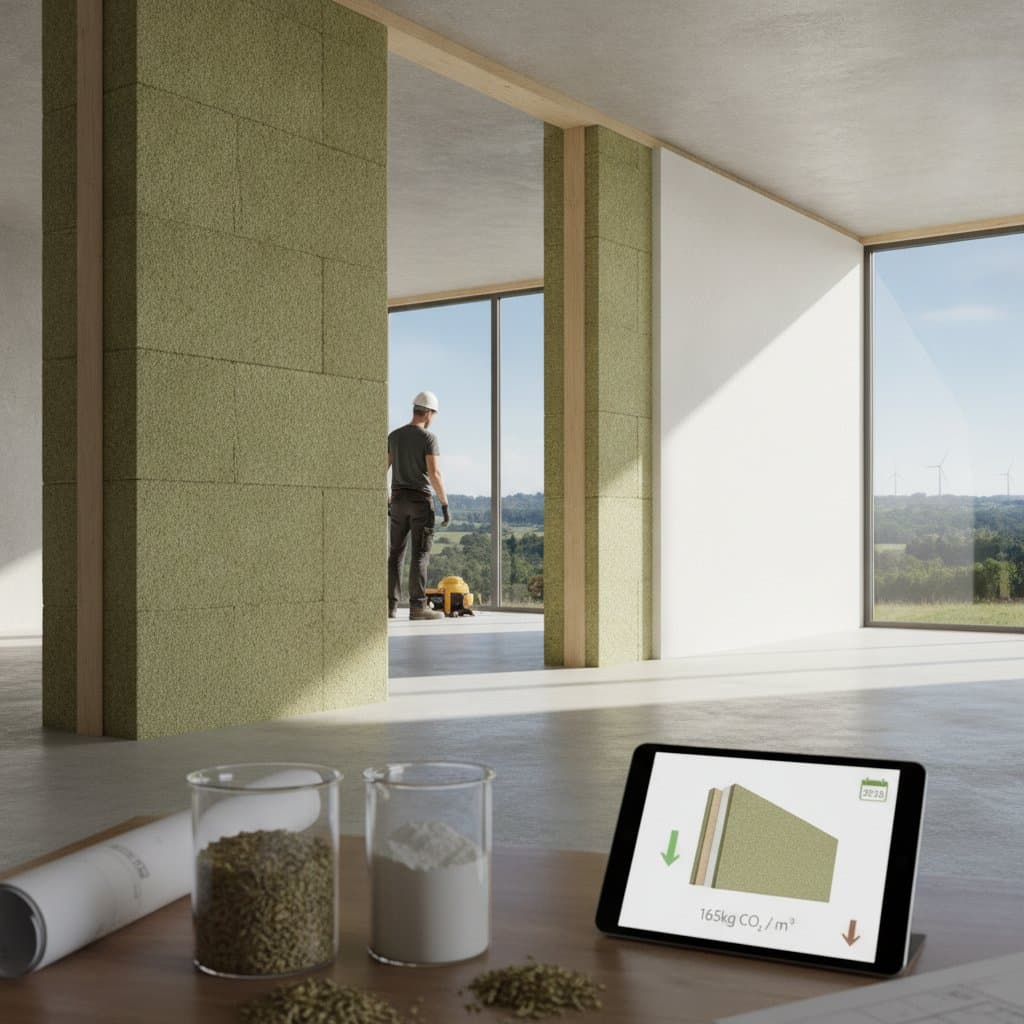
Mycelium insulation emerges from the vegetative part of fungi, forming a dense network of thread-like fibers. This natural material binds with substrates such as agricultural byproducts, including corn stalks or hemp hurds, to create rigid panels or loose-fill insulation. Unlike traditional options, mycelium grows in controlled environments, allowing customization for specific building needs.
The process begins with inoculating the substrate with fungal spores, which colonize the material over days. Once mature, the mycelium network solidifies into a lightweight, durable form. This biological approach ensures the insulation remains fully compostable at the end of its life cycle.
Homeowners benefit from mycelium's adaptability to various climates and structures. It integrates seamlessly into walls, roofs, and floors, providing consistent thermal performance without synthetic additives.
How Mycelium Achieves 35 Percent Energy Savings
Mycelium insulation excels in thermal resistance, measured by its R-value, which indicates how well a material resists heat flow. Panels achieve R-values comparable to fiberglass or foam, yet they trap air more effectively due to the mycelium's microscopic structure. This design minimizes convective heat loss, keeping interiors warmer in winter and cooler in summer.
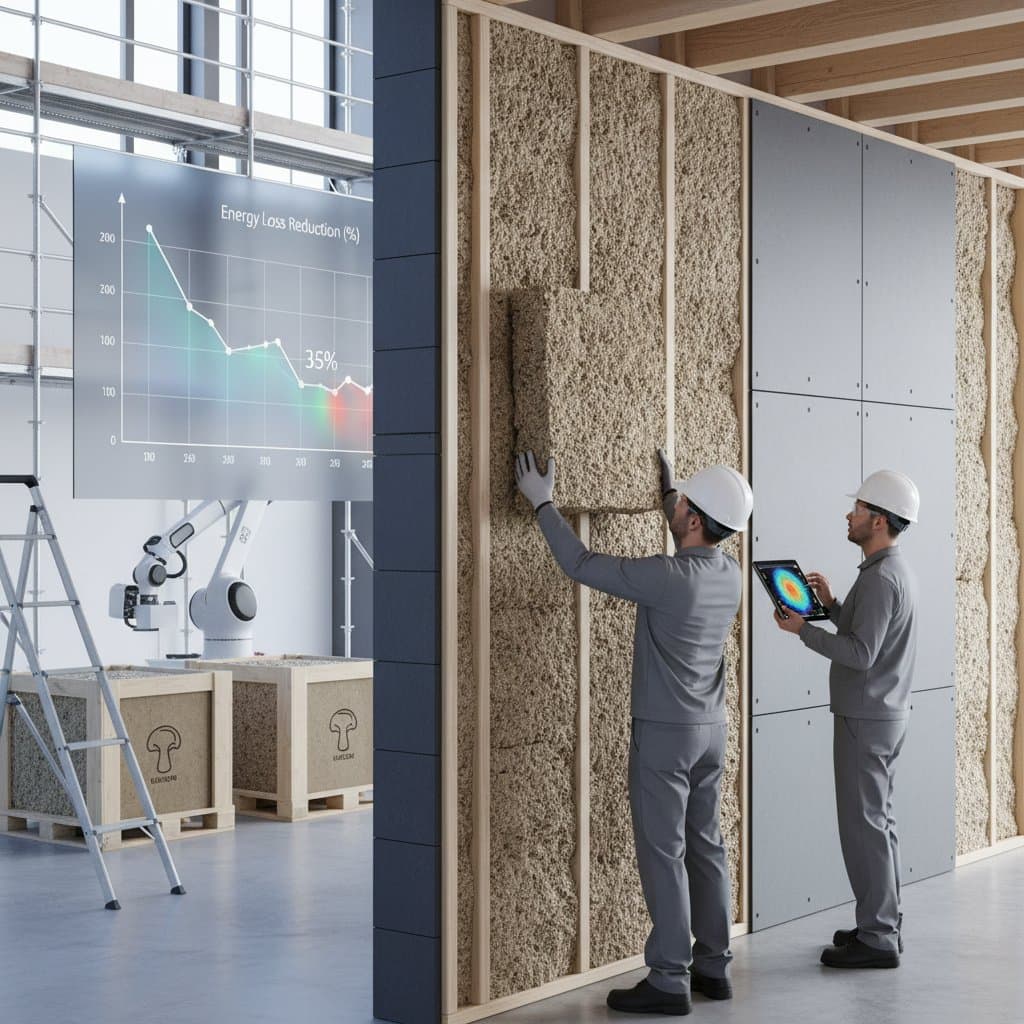
Independent tests demonstrate that homes insulated with mycelium experience 35 percent less energy loss through walls and attics compared to standard materials. The material's low thermal conductivity, around 0.04 W/mK, rivals high-end synthetics while avoiding petroleum-based production. Energy bills drop noticeably, with many users reporting annual savings of 20 to 30 percent on heating and cooling costs.
Beyond efficiency, mycelium regulates humidity naturally. Its hygroscopic properties absorb excess moisture and release it when conditions dry, preventing mold growth and maintaining indoor air quality.
Key Performance Metrics
- Thermal Efficiency: R-value of 3.5 to 4.5 per inch, supporting energy reductions up to 35 percent.
- Density: Lightweight at 20-40 kg/m³, easing installation without compromising strength.
- Durability: Resists compression and degradation for 50 years or more in typical conditions.
Environmental Advantages of Mycelium
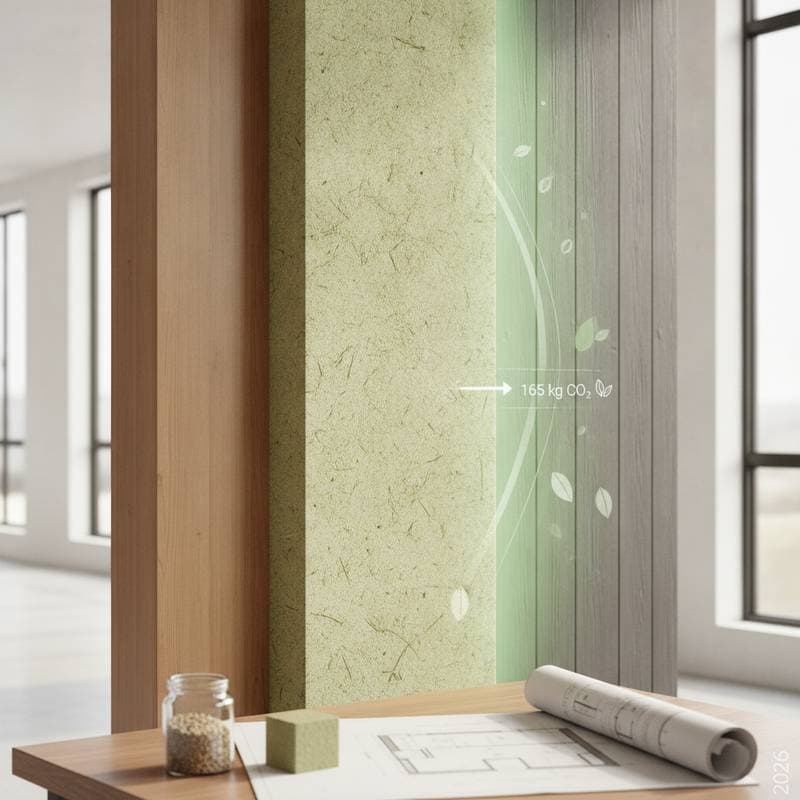
Producing mycelium insulation requires minimal energy and resources. Fungi thrive on waste materials, diverting tons of agricultural residue from landfills each year. This closed-loop system cuts carbon emissions by up to 80 percent compared to manufacturing polystyrene foam, which relies on fossil fuels.
The material decomposes naturally within months in compost, eliminating long-term waste. Unlike foams that persist in environments for centuries, mycelium returns nutrients to the soil, supporting circular economy principles. Builders reduce their environmental footprint while meeting green building certifications like LEED.
Fire resistance adds another layer of sustainability. Mycelium chars rather than burns, achieving Class A fire ratings without chemical treatments. This property enhances safety in residential and commercial applications alike.
Practical Installation and Cost Considerations
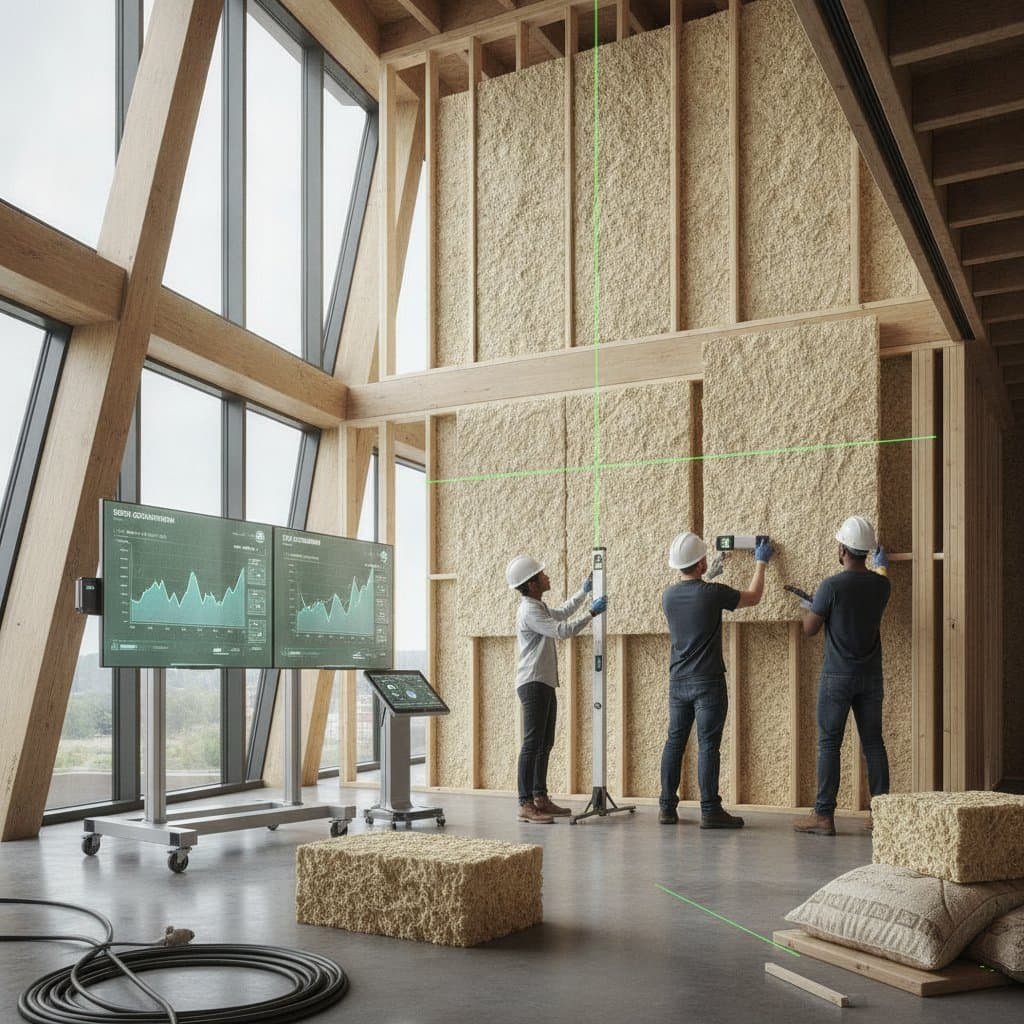
Installing mycelium insulation follows familiar methods used for conventional products. For wall cavities, workers fit pre-formed panels between studs, securing them with minimal fasteners. Loose-fill versions suit attics, blown in via specialized equipment for even coverage.
Professional installation costs range from 2 to 4 dollars per square foot, depending on project scale. While initial expenses exceed basic fiberglass, the 35 percent energy savings yield payback within 5 to 7 years. Long-term ROI strengthens as utility rates rise and incentives for green materials increase.
Homeowners undertake DIY projects for smaller areas, such as insulating a garage. Kits include inoculated substrates and molds, allowing growth in a warm, dark space over one to two weeks. Always ensure proper sealing to maximize performance.
Steps for Effective Integration
- Assess building envelope for gaps or moisture issues before installation.
- Choose mycelium type based on R-value needs and space constraints.
- Combine with vapor barriers if required by local codes.
- Monitor performance post-installation using energy audits.
The Growing Role of Mycelium in Construction
Innovations in mycelium production scale output to meet demand. Companies cultivate large batches in automated facilities, reducing costs by 40 percent over recent years. Research explores enhancements, such as infusing panels with phase-change materials for superior temperature regulation.
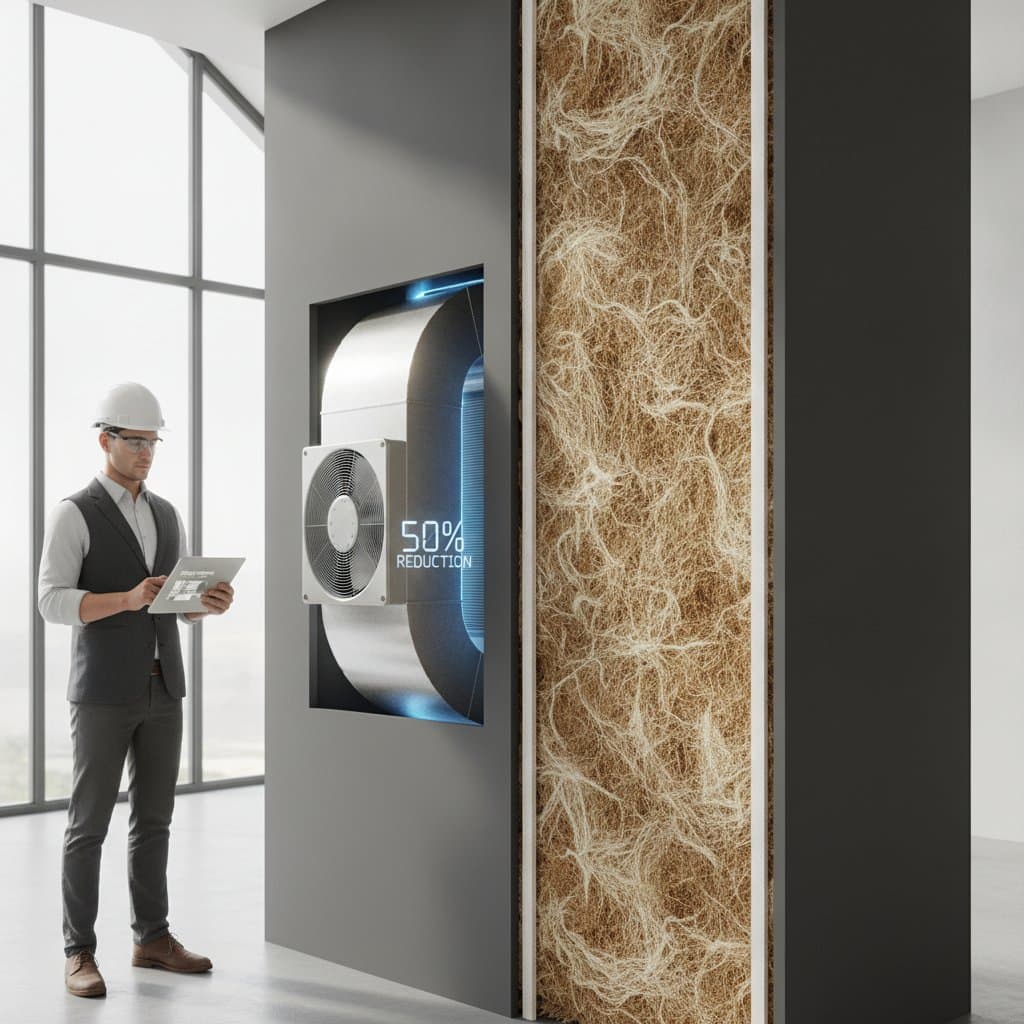
Architects incorporate mycelium into modular homes and retrofits, promoting widespread adoption. Urban developments benefit from its acoustic properties, dampening noise by up to 50 percent. As regulations favor low-carbon materials, mycelium positions itself as a staple in future builds.
Global initiatives accelerate this shift. Partnerships between fungi experts and builders test mycelium in diverse settings, from cold climates to humid tropics. Early adopters report not only energy gains but also improved comfort and health.
Embracing Mycelium for Lasting Home Efficiency
Mycelium insulation delivers tangible benefits for energy-conscious living. It slashes losses by 35 percent, lowers emissions, and simplifies end-of-life disposal. Property values rise with eco-upgrades, attracting buyers who prioritize sustainability.
Consider mycelium for your next renovation or new build. The combination of performance, affordability over time, and environmental harmony makes it a smart choice. Sustainable homes built today ensure comfort and resilience for generations ahead.