Key Points
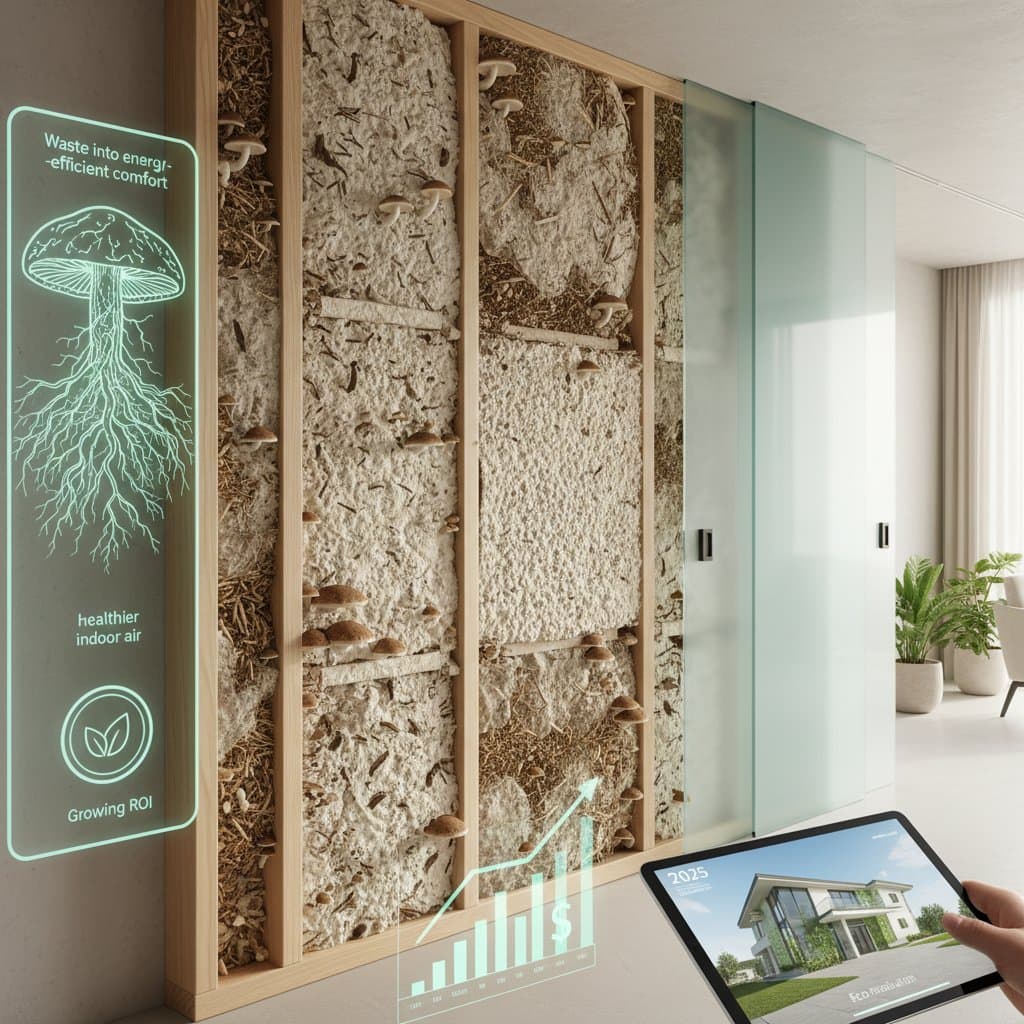
- Mushroom insulation utilizes mycelium to create a natural, high-performance material that rivals synthetic options in thermal efficiency while minimizing environmental harm.
- Derived from agricultural waste such as corn husks and wood chips, this insulation reduces landfill contributions and lowers production emissions.
- It enhances indoor air quality by eliminating harmful chemicals and fibers commonly found in traditional insulators.
- With R-values between 3 and 4 per inch, it supports energy savings in both residential and commercial applications.
- Growing adoption in new builds and renovations highlights its versatility, fire resistance, and long-term cost benefits.
- Biodegradable at end-of-life, it promotes a circular economy in construction practices.
Understanding Mushroom Insulation
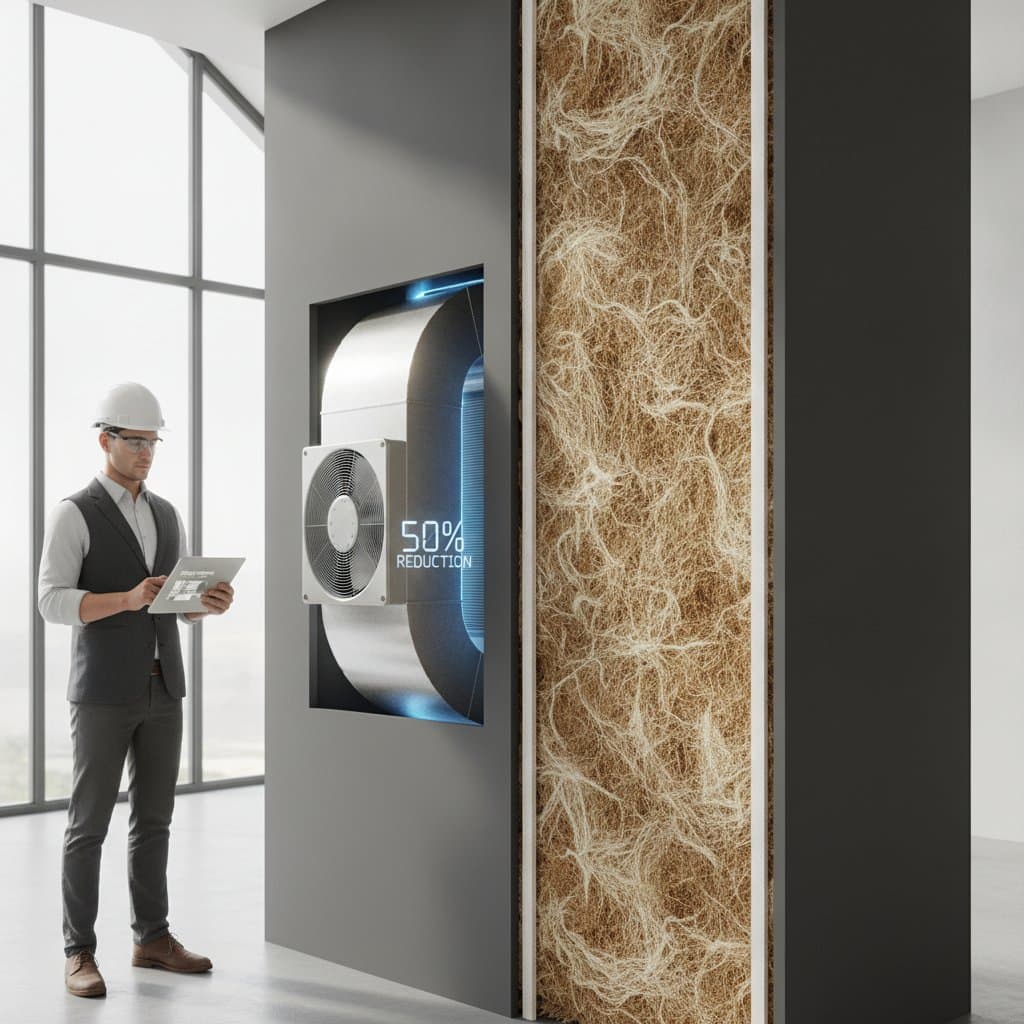
Mushroom insulation represents a shift in sustainable building materials. This innovative product harnesses the power of mycelium, the vegetative part of fungi, to bind organic substrates into a sturdy insulating form. Unlike conventional materials that rely on energy-intensive manufacturing, mycelium-based insulation grows in controlled environments, typically within days, using waste products that would otherwise decompose in landfills.
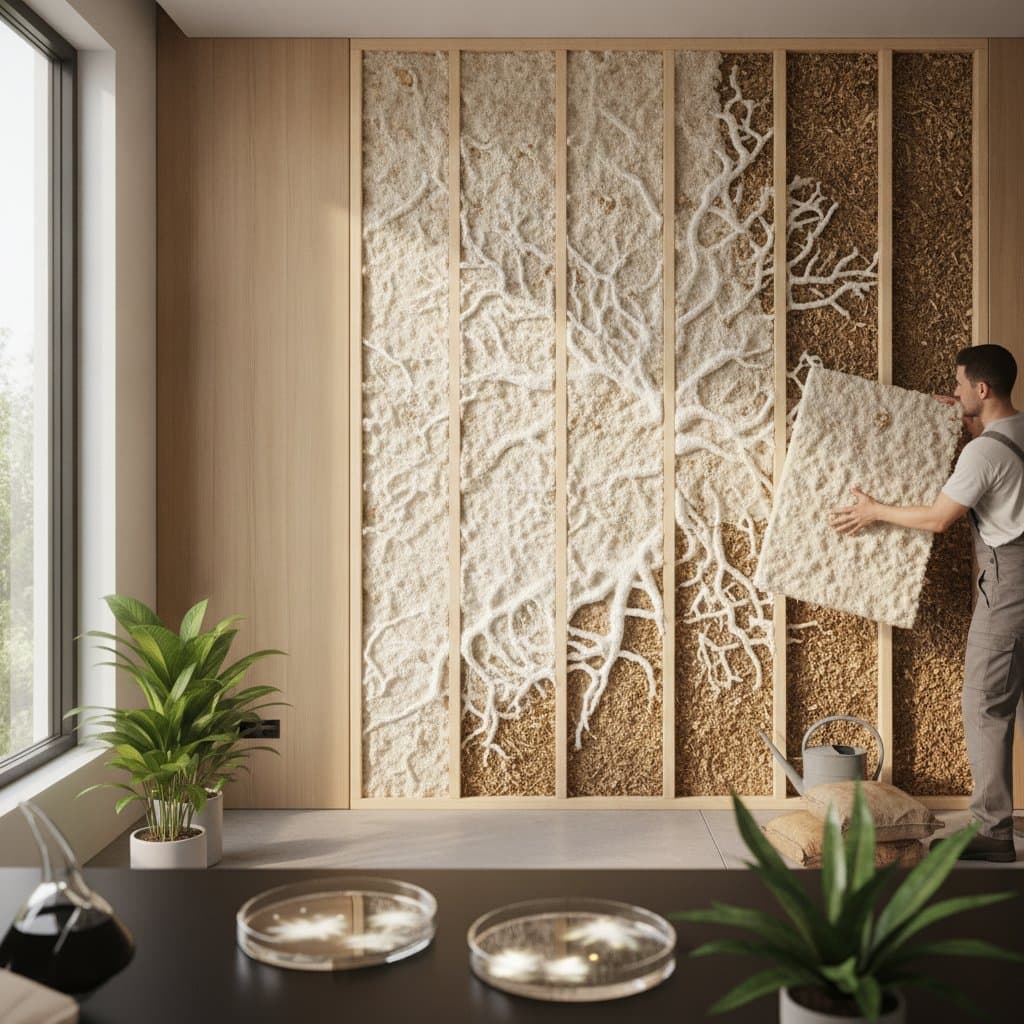
The process begins with inoculating agricultural byproducts, such as hemp hurds or cotton gin waste, with mycelium spores. As the fungi network expands, it weaves through the substrate, creating a dense matrix that mimics the structure of foam but with biological origins. After growth, the material undergoes a low-heat treatment to halt fungal activity, resulting in a stable, lightweight panel ready for installation. This method not only conserves resources but also sequesters carbon, as the fungi incorporate atmospheric CO2 during development.
Homeowners and builders appreciate its natural composition, which avoids the respiratory irritants associated with fiberglass or the persistent pollutants from polystyrene foams. In practical terms, panels come in various thicknesses, from rigid boards for walls to flexible mats for attics, allowing customization to specific project needs.
Environmental Advantages Over Traditional Insulation
Conventional insulation options, including fiberglass batts and spray foams, excel in performance but burden the planet. Production of fiberglass demands high temperatures to melt silica sand, generating significant CO2 emissions. Spray foams often incorporate hydrofluorocarbons, potent greenhouse gases, and both types contribute to non-biodegradable waste that lingers in ecosystems.
Mushroom insulation reverses these issues by embracing a regenerative approach. It repurposes up to 90 percent waste materials in its composition, diverting tons of agricultural residue from incineration or burial each year. The growth phase requires minimal energy, often powered by renewable sources, and the final product embodies negative carbon impact through its sequestration properties.
Furthermore, its lifecycle aligns with circular principles. At the end of use, typically after 50 years or more, the material breaks down in soil within months, enriching it with nutrients rather than contaminating it. Builders pursuing LEED or similar certifications find it invaluable, as it qualifies for credits in material innovation and waste management categories, streamlining approval processes for eco-conscious projects.
Performance and Efficiency Metrics
Thermal efficiency forms the cornerstone of any insulation's value. Mushroom insulation achieves R-values of 3 to 4 per inch, comparable to closed-cell foam, ensuring effective heat retention in diverse climates. Testing shows it maintains this performance without settling or degrading, unlike some loose-fill alternatives that compact over time.
Beyond insulation, it contributes to building resilience. The material's natural density provides acoustic damping, reducing noise transmission by up to 40 decibels in wall assemblies. Its fire behavior is noteworthy: when exposed to flames, mycelium forms a char layer that insulates the core, meeting Class A fire ratings without added flame retardants.
In energy modeling, incorporating mycelium panels can lower a home's heating demands by 20 to 30 percent when paired with proper sealing. For instance, in a 2,000-square-foot residence, this translates to annual savings of several hundred dollars on utility bills, depending on local rates and weather patterns. Ventilation systems benefit too, as the material's breathability prevents moisture buildup, fostering drier interiors that extend the life of HVAC components.
Cost Considerations and Long-Term Returns
Initial pricing for mushroom insulation ranges from $6 to $12 per square foot installed, reflecting its artisanal production scale. In contrast, fiberglass batts cost $2 to $4 per square foot, and rigid foam boards $5 to $10. However, these figures overlook hidden expenses in traditional materials, such as health-related remediation or elevated disposal fees.
Over a 10-year horizon, the economics favor mycelium. Energy reductions alone can offset the premium within 3 to 5 years for average households. Consider a retrofit scenario: installing 1,000 square feet might add $4,000 upfront compared to fiberglass, but yield $1,200 in yearly energy savings, achieving payback by year four.
Additional returns include durability enhancements. The material resists pests and mold without chemical treatments, cutting maintenance costs. For commercial properties, tax incentives for green materials amplify ROI, potentially recovering 20 to 30 percent of expenses through rebates. New construction projects integrate it seamlessly, often at parity with premium synthetics when factoring in labor efficiencies from lightweight handling.
Practical Installation and Maintenance
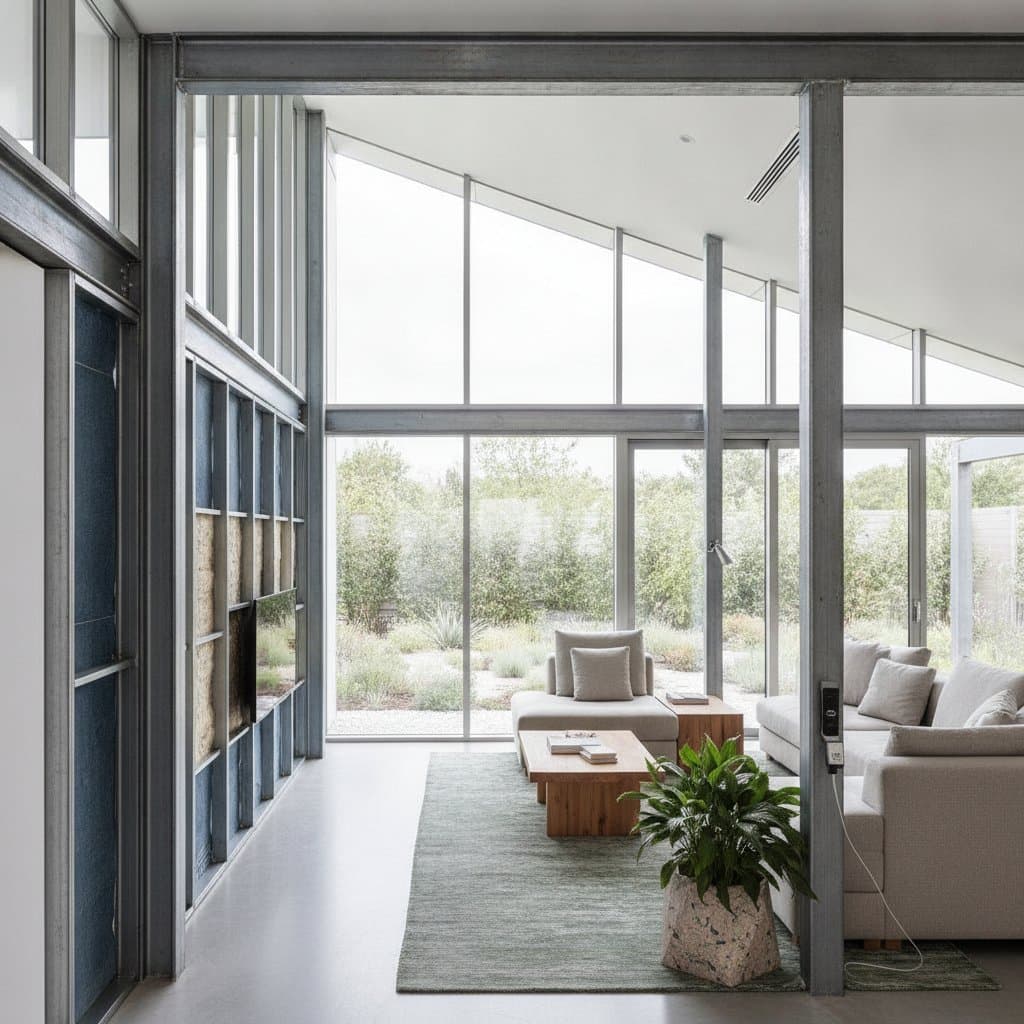
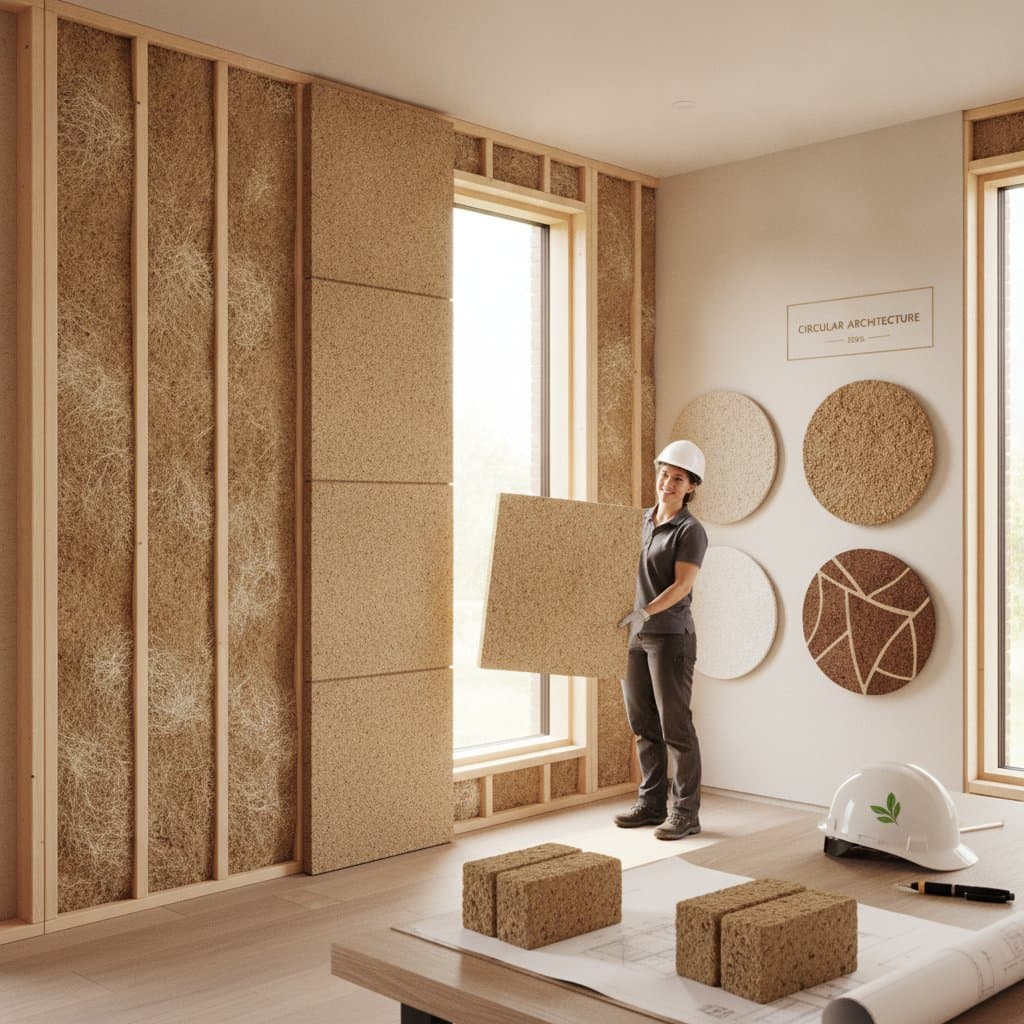
Installing mushroom insulation follows standard protocols but offers unique advantages. For walls, rigid panels fit between studs like foam boards, secured with minimal fasteners due to their self-supporting nature. Attic applications use blown-in variants, distributed evenly with conventional equipment to achieve uniform coverage.
Professionals recommend assessing site conditions first: ensure substrates remain dry during growth phases if on-site production is considered, though most users opt for factory-made units. Building codes classify it as a Type I or II material, compliant with ASTM standards for thermal and fire performance. Post-installation, routine inspections focus on seals rather than the insulation itself, as it withstands humidity fluctuations without warping.
Maintenance proves straightforward. Vacuuming surfaces suffices for dust accumulation, and its hypoallergenic profile suits allergy-prone occupants. In rare damage cases, affected sections remove easily without contaminating surroundings, unlike friable fiberglass that requires protective gear.
Frequently Asked Questions
What exactly is mycelium?
Mycelium consists of fine, thread-like structures that form the root system of mushrooms and other fungi. In insulation, it serves as a biological glue, intertwining with substrates to produce a cohesive, insulating mass with inherent strength.
Does mushroom insulation promote mold growth?
No, the heat-treatment process deactivates the fungi, rendering the material inert and resistant to decay. Installed in well-ventilated spaces, it avoids moisture traps that could foster mold in other insulators.
Is it suitable for households with children or pets?
Absolutely. Free from volatile compounds and irritants, it supports superior air quality, reducing risks of respiratory issues common with synthetic alternatives.
How does its durability stack up against fiberglass or foam?
It holds shape under compression better than many foams, enduring decades without sagging or particle release, backed by accelerated aging tests.
Will pests be drawn to it?
Pests find little appeal, as the treated material lacks nutrients. Its fungal origins even deter insects more effectively than some plant-based options.
Can homeowners handle installation independently?
For minor areas like shed walls, yes, using pre-formed pieces and basic tools. Larger jobs benefit from experts to maximize efficiency and code adherence.
Does it comply with fire regulations?
Certified variants pass rigorous tests, charring controllably to limit fire progression and smoke, often outperforming untreated wood in assemblies.
Integrating Mushroom Insulation for Sustainable Builds
Transitioning to mushroom insulation starts with project planning. Evaluate your space's thermal needs using online calculators to determine required thickness. Source from certified suppliers who detail embodied carbon metrics, ensuring alignment with your sustainability objectives.
Collaborate with architects experienced in bio-based materials to optimize placement, such as combining panels with reflective barriers for enhanced efficiency. Track performance post-installation via energy audits to quantify benefits and refine future endeavors. This approach not only elevates home comfort but also positions your build as a model for eco-innovation, inspiring broader adoption in the sector.