Key Points
- Mycelium insulation, derived from mushroom roots, serves as a biodegradable substitute for synthetic foams and fiberglass batts.
- It delivers strong thermal performance alongside moisture control and fire resistance, adapting well to various climate conditions.
- Current pricing exceeds standard materials by 20 to 40 percent, yet economies of scale will lower costs as adoption increases.
- Adopting this material yields reduced utility expenses, superior indoor environments, and minimized ecological impact for residents.
The Living Material Redefining Home Insulation
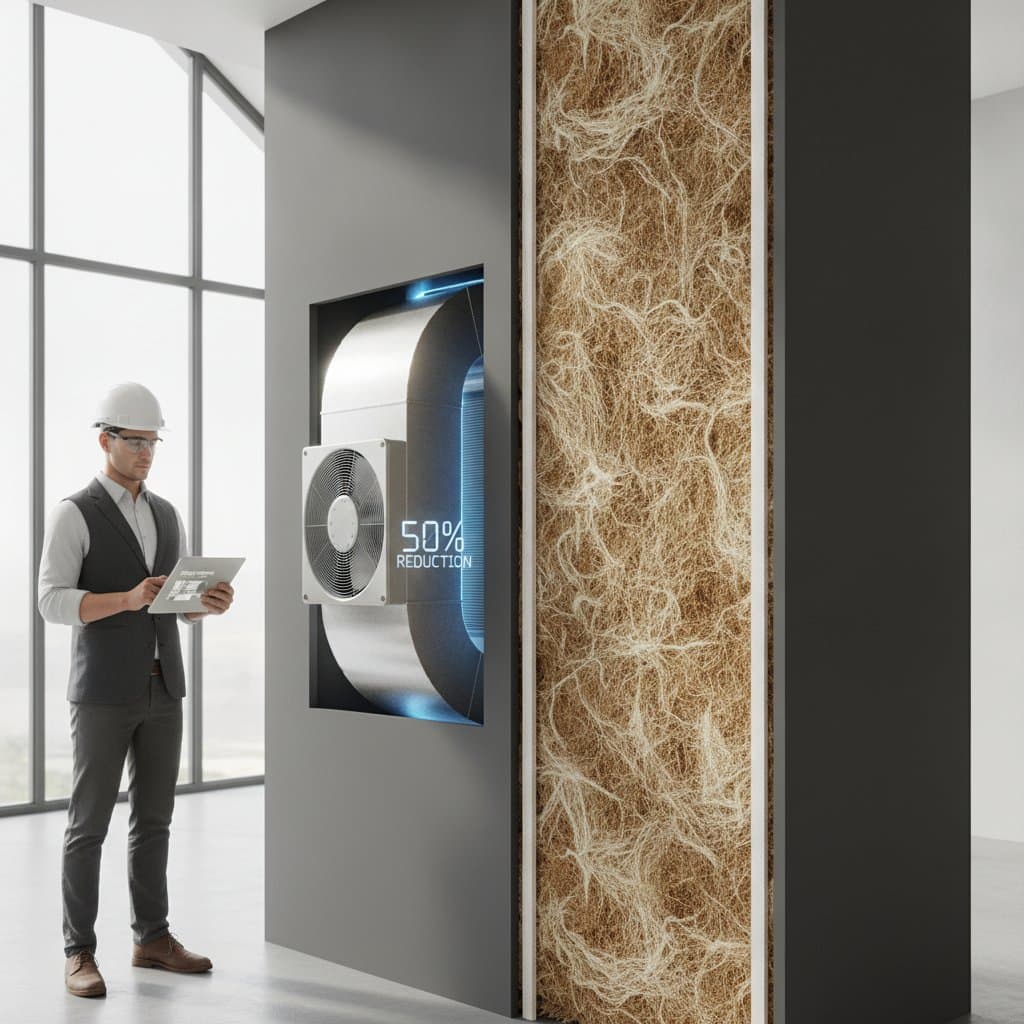
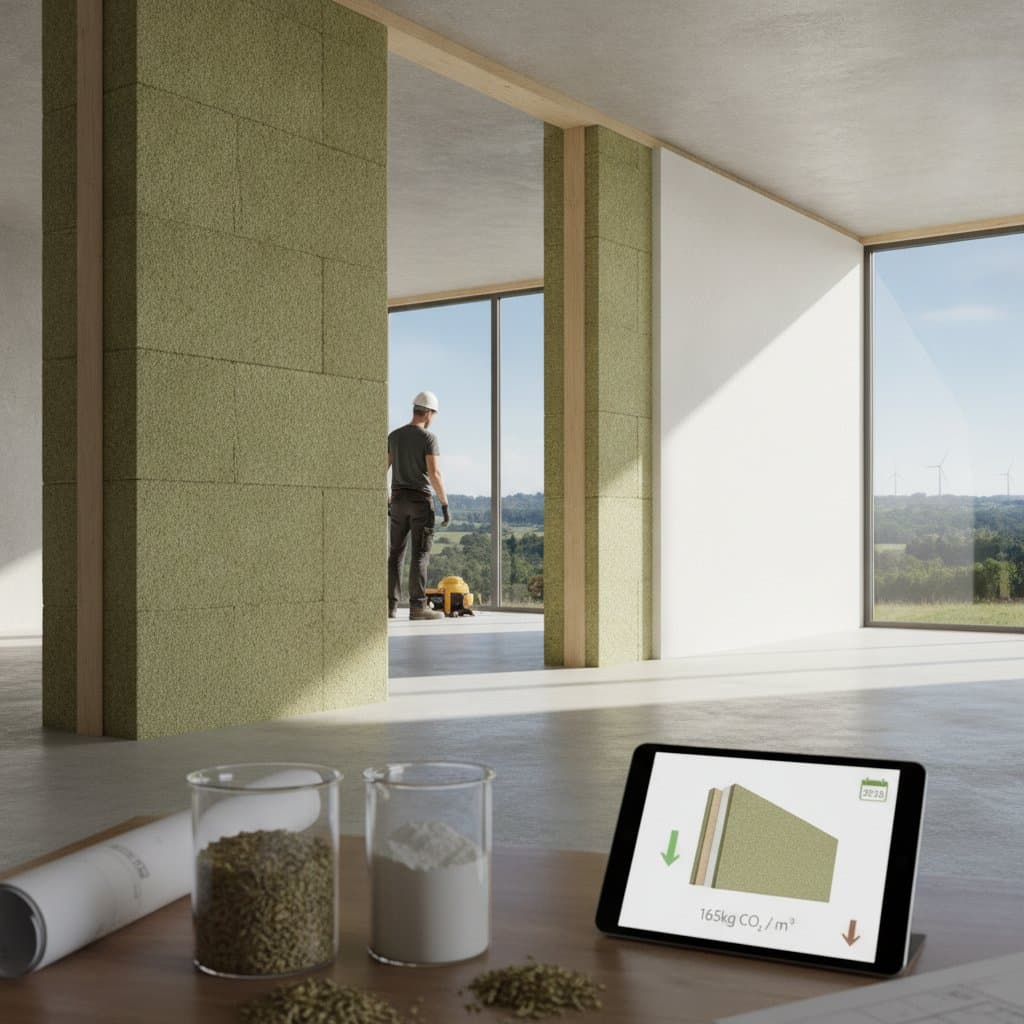
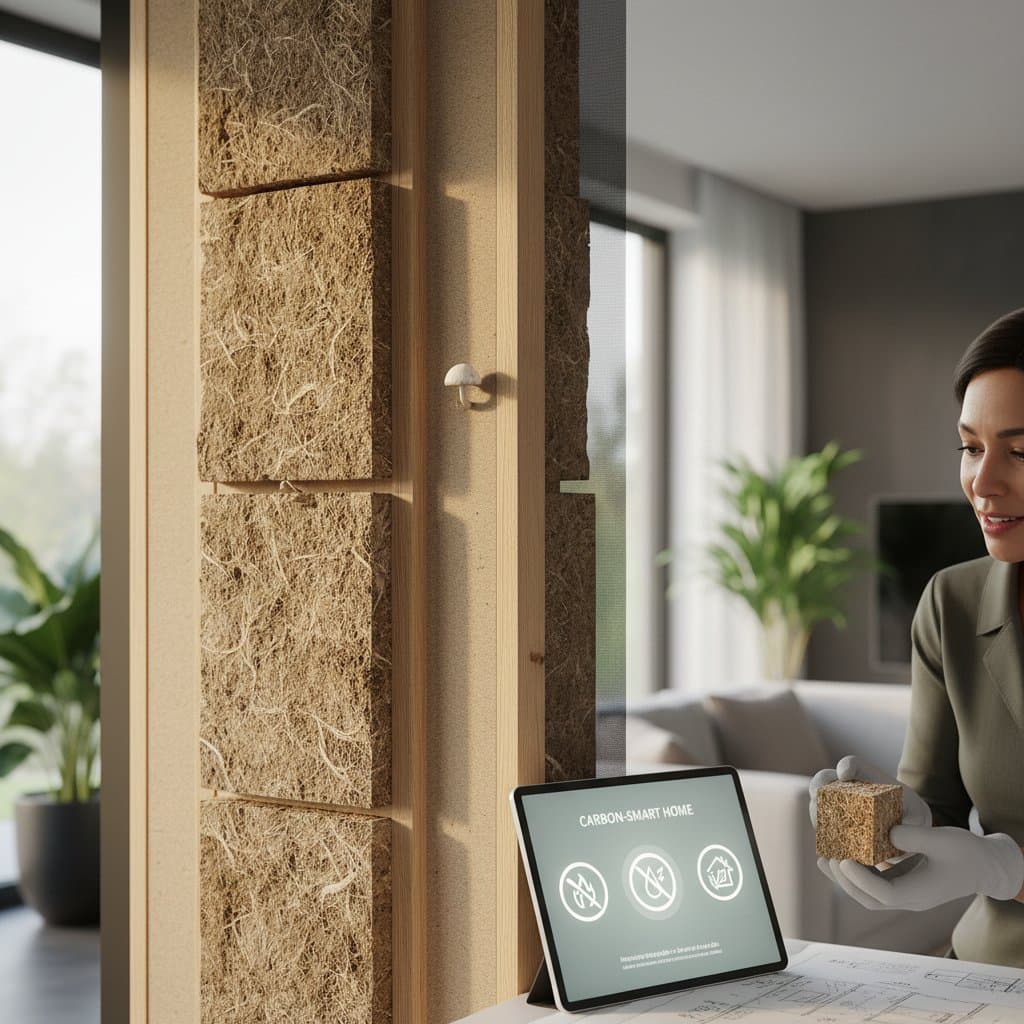
Consider insulation that develops organically rather than emerging from industrial processes heavy with synthetic chemicals. This concept, once confined to speculative designs, now exists through mycelium, the intricate fungal network forming mushroom roots. Cultivated within forms packed with byproducts such as corn husks or wood shavings, mycelium expands into firm, absorbent panels suitable for supplanting plastic-based foams or glass fibers. After dehydration, these panels offer a light, resilient, and effective barrier against heat loss.
This fungal innovation captures attention in sustainable architecture for blending environmental benefits with practical utility. Builders and homeowners alike recognize its potential to elevate construction practices without compromising on effectiveness.
Benefits for Homeowners Seeking Sustainability
Conventional insulation frequently depends on petroleum derivatives or resource-heavy manufacturing. Mycelium, however, thrives on discarded organic matter with low energy input. At the conclusion of its service life, it decomposes naturally, converting potential waste into nutrient-rich compost and avoiding landfill contributions. Such attributes cut down on end-of-life expenses and eliminate risks from harmful emissions, fungal proliferation, or persistent plastic particles.
Health advantages further distinguish this material. Absent volatile organic compounds, it avoids the irritants linked to fresh construction odors that affect respiratory health. Individuals prioritizing wellness alongside energy conservation find mycelium particularly suitable for creating breathable, comfortable living spaces.
Essential Planning Factors
Prospective users should evaluate several aspects prior to selecting mycelium insulation:
- Moisture Management and Airflow: The cured material wards off mold effectively, yet optimal function requires adequate wall breathing. Installers must position vapor retarders precisely to prevent trapped humidity.
- Fire Protection Standards: Mycelium tends to carbonize under flame exposure rather than burn rapidly, aligning with numerous safety regulations without synthetic treatments. Verify compliance with regional codes through third-party testing before proceeding.
- Sourcing Options: Expanding facilities improve access, though procurement often involves partnering with niche providers who specialize in bio-materials.
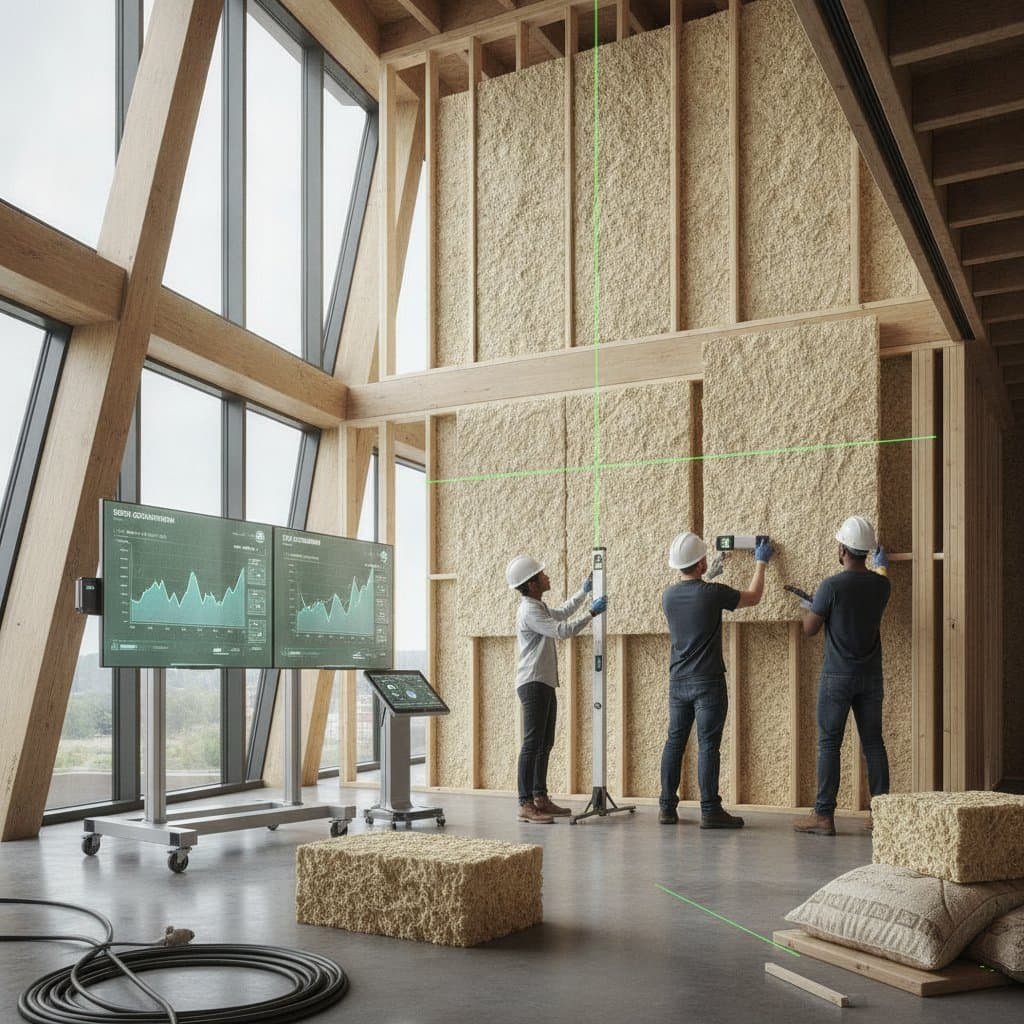
- Fitting Techniques: Panels slice and position similarly to foam boards, facilitating straightforward retrofits. Select suppliers offering blown-in variants for challenging voids or non-standard configurations.
Analyzing Costs and Long-Term Returns
Mycelium insulation currently commands a premium of 20 to 40 percent over comparable fiberglass or foam products. In a standard residential application, expect expenditures ranging from $2.50 to $4.50 per square foot, influenced by panel gauge and vendor. This upfront investment warrants scrutiny, balanced against enduring advantages.
With R-values typically reaching 3 to 4 per inch, it parallels high-performing rigid boards in heat retention. Additionally, its humidity-regulating properties ease demands on heating and cooling systems, potentially slashing energy use by 10 to 25 percent based on regional weather patterns and dwelling scale. Across a decade or more, these efficiencies frequently recoup the added expense, particularly in regions with high utility rates.
Environmental Advantages and Performance Highlights
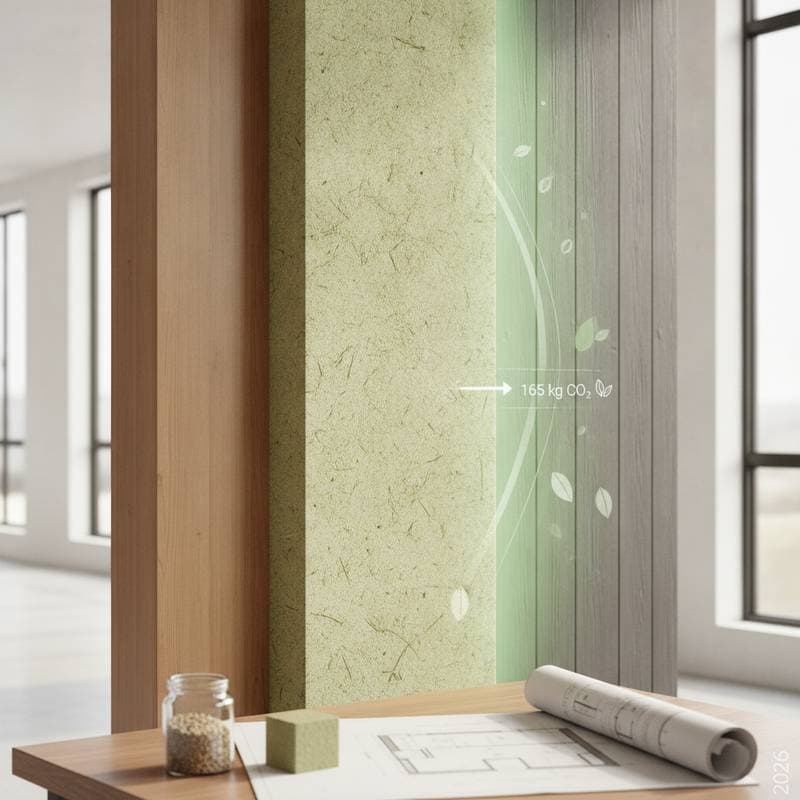
Mycelium stands out for its ecological profile. Fully biodegradable and sourced renewably, it captures atmospheric carbon during cultivation, aiding in greenhouse gas mitigation. Manufacturing leverages farm and forestry residues, diverting them from disposal and fostering resource loops.
In operation, the material deters insects, mildew, and combustion through inherent properties, bypassing the need for preservatives. Its fine, porous texture moderates interior moisture levels, averting wall sweating and promoting longevity. These traits enhance overall building resilience and occupant satisfaction.
Variables Shaping Implementation
Project outcomes hinge on multiple elements:
- Density and Thickness Choices: Greater depth bolsters insulation value but increases expense and structural load.
- Regional Climate Demands: In frigid or humid zones, opt for elevated R-ratings or combine with complementary insulators for comprehensive coverage.
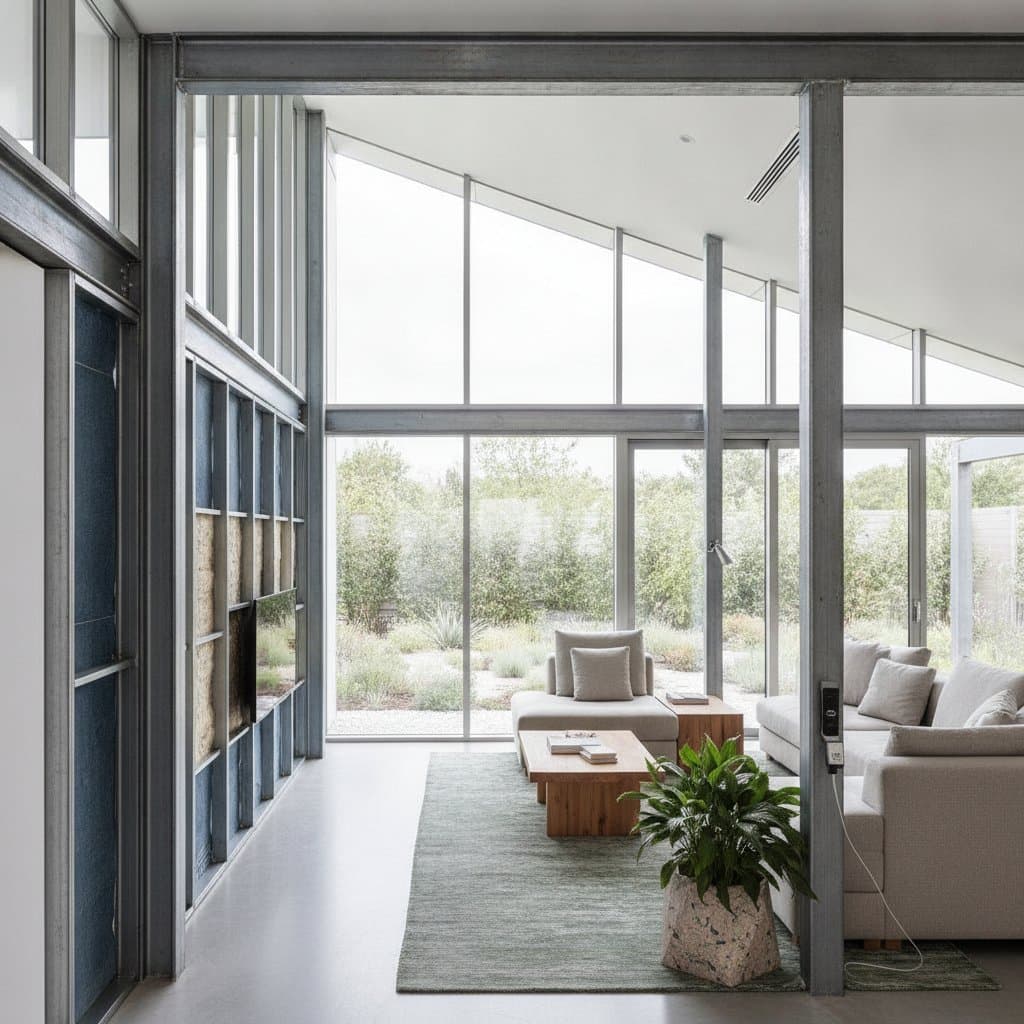
- Aesthetic and Design Roles: Visible applications lend organic textures to contemporary spaces, merging form with function.
- Workforce Expenses: Simplified cutting and mounting streamline labor, reducing timelines in prefabricated assemblies.
Frequently Asked Questions
Does mycelium insulation suit allergy sufferers?
Yes. Post-processing deactivates spore production, rendering it low-allergen and safe for sensitive individuals.
Can it fully substitute other insulation types?
It excels in enclosed assemblies like walls, attics, and floors that remain arid. Avoid it in submerged or perpetually moist settings, where alternatives prove more reliable.
Steps to Integrate Mycelium in Your Build
Homeowners aiming to advance beyond outdated insulators will appreciate mycelium's role in forward-thinking construction. It aligns with preferences for regenerative materials that support planetary health. Begin with targeted applications, such as outfitting a garage partition or garden shed, to gauge real-world results. As innovations proliferate and supply chains mature, this once-novel fungal solution promises to anchor eco-conscious design standards.