Understanding Passive House Windows
Passive House standards represent a rigorous approach to building design that prioritizes energy efficiency and occupant comfort. Windows play a central role in this framework, engineered to minimize heat loss while maximizing natural light. These specialized windows differ from standard options through advanced materials and construction techniques that align with global sustainability goals.
Homeowners often overlook windows as key contributors to energy consumption. In a typical residence, they account for a significant portion of heating demands, especially in colder climates. Passive House windows address this challenge directly, offering a pathway to reduced utility costs and environmental impact.
Key Features of Passive House Windows
Triple glazing forms the foundation of these windows, consisting of three layers of glass separated by insulating gas fills. This configuration reduces thermal bridging and condensation, maintaining clear views year-round. Frames made from materials like fiberglass or wood with insulating cores further enhance performance by preventing heat escape at the edges.
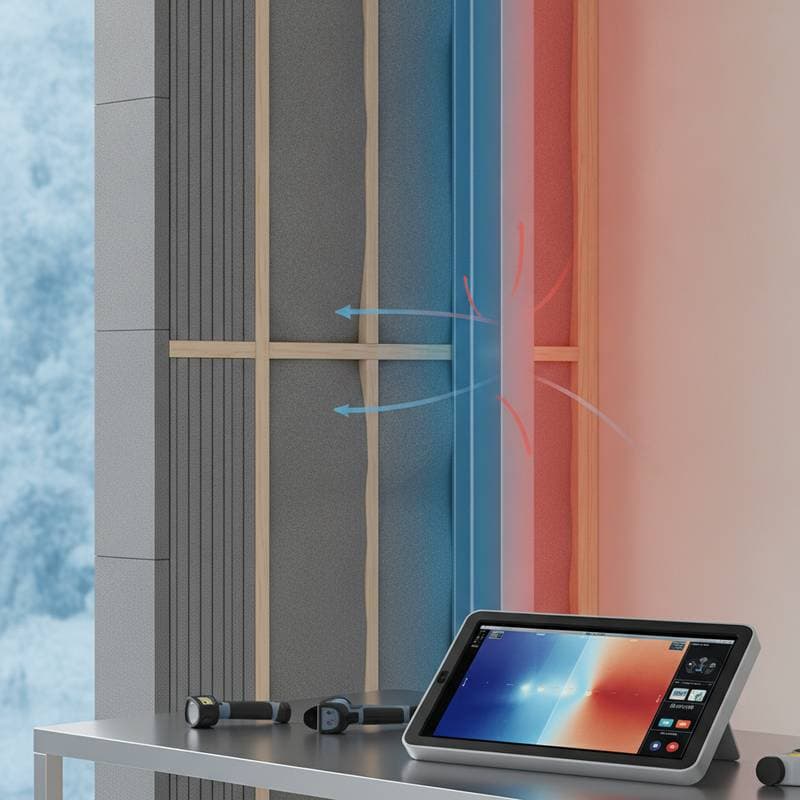
Airtight installation seals eliminate drafts, a common source of energy waste. Manufacturers incorporate warm-edge spacers between glass panes to limit conductive heat loss. These elements combine to achieve U-values as low as 0.8 W/m²K, far surpassing conventional windows that typically range from 1.5 to 2.5 W/m²K.
Solar gain control integrates low-emissivity coatings that allow short-wave solar radiation to enter while blocking long-wave heat from escaping. This balance prevents overheating in summer and underheating in winter. Ventilation systems often pair with these windows to ensure fresh air circulation without compromising the building envelope.
Achieving Up to 60 Percent Heating Savings
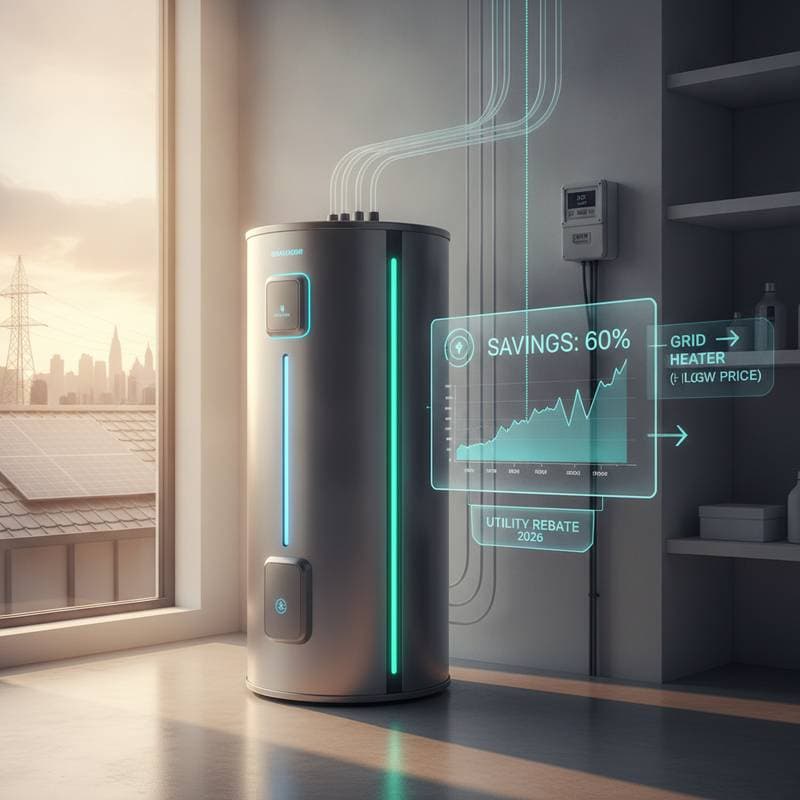
Studies demonstrate that Passive House windows can reduce heating energy use by up to 60 percent compared to standard double-glazed units. This figure arises from comprehensive testing under real-world conditions, including varying weather patterns. The savings stem from superior insulation that retains indoor warmth, requiring less reliance on heating systems.
In practical terms, a household with annual heating costs of $1,500 might save $900 through this upgrade alone. Factors such as window size, orientation, and local climate influence exact reductions. Larger installations amplify benefits, particularly in homes with extensive glazing.
Long-term data from certified Passive House projects confirm consistent performance over decades. Maintenance remains minimal, with durable seals and coatings resisting degradation from UV exposure or temperature fluctuations. These attributes make the technology reliable for diverse building types, from new constructions to retrofits.
Enhancing Comfort and Indoor Environment
Beyond efficiency, Passive House windows elevate living spaces through stable indoor temperatures. They eliminate cold spots near frames, a frequent complaint with ordinary windows. This uniformity fosters a cozy atmosphere without the need for constant thermostat adjustments.
Improved air quality results from reduced infiltration of outdoor pollutants and allergens. The airtight design pairs with mechanical ventilation to filter incoming air, promoting healthier respiration. Noise reduction stands out as another advantage; thicker glazing dampens external sounds, creating serene interiors ideal for urban settings.
Daylighting increases with high light transmission rates, boosting mood and productivity. Users report fewer headaches and better sleep due to consistent conditions. These qualitative gains complement quantitative savings, appealing to those prioritizing well-being alongside economics.
Practical Steps for Installation
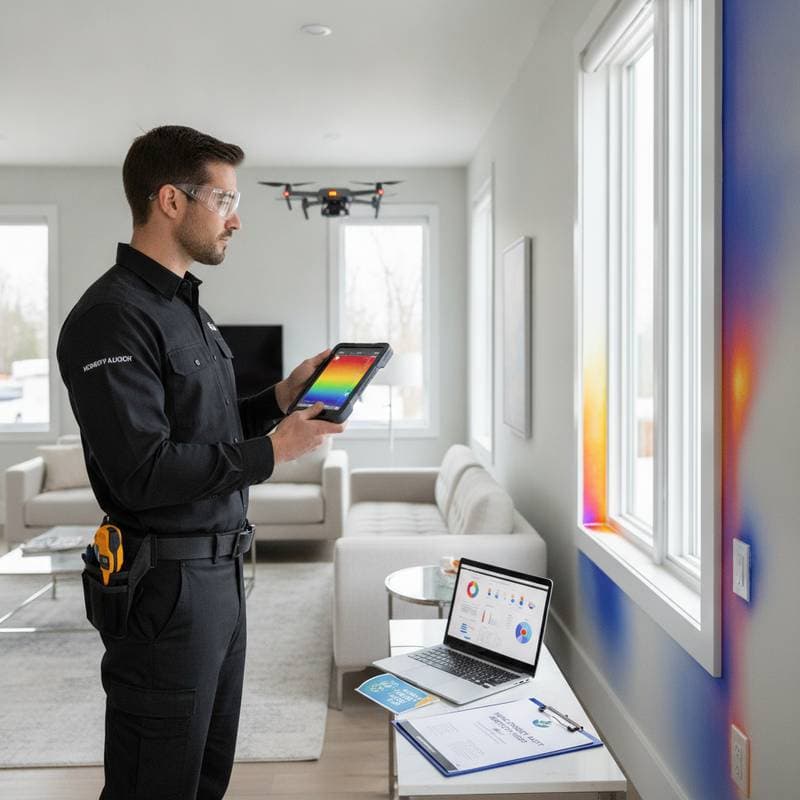
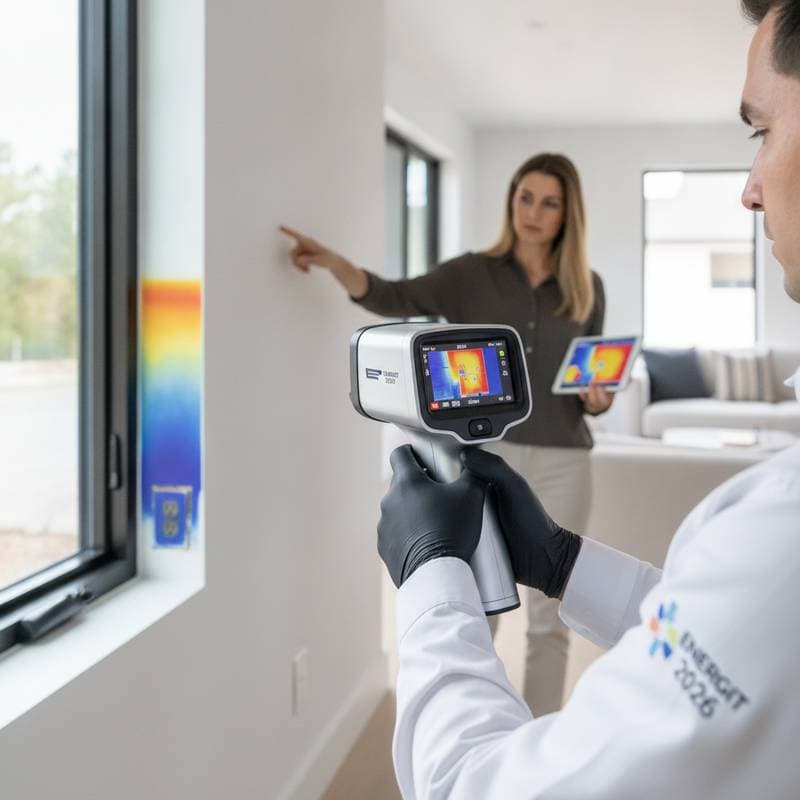
Assess your home's current windows to identify inefficiencies, such as single glazing or poor seals. Consult certified Passive House professionals for a site evaluation, ensuring compatibility with existing structures. They will measure openings and recommend specifications tailored to your region's climate.
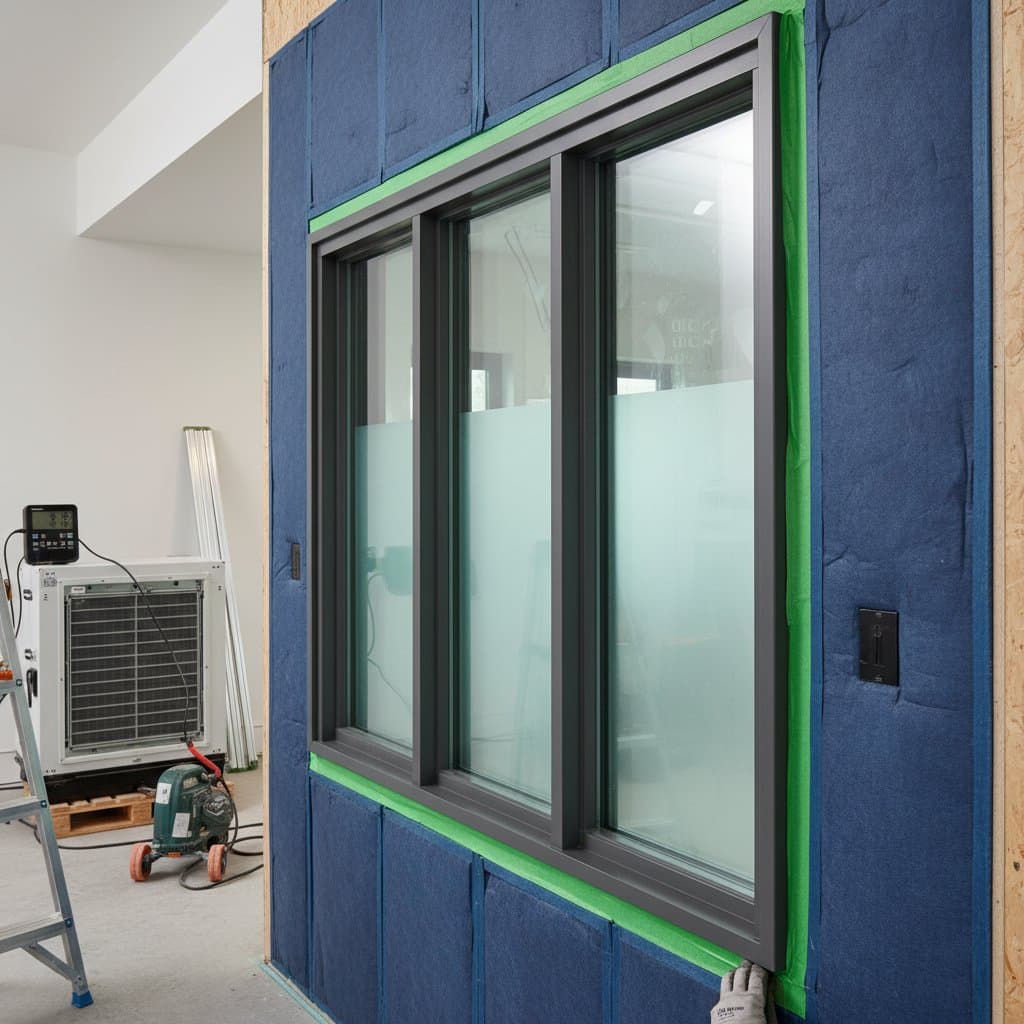
Select windows certified by organizations like the Passive House Institute, verifying compliance with stringent criteria. Budget for professional installation to achieve airtightness; improper fitting negates benefits. Integrate shading devices, such as external blinds, to optimize solar control.
Financing options include energy efficiency rebates from utilities or government programs. Plan for a payback period of 10 to 15 years, depending on local energy prices. Track post-installation performance with simple monitoring tools to verify savings.
Investing in a Sustainable Future
Passive House windows represent more than an upgrade; they embody a commitment to resilience against rising energy costs. Property values increase by up to 10 percent in certified buildings, attracting eco-conscious buyers. This investment supports broader goals of carbon reduction and resource conservation.
For renovations or new builds, these windows integrate seamlessly with other efficiency measures like insulation and appliances. The result yields homes that operate efficiently with minimal environmental footprint. Embrace this technology to secure comfort, savings, and sustainability for generations ahead.