Stabilizing Indoor Temperatures Naturally
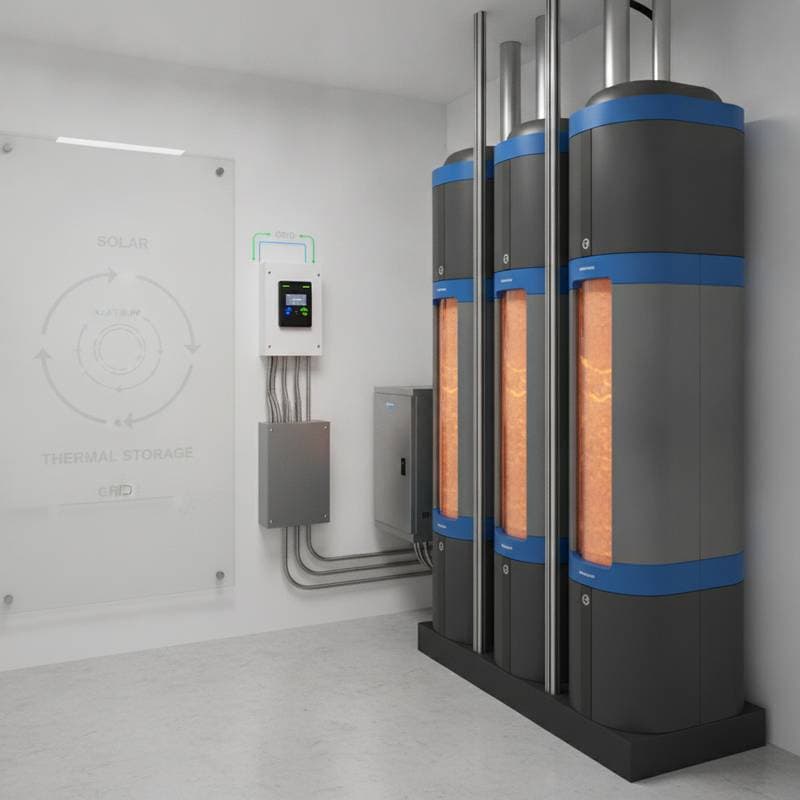
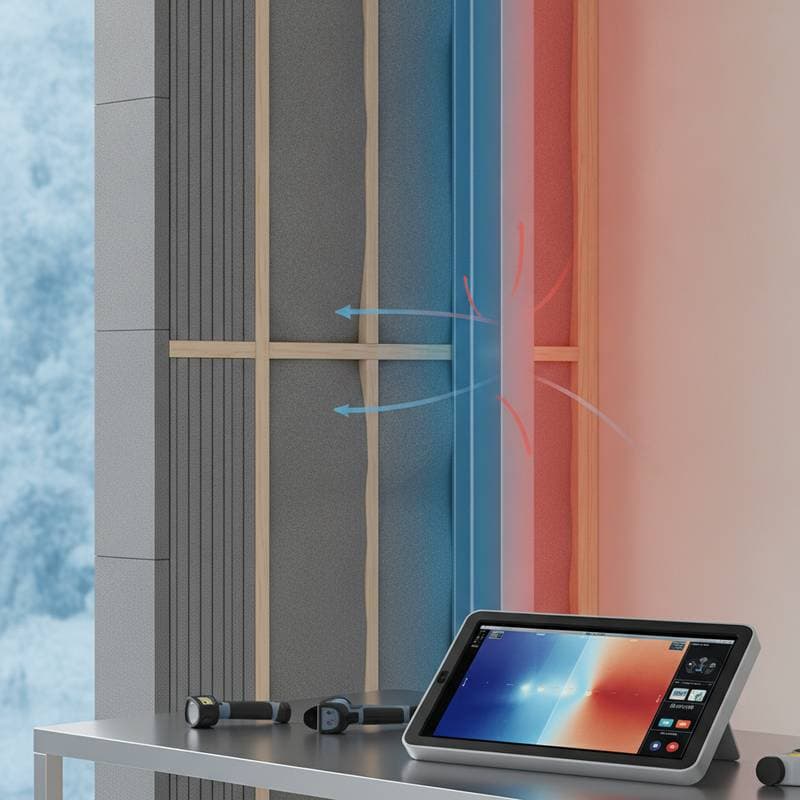
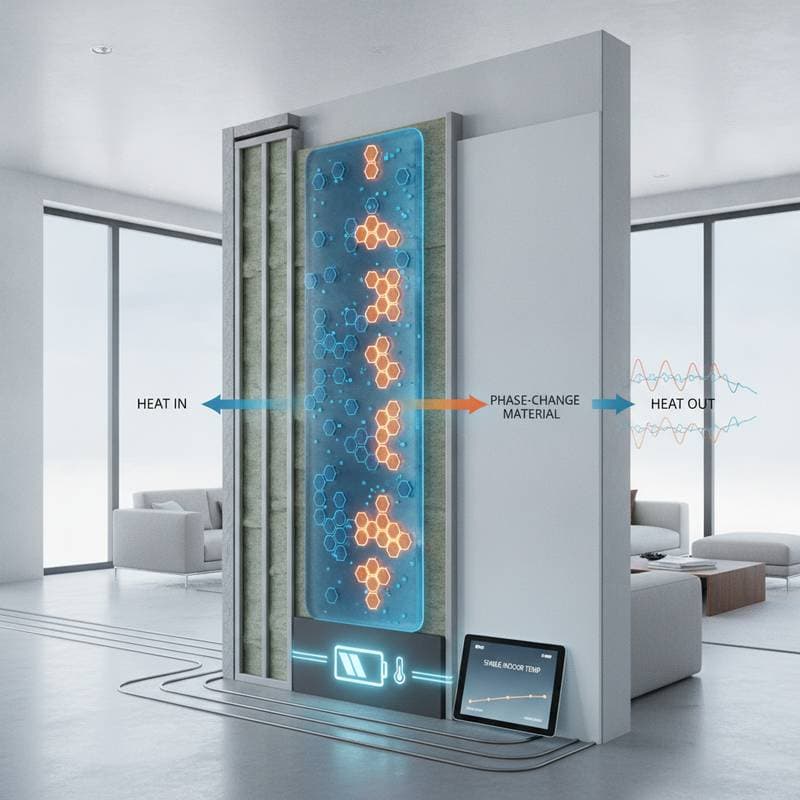
Many homes experience uncomfortable temperature swings that drive up energy use. Phase change materials address this by absorbing excess heat and releasing it later. This process mimics a thermal battery without requiring mechanical equipment.
Insulation alone slows heat movement. Phase change materials actively store and discharge energy around a chosen comfort range. The result is steadier indoor conditions and reduced demand on heating and cooling systems.
How These Materials Function
Phase change materials shift between solid and liquid states at specific temperatures. As they melt they absorb heat. As they solidify they release the stored energy. Most products target the twenty to twenty five degree Celsius range typical for occupied spaces.
Three main categories exist. Paraffin options offer stability and low cost. Salt hydrates provide higher storage capacity yet require careful encapsulation. Bio based versions use plant oils and deliver renewable performance with minimal environmental drawbacks.
Manufacturers enclose the materials in panels or microcapsules. These units fit into drywall, ceiling tiles, or insulation boards during construction or renovation.
Climate and Placement Factors
Effective use depends on daily temperature swings that cross the melting point. Consistent hot or cold climates may limit gains unless the materials pair with ventilation or other passive strategies.
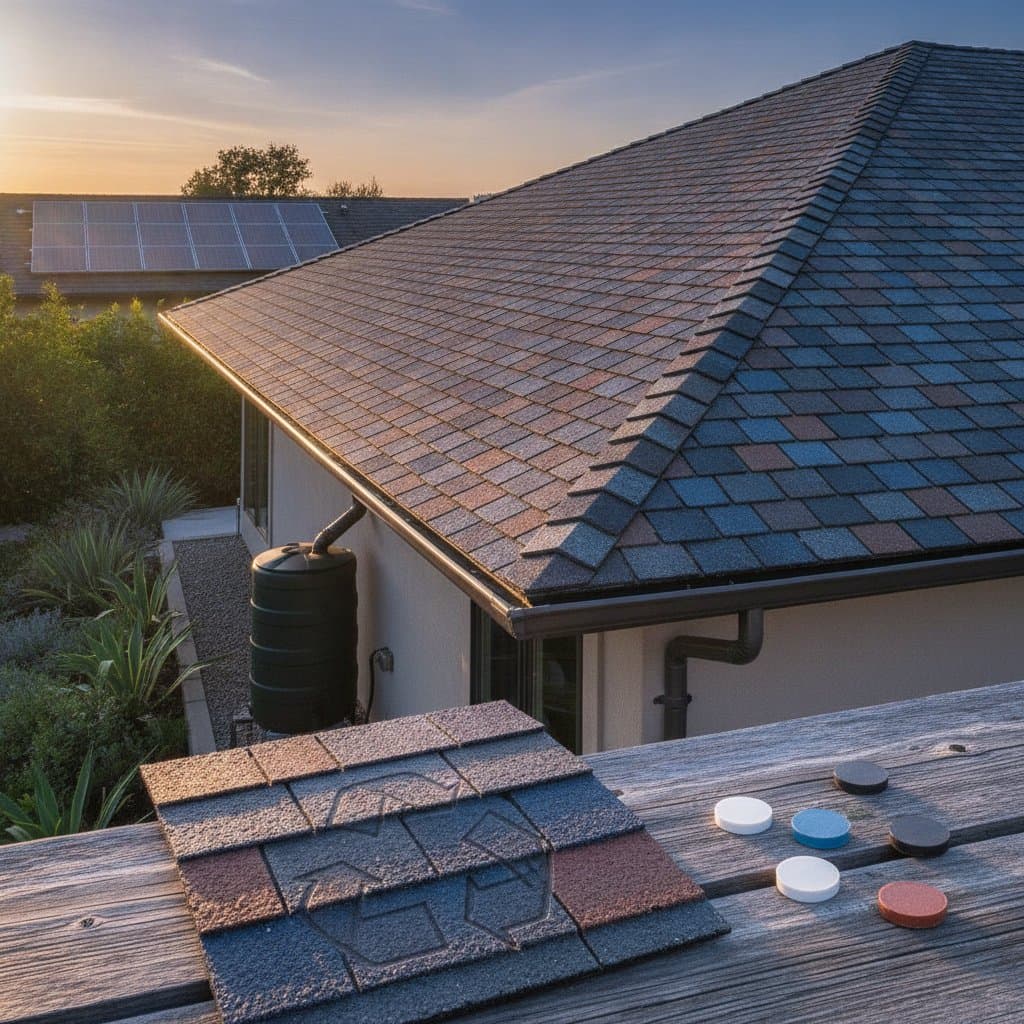
Placement influences results. Interior walls and ceilings capture room heat. Roof layers reduce attic overheating. Underfloor panels support radiant systems. PCMs complement rather than replace insulation and require a tight building envelope to retain stored energy.
Cost Ranges and Long Term Value
Installed costs vary. PCM drywall panels add ten to twenty percent over standard products. Ceiling or wall inserts average three to five dollars per square foot. Integrated insulation systems range from six to twelve dollars per square foot.
Energy modeling shows ten to twenty five percent reductions in heating and cooling loads in suitable climates. Payback often falls between five and ten years when combined with other upgrades. Additional benefits include fewer hot or cold spots, less equipment wear, and stronger resale appeal.
Design Options for New and Existing Homes
PCM drywall installs like conventional sheets and accepts standard finishes. Underfloor panels work well with large windows that admit solar heat. Roof deck layers protect against summer overheating in dark roof assemblies.
Advanced setups link PCM performance data to smart thermostats. This allows precise timing of heat release or retention. Proper installation by experienced crews prevents gaps that reduce capacity.
Sustainability and Indoor Quality Gains
Lower HVAC runtime cuts fossil fuel use and electricity demand. Smaller equipment sizes become feasible, which reduces refrigerant volumes. Consistent temperatures also limit condensation and mold risk.
Bio based PCMs minimize volatile organic compound emissions. The materials endure thousands of cycles with little degradation when properly encapsulated. This durability supports long term resilience without frequent replacement.
Questions Homeowners Often Raise
- Insulation resists heat flow while phase change materials store and release it.
- Commercial products remain sealed and carry fire safety certifications.
- Retrofitting occurs through panel replacement or inserts during other work.
- Performance peaks where daily swings cross the melting point.
- Quality units last the life of the building.
- No routine maintenance is required.
- Peak loads drop, allowing smaller or less frequent system operation.
Planning an Effective Installation
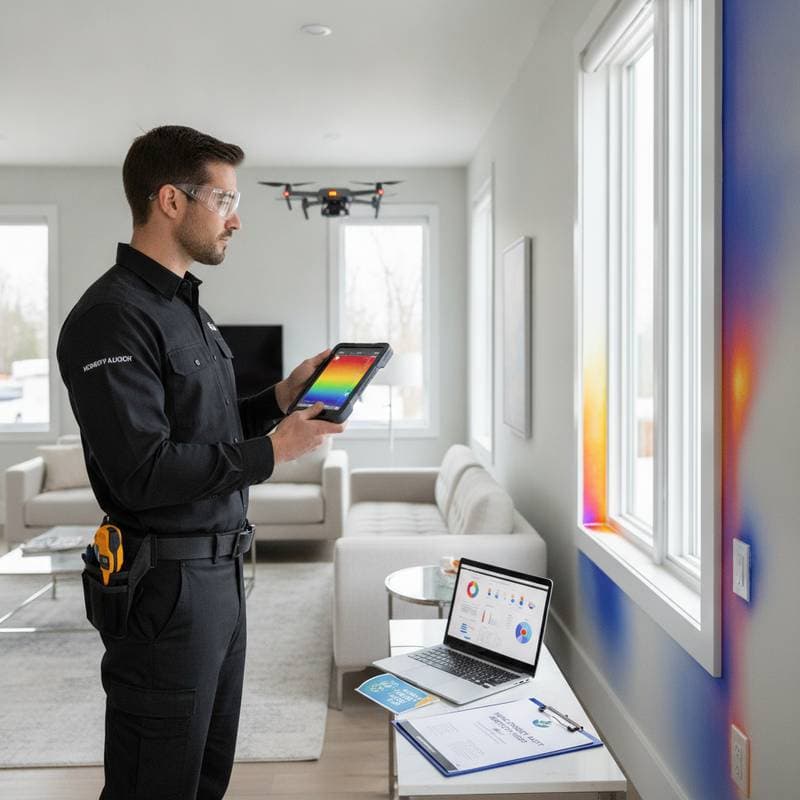
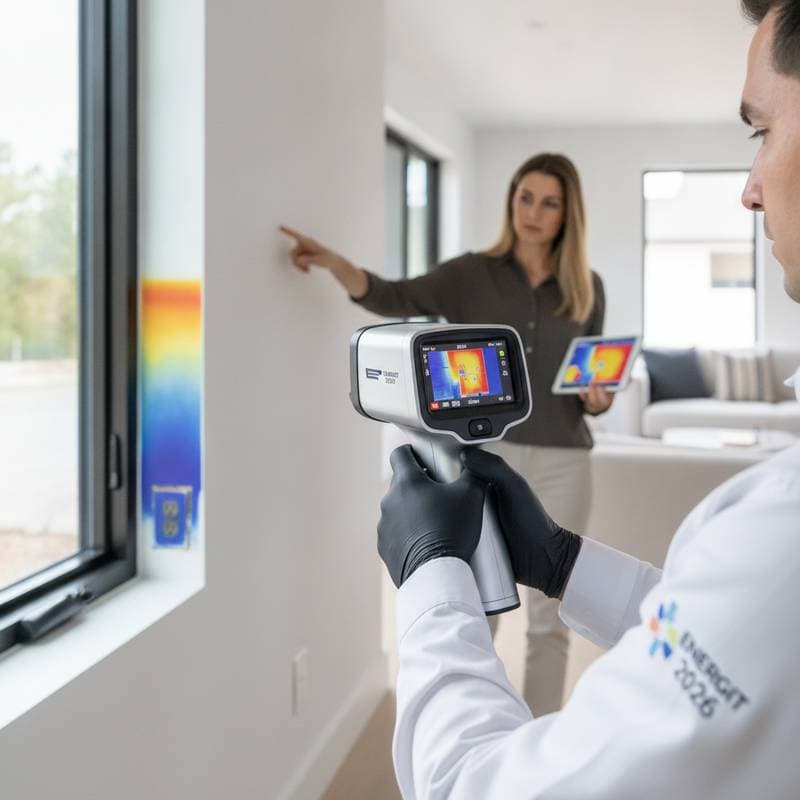
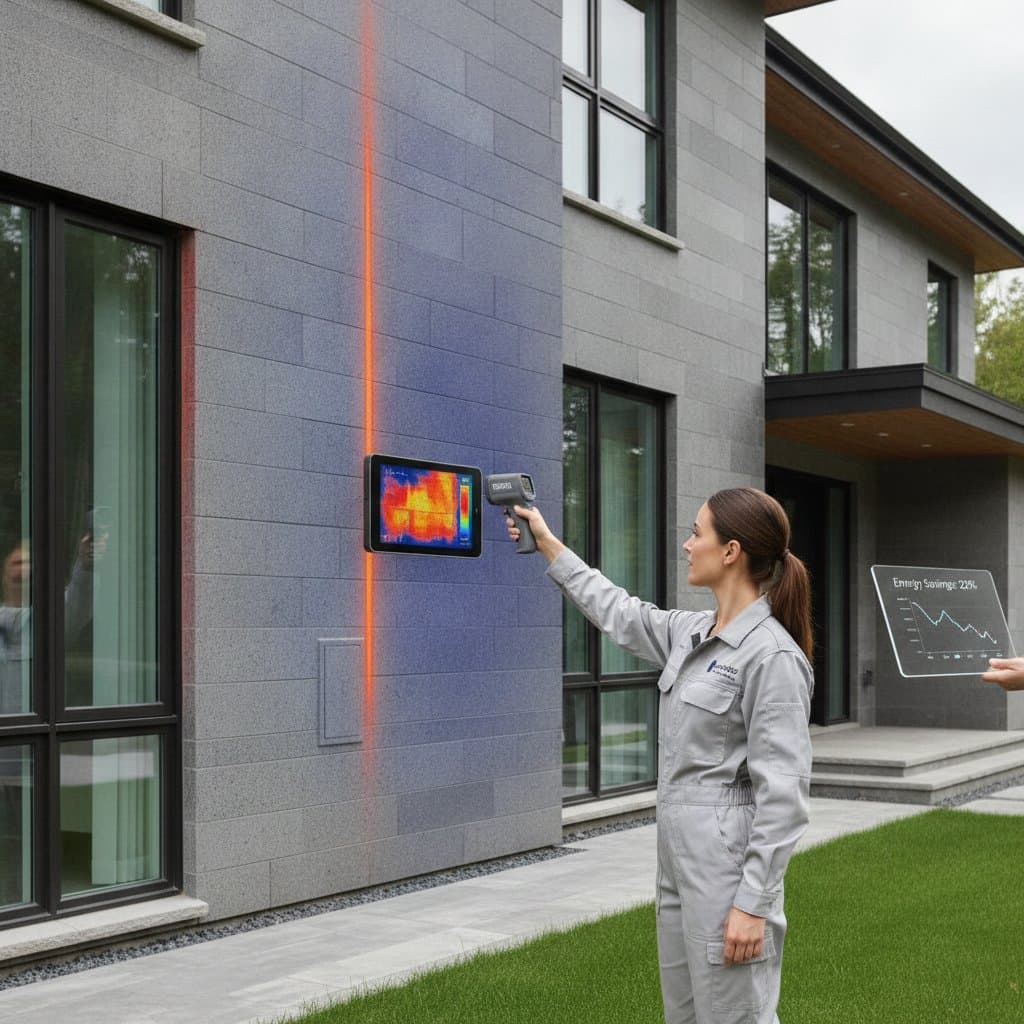
Begin with a professional energy assessment that maps temperature patterns and construction details. Match product melting points to local climate data. Verify contractor experience with encapsulated systems and confirm code compliance before work starts. These steps help realize consistent comfort and measurable energy reductions over time.