2025's Eco-Roof Revolution: The Rise of Recycled Plastic Shingles
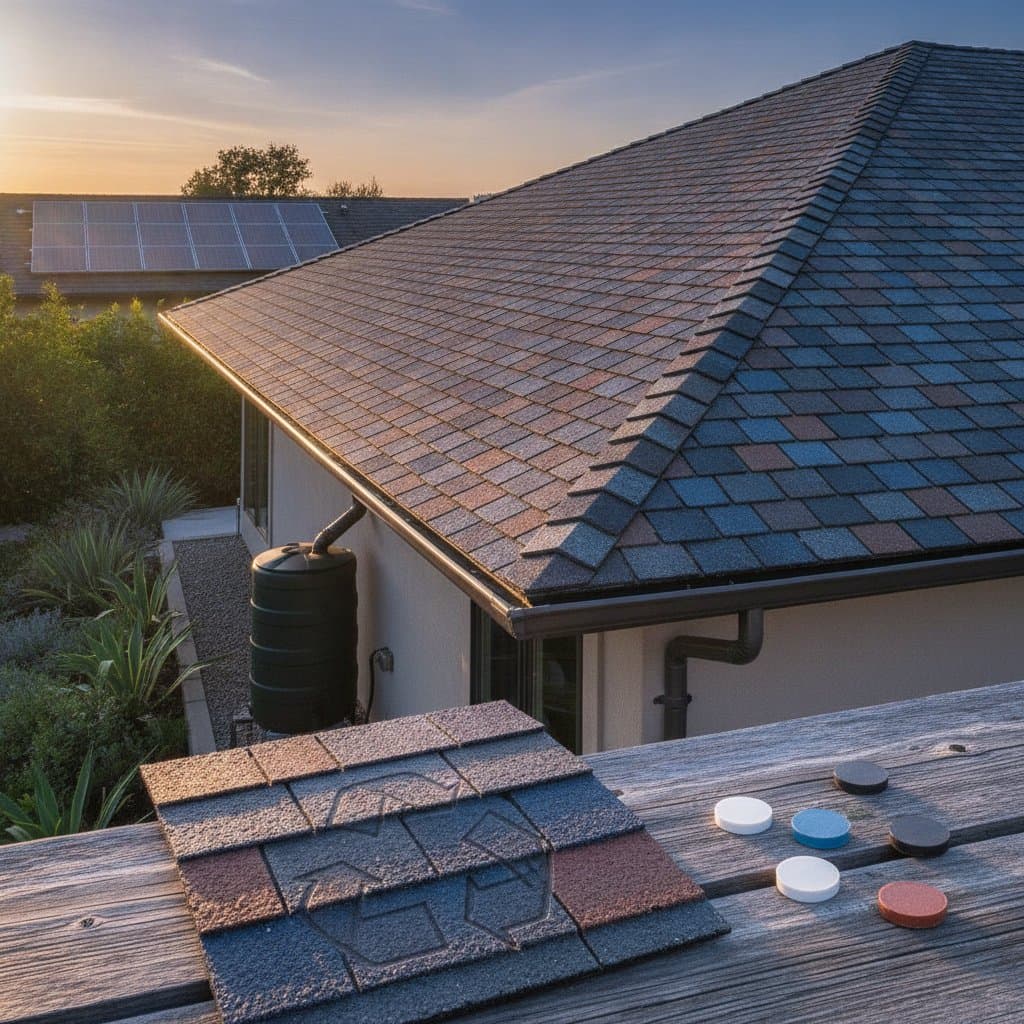
Homeowners envision sustainable living through solar panels, efficient windows, or reclaimed wood features. However, a significant change occurs overhead. Recycled plastic shingles redefine roofing by prioritizing durability, affordability, and ecological impact.
Essential Advantages
- Recycled plastic shingles offer a robust, cost-effective, and environmentally sound alternative to conventional options.
- They redirect up to 1,500 pounds of plastic waste per home away from landfills.
- These shingles endure three times longer than standard asphalt products.
- Most designs allow full recycling at the end of their service life, fostering a closed-loop process.
- Homeowners achieve 20 to 40 percent savings on total roofing expenses over time.
Sustainable materials now extend beyond specialized projects to everyday construction. Experts describe this trend as the eco-roof revolution, where advanced composites deliver tangible performance and planetary benefits.
Engineering Recycled Plastic for Roofing Excellence
These shingles result from precise engineering, not mere repurposing of waste. Manufacturers create durable composites that maintain stability in harsh conditions. The production sequence includes critical phases.
- Collection and Sorting: Facilities collect post-consumer plastics from various sources and categorize them by polymer composition.
- Cleaning and Shredding: Workers eliminate impurities and process the plastics into consistent flakes.
- Compounding: Flakes integrate with UV inhibitors, mineral additives, and pigments to bolster resistance to elements.
- Molding and Cooling: The mixture forms into shingles via injection molding, achieving specific textures and shapes.
- Quality Assurance: Batches receive evaluations for fire retardancy, structural integrity, and thermal behavior.
Test results indicate these shingles endure winds exceeding 150 miles per hour. They avoid deformation, fractures, or discoloration over extended periods. Additionally, their light-reflective properties decrease roof temperatures by up to 30 percent during peak heat.
Broader Environmental and Community Impacts
One square of these shingles, covering 100 square feet, incorporates approximately 250 pounds of recycled content. An typical residential roof thus prevents 1,000 to 1,500 pounds of plastic from entering waste sites.
Production of recycled items demands up to 90 percent less energy than fabricating virgin plastics or asphalt. Such efficiency curtails carbon outputs and promotes greener manufacturing. Take-back initiatives from producers enable shingle returns for remanufacturing, reinforcing circular systems.
Environmental engineer Dr. Laila Montrose notes that recycled roofing advances sustainable infrastructure. She emphasizes its focus on the complete lifecycle beyond mere application.
Practical Installation and Upkeep
Professionals install plastic shingles much like asphalt ones, requiring no advanced skills. Their reduced weight eases handling and minimizes stress on building frameworks, often bypassing reinforcement needs.
Notable installation features encompass:
- Lightweight design for easier transport and positioning.
- Interlocking profiles that enhance resistance to gusts.
- Built-in guides for accurate fastening.
- On-site recycling of any flawed pieces to limit debris.
Upkeep remains simple. These shingles repel moss, retain color, and resist splits. A basic wash suffices for cleaning, eliminating the need for treatments common with other materials.
Available Incentives and Standards
Local governments and agencies promote green materials via financial perks and recognitions. Qualifying installations of recycled plastic roofs access:
- Credits for energy savings from reflective qualities.
- Rewards for incorporating recycled elements.
- Credits toward LEED or Green Globes certifications in building projects.
Eligibility depends on location, yet these aids offset initial investments and shorten return timelines. Projects surpassing recycled content benchmarks secure edges in sustainable bids.
Emerging Trends and Long-Term Prospects
Demand for recycled plastic roofing surges as stakeholders prioritize balanced solutions. Analysts forecast market expansion doubling soon, spurred by scaled production and heightened awareness.
Composites extend to exteriors like siding and decks, spurring refinements in strength and design. Leading builders integrate these shingles in developments, praising reliability and resident approval. This adoption signals a transition to standard practice.
Steps to Integrate Recycled Plastic Shingles into Your Roofing Plan
Transitioning requires deliberate preparation. Follow these steps for informed implementation.
- Evaluate Current Setup: Engage an inspector to confirm structural compatibility with lightweight materials.
- Research Providers: Select firms validated by independent bodies for content purity and durability claims.
- Obtain Cost Projections: Request contractors detail long-term expenses, factoring in upkeep and efficiency gains.
- Explore Regional Support: Consult building authorities for applicable rebates or incentives.
- Secure Recycling Options: Partner with manufacturers providing return services for future processing.
Adopting recycled plastic shingles delivers more than ecological gains. It enhances asset worth, curbs utility bills, and avoids repeated replacements, securing lasting value.