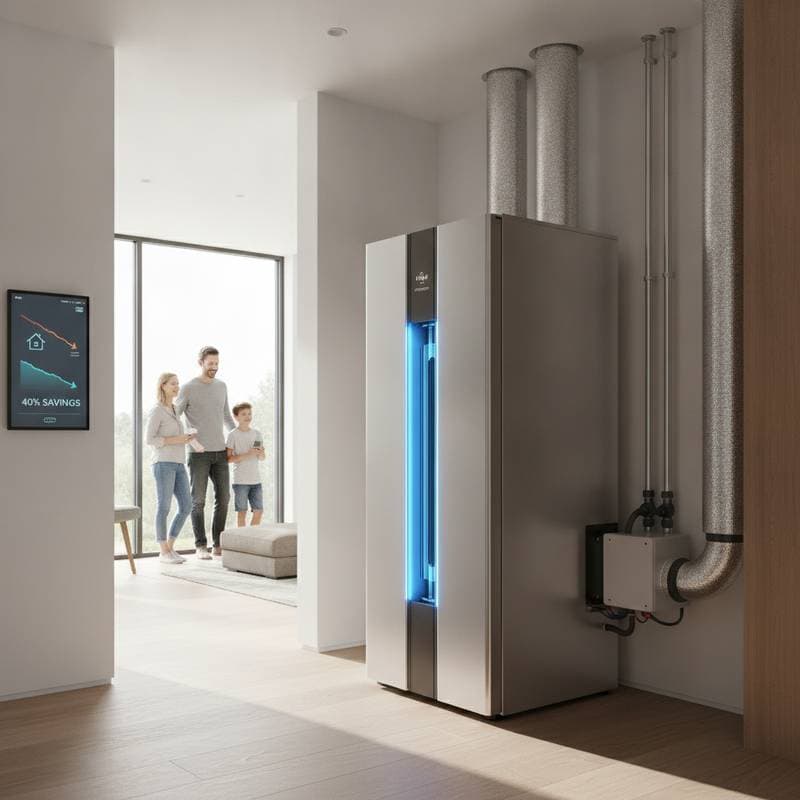
When Hot Water Goes Down the Drain
Picture your morning shower. Steam fills the bathroom and the mirror fogs. For a few moments everything feels perfect. Then the water swirls away. It carries not only soap and shampoo but also a surprising amount of energy. Every drop holds heat that the water heater created, and most of it disappears into the pipes.
That lost warmth represents one of the least recognized forms of household energy waste. A solution exists that captures much of the energy before it escapes. Greywater heat recovery cuts a sizable portion from water heating bills while improving home sustainability.
Why Heat Recovery Matters
Water heating ranks as the second largest energy expense in most homes. Gas, electric, or heat pump systems all incur ongoing costs. Showers, laundry, and dishwashing consume energy, and much of the heat flows straight down the drain.
Reclaiming 60 percent or more of that energy reduces the load on the water heater. Utility bills drop. Equipment lasts longer. The environmental footprint shrinks. Homeowners seeking efficiency certifications find that these systems help meet targets for energy conservation and emissions reduction.
How Greywater Heat Recovery Works
Warm wastewater from the shower flows down the drain and passes through a heat exchanger. The device transfers heat from the outgoing water to incoming cold water headed to the water heater or shower fixture.
The streams move in opposite directions. Heat transfers without mixing clean and used water. No electricity, pumps, or moving parts are required. The system operates passively and recycles heat with every shower.
Common System Designs
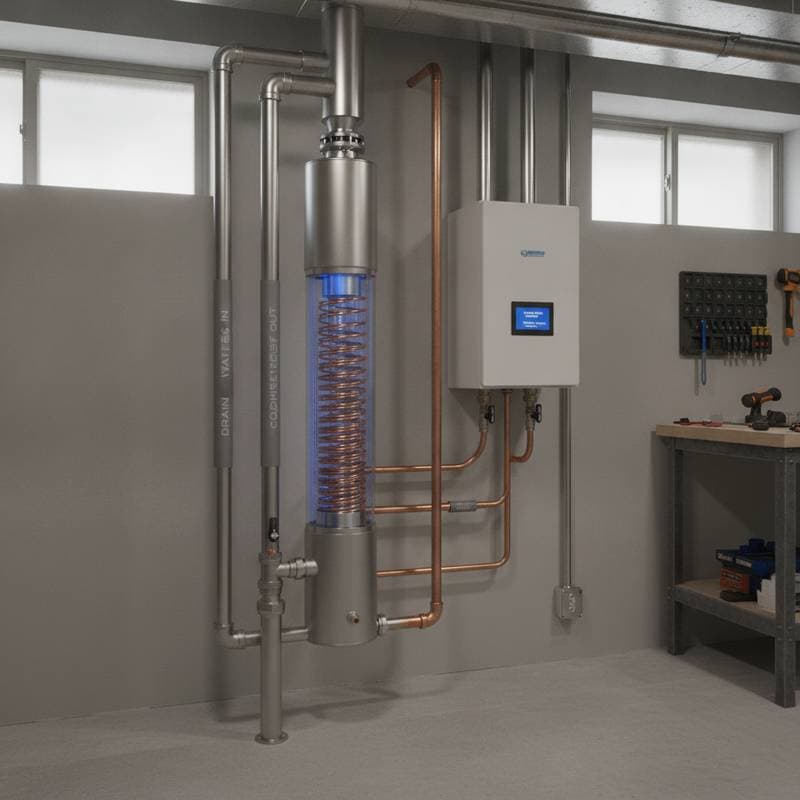
- Vertical drainpipe units fit the main vertical line from the shower. Wastewater spirals through copper or stainless steel pipe while cold water flows through a coiled tube wrapped around it. This design suits homes where multiple fixtures share a drain.
- Horizontal or compact units install under the shower or in a crawlspace. They recover substantial heat and suit retrofit projects.
- Integrated systems combine heat recovery with filtration for landscape irrigation or toilet flushing. This approach maximizes both water and energy savings.
Planning Considerations
Evaluate several factors before installation.
- Homes with multiple daily showers gain the greatest benefit.
- Installation proves easiest when the main drain and water lines remain accessible, such as in basements.
- The technology works with both tank and tankless heaters, though sizing varies.
- Longer exchangers, typically four to six feet, capture more energy but require additional space.
Licensed plumbers assess layouts and recommend suitable designs.
Cost and Return Analysis
Equipment and professional installation range from 500 to 1500 dollars. Larger units reach 2000 dollars.
Equipment costs fall between 300 and 1000 dollars. Labor adds 200 to 800 dollars. Some utilities provide rebates that lower the initial outlay.
A four-person household may save 100 to 250 dollars annually. Payback occurs within three to seven years. The system then delivers savings for decades.
Design Approaches
New construction or remodeling allows early integration.
- Group showers, tubs, and laundry near a common drain.
- Favor straight vertical runs for maximum heat transfer.
- Pair the system with low-flow showerheads and thermostatic valves.
- Select models with sensors for performance tracking.
Retrofits use compact horizontal units beneath the shower or near the water heater.
Performance and Benefits
Systems achieve heat recovery efficiency between 40 and 70 percent. Higher ratings deliver faster payback. The approach often outperforms added insulation or lighting upgrades in homes with frequent showers.
Preheated inlet water stabilizes shower temperatures. Tankless heaters operate more efficiently and experience less stress.
Project Factors
Local codes permit these systems when backflow prevention and pipe materials comply. Maintenance involves occasional inspection for sediment. Colder climates produce larger gains because inlet water starts cooler. Space limits may require custom solutions.
Implementation Steps
Select a certified system for verified performance. Engage a licensed plumber for code compliance. Combine the unit with high-efficiency water heating equipment. Inspect periodically for scale in hard-water areas.
Common Questions
Does the system work with baths or washing machines? Showers provide the most consistent results because flows occur simultaneously. Other fixtures may yield lower efficiency.
Can homeowners install the unit themselves? Basic setups are possible for skilled individuals, yet professional installation ensures safety and compliance.
Does the system affect water pressure? Properly installed units maintain normal flow rates.
How long does a unit last? Quality systems operate for more than twenty years with minimal maintenance.
Next Actions
Consult a plumber to evaluate plumbing access and recommend a suitable model. Compare efficiency ratings and local incentives. Schedule installation during a remodel or bathroom upgrade to minimize disruption.