Why Recycled Plastic Roofing Withstands Hurricane Winds for 2026 Homes
When high winds tear through coastal neighborhoods, the difference between a roof that survives and one that fails often comes down to material science. Homeowners want to know whether a roof made from recycled plastic can protect against hurricane level storms. Engineering, chemistry, and sustainability provide the answer.
Key Advantages
- Recycled plastic roofing resists wind speeds exceeding 150 miles per hour when installed correctly.
- The material flexes to absorb impact without cracking or tearing.
- Panels made from high density recycled polymers last up to five decades with minimal maintenance.
- Lightweight construction reduces structural load and lowers collapse risk during storms.
- Energy efficiency and full recyclability deliver both sustainability and long term savings.
The New Standard in Storm Resistant Roofing
Traditional roofing systems such as asphalt shingles or clay tiles remain vulnerable to uplift and breakage during hurricanes. Asphalt shingles often peel away in gusts above 100 miles per hour. Clay tiles can shatter under debris impact. Recycled plastic roofing combines the resilience of polymer composites with precision manufacturing.
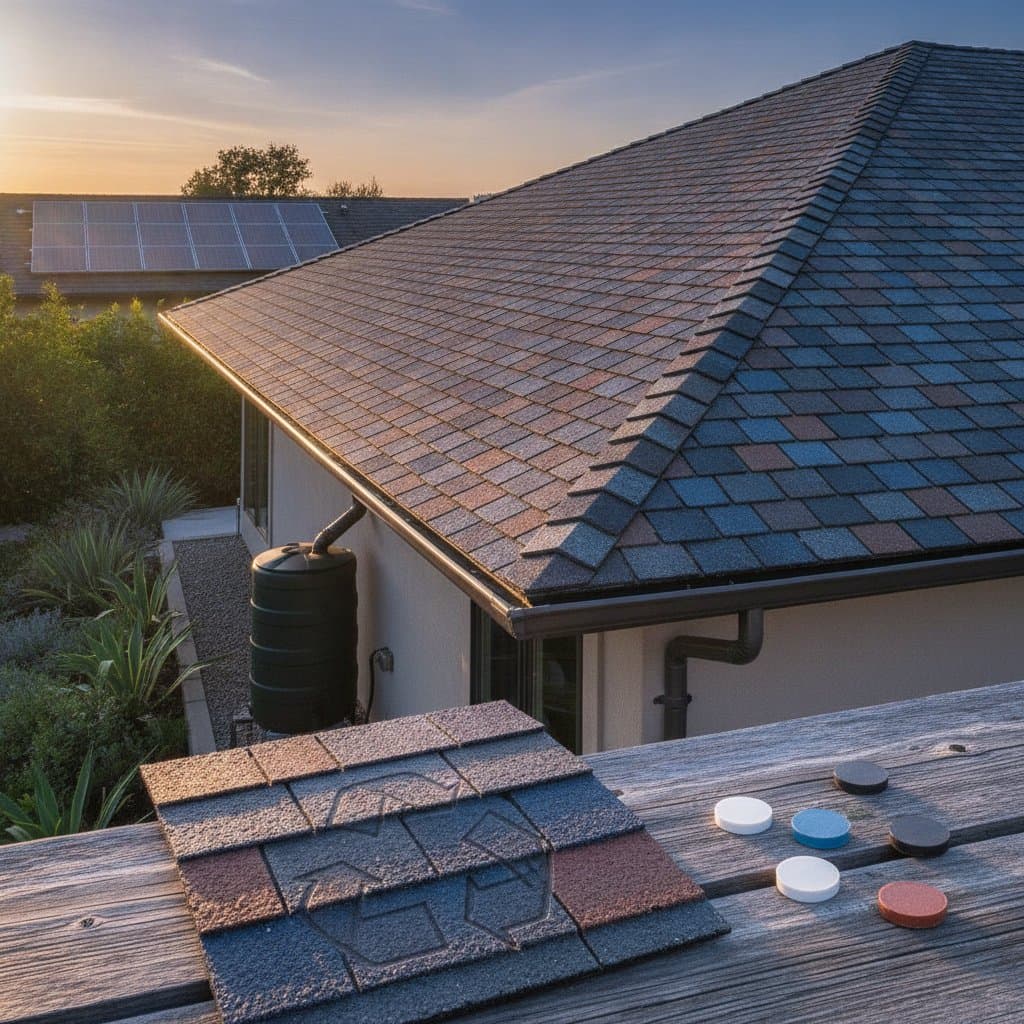
Manufacturers heat and compress blends of polyethylene and polypropylene reclaimed from consumer and industrial waste. They mold the material into interlocking panels that resemble slate, wood, or tile. The finished surface resists both water penetration and mechanical stress.
Impact tests show these panels withstand more than twice the force that fractures asphalt shingles. This durability proves especially valuable in coastal regions where hurricanes strike most often.
How Recycled Plastic Roofing Handles Hurricane Forces
Flexible Structural Memory
Recycled plastic retains elasticity even under extreme stress. Panels flex slightly when wind lifts at the edges instead of snapping. Once pressure subsides, the material returns to its original shape. This structural memory allows repeated wind cycles without permanent deformation.
Interlocking Design and Hidden Fasteners
Tongue and groove or shingle lock systems prevent wind from prying up individual panels. Fasteners remain concealed beneath overlapping layers, which protects them from corrosion and uplift. Wind tunnel simulations confirm these systems maintain integrity beyond recorded hurricane speeds.
Water and UV Resistance
Polymer chemistry adds critical durability. UV inhibitors and stabilizers prevent sunlight degradation. The non porous surface rejects moisture and avoids swelling during heavy rain. Reduced water intrusion lowers the risk of leaks and mold after storms.
Lightweight Strength
A typical recycled plastic roof weighs only one third as much as concrete tile. Reduced weight limits strain on rafters and trusses during fluctuating pressure zones. The polymer composition still provides enough density to resist punctures from flying debris.
Comparing Roofing Options
| Roofing Material | Average Lifespan | Wind Resistance | Impact Resistance | Maintenance Needs | Sustainability |
|---|---|---|---|---|---|
| Asphalt Shingles | 15 to 20 years | Moderate | Low | High | Low |
| Metal Panels | 40 to 50 years | High | Medium | Moderate | Medium |
| Clay Tile | 30 to 40 years | Medium | Low | Moderate | Medium |
| Recycled Plastic | 50 plus years | Very High | Very High | Low | High |
This comparison shows how recycled plastic roofing outperforms traditional materials in durability and environmental performance. Longer service life and lower maintenance reduce total ownership costs.
Sustainability Benefits
Converting Waste into Resilience
Every square foot of recycled plastic roofing diverts roughly two pounds of waste from landfills. Manufacturers recover plastic from bottles, containers, and industrial packaging. This approach cuts dependence on virgin petroleum and lowers greenhouse gas emissions from new plastic production.
Panels can be shredded and remolded into new roofing components at the end of their lifespan. The process creates a closed loop that supports a circular economy.
Energy Efficiency and Thermal Regulation
Polymer composites provide strong insulating properties that reduce heat transfer through the roof deck. Reflective pigments in some versions deflect solar radiation and keep attics cooler. Homeowners report air conditioning cost reductions of up to 20 percent in warm climates.
Studies show homes with recycled plastic roofing use an average of 15 percent less energy each year than similar homes with asphalt shingles. Combined with long lifespan, this efficiency improves overall environmental performance.
Cost Considerations
Recycled plastic roofing carries higher upfront costs than asphalt shingles. Installation typically ranges from 8 to 12 dollars per square foot. The financial picture improves when lifespan and maintenance enter the calculation. Over five decades of service, homeowners avoid multiple replacements and save thousands in repair expenses.
Insurance providers in hurricane prone regions often grant discounts for rated roofing systems. Government energy programs and local incentives may supply rebates of 10 to 15 percent for recycled material use.
Insights from Professionals
Structural engineer Maria Lewis, who consults on storm resilient housing along the Gulf Coast, notes that recycled plastic roofing combines composite strength with flexible adaptability. Its impact absorption and structural cohesion under extreme conditions make it promising for coastal construction.
Roofing contractor Devon Hines, who has installed many systems, emphasizes the interlocking design. Once fastened, panels behave like a single sheet and hold tight when surrounding roofs sustain damage.
Real World Performance
Coastal communities already use recycled plastic roofing on residential and commercial projects. Builders report fewer post storm repairs and reduced insurance claims. Panels can be molded to resemble cedar shakes, Spanish tile, or slate, which addresses aesthetic concerns.
Commercial buildings gain the same benefits on larger scales. Lightweight panels simplify installation on wide span roofs without added structural reinforcement. Salt corrosion resistance suits marine environments where metal roofs degrade quickly.
Preparing for Stricter Building Requirements
Global weather patterns continue to grow more volatile. Recycled plastic roofing merges sustainability with resilience. Engineers develop new formulations with nanofiber reinforcement and advanced stabilizers to extend performance further.
Architectural firms incorporate these materials into design standards that anticipate stricter wind and environmental codes. Accumulated test data positions recycled plastic roofing as a primary recommendation for hurricane prone zones.
Selecting and Installing the Right System
Homeowners planning roof replacement or new construction in storm vulnerable areas should evaluate certified manufacturers that meet recognized impact and wind resistance standards. Discuss specific fastening and alignment techniques with contractors, because proper installation determines maximum protection.
Pair the roofing with energy efficient insulation and reinforced underlayment to create layered defense. Periodic cleaning and joint inspection keep the system in good condition. The material resists rot, rust, and UV damage, so long term upkeep stays minimal.
Recycled plastic roofing now offers the next generation of hurricane protection. Choosing this material safeguards homes against severe storms while supporting a cleaner future.