Key Points
- Window film retrofits reduce cooling costs by up to 25 percent, while enhancing comfort and minimizing glare.
- Selection should account for regional climate, window orientation, and glass type to maximize energy savings.
- Professional installation and routine maintenance prolong the film's lifespan and effectiveness.
- Integration with additional green upgrades amplifies overall efficiency and indoor comfort.
Picture This: The Everyday Heat Battle
As a green building professional, I have observed numerous homeowners grappling with interior comfort during intense summer heat. Individuals draw blinds, increase air conditioner settings, and yet persistent warmth emanates from windows. Monthly cooling bills rise steadily, prompting questions about whether glass surfaces undermine efforts to stay cool. In many residences, windows indeed function as conduits for solar heat.
Windows serve as transparent pathways for sunlight, permitting solar heat to infiltrate interiors. A cost-effective remedy that frequently exceeds expectations involves window film retrofits. When installed with precision, high-performance films diminish indoor heat gain substantially, enabling homeowners to achieve reductions in cooling costs of up to 25 percent.
The Hidden Problem: Solar Heat Infiltrating Interiors
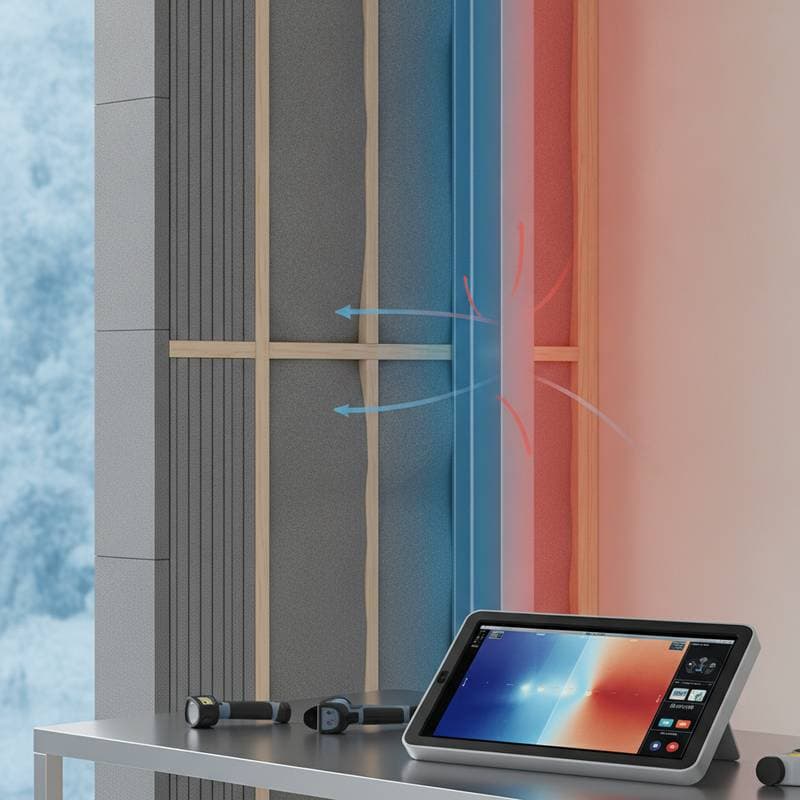
Windows permit light entry, yet they also admit undesired heat. In areas characterized by warm climates or extended sunny periods, untreated glass contributes nearly one-third of the cooling load. Even double-pane configurations allow considerable solar radiation to penetrate. This phenomenon elevates indoor temperatures over time, compelling heating, ventilation, and air conditioning systems to operate more intensively.
Such ongoing demand elevates energy expenses and accelerates wear on air conditioning equipment. Homeowners in humid regions or those prone to heat waves face amplified challenges. Prolonged sun exposure further degrades flooring, artwork, and upholstery, imposing additional concealed expenses.
The Smart Solution: Benefits of Window Film Retrofits
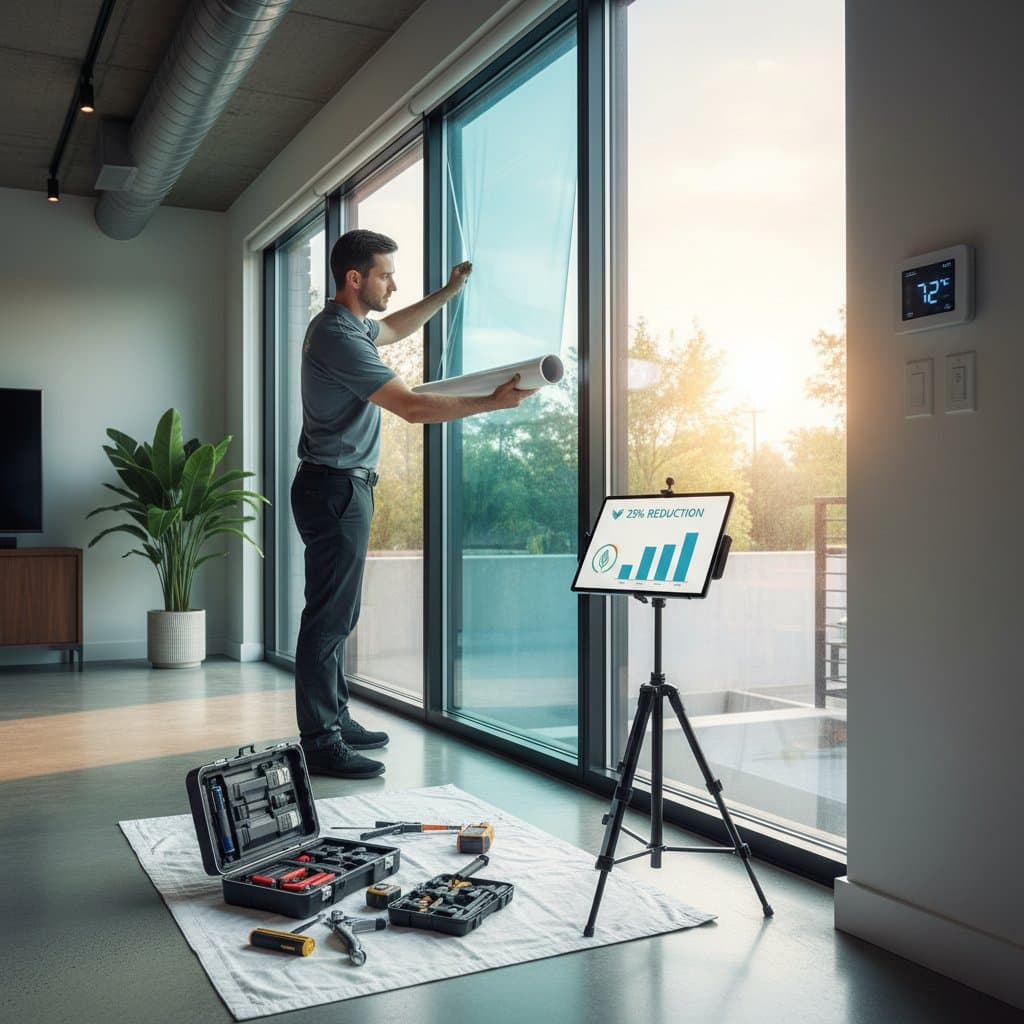
A window film retrofit applies a slim, transparent or tinted layer to existing glass surfaces. This layer acts as a selective barrier, filtering sunlight prior to its entry into the home. Outcomes include stabilized indoor temperatures, diminished glare, and decreased ultraviolet exposure.
Through extensive field experience, I have witnessed window film applications surpass anticipated results with appropriate selection and installation. Anticipate these advantages:
- Reduced Energy Costs: High-quality films obstruct solar heat, decreasing cooling requirements by up to 25 percent.
- Enhanced Comfort: Spaces maintain cooler, more uniform temperatures during extreme heat.
- Glare Mitigation: Films diffuse intense light that otherwise reflects from screens and surfaces.
- Ultraviolet Safeguard: Standard films block more than 95 percent of ultraviolet rays, protecting interior elements.
- Privacy Improvement: Select tints provide daytime seclusion without excessively dimming rooms.
Expert Guidance for Optimizing Home Energy Efficiency
Choosing an appropriate film proves essential. Amid numerous available varieties, decisions hinge on home orientation, prevailing climate, and existing window specifications. Consider these strategies:
1. Assess Window Orientation
- South- and west-facing windows endure the greatest solar intensity. Opt for reflective or dual-reflective films in these locations.
- North- and east-facing windows benefit from spectrally selective films that retain natural light transmission while blocking ultraviolet rays.
2. Select Appropriate Film Categories
- Reflective Films: Provide robust heat rejection and glare management, suited to high-sunlight zones.
- Spectrally Selective Films: Preserve visible light levels while targeting infrared heat, ideal for those prioritizing transparency alongside efficiency.
- Low-Emissivity Films: Incorporate insulating properties to conserve indoor heat in winter months.
3. Opt for Professional Installation
Professional services ensure optimal outcomes for extensive retrofits. Technicians prepare surfaces meticulously and apply films without bubbles, safeguarding performance and longevity. Experts verify compatibility with current glazing to avoid thermal stress or seal breaches.
4. Integrate with Complementary Upgrades
Window films yield superior results within a comprehensive energy plan. Combine them with:
- Attic insulation to regulate temperatures in upper areas.
- Smart thermostats for automated climate control.
- LED lighting to eliminate supplementary heat generation.
These combinations foster synergistic savings, promoting year-round balance and efficiency in the home.
Essential Factors for Retrofit Planning
Investment and Return on Investment
Professional installation costs range from $5 to $12 per square foot. For a typical residence, expenses fall between $800 and $2,400. Although this represents a reasonable outlay, energy reductions recoup the investment in two to four years. Long-term residency maximizes benefits from sustained utility savings.
Regional Climate and Compliance
In humid environments, films that curb solar gain and glare assist in humidity regulation indoors. Colder regions favor low-emissivity options that redirect heat inward during winter.
Prior to proceeding, review local building codes and association guidelines. Certain areas impose reflectivity restrictions for aesthetic harmony. Established installers manage these verifications.
Upkeep and Durability
Premium films endure up to 20 years with basic care. Clean using a soft cloth and ammonia-free solution. Refrain from abrasive methods to preserve surface integrity.
Conduct yearly inspections for edge adhesion or bubbling. Early detection facilitates timely replacement, sustaining peak performance.
Quantifiable Energy and Ecological Advantages
Each kilowatt-hour conserved from lowered cooling needs diminishes emissions. Reductions of 20 to 25 percent in energy consumption shrink household carbon output. This equates to the environmental impact of several mature trees or removing a compact vehicle from roads for a year.
Dr. Maria Jensen, a sustainable design researcher, stated, "Window films rank among the most straightforward retrofits, delivering quantifiable climate and comfort enhancements. They embody practical sustainability."
Practical improvements extend to daily life. Reduced glare supports focused remote work sessions. Cooler environments improve rest and alleviate heating, ventilation, and air conditioning system burdens.
Steps to Achieve a Cooler, More Sustainable Residence
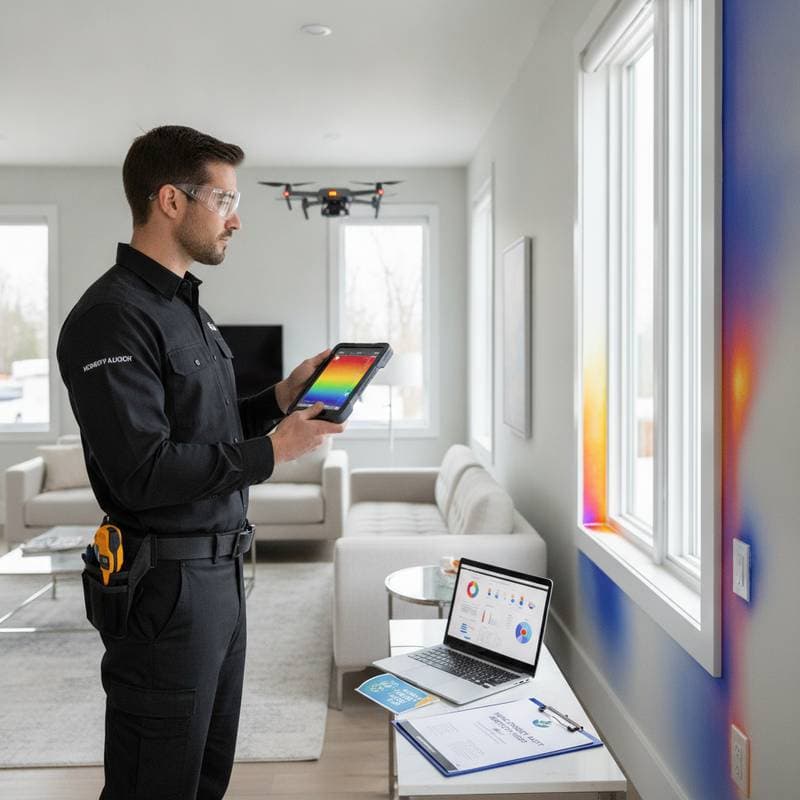
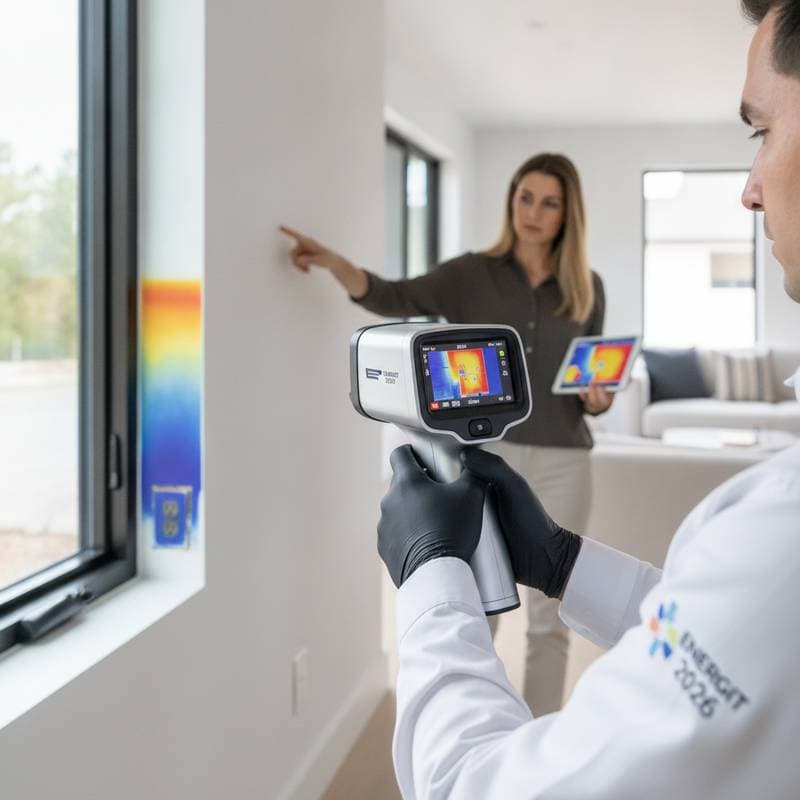
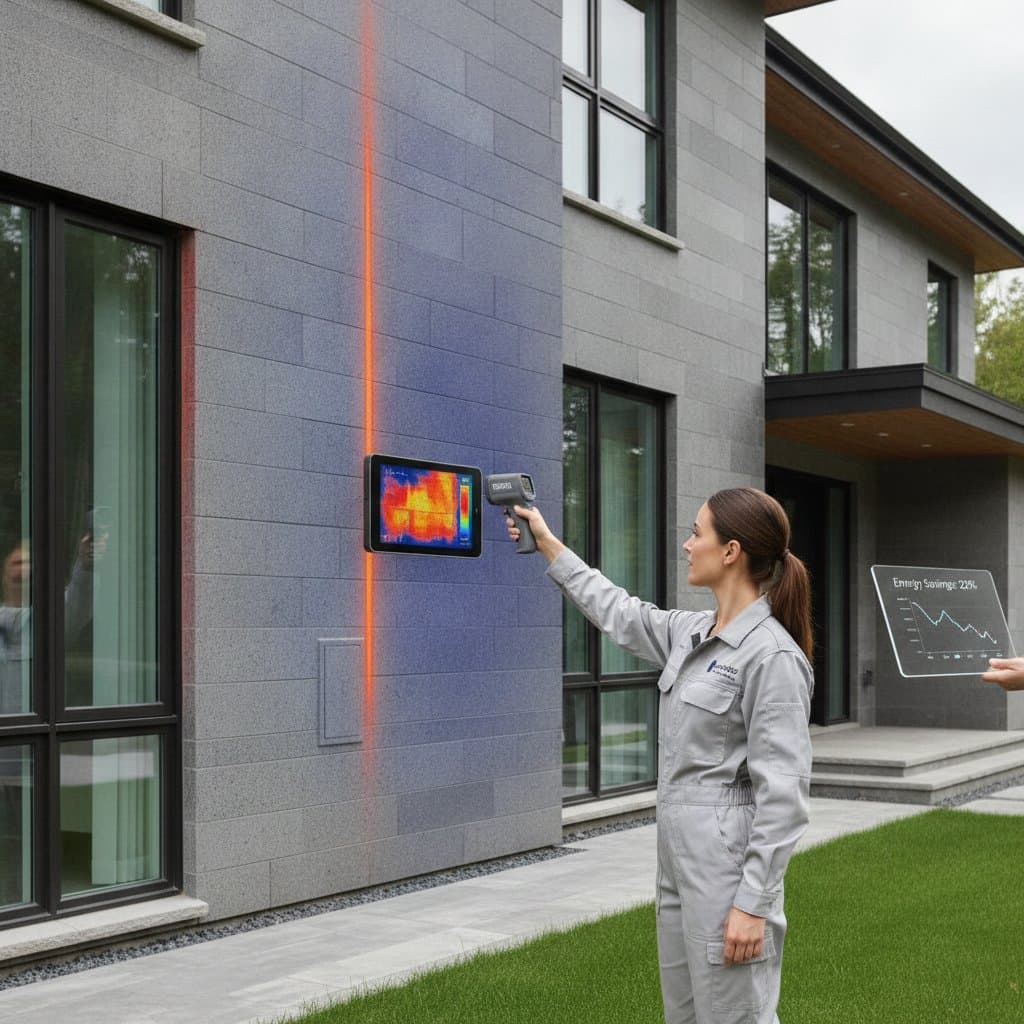
- Conduct a Home Energy Audit: Pinpoint primary thermal vulnerabilities.
- Solicit Multiple Proposals: Evaluate film options, warranties, and installer credentials.
- Request Material Samples: Evaluate clarity and shading on a trial area.
- Time the Installation: Select temperate days to optimize adhesion.
- Monitor Outcomes: Review utility statements over months to quantify savings.
Homeowners who document results remain engaged in further efficiencies. Observable declines in costs validate sustainable investments.
Contact vetted green building specialists via our platform for tailored assessments. They evaluate specific conditions and suggest optimal films for energy equilibrium and visual appeal.
This retrofit converts standard windows into efficient components aligned with local climate. The outcome yields a serene, temperate, and eco-conscious living space that aligns with personal needs and planetary health.
Frequently Asked Questions
Q: How long does professional window film installation require?
A: Residential projects typically conclude in one day. Extensive properties or intricate designs might require a second day, with limited interruption to routines.