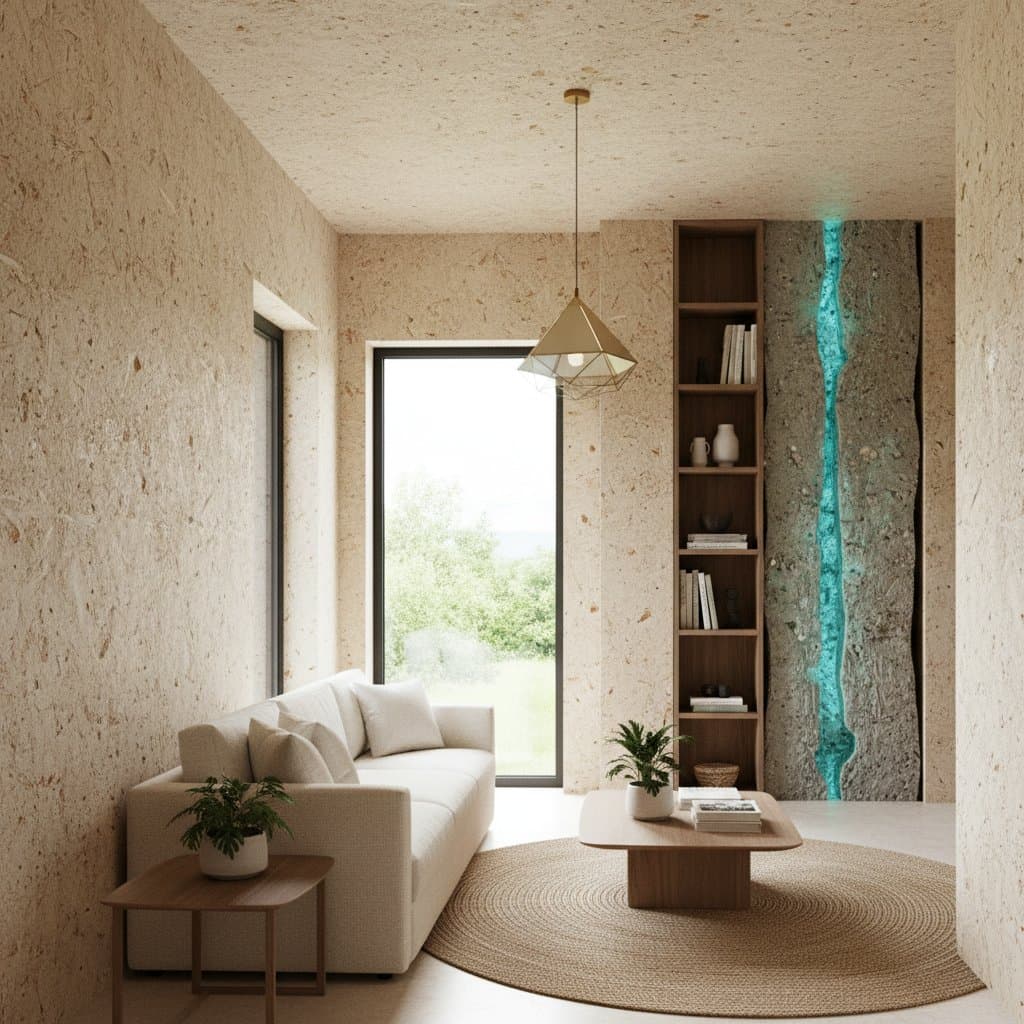
Rethinking Sustainable Wall Materials
Picture a residence where walls interact seamlessly with the surrounding climate. They maintain steady temperatures, balance moisture levels, and sequester atmospheric carbon. Such innovation exists today through hempcrete, a bio-based material reshaping the landscape of green construction.
Property owners seek insulation solutions that extend beyond basic thermal barriers. They desire options that minimize ecological harm and foster healthier interiors. Hempcrete delivers on these priorities, blending functionality with aesthetic versatility for contemporary and classic architectures alike.
The Composition and Mechanism of Hempcrete
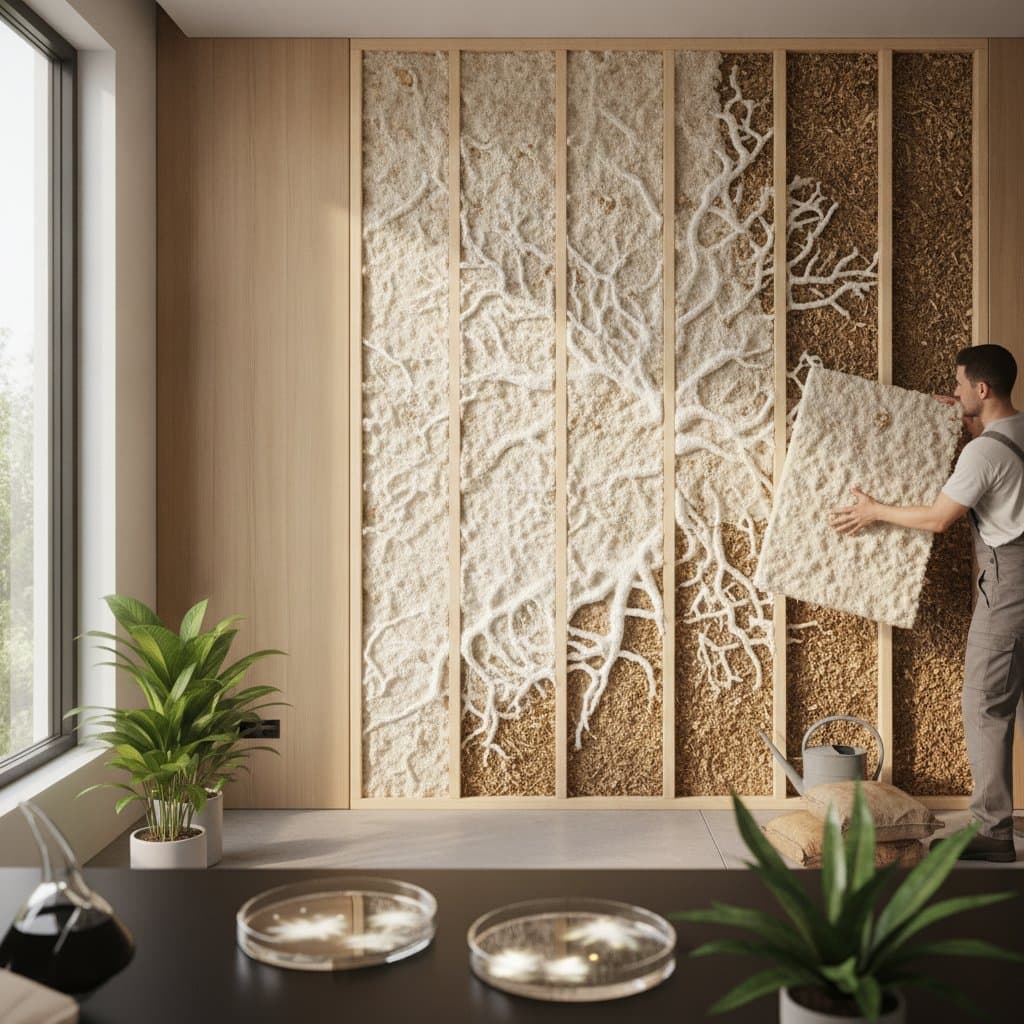
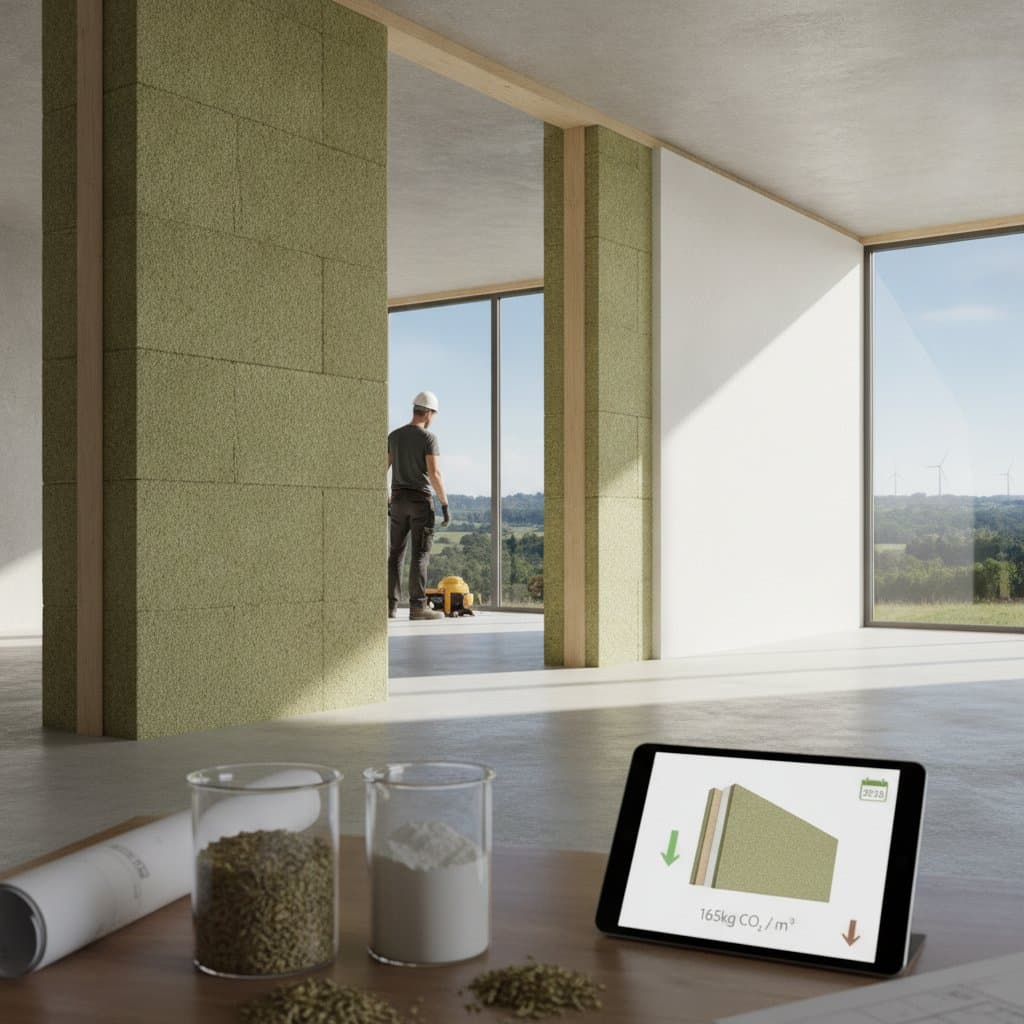
Hempcrete arises from a straightforward blend of hemp plant hurds, lime binder, and water. These elements combine to produce a lightweight, vapor-permeable substance suitable for molding into wall forms or blocks. Upon curing, it solidifies into a robust insulator that perpetually captures carbon dioxide via the lime's carbonation process.
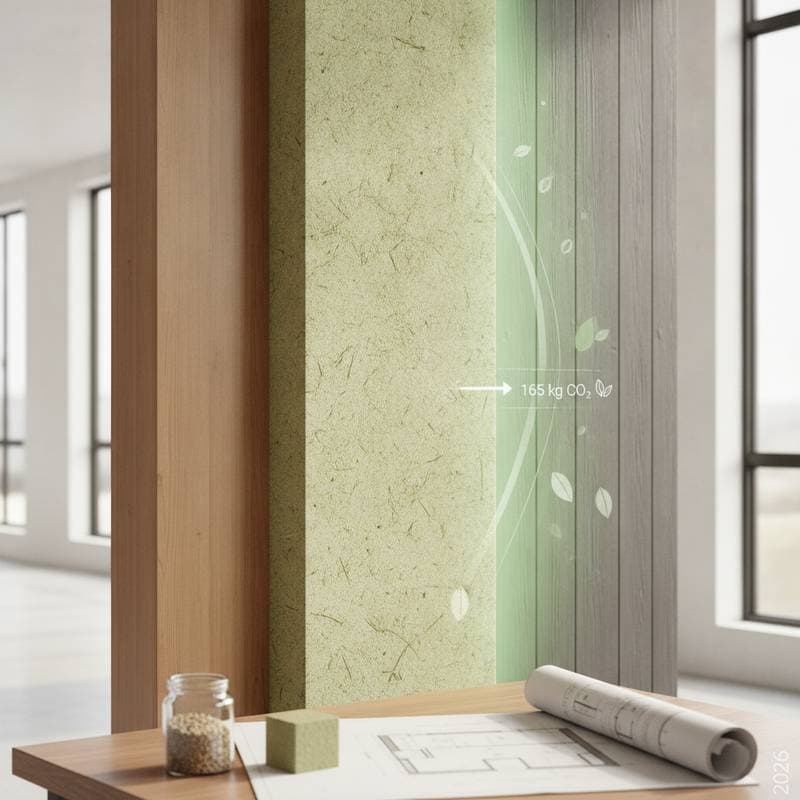
This sequestration process carries substantial weight. Studies indicate that each cubic meter of hempcrete can immobilize approximately 100 to 150 kilograms of carbon. Consequently, structures employing hempcrete contribute to atmospheric carbon reduction instead of contributing to emissions.
Environmental Benefits and Practical Performance
Beyond carbon capture, hempcrete demonstrates profound ecological merits. The material decomposes naturally, poses no toxicity risks, and derives from fast-growing hemp crops. Hemp cultivation demands limited irrigation and few chemical inputs, supporting soil regeneration and a reduced environmental burden.
In terms of functionality, hempcrete walls yield tangible improvements:
- Thermal Management: Its porous structure retains warmth during cold seasons and disperses it evenly, potentially decreasing energy needs by up to 40 percent relative to traditional insulators.
- Humidity Regulation: The composition absorbs excess vapor and releases it as conditions shift, averting mold growth and promoting superior air purity.
- Sound Attenuation: The open-cell design absorbs noise effectively, fostering serene living spaces.
- Fire Safety: The lime components confer inherent resistance to flames, eliminating reliance on synthetic treatments.
Evaluating Costs and Long-Term Value
Hempcrete installation often exceeds the expense of standard fiberglass or foam alternatives initially. Costs vary by region, skilled labor requirements, and supply chains, ranging from moderate to elevated. Nevertheless, reduced operational demands frequently recoup the premium over time.
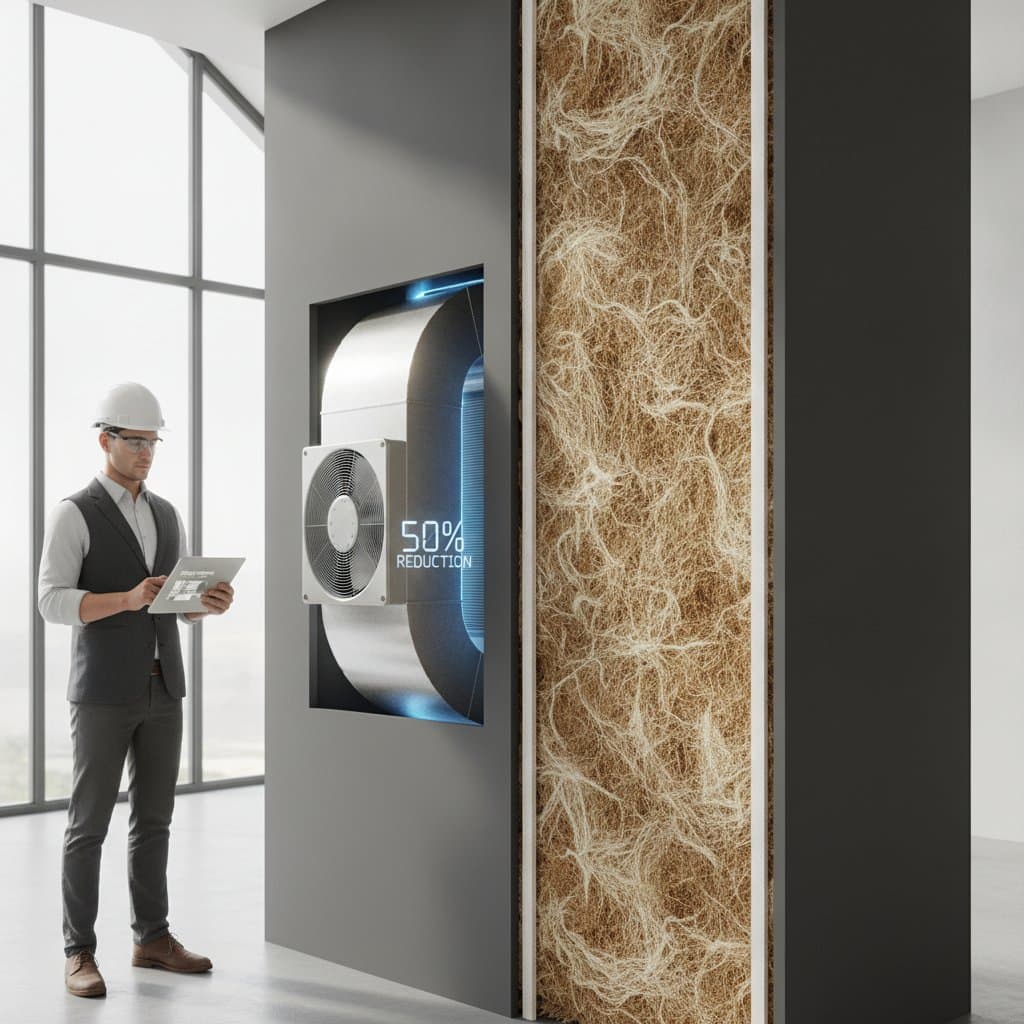
Optimized hempcrete applications can slash heating and cooling bills by 30 to 50 percent, influenced by local weather and architectural features. Across a typical 30-year homeownership span, these efficiencies may yield savings amounting to tens of thousands of dollars. Properties featuring natural builds also attract premium market prices, as discerning buyers value health and sustainability.
Financing avenues such as eco-focused loans and efficiency mortgages facilitate adoption. These programs acknowledge the merits of green materials, easing upfront financial hurdles for committed owners.
Implementation and Construction Essentials
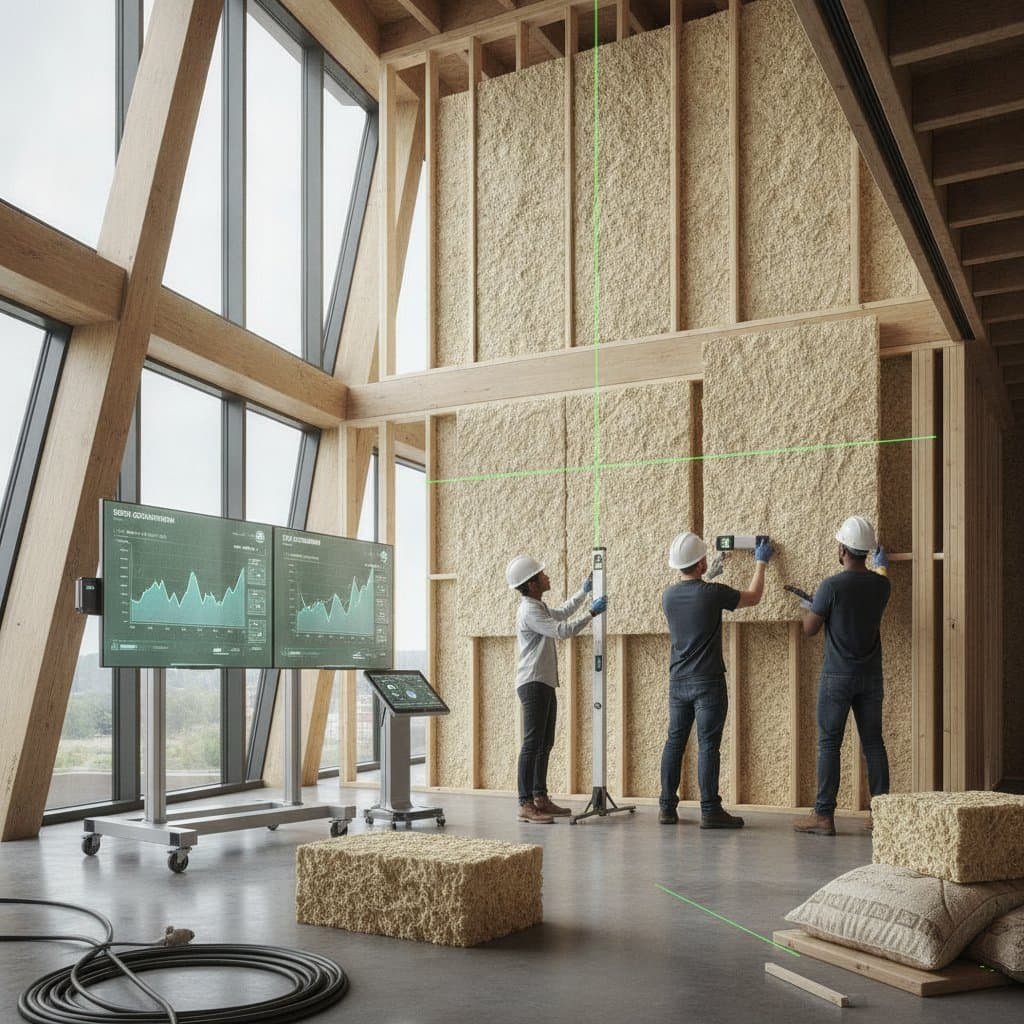
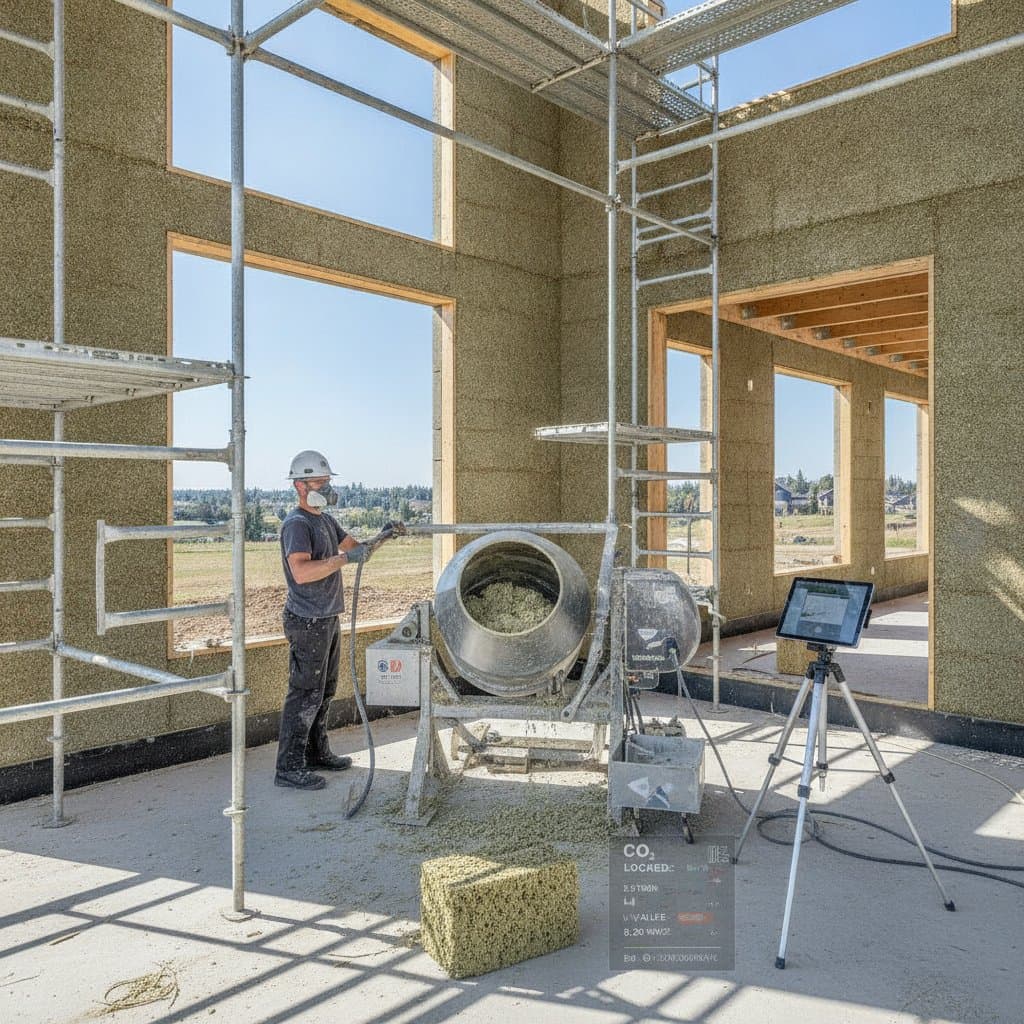
Hempcrete construction demands targeted expertise, though it relies on accessible techniques. Workers cast the mixture around wooden or metal frameworks within temporary molds. The curing phase spans weeks, yielding a vapor-open yet sturdy barrier.
While adept enthusiasts may handle modest undertakings, experts advise professional involvement for comprehensive wall systems. This ensures adherence to safety standards and regional regulations. Hempcrete commonly serves as non-load-bearing infill or insulation, integrating effectively with framed supports.
Upkeep remains straightforward. Resistant to insects, fungi, and combustion, hempcrete sustains efficacy for generations with nominal care. Periodic renewal of lime coatings preserves both durability and visual elegance.
Clarifying Frequent Inquiries
Does hempcrete comply with regulations universally?
Building standards differ across locales, yet hemp products secure broader approval progressively. Authorities might necessitate performance validations for insulation and stability.
What finishes suit hempcrete?
Breathable options like lime or clay plasters prove ideal. Impermeable synthetic layers disrupt the material's moisture dynamics and warrant avoidance.
How does hempcrete differ from concrete?
Lighter and less compact, hempcrete lacks structural capacity for bases or primary supports. It surpasses concrete in insulating properties, vapor handling, and carbon mitigation.
Is hempcrete viable for upgrades?
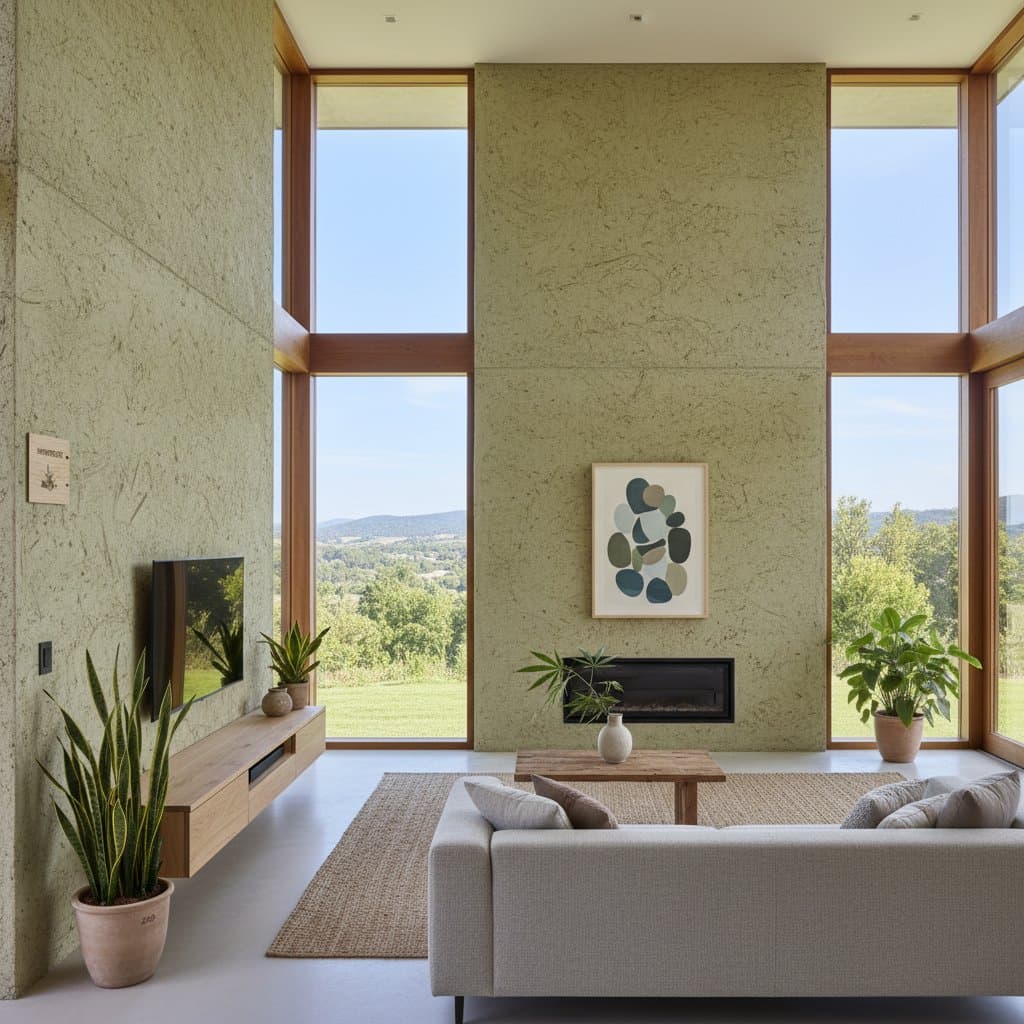
Yes, it integrates well into retrofits as interior linings or wall enhancements. Owners frequently apply it to revitalize heritage structures without altering their essence.
Steps to Integrate Hempcrete in Your Build
Prospective builders should engage specialists versed in natural composites. Commission energy simulations tailored to your site's conditions and design to forecast savings accurately.
Pair hempcrete with complementary practices, including solar-optimized layouts, water collection systems, and non-toxic coatings. This integrated strategy amplifies efficiency, comfort, and asset longevity.
Hempcrete transcends mere substitution. It redefines walls as allies in environmental stewardship, fostering homes that sustain both inhabitants and the planet.