Key Points
- Induction kitchen retrofits lower energy consumption by up to 30 percent relative to gas cooking systems.
- Rebate initiatives and electrification programs reimburse 20 to 50 percent of initial expenses.
- Homeowners should assess electrical infrastructure and cookware suitability before proceeding with the switch.
- Persistent advantages encompass decreased utility payments, reduced upkeep needs, and improved indoor air quality.
- The modification elevates property worth while supporting sustainability goals and preserving cooking effectiveness.
The Hidden Cost of Cooking with Gas
Homeowners frequently value the visible flame provided by gas stoves for its reassuring feedback. That feature, however, incurs a steep hidden price. Gas appliances dissipate heat into the surrounding environment, waste energy, and release nitrogen dioxide and carbon monoxide straight into the kitchen.
These emissions build up gradually and affect household health. They also elevate regular utility charges. Across vast numbers of homes, the collective environmental burden grows substantial.
Shifting to induction cooking surpasses simple equipment substitution. It introduces a smarter strategy for energy oversight that balances user satisfaction, accurate temperature regulation, and cost-effectiveness. Families adopting induction setups report lower energy expenditures, increased safety measures, and contributions to broader environmental health efforts.
Why Induction Retrofits Make Financial Sense
Induction kitchen retrofits generate returns via immediate rebates and ongoing efficiency gains. The starting investment appears considerable, but payback occurs faster than expected for most users.
Upfront Costs and Incentives
A dependable induction range costs between $1,000 and $3,000. Electrical modifications for setup typically add $300 to $800. Rebate schemes and federal incentives for electrification frequently cover 20 to 50 percent of these outlays.
For an example installation totaling $2,500, a $1,000 rebate brings the net expense down to $1,500. Monthly savings of $15 to $25 emerge from typical cooking habits and local energy prices, leading to full recovery in two to four years.
Operating Efficiency
Induction systems channel 85 to 90 percent of energy directly into the cookware. Gas stoves, by comparison, reach only 30 to 40 percent efficiency because heat vents upward and outward. This direct method yields faster boiling, reduced surrounding warmth, and overall cooler kitchen spaces.
Users experience less strain on air conditioning in warmer seasons. Household energy demands drop noticeably, enhancing the economic upside.
Maintenance and Longevity
Induction appliances remove gas burners, pilot lights, and combustion parts that demand regular attention. The flat glass-ceramic top cleans easily with basic wiping, and digital controls last longer when shielded from liquids.
In a decade, these attributes save hundreds in repair fees. The units demonstrate resilience, frequently surpassing gas counterparts in routine applications.
Environmental and Health Advantages
Induction benefits reach past financial aspects to promote healthier environments and reduced ecological strain.
Cleaner Air Indoors
Gas stoves raise indoor nitrogen dioxide levels above acceptable outdoor thresholds. Prolonged contact contributes to breathing difficulties and lasting health risks. Induction sidesteps combustion, using electromagnetic fields to heat cookware internally.
No emissions result from this method. Households, especially those with infants or older adults spending extended time inside, enjoy markedly purer kitchen atmospheres.
Lower Carbon Footprint
Induction ranges pair well with renewable sources like solar installations or green utility plans. Over its lifespan, one unit prevents hundreds of pounds of greenhouse gas emissions compared to a gas model.
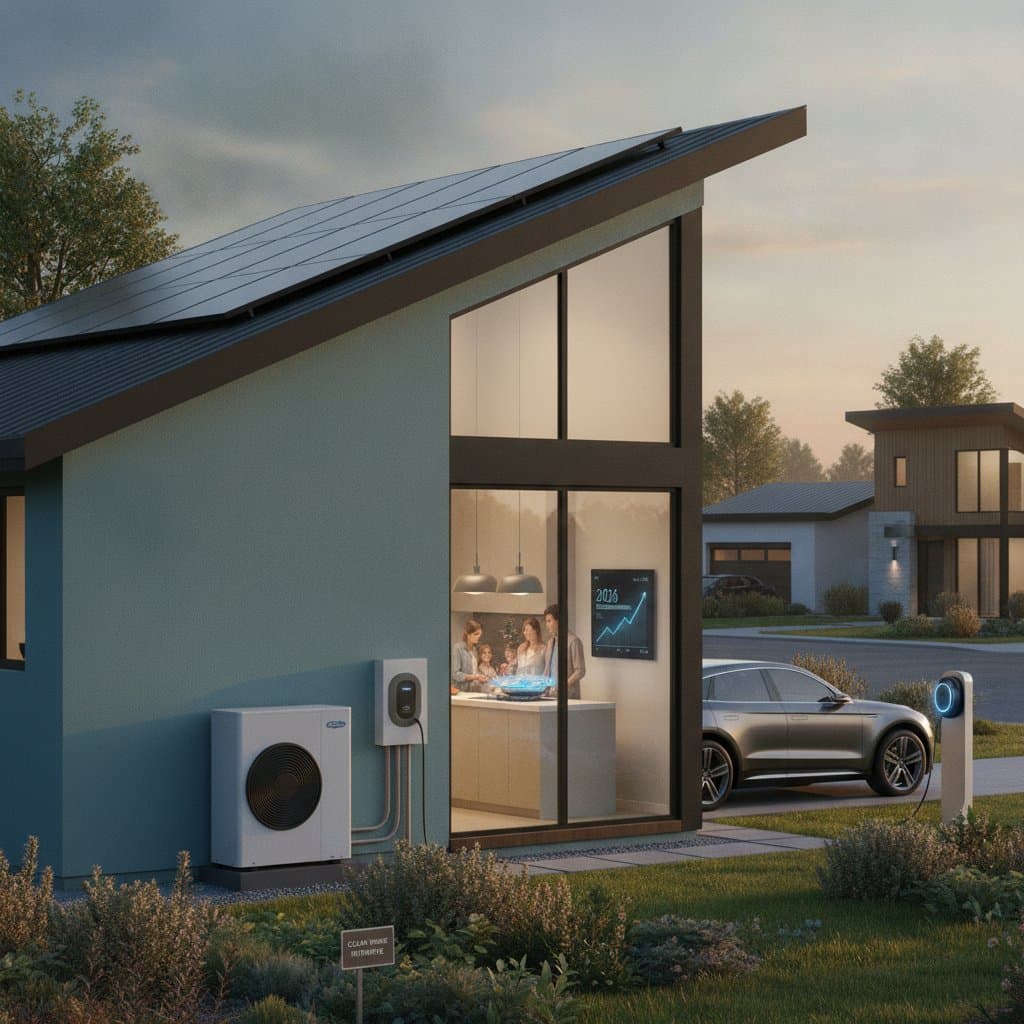
For those committed to sustainability, this shift supports larger electrification projects. It integrates smoothly with heat pumps, energy-efficient water heaters, and electric vehicle charging stations to build a thorough home energy system.
Planning a Gas-to-Electric Conversion
Thorough preparation facilitates a seamless move from gas to induction. Start by examining the kitchen's electrical framework and layout.
Assessing Power Requirements
Standard induction ranges require a dedicated 240-volt circuit rated at 40 to 50 amps. Structures from before 1980 may need panel upgrades or additional breakers. Hire a certified electrician to evaluate wiring and confirm load capacity.
Portable induction burners offer a low-commitment option. These devices operate on 120-volt outlets and range from $100 to $400. They enable testing of induction advantages without extensive alterations.
Addressing Cookware Compatibility
Induction works solely with ferromagnetic substances. Cast iron and magnetic stainless steel perform reliably, while aluminum, glass, or non-magnetic copper do not respond.
Conduct a magnet check: secure attachment to the pan bottom indicates suitability. Allocate $100 to $300 for new items if necessary. Superior cookware often provides enhanced heat distribution and consistent results.
Professional Installation
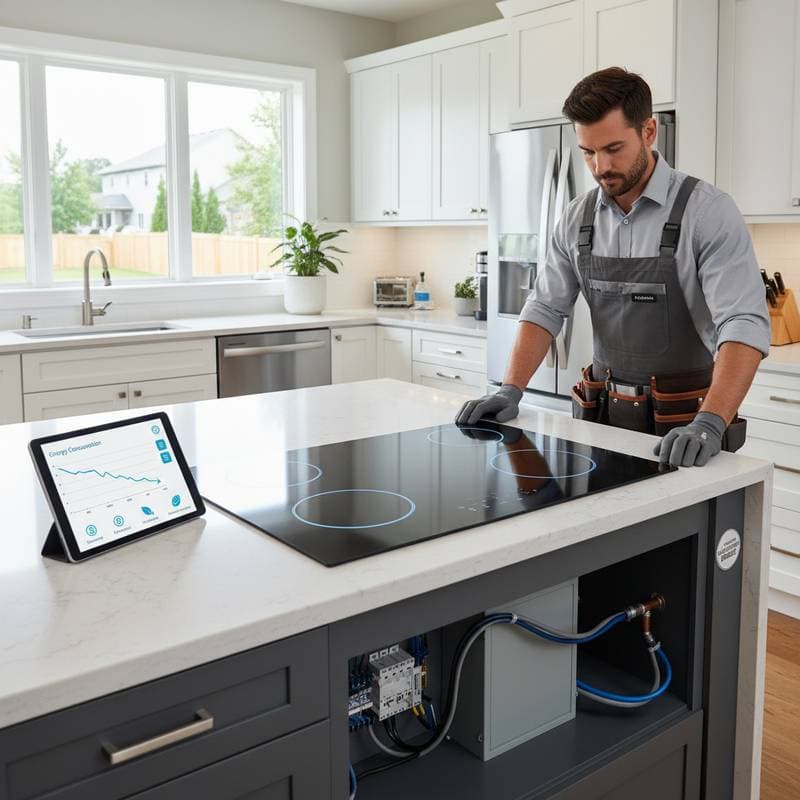
Self-installation poses hazards with high-voltage elements. Experts ensure proper wiring, grounding, and code compliance. For major kitchen refreshes, work with designers to fit the induction unit into current countertops and storage.
This professional input avoids issues such as poor airflow or incorrect dimensions.
Performance and Cooking Experience
Fears of diminished responsiveness from gas prove baseless. Induction delivers advanced control that improves routine meal preparation.
Precision and Speed
Induction surfaces adjust temperatures instantly. Pots boil in roughly half the gas duration, and delicate tasks like sauces maintain even heat without scorching. Heat generates within the vessel, maintaining the cooktop below dangerous levels.
This setup reduces burn risks and supports efficient workflow in active kitchens.
Cleaning and Safety
Spills on the surface avoid baking from lingering heat. A moist cloth restores the finish quickly. Many models include auto-shutoff for unattended pots or overheating scenarios.
These features strengthen kitchen security across family dynamics.
Acoustic and Aesthetic Benefits
Induction runs silently, free from flame pops or gas hisses. Preparation areas stay quiet. The sleek profile complements modern and traditional designs alike, enhancing visual appeal.
Long-Term Value Creation
Induction enhancements yield lasting gains in equity and flexibility.
Market Appeal
Buyers seek homes with energy-efficient, all-electric capabilities. Kitchens equipped with induction and strong electrical setups fetch higher prices and sell promptly. Savvy shoppers appreciate the utility savings and contemporary functionality.
Durability and Future Proofing
These installations match evolving renewable networks and storage batteries. As energy landscapes change, electric-focused homes adapt more readily to supply variations and rate adjustments.
Lifecycle ROI
Detailed evaluations show yearly yields of 10 to 15 percent. Calculations include energy cuts, upkeep savings, and sale uplifts. Among updates, induction excels in diverse return potential.
Common Questions About Induction Kitchen Retrofits
Do I need to replace all my cookware?
Only non-magnetic items demand replacement. Most stainless steel and cast iron sets work seamlessly.
Will my electric panel handle the new range?
Modern panels support various power-intensive appliances. Legacy systems might require enhancements; engage a licensed electrician for review.
How does induction cooking affect my energy bills?
Kitchen power use drops by 30 percent against gas, with added reductions from decreased cooling requirements.
Can I still cook during power outages?
Induction relies on electricity, so interruptions stop function without reserves like solar storage or generators. Pairing with backup systems ensures continuity.
Steps to Launch Your Induction Upgrade
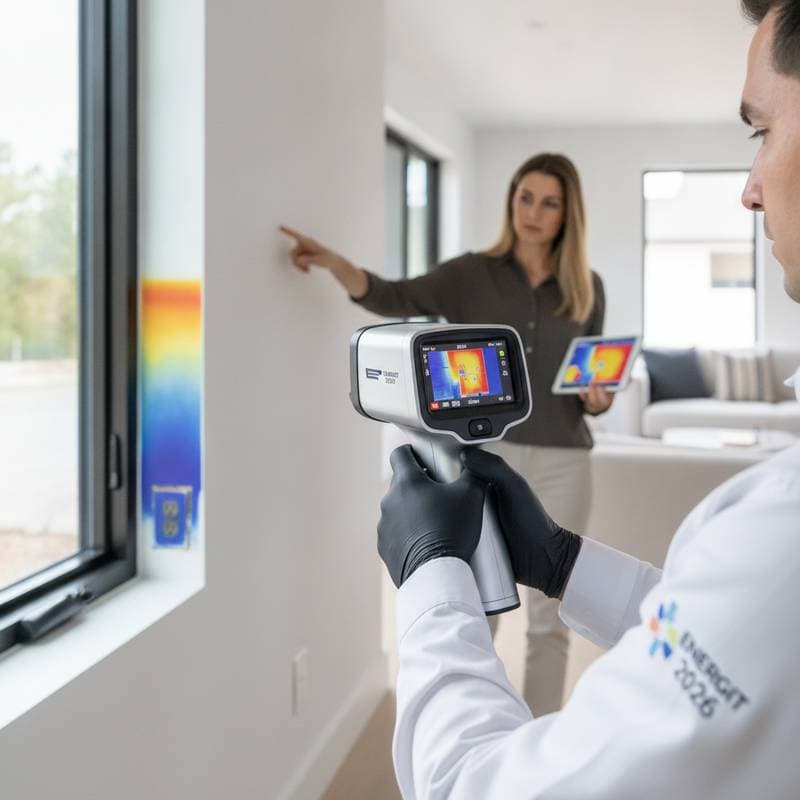
Initiate the transition from gas to induction as a targeted improvement in efficiency, health, and property strength. Arrange an energy assessment by a specialist to gauge electrical preparedness and identify available rebates.
For those hesitant about full changes, purchase a portable burner to experience quick heating, even outcomes, and cleaner air. Such trials confirm the merits of wider adoption.
Through careful planning and skilled assistance, homeowners secure meaningful cost drops, greater ease, and fortified residences. Position the kitchen as a leader in eco-friendly progress.