Introduction to All-Electric Homes and Incentives
All-electric homes rely on electricity for heating, cooling, cooking, and other needs, eliminating fossil fuel dependence. These setups promote sustainability while offering long-term savings. The 2025 tax credits, part of broader energy policies, provide homeowners with significant financial support to transition.
Federal incentives target efficiency upgrades, making adoption feasible for many budgets. Local programs often supplement these, creating layered benefits. Homeowners who plan carefully can maximize returns on investments in modern systems.
Understanding the 2025 Federal Tax Credits
The primary federal tax credit comes from the Inflation Reduction Act, offering up to 30 percent of costs for qualifying electrification projects. Eligible items include heat pumps, electric water heaters, and induction cooktops. Installation must meet energy efficiency standards to qualify.
For whole-home electrification, credits can reach substantial amounts, often covering thousands of dollars. Homeowners claim these on federal income tax returns using Form 5695. Professional audits ensure compliance and optimize credit amounts.
Solar photovoltaic systems receive similar treatment, with credits extending through 2032. Battery storage paired with solar qualifies for additional rebates. These incentives encourage comprehensive upgrades rather than piecemeal changes.
Combining Federal and Local Incentives
Layering incentives amplifies savings. Federal credits form the base, while state and utility programs add rebates. For example, certain states offer direct payments for heat pump installations beyond federal support.
Research local utility providers for targeted rebates on electric appliances. Municipal programs may cover wiring updates needed for high-efficiency systems. A combined approach can reduce net costs by 50 percent or more.
Consult energy advisors to map available programs in your area. Online databases from government agencies list current offerings. This strategy ensures no opportunity slips through.
Key Upgrades for All-Electric Homes
Heat Pumps for Heating and Cooling
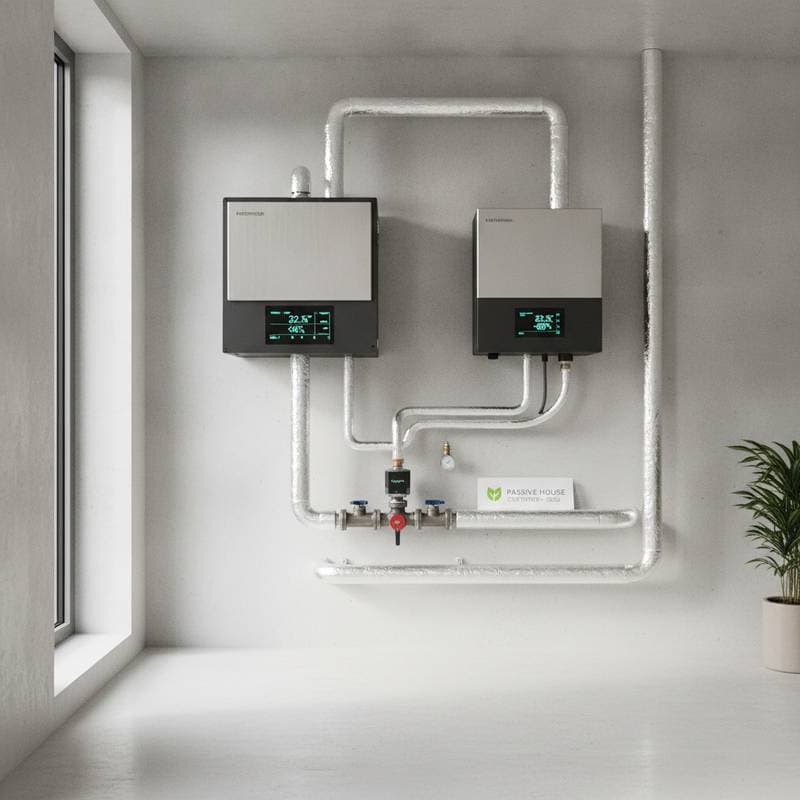
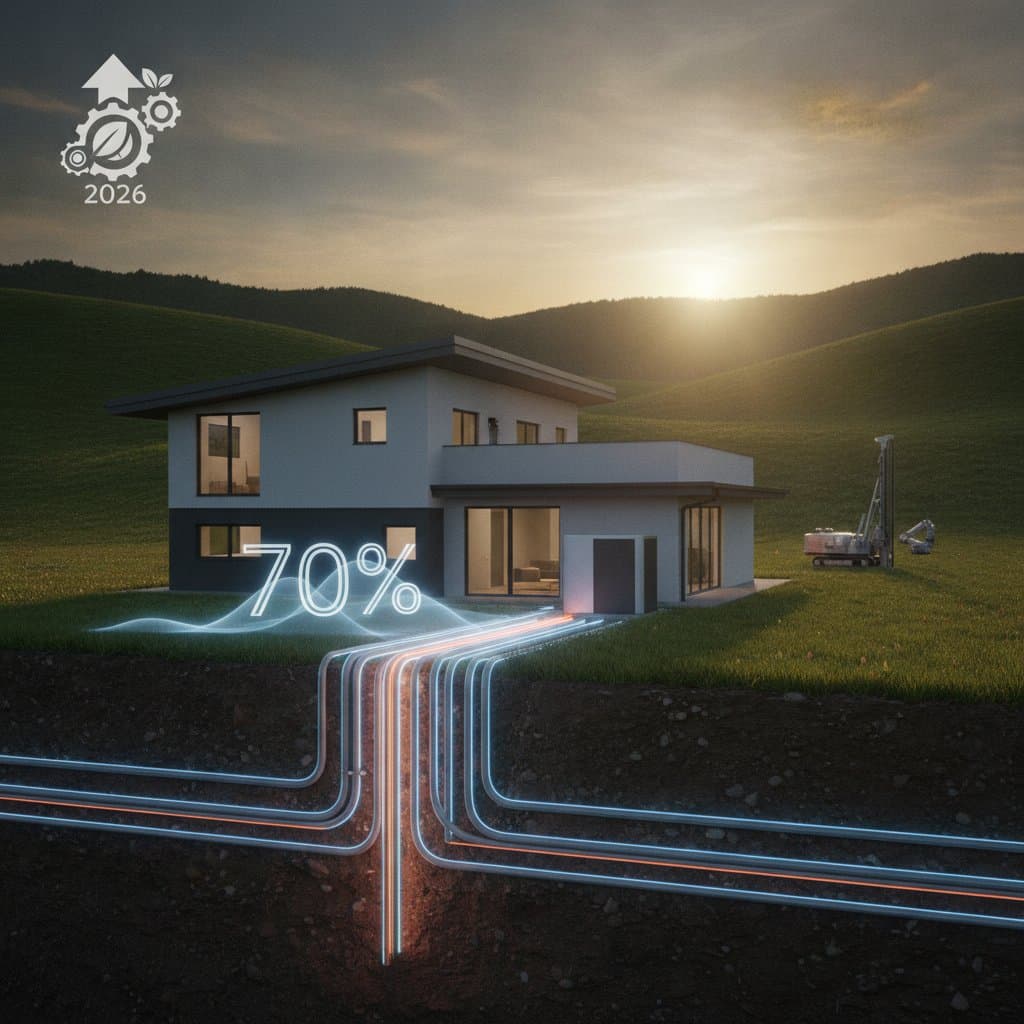
Heat pumps serve as efficient alternatives to traditional furnaces and air conditioners. They transfer heat rather than generate it, using 50 to 70 percent less energy. Models with high SEER ratings qualify for maximum credits.
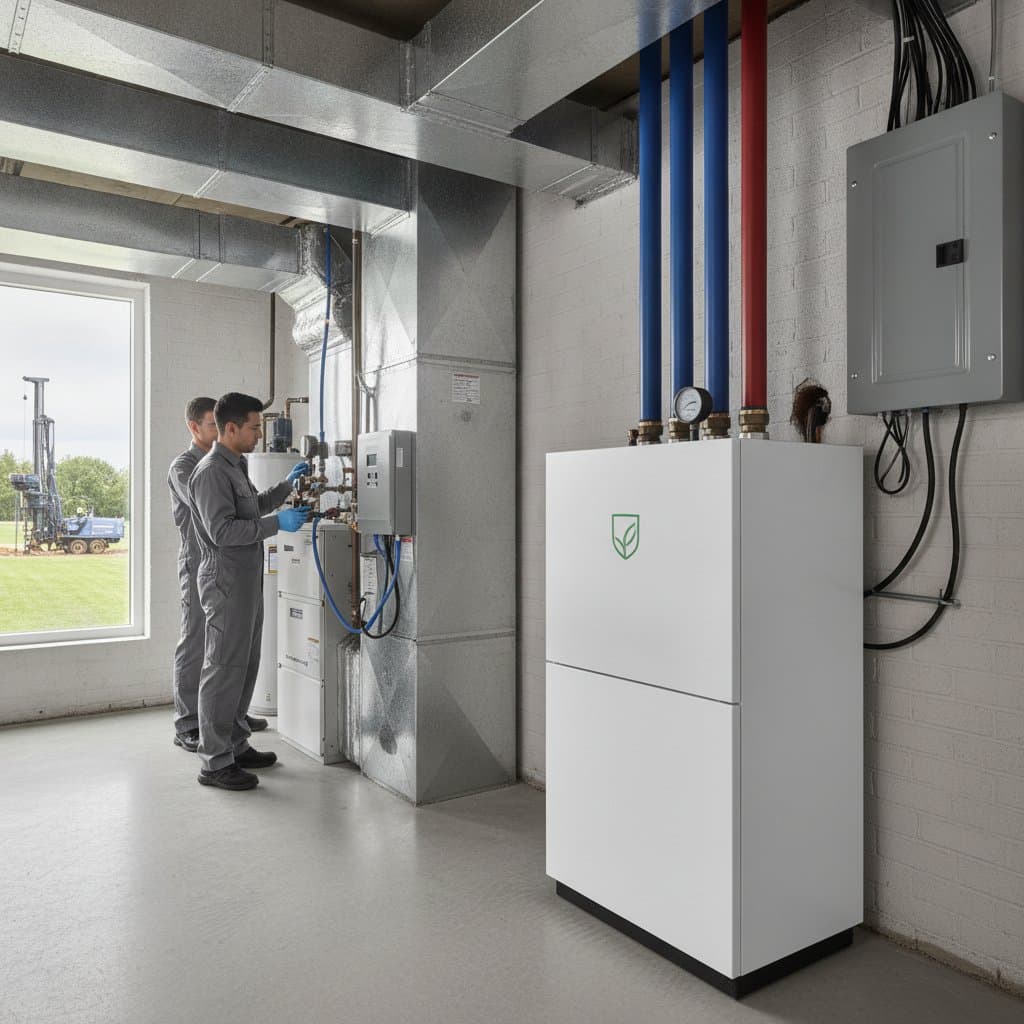
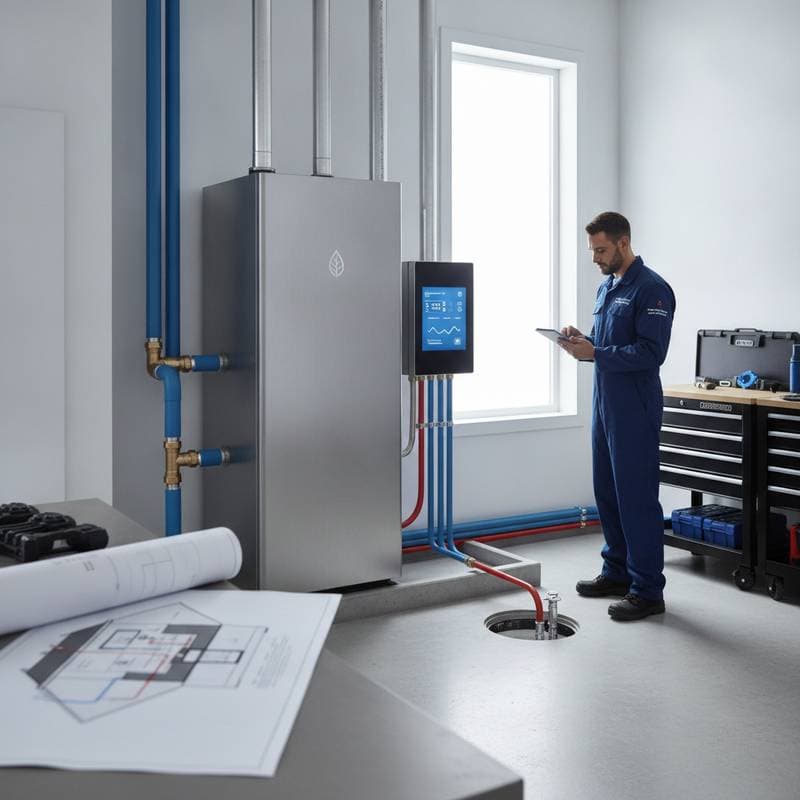
Installation involves ductwork assessment and possible modifications. Certified contractors handle sizing to match home needs. Results include consistent temperatures and improved indoor air quality.
Electric Water Heaters and Appliances
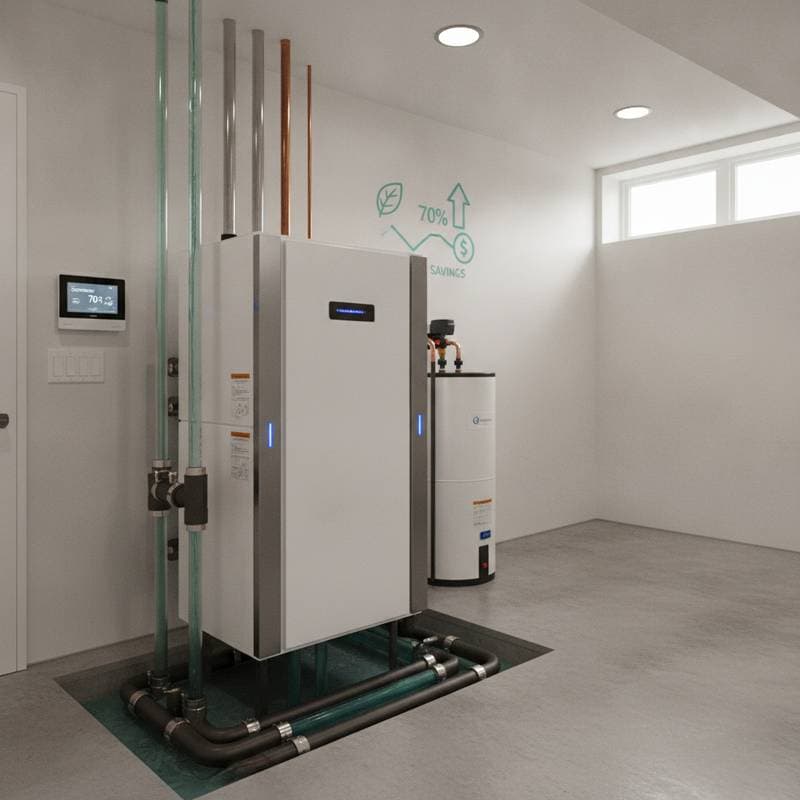
Heat pump water heaters cut hot water energy use by up to 60 percent. These units pair well with solar systems for off-peak operation. Credits apply to ENERGY STAR certified models.
Induction cooktops offer precise control and safety, replacing gas stoves. They heat pots directly, reducing kitchen heat buildup. Upgrading the electrical panel may be necessary for full functionality.
Solar Panels and Energy Storage
Rooftop solar arrays generate clean power, offsetting electricity bills. Credits cover panels, inverters, and mounting hardware. Net metering policies in many areas credit excess production.
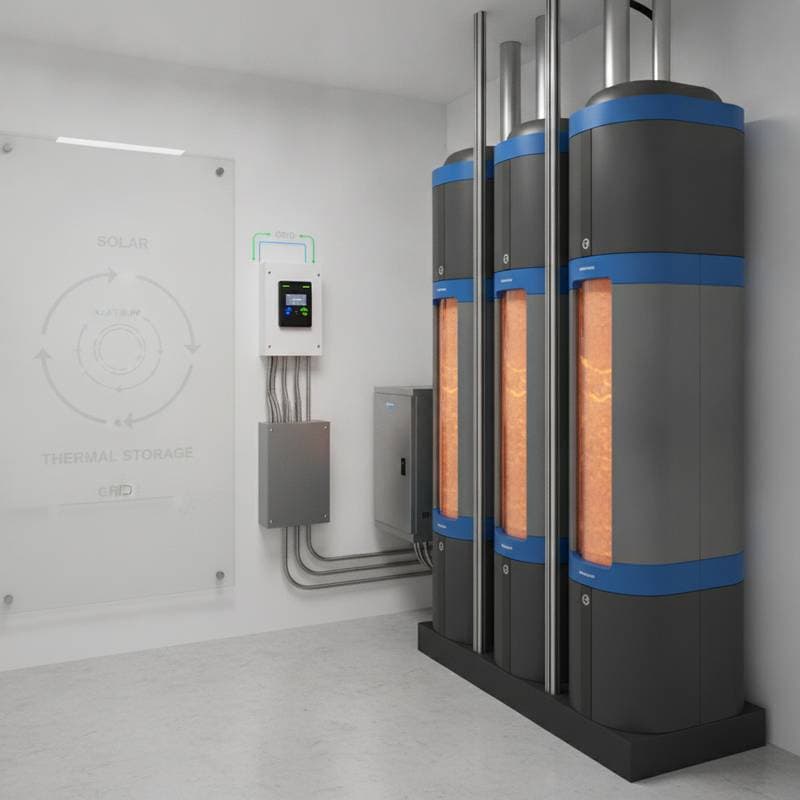
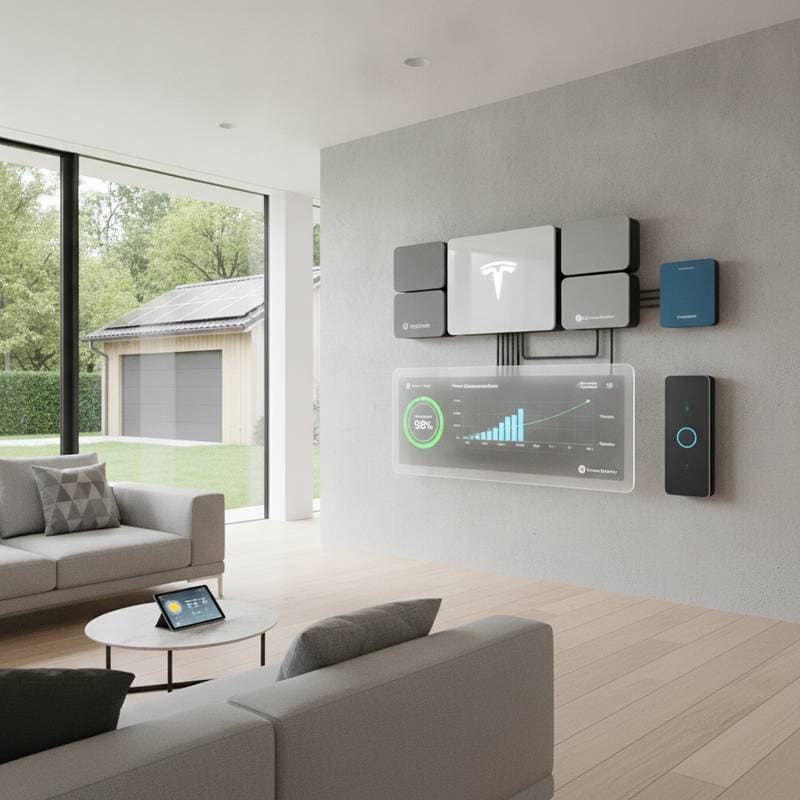
Adding battery storage ensures reliability during outages. Systems like these store daytime solar energy for evening use. Integration with smart home tech optimizes performance.
Actionable Steps to Electrify Your Home
-
Assess your current setup: Evaluate energy bills and existing appliances for inefficiencies.
-
Calculate potential savings: Use online calculators to estimate credit amounts and payback periods.
-
Select qualified professionals: Choose contractors experienced in electrification projects.
-
Apply for incentives: Gather documentation for federal and local programs before starting work.
-
Monitor and maintain: Track energy use post-installation to verify savings and system health.
These steps guide homeowners through the process, minimizing disruptions. Budget for initial costs, knowing incentives offset much of the expense.
Long-Term Benefits and Sustainability Gains
Electrified homes lower carbon footprints significantly. Reduced reliance on fossil fuels contributes to cleaner air and community health. Property values rise with energy-efficient features, appealing to eco-conscious buyers.
Energy independence grows through on-site generation and storage. Comfort improves with quieter, more responsive systems. Homeowners enjoy predictable utility costs amid fluctuating rates.
Strategic electrification positions households for future policies and technologies. Savings compound over time, supporting financial and environmental goals alike.