Thermal Bridges Drain 25% of Your Heating Budget
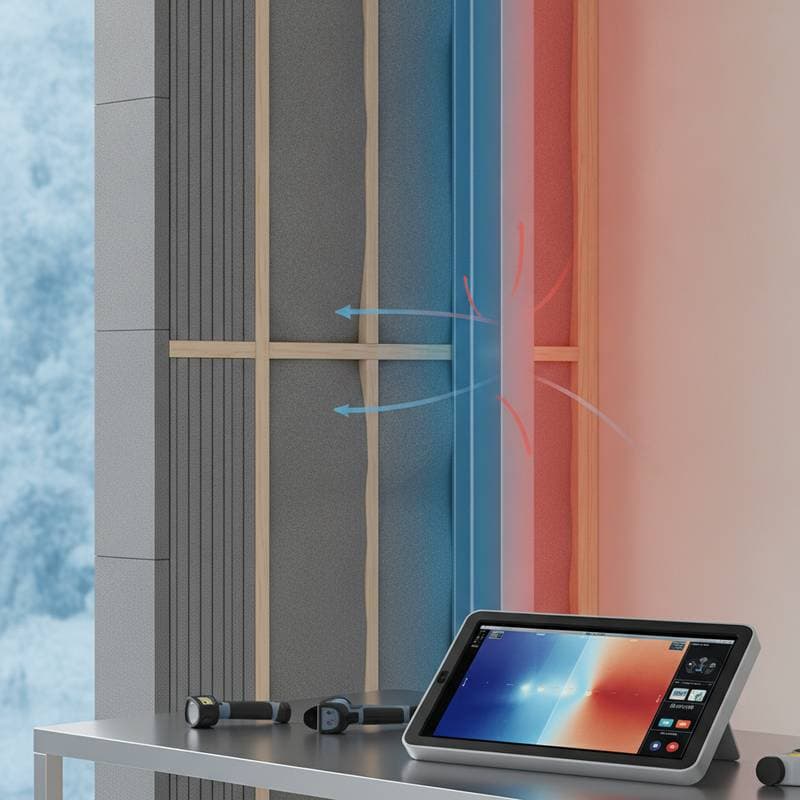
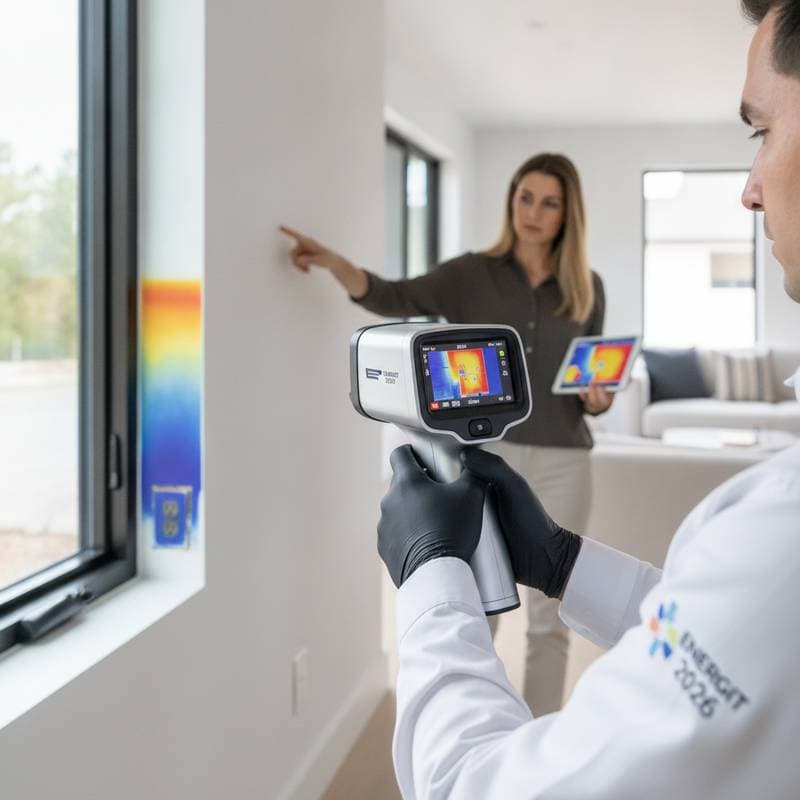
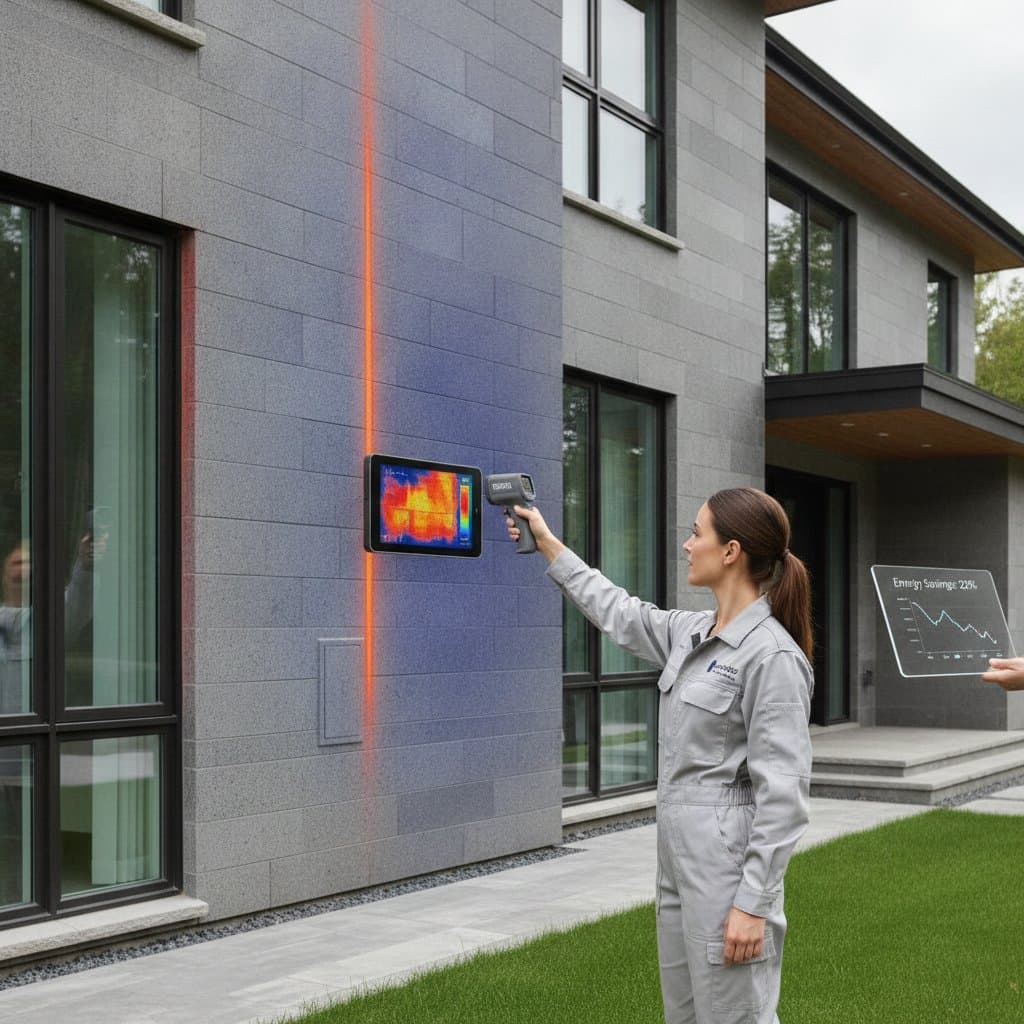
Thermal bridges create hidden cold spots that waste up to 25% of your heating energy.
Loading...
Showing articles 13 - 24 of 293
Thermal bridges create hidden cold spots that waste up to 25% of your heating energy.
The year 2025 presents an optimal opportunity to electrify your home. Enhanced technologies, substantial rebates, and superior performance position electric systems ahead of gas alternatives in terms of expense, comfort, and safety. Through induction cooking, heat pumps, and solar integration, a gradual electrification strategy substantially lowers emissions and improves daily life.
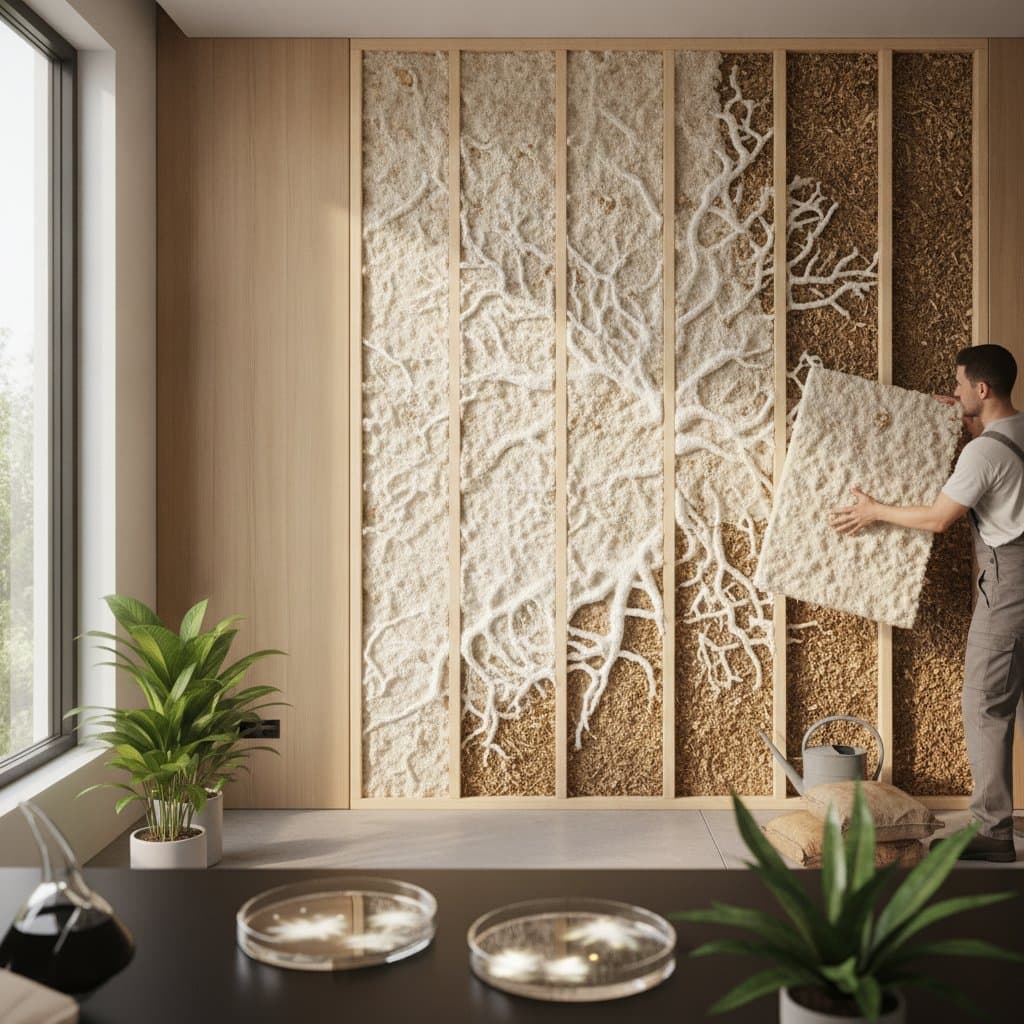
Mushroom insulation, derived from mycelium, promises to revolutionize home energy efficiency by 2025. This natural material delivers up to 40 percent savings on energy bills, biodegradability, and carbon sequestration. Free from chemicals and comparable to conventional insulators, it advances sustainable building practices. Learn how this innovative solution combines comfort, affordability, and ecological benefits for resilient homes.
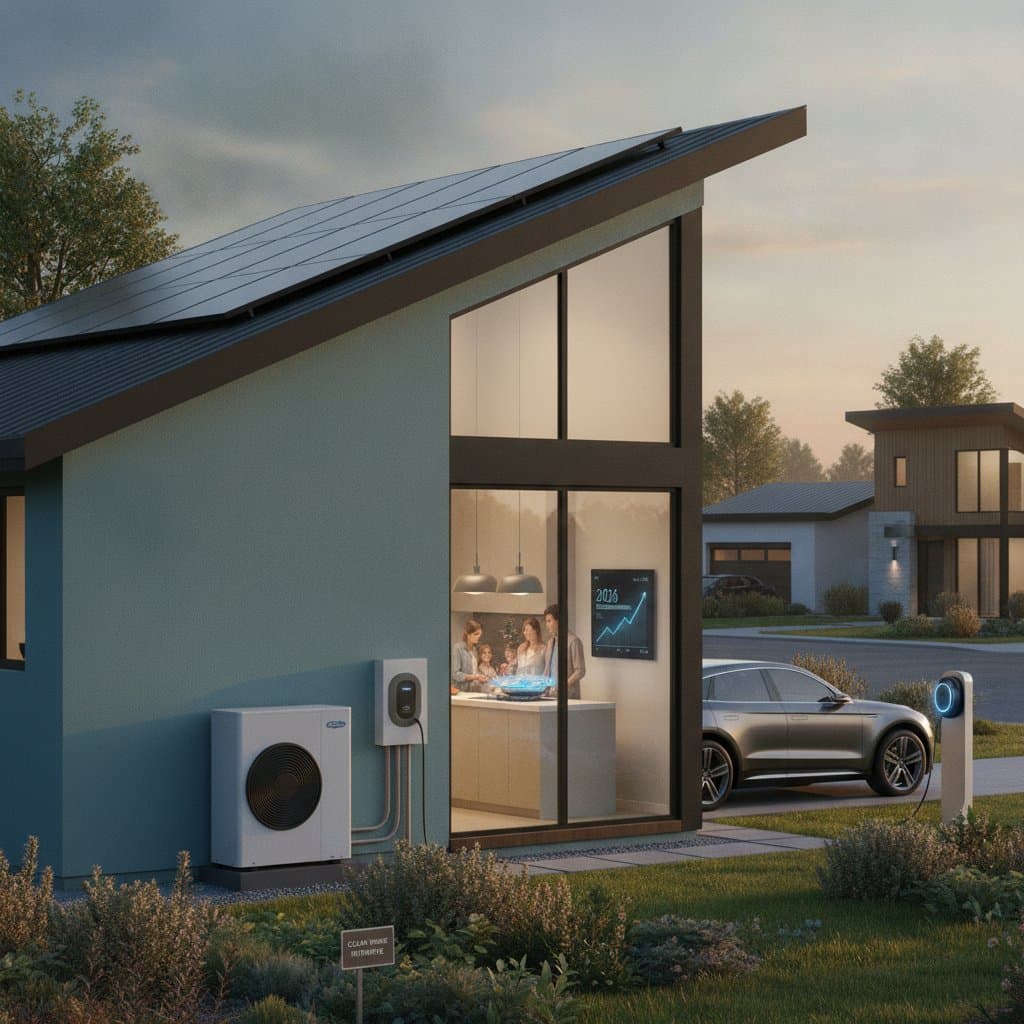
With 2025 gas bans approaching, homeowners gain opportunities to electrify their homes for substantial savings, reduced emissions, and enhanced comfort. Efficient options like heat pumps and induction cooktops deliver lower bills, cleaner air, and integration with renewable energy, supported by incentives that ease the transition.
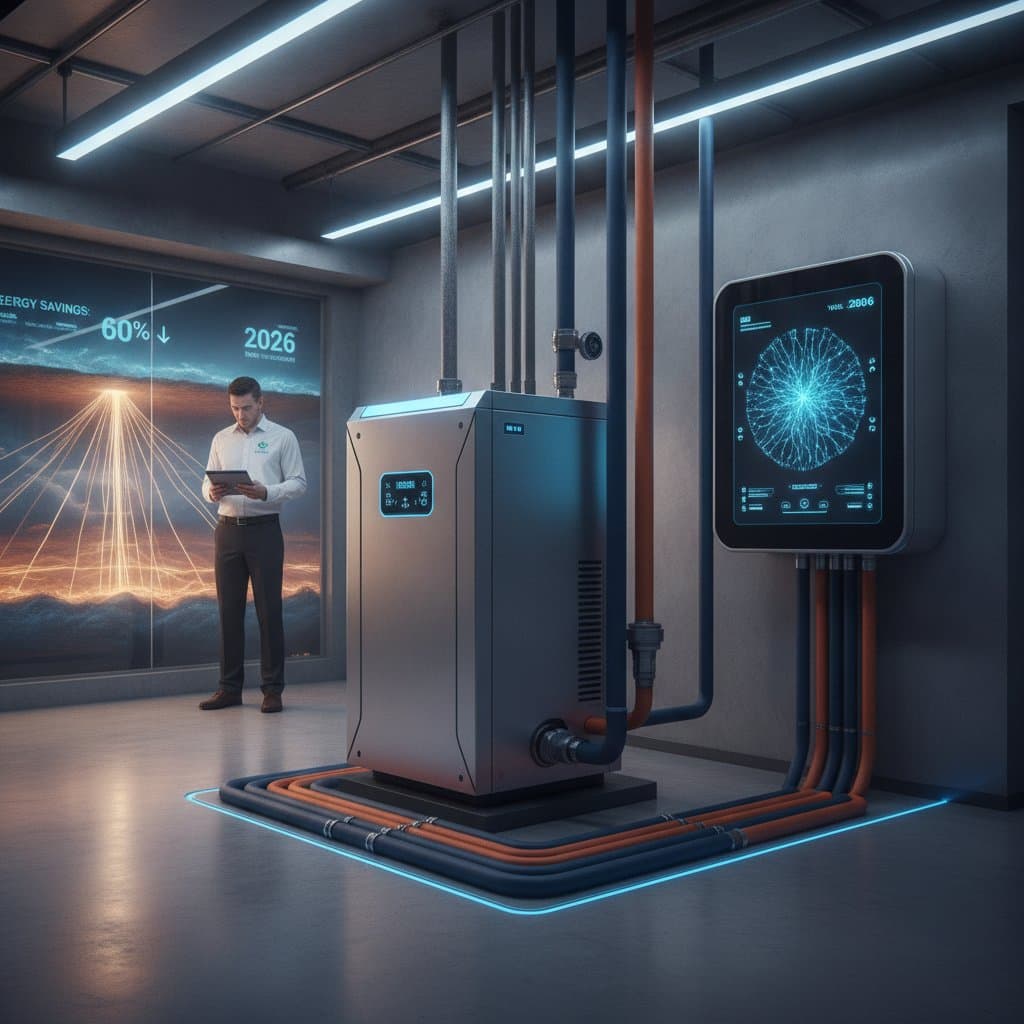
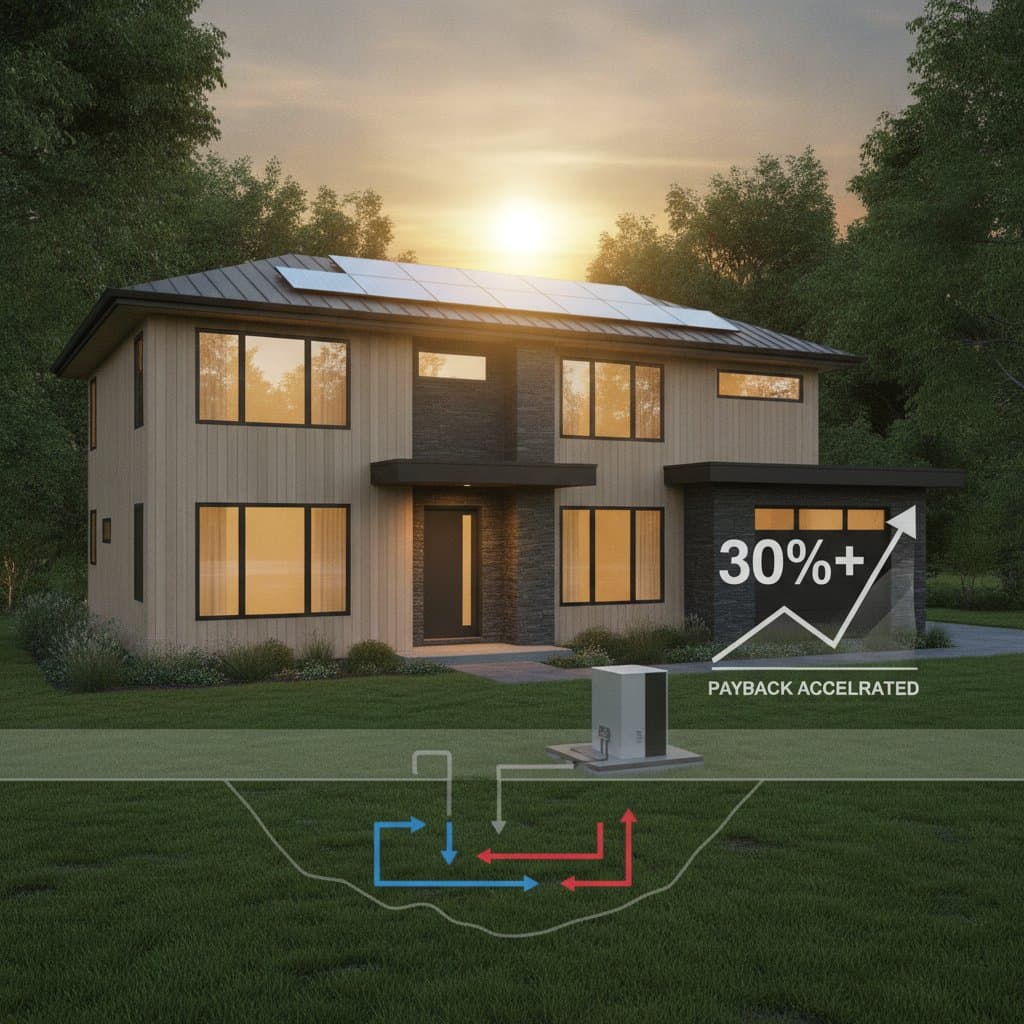
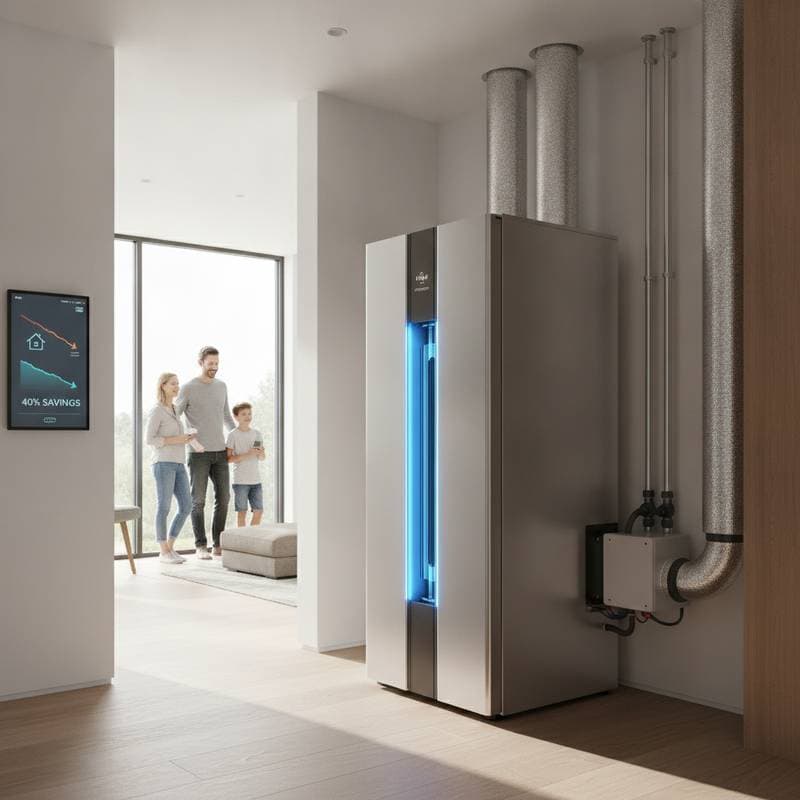
Heat pump retrofits reduce energy bills by up to 60 percent, enhance comfort levels, and lower emissions, while qualifying for significant rebates and tax credits. Options from air-source to geothermal systems, combined with intelligent design and professional installation, deliver peak efficiency, rapid payback periods, and a serene, healthier living space prepared for a renewable energy era.
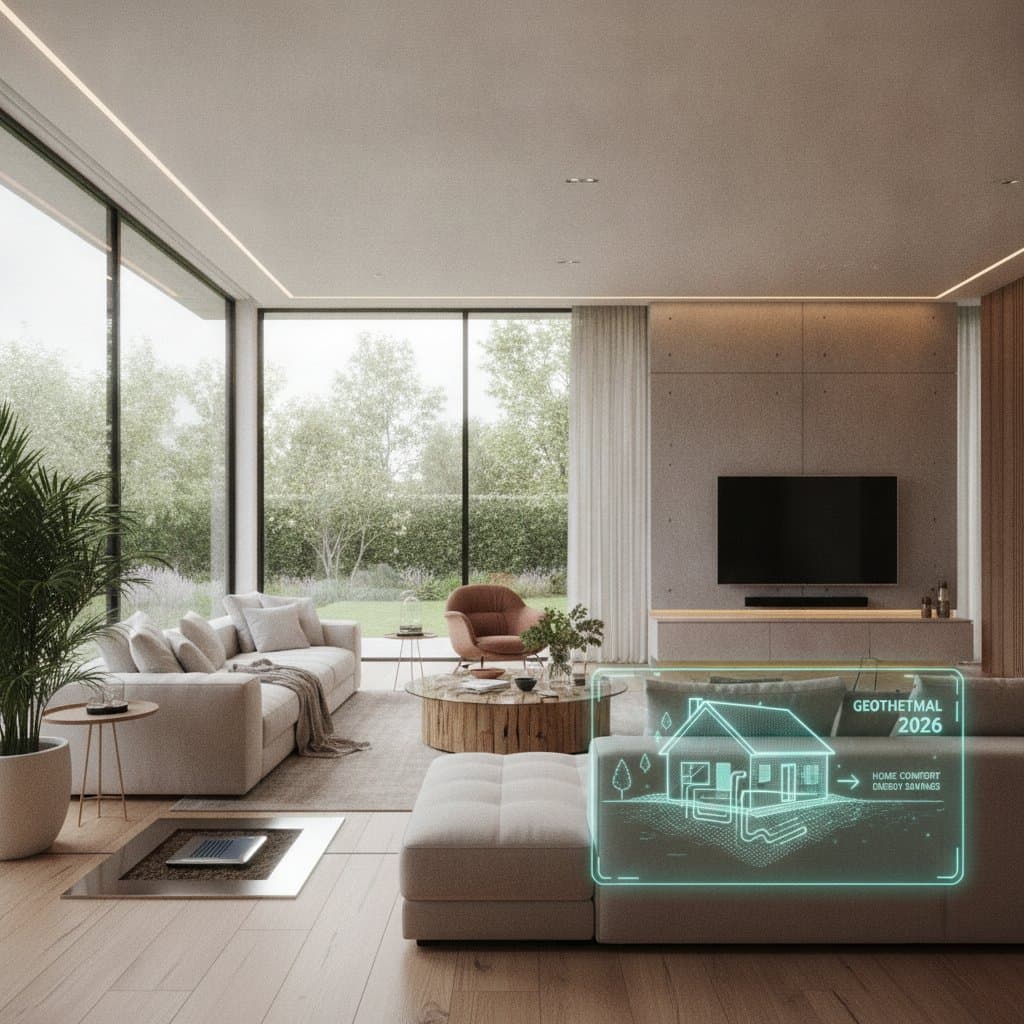
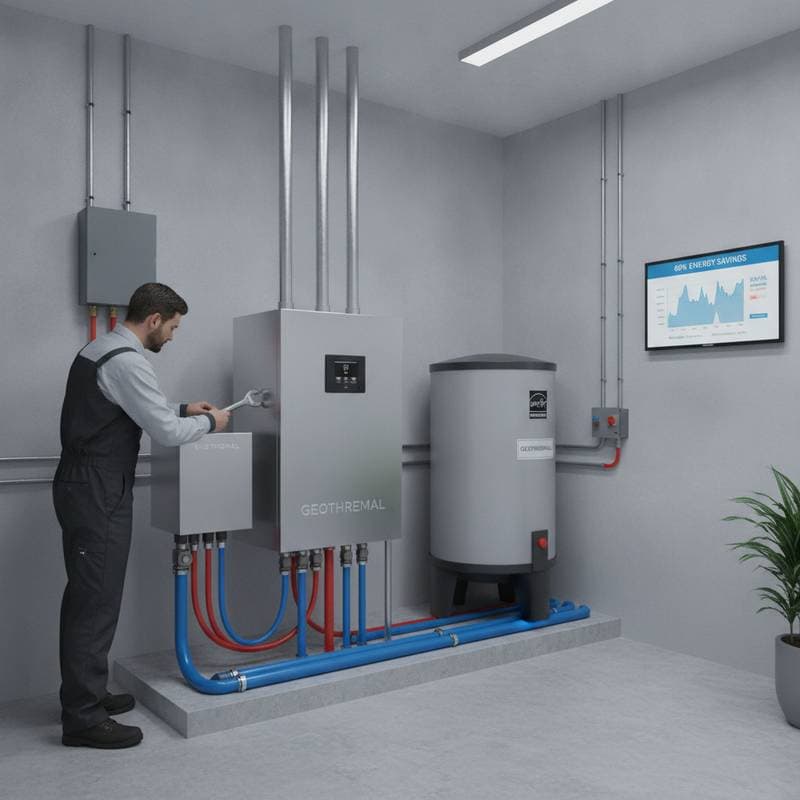
Geothermal HVAC achieves a pivotal breakthrough in 2025, blending affordability, dependability, and eco-responsibility. Technological progress, financial incentives, and adaptable designs render it viable for most residences. Expect reduced utility expenses, low upkeep, and enduring ecological gains as this innovation shifts from specialty to standard wise choice.
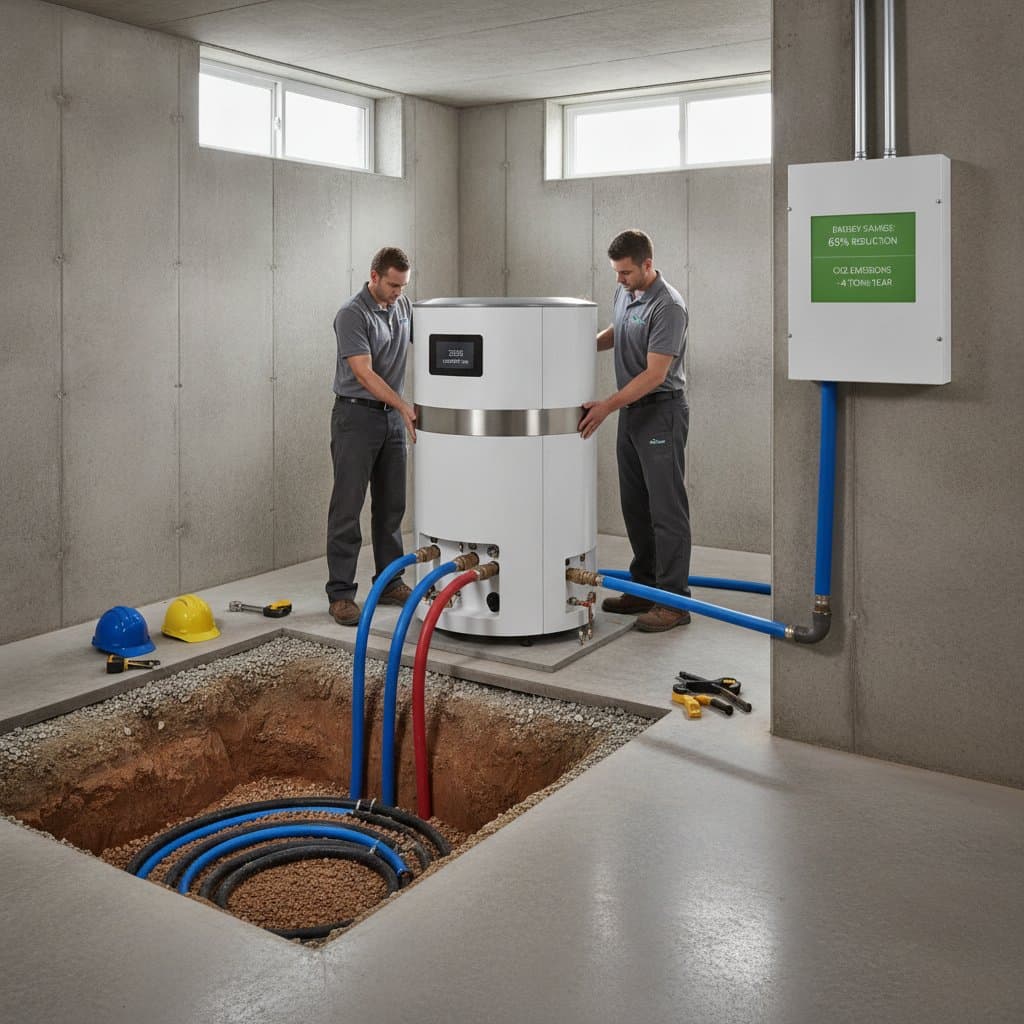
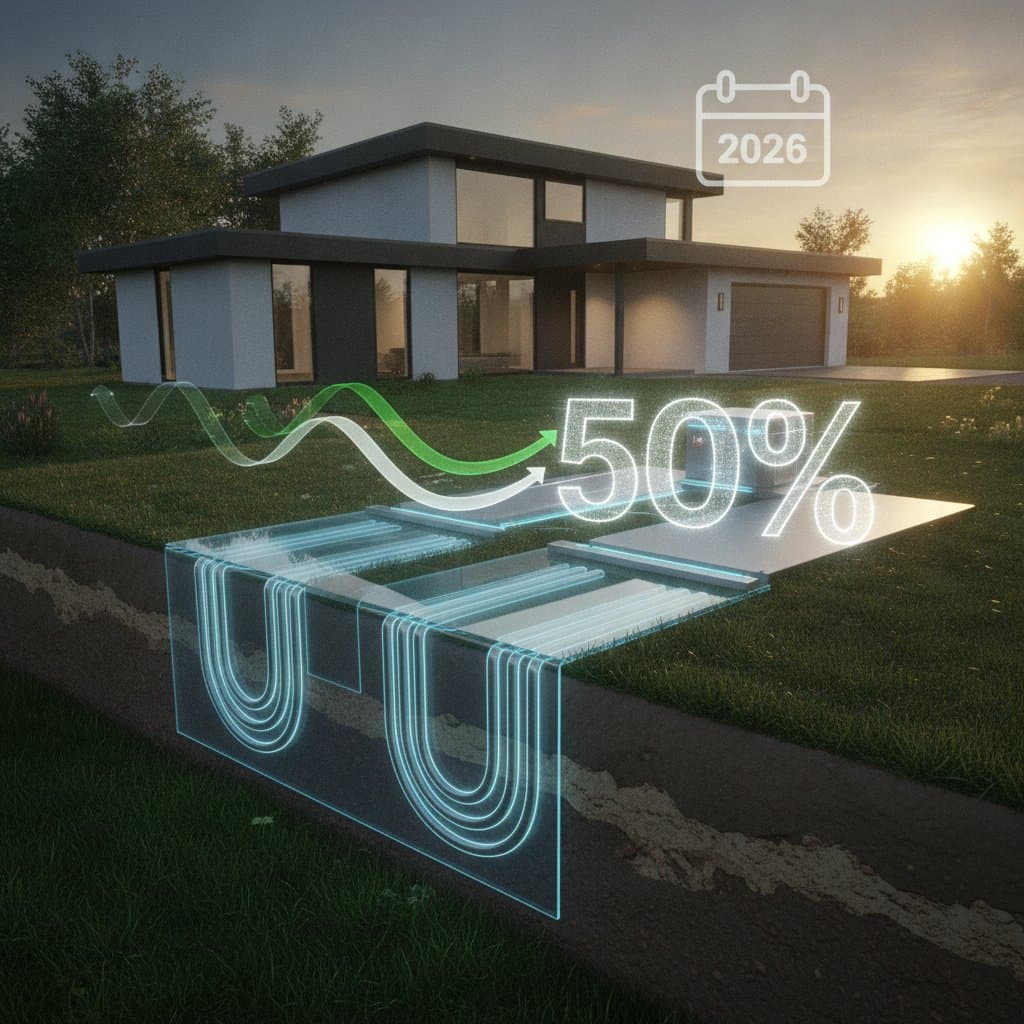
Geothermal HVAC systems now cost about half as much due to manufacturing efficiencies, refined installation methods, and generous incentives. These changes enable homeowners to access superior energy efficiency, reduced emissions, and durable performance. Discover site planning essentials, ROI calculations, and design options to turn this technology into a worthwhile investment.
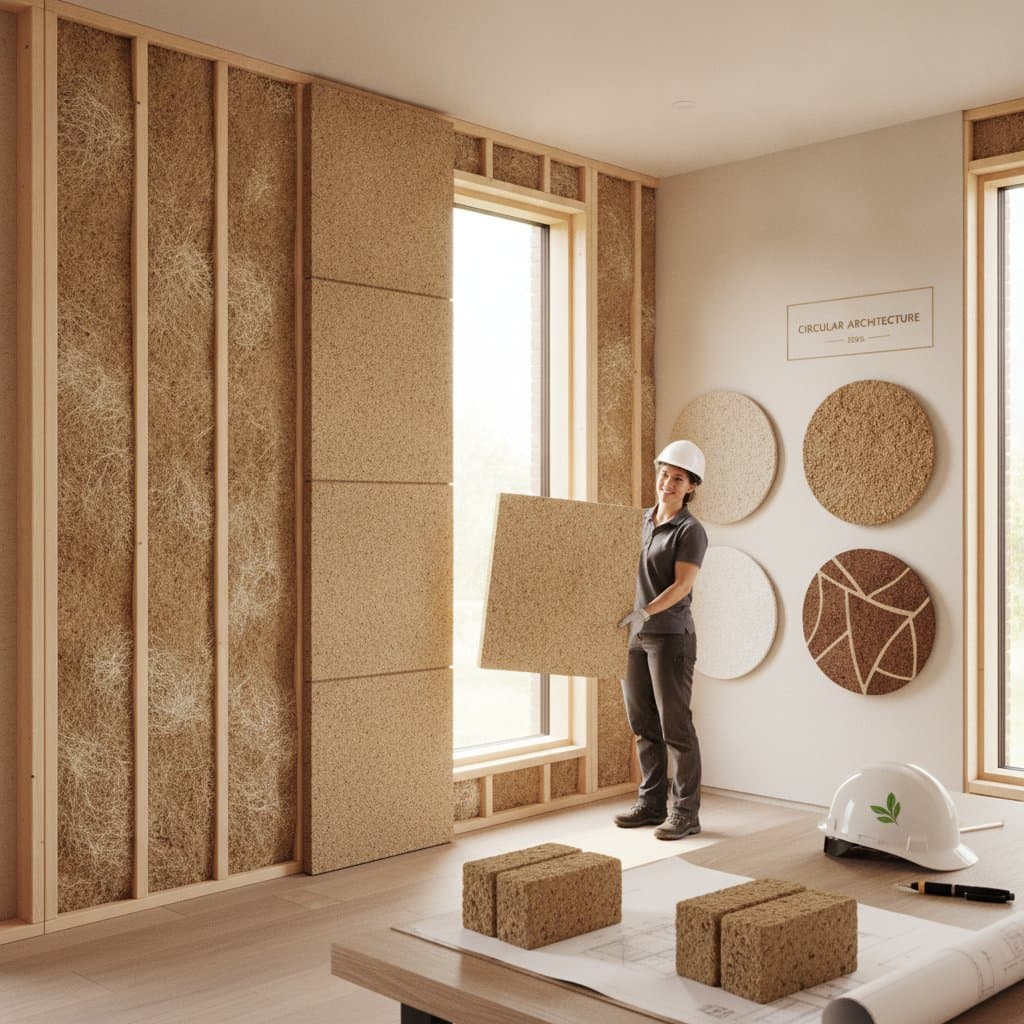
Mycelium-grown mushroom insulation revolutionizes 2025 sustainable building by slashing energy use, sequestering carbon, and providing fire-resistant, pest-proof comfort. This biodegradable innovation leverages agricultural waste for cost savings, circular economies, and healthier living spaces.
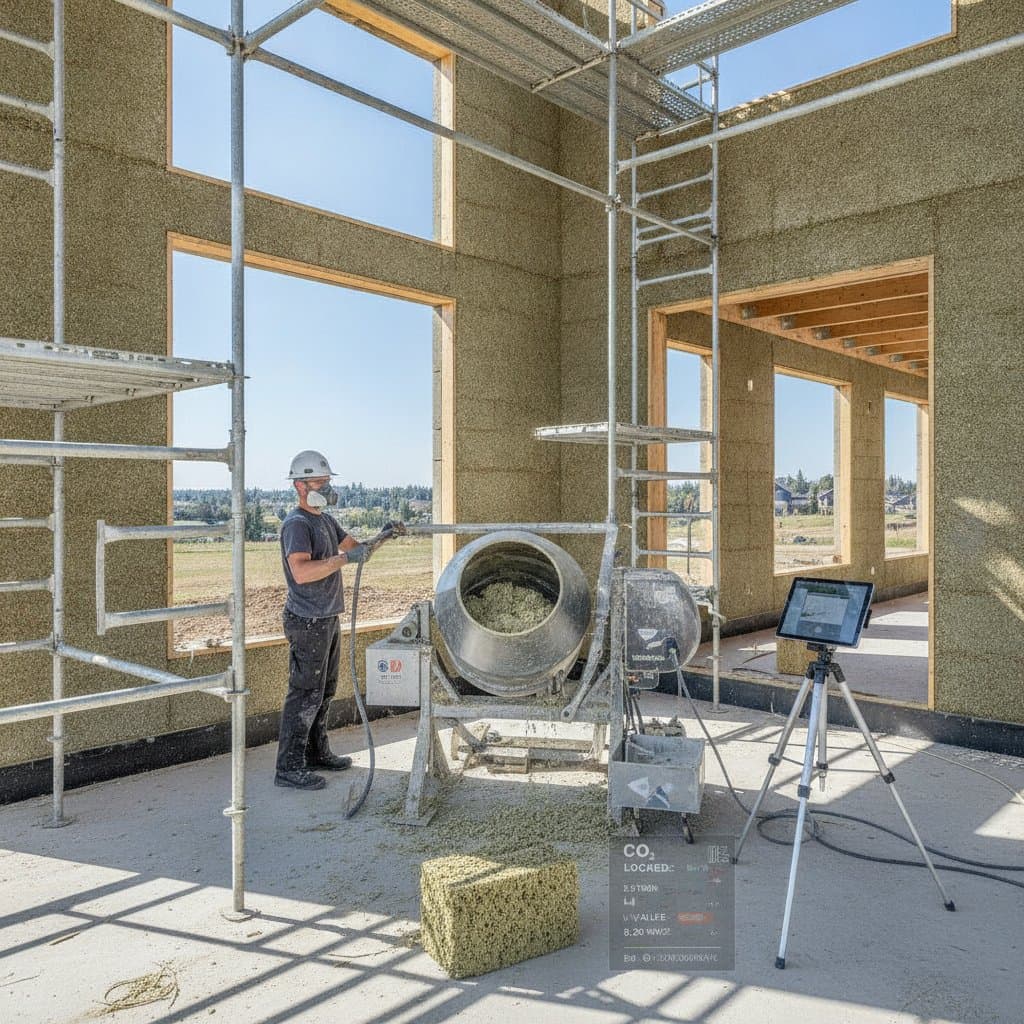
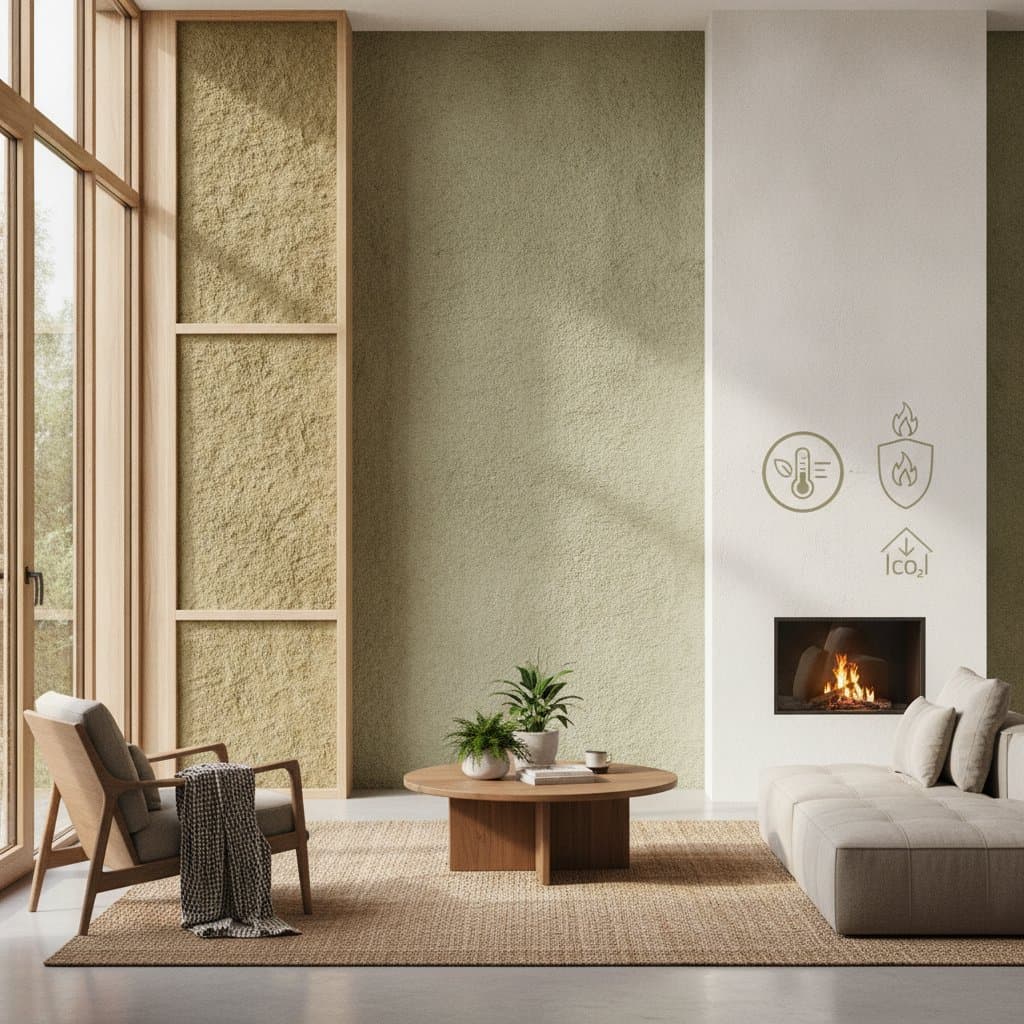
Hempcrete walls actively sequester carbon dioxide during the curing process, storing it within the structure for many years. This material delivers superior insulation and moisture control, which lowers energy consumption. Lightweight and resistant to fire, mold, and pests, hempcrete serves as a sustainable option that enhances home comfort and value.
Mushroom insulation, cultivated from mycelium, revolutionizes sustainable construction in 2025. Derived from agricultural waste, this material provides outstanding thermal efficiency, humidity regulation, and fire resistance, all in a fully compostable form. Expect reduced energy costs, regional production benefits, and a non-toxic environment that redefines eco-conscious insulation choices.
Recycled decking transforms outdoor living in 2025 by blending sustainability, aesthetic appeal, and superior longevity. Crafted from repurposed plastics and wood fibers, these composites surpass traditional wood in resilience, upkeep demands, and ecological benefits. With diverse designs and innovative features, recycled decks set the benchmark for thoughtful, modern exteriors.
Mushroom insulation, derived from mycelium and agricultural waste, transforms sustainable construction in 2025. It delivers robust thermal insulation, inherent fire resistance, and fully compostable disposal, surpassing conventional options in environmental benefits. Despite a higher initial cost, its carbon-negative process, long-term energy reductions, and enhanced indoor air quality position it as an essential choice for eco-conscious living.
Mycelium insulation revolutionizes green home building with its biodegradable nature, excellent thermal properties, and toxin-free profile. It matches foam and fiberglass performance while slashing environmental impact, promising energy savings and healthier living spaces for 2025.
Reduce heating and cooling expenses by up to 50% using hempcrete, a sustainable insulation that regulates humidity, improves air quality, and sequesters carbon. Despite higher initial costs, its superior thermal efficiency, longevity, and wellness advantages provide enduring value and environmental benefits. Learn how hempcrete transforms residential energy use in 2025.
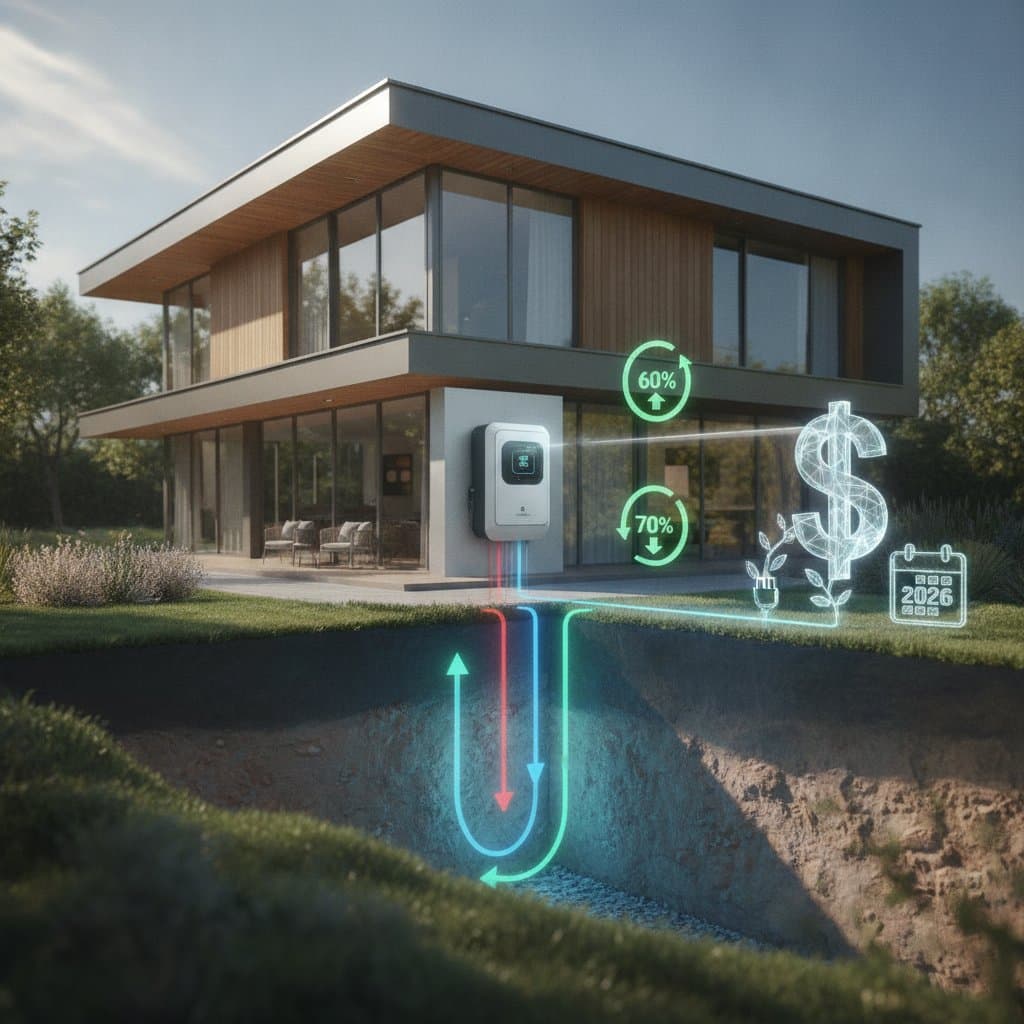
In 2025, geothermal HVAC systems revolutionize home energy use, delivering up to 70% bill reductions and sharp emission cuts. Advances in technology, incentives, and professional guidance make ground-source heat pumps a smart choice for efficiency, eco-friendliness, and enduring savings.
In 2025, recycled plastic shingles revolutionize roofing with unmatched durability, energy savings, and eco-friendliness. Crafted from post-consumer waste, they minimize landfill contributions, withstand harsh conditions for up to 50 years, and deliver long-term financial and environmental advantages despite higher initial costs.
Explore methods to reduce home heat loss by up to 67 percent without the need for new windows. This guide covers proven retrofit approaches, including gap sealing, low-E films, and interior storm inserts, to enhance comfort, lower energy expenses, and improve overall efficiency. Turn standard windows into effective insulators for sustained warmth and financial benefits.
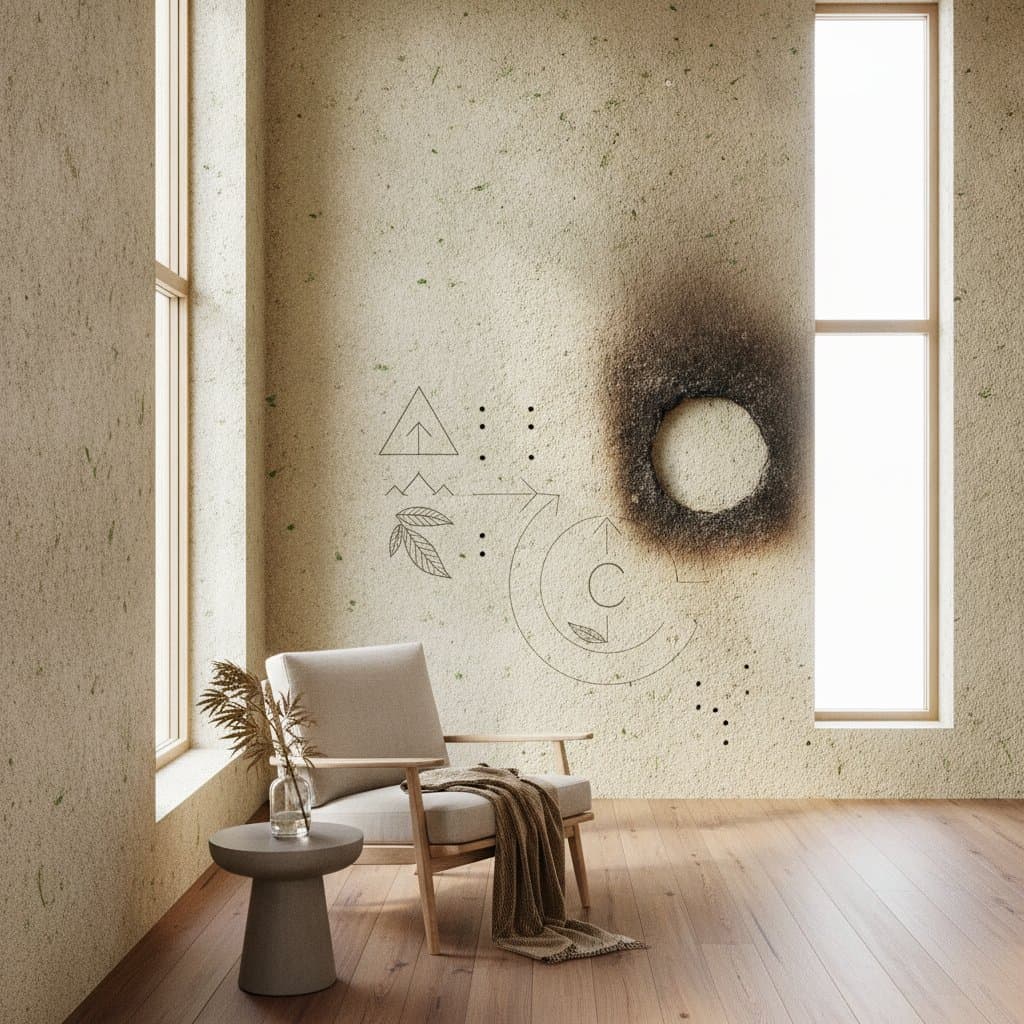
Mushroom insulation, cultivated from mycelium, redefines sustainable building through natural fire resistance, complete compostability, and superior thermal efficiency. Although initial costs exceed traditional options, it yields substantial long-term energy savings and carbon reductions. Locally grown with low energy demands, this bio-based solution promotes health and scalability, positioning it as a cornerstone of global eco-homes in 2025.
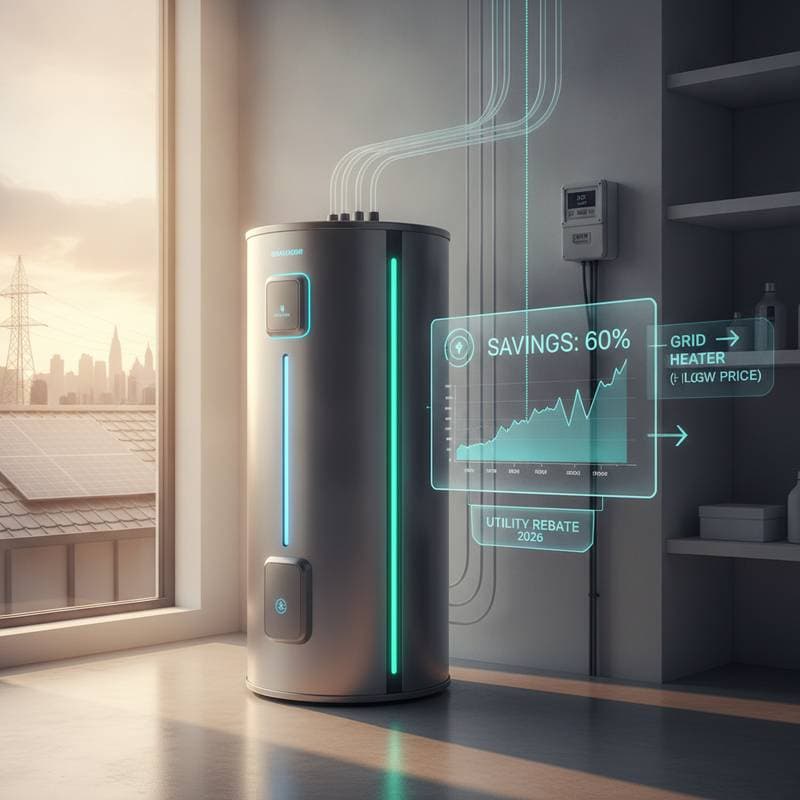
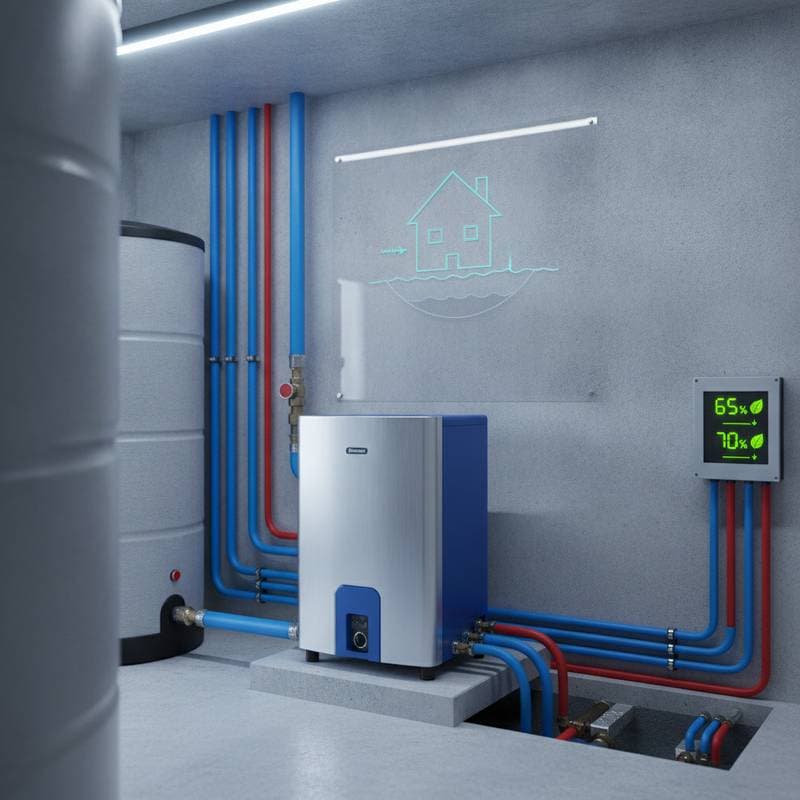
Reduce water heating expenses by up to 70% in 2025 using heat pump technology. These units harness ambient heat for superior efficiency and sustainability. Discover installation best practices, incentive options, and maintenance routines to optimize savings, lower emissions, and enhance home energy resilience.
Mushroom insulation from mycelium revolutionizes sustainable home building in 2025. This fire-resistant, energy-saving material enhances air quality, provides thermal efficiency, and composts fully at end-of-life, ideal for eco-friendly living.