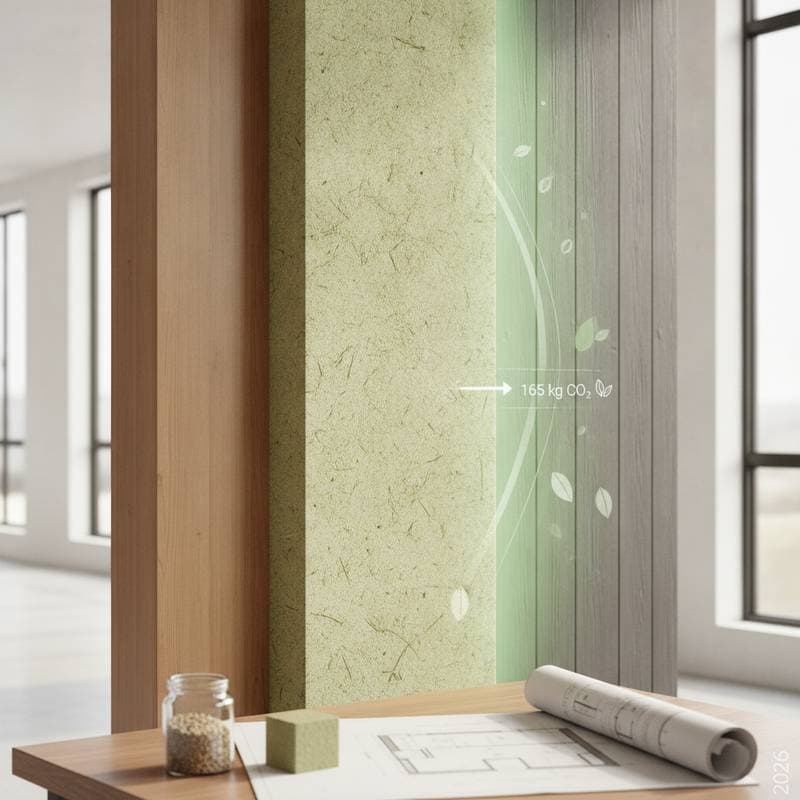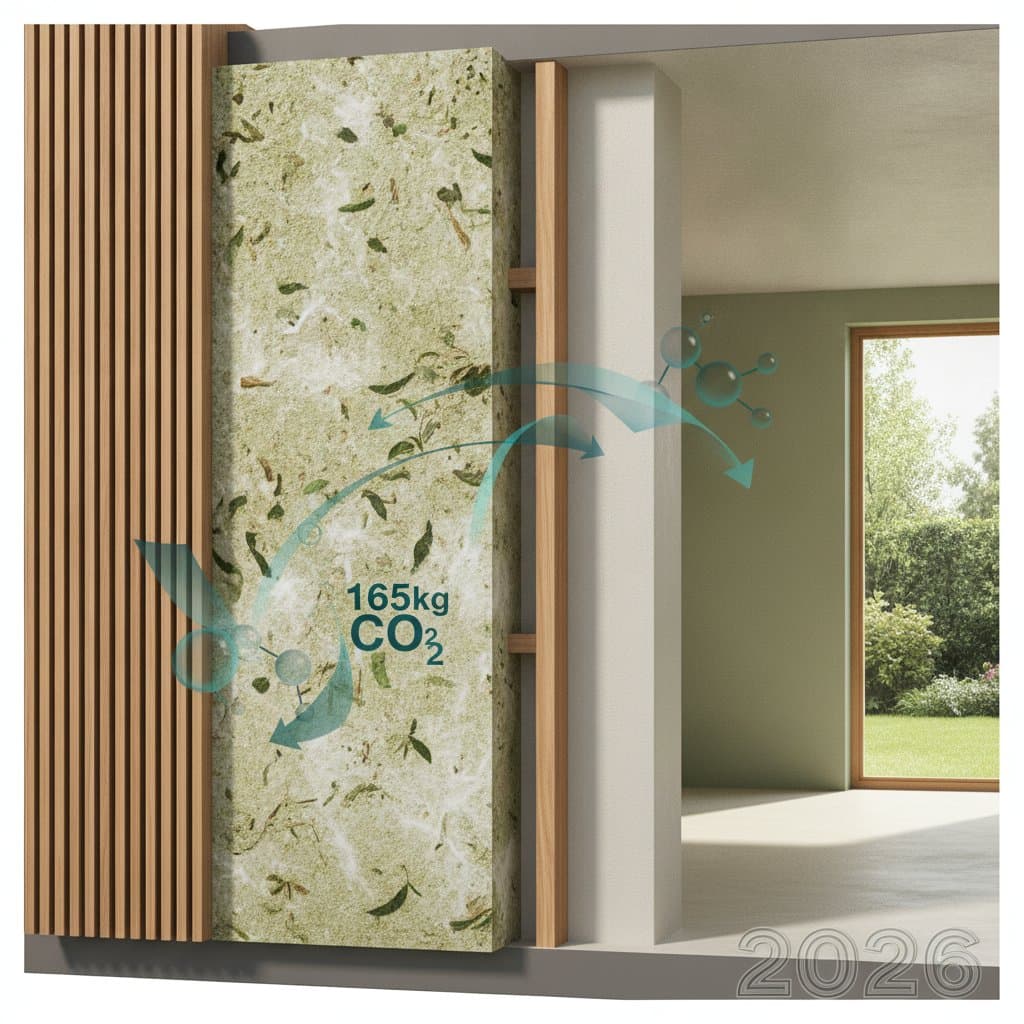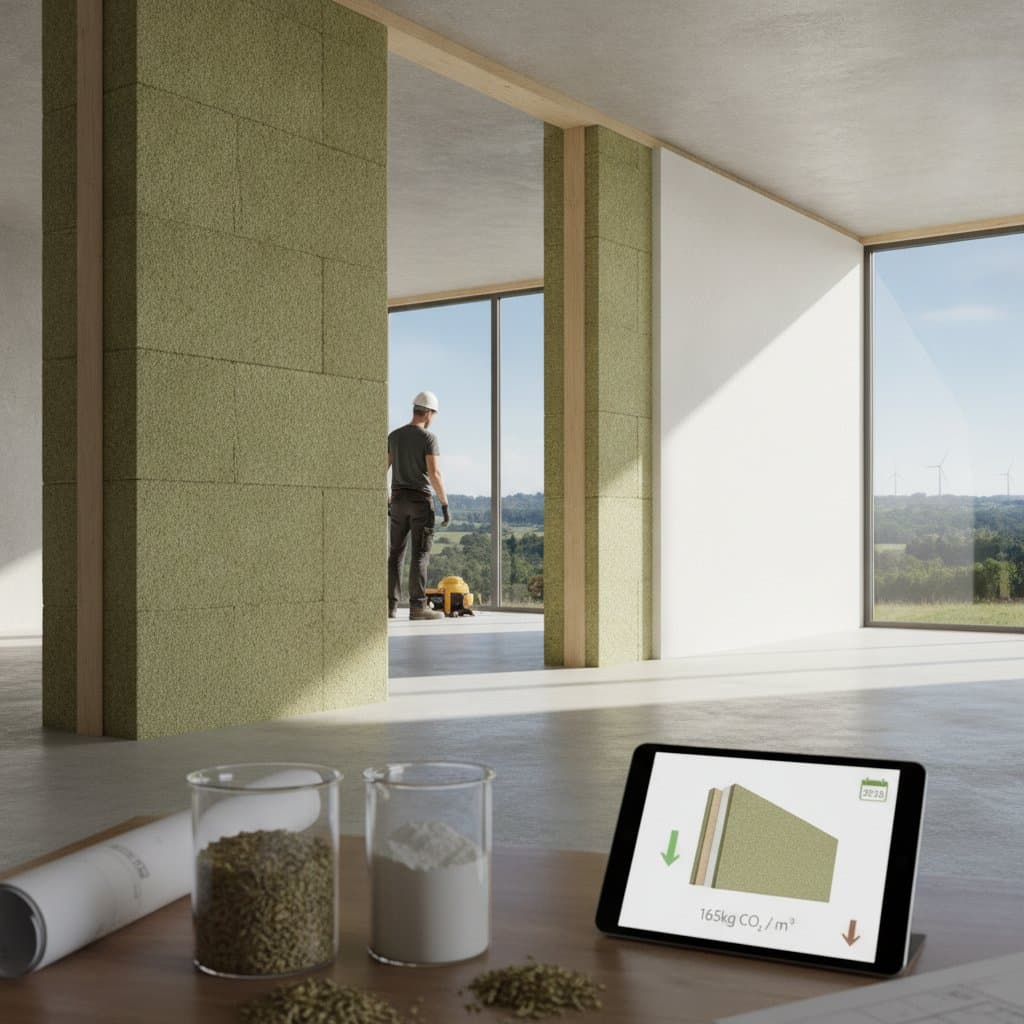
Hempcrete Sequesters 165kg CO₂ Per Cubic Meter
Hempcrete turns buildings into carbon sinks. This hemp and lime composite sequesters more CO2 than it emits, regulates indoor conditions, and offers long service life with full recyclability.
Loading...
Articles tagged with based
Hempcrete turns buildings into carbon sinks. This hemp and lime composite sequesters more CO2 than it emits, regulates indoor conditions, and offers long service life with full recyclability.
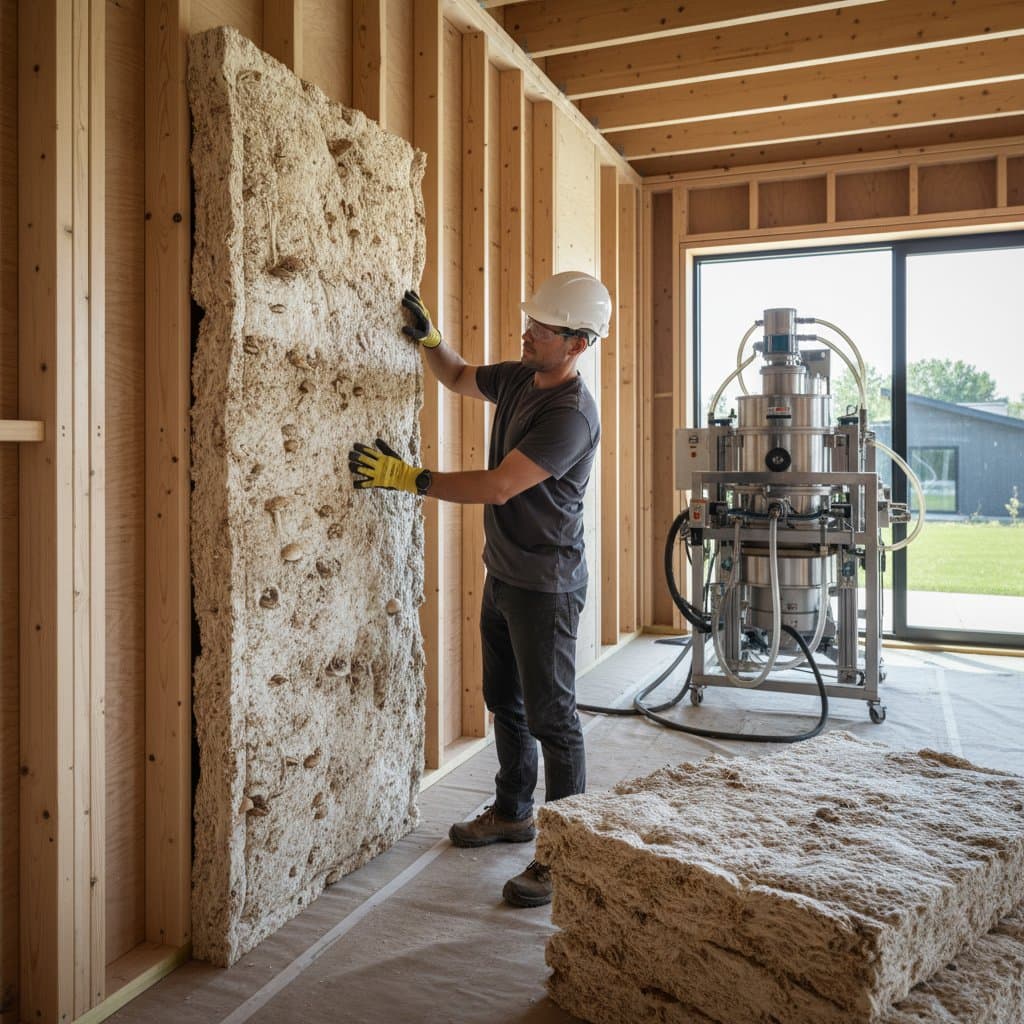
Mycelium insulation redefines sustainable construction with biodegradable, fire-resistant performance grown from fungi. It delivers up to 25 percent energy savings and lower carbon emissions.
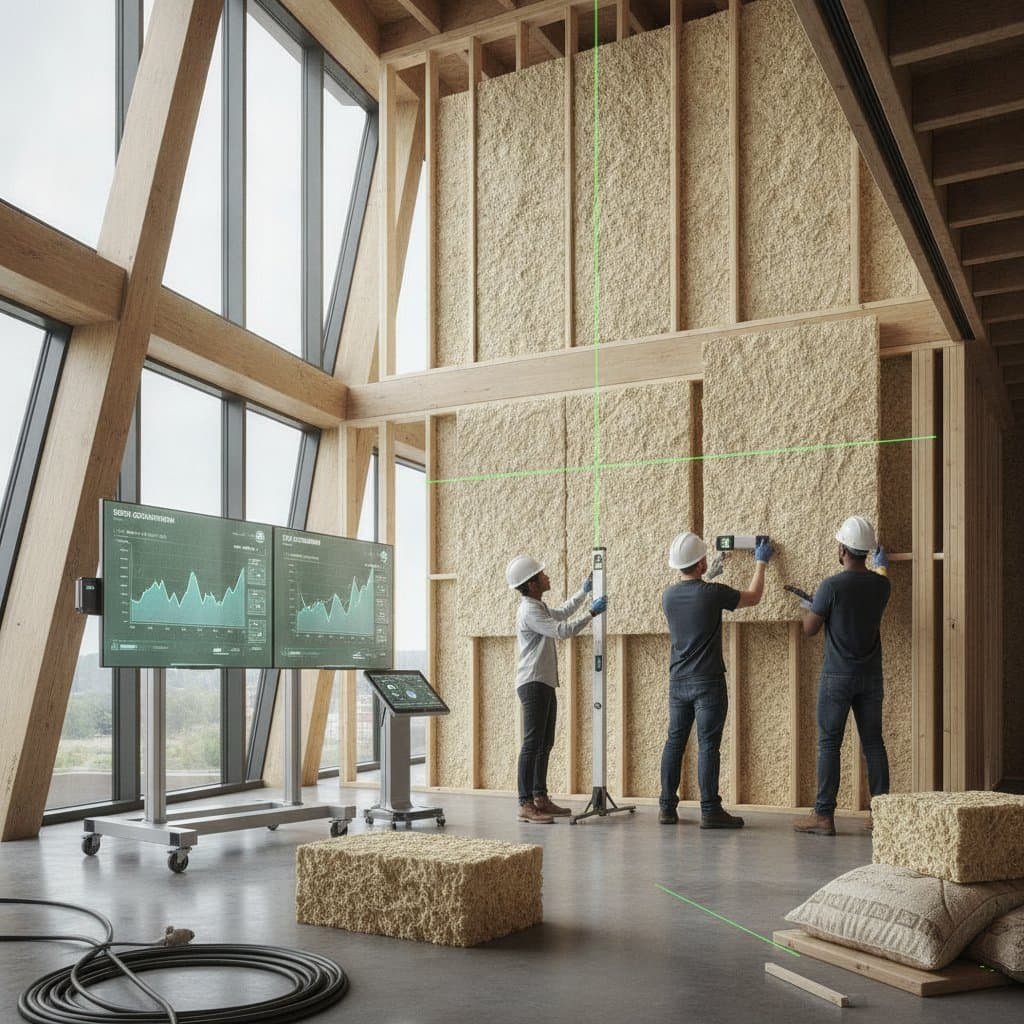
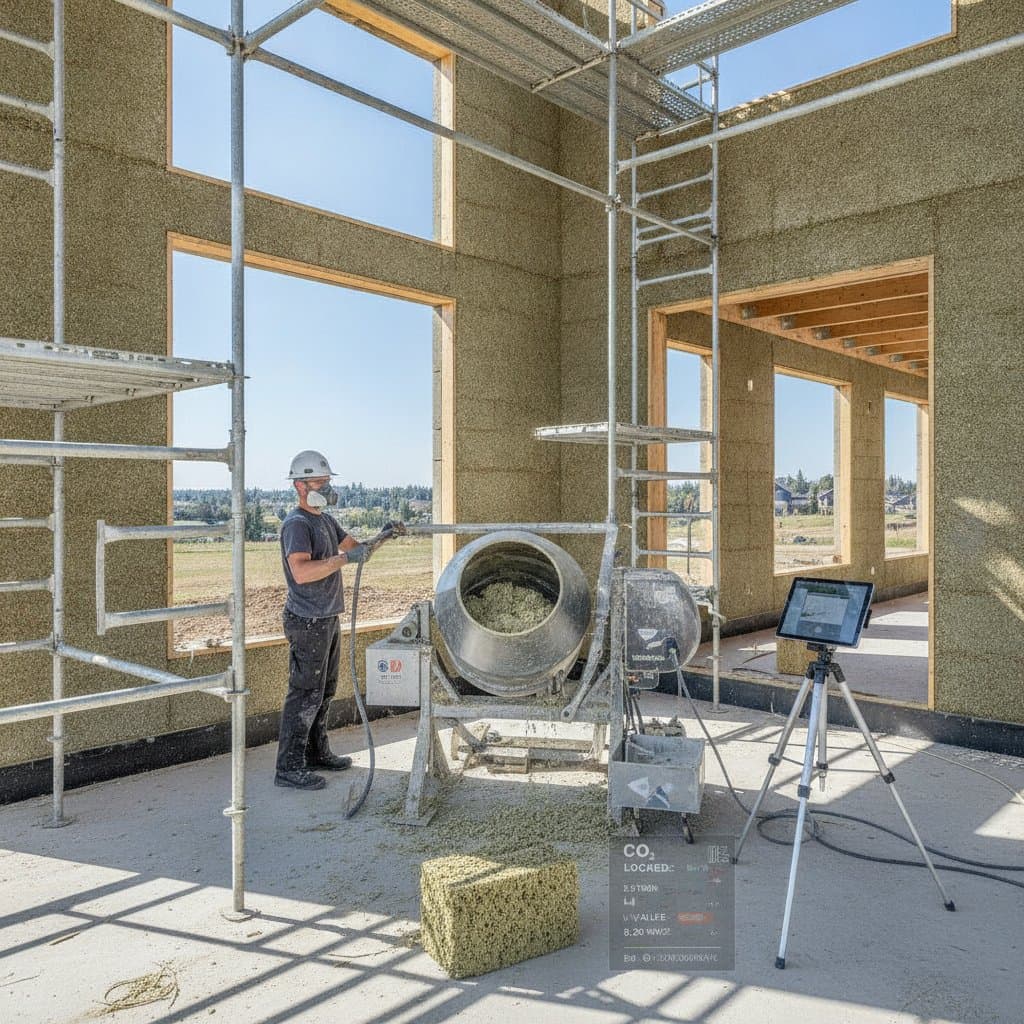
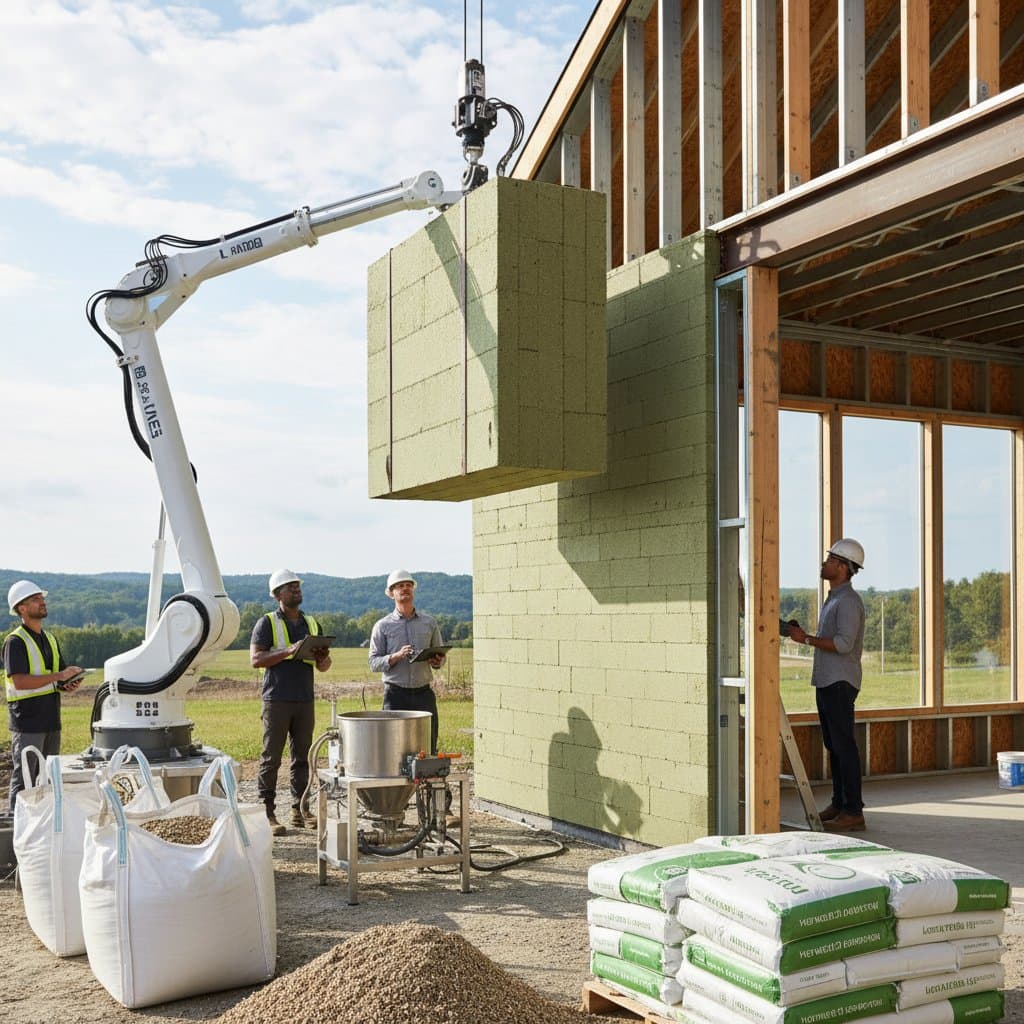
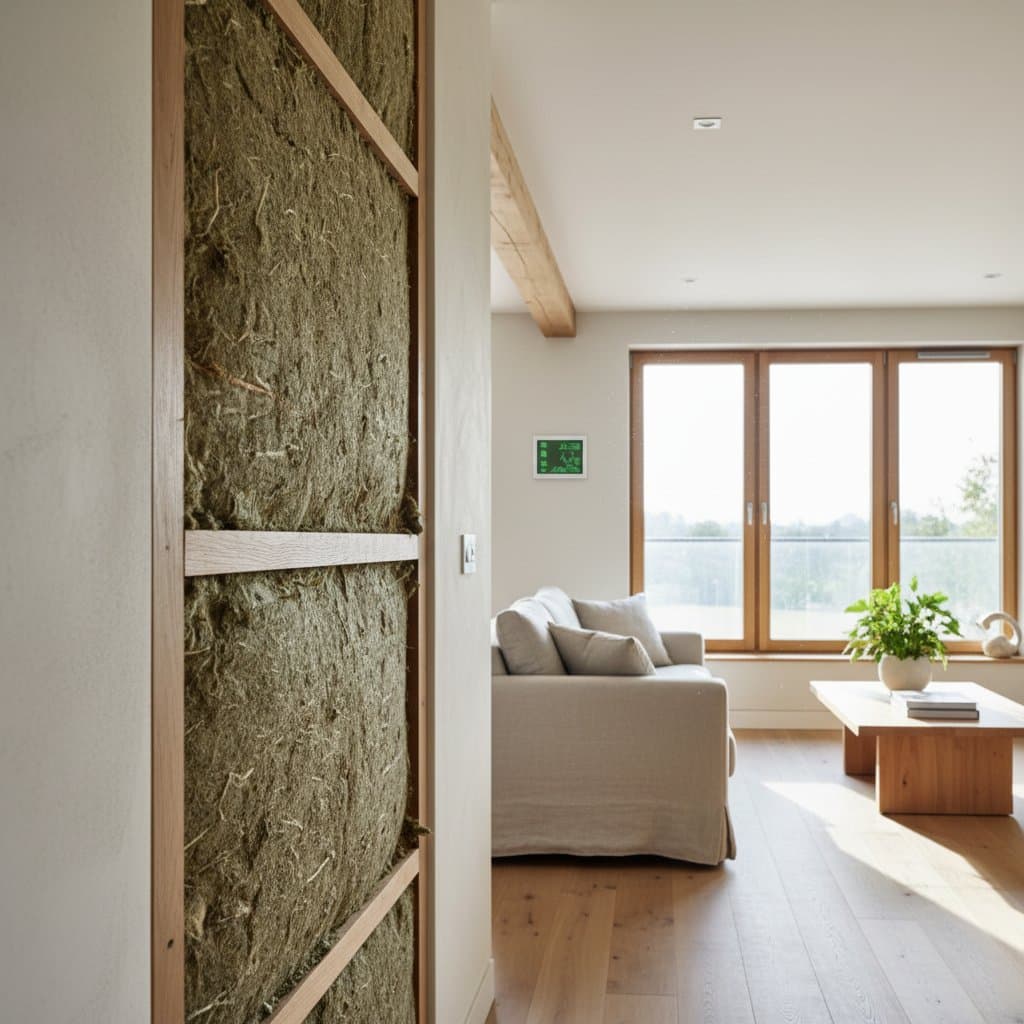
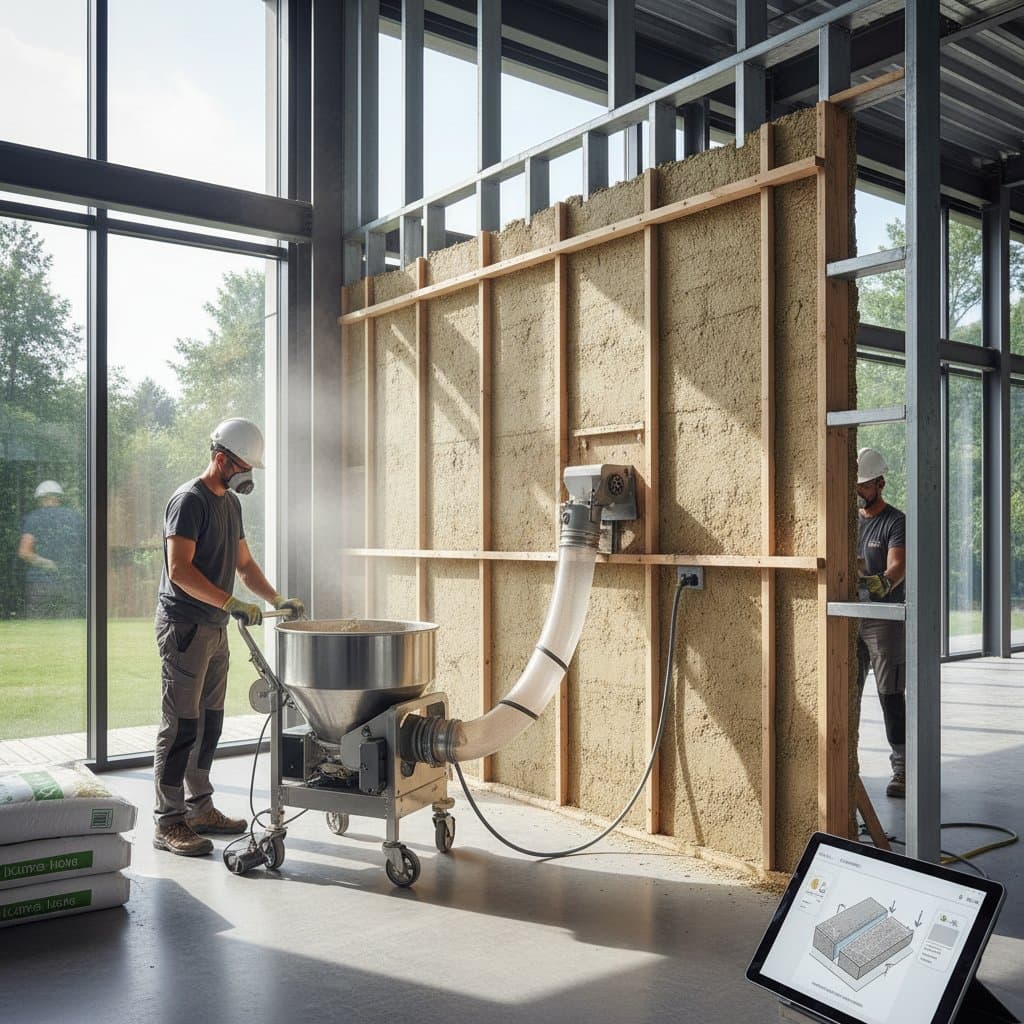
Hempcrete combines hemp hurds, lime, and water to create breathable walls that store carbon, reduce energy demand, and maintain steady indoor comfort when installed with proper curing and detailing.
Hempcrete delivers carbon storing breathable insulation made from hemp, lime, and water. It improves comfort, cuts long term energy use, and supports net zero goals.
Hempcrete redefines green construction through fire resistance, carbon storage, and natural insulation. Made from hemp, lime, and water, it delivers durability, comfort, and reduced energy use for eco-conscious projects.
Hempcrete blends hemp, lime, and water into breathable insulation that stores more carbon than it emits while lowering long-term energy costs.
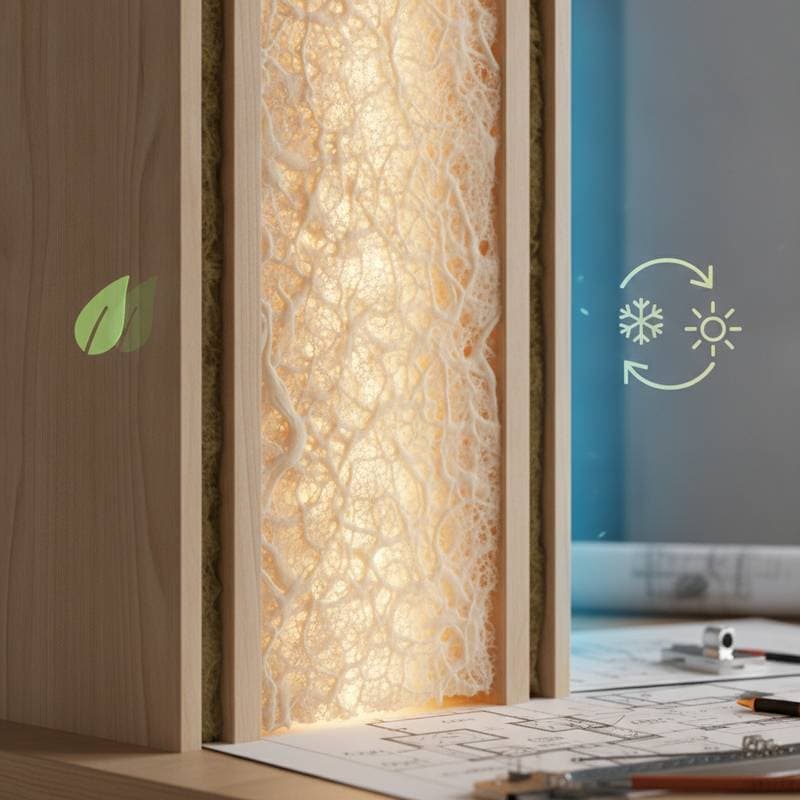
Mycelium insulation is redefining sustainable construction by turning fungal roots into high-performance, compostable panels. It delivers strong thermal efficiency, healthier indoor air, and lower lifecycle costs. With rapid technological advances and proven durability, this bio-based material offers homeowners a realistic, carbon-smart alternative to conventional insulation.
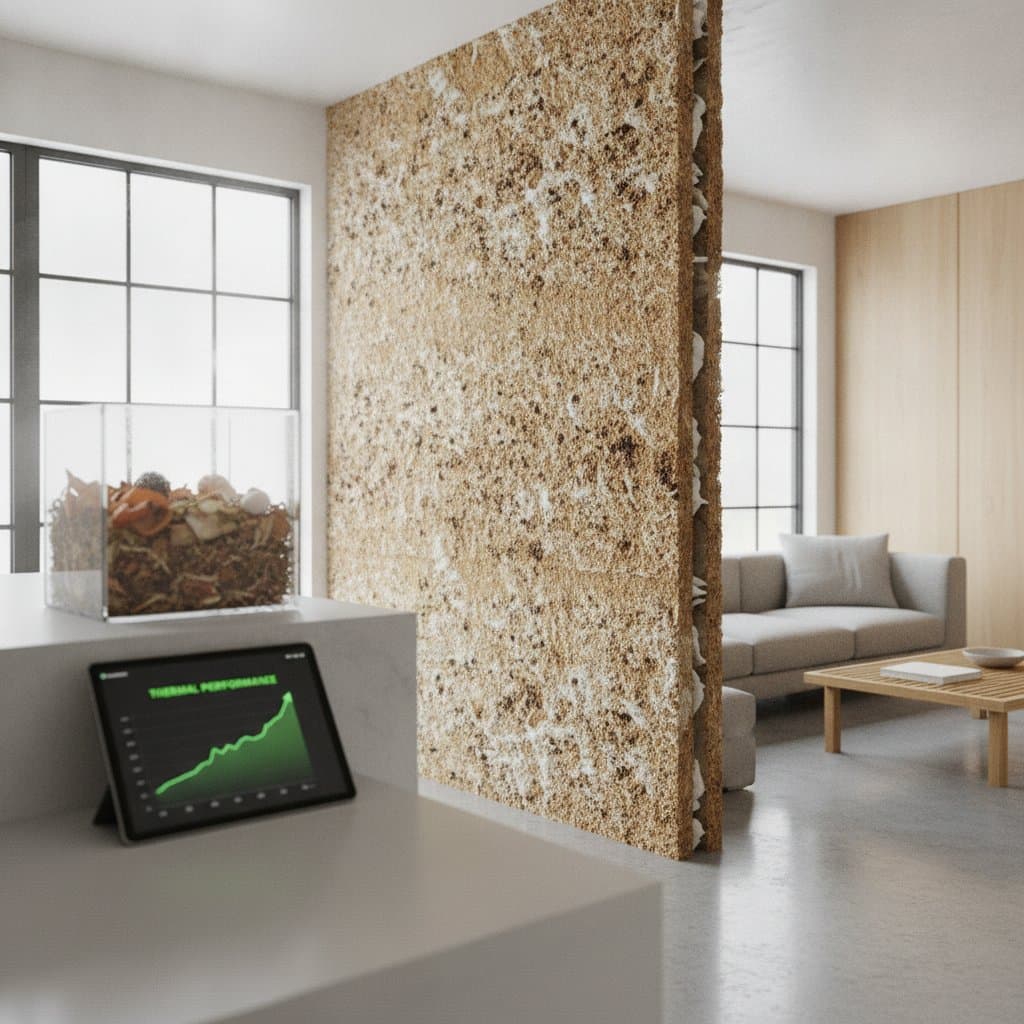
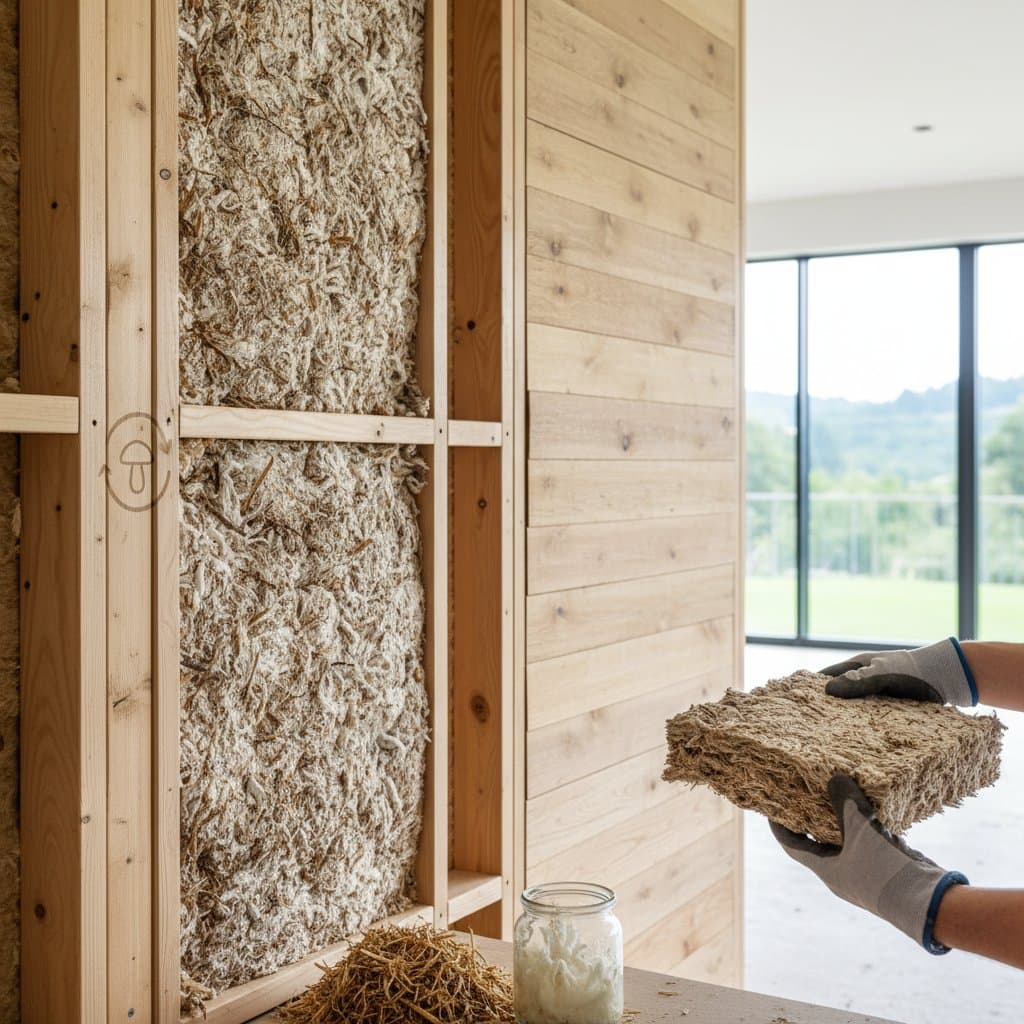
Mycelium insulation grows from fungal networks on agricultural waste. The resulting panels offer thermal performance near fiberglass levels while remaining compostable, non-toxic, and inexpensive to produce at home.
Hempcrete walls absorb carbon dioxide while providing durable, breathable insulation. Learn how this plant-based material reduces energy use and supports lower-emission construction.
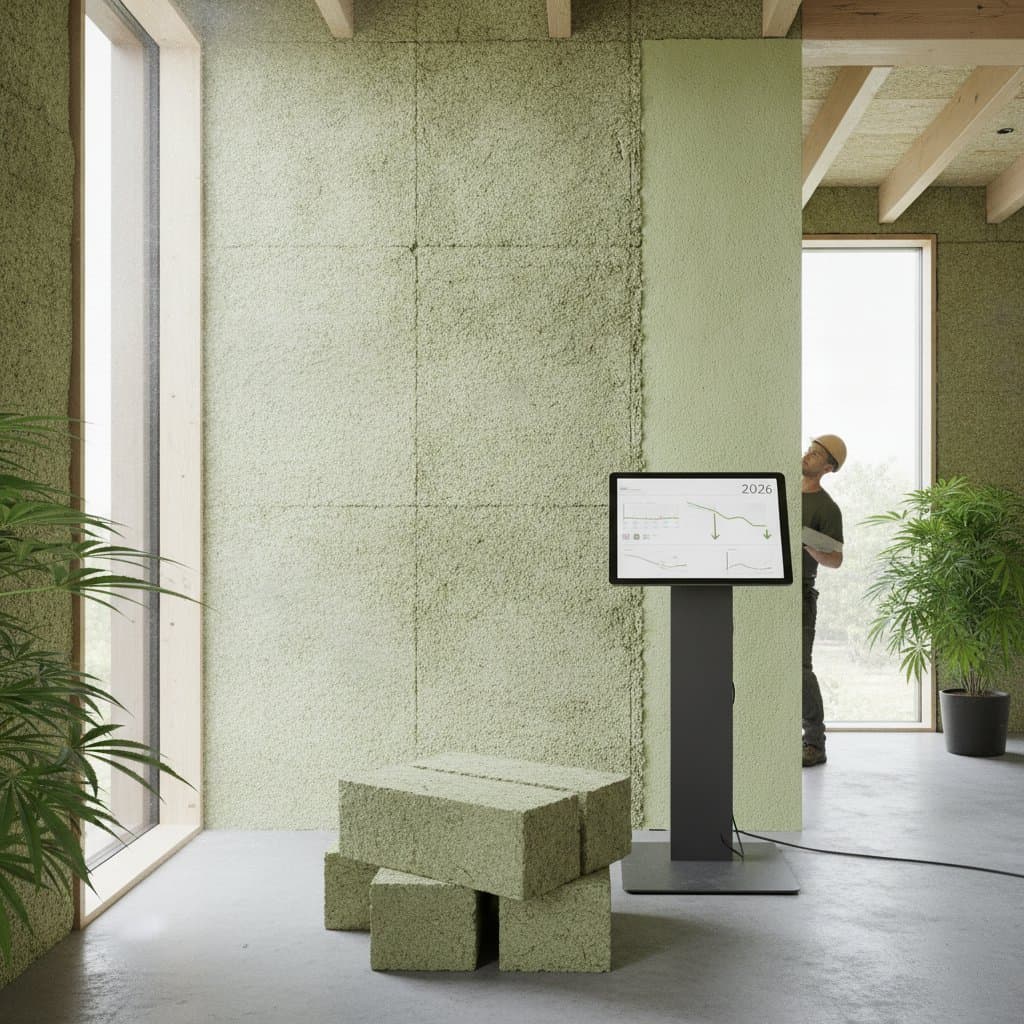
Hempcrete turns walls into carbon sinks that lower energy use, improve air quality, and extend building life. Discover the costs, construction steps, and financing options that make this bio based material practical for 2026 projects.
Mycelium and hemp materials offer renewable low carbon options that regulate temperature, manage moisture, and support healthier indoor environments while lowering long term ownership costs.
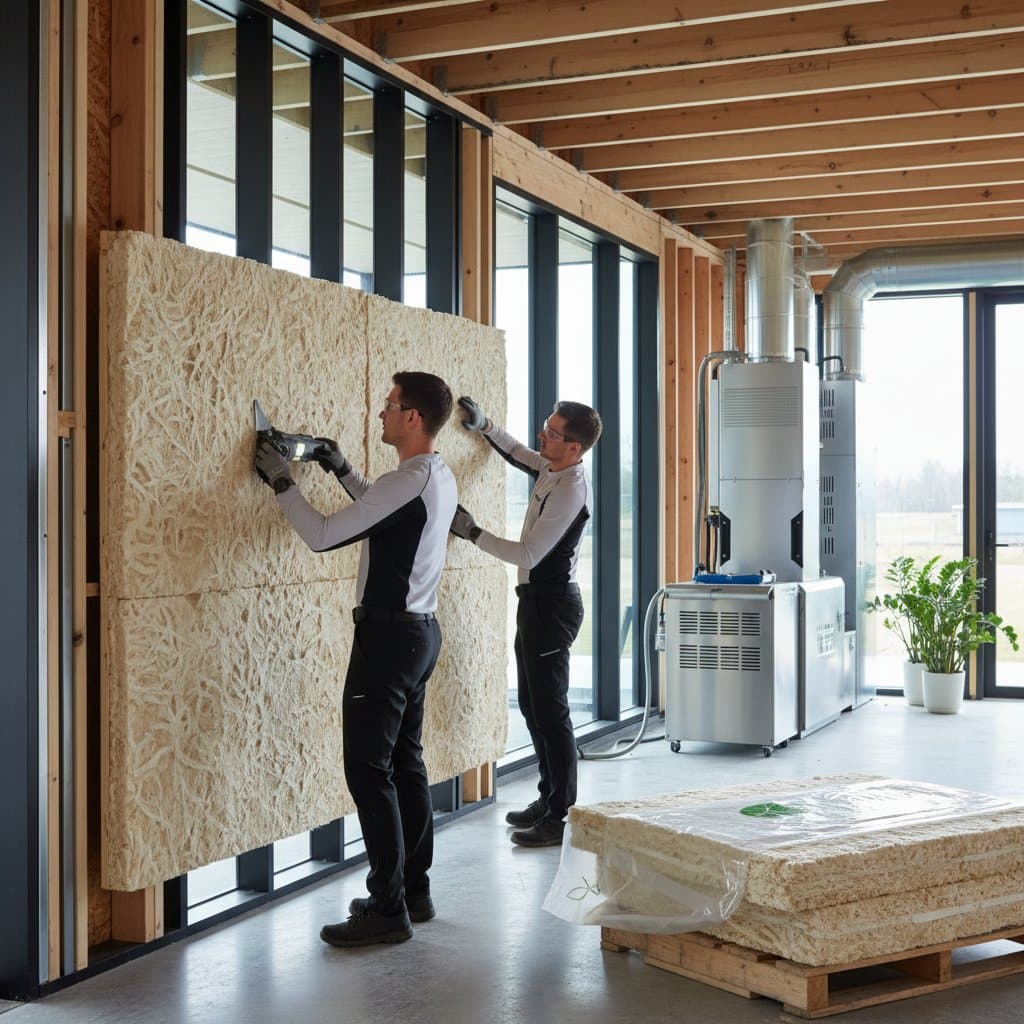
Mycelium, the root structure of mushrooms, transforms green construction with insulation that cuts energy costs up to 25 percent. Grown from agricultural waste, it is biodegradable, fire-resistant, and carbon-sequestering. Mushroom insulation combines sustainability, performance, and comfort as a regenerative alternative to traditional materials.
Mycelium insulation grows from fungi and agricultural waste to deliver fire resistant, pest proof, and fully compostable performance that rivals conventional products while cutting embodied carbon by up to 80 percent.
Hempcrete turns walls into carbon-absorbing, breathable barriers that improve comfort and efficiency. Made from hemp, lime, and water, it regulates humidity, reduces energy use, and supports durable, healthy construction.
Mycelium-derived mushroom insulation revolutionizes green construction as a renewable, fire-resistant, and biodegradable choice. It matches traditional insulators in efficiency while slashing energy use and carbon emissions. Increasing accessibility and reliability position this bio-material as a cornerstone for healthier, forward-thinking residences.
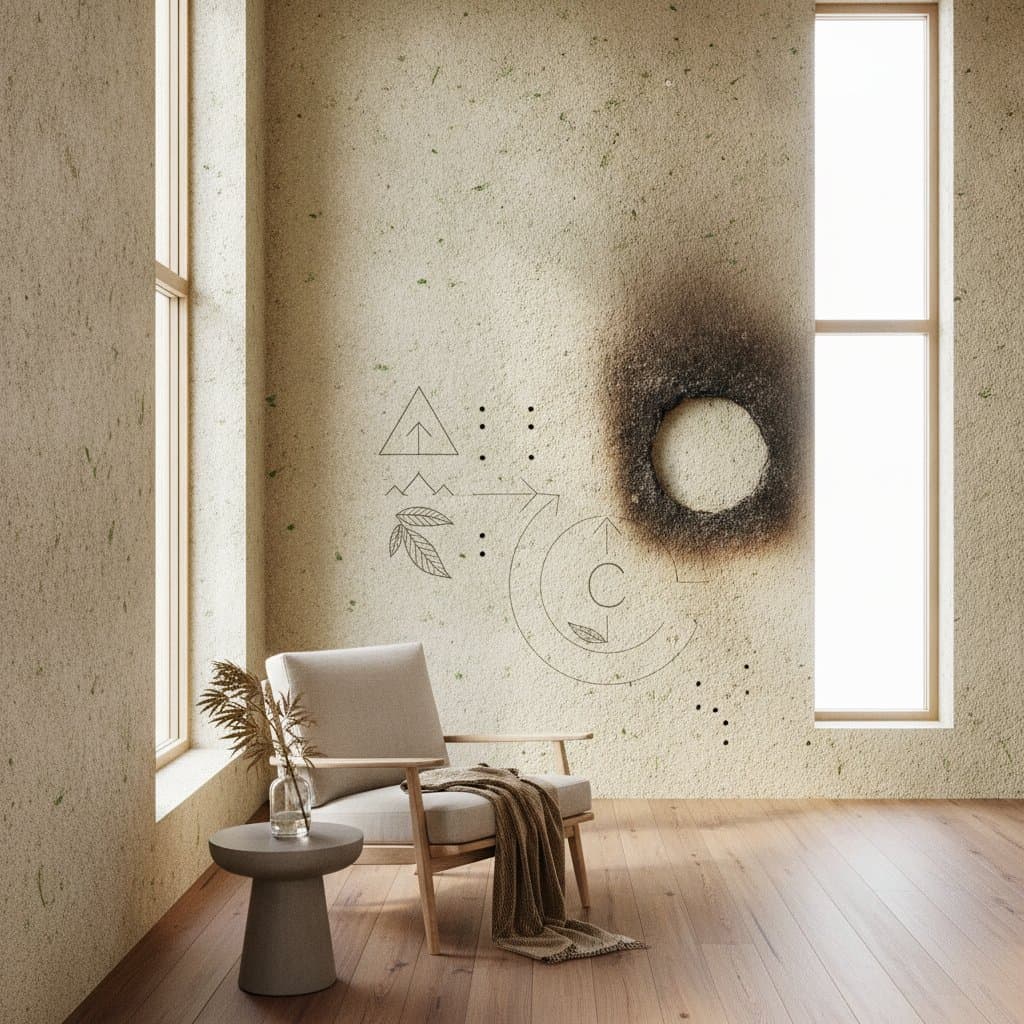
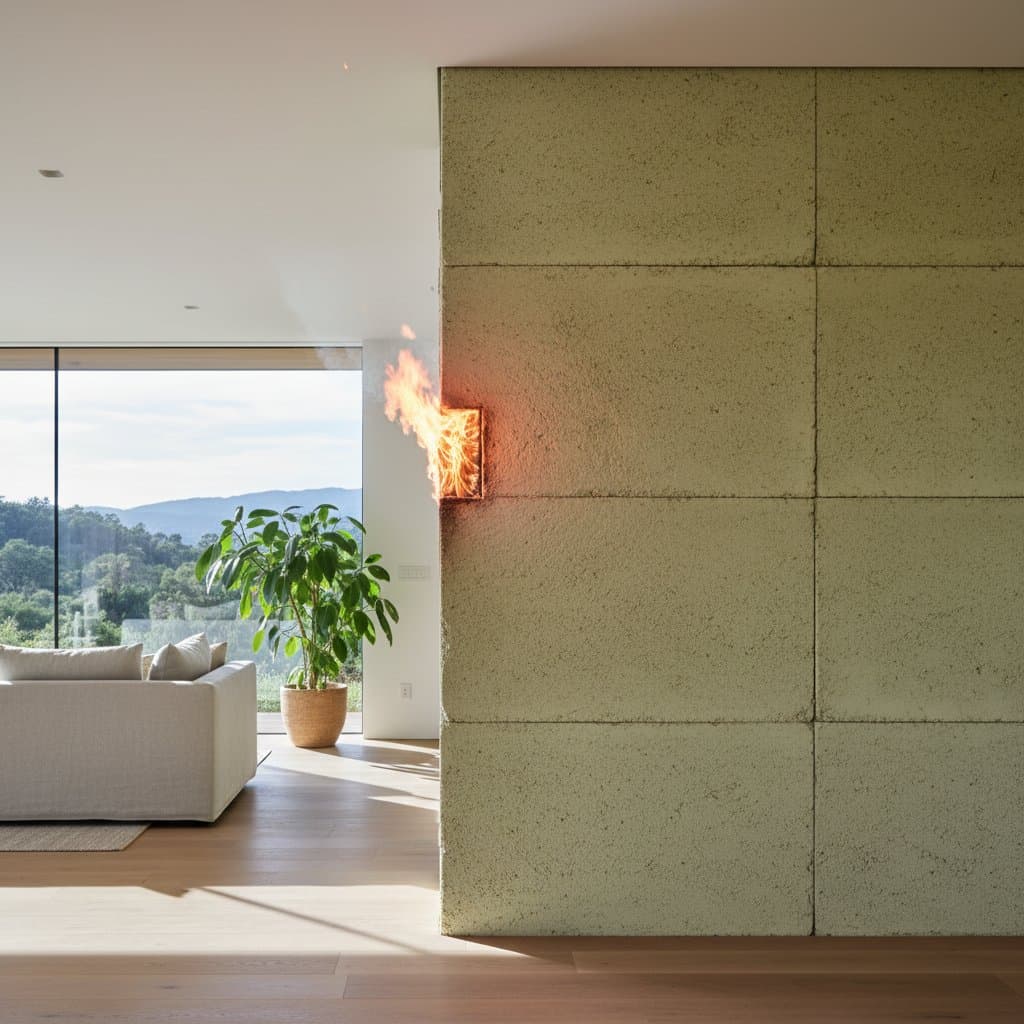
Hempcrete walls merge eco-friendliness with robust fire resistance via a lime binder that encases hemp fibers in a non-combustible form. Despite higher initial costs, they yield enduring security, thermal efficiency, and carbon storage. Perfect for sustainable residences in fire-vulnerable areas, hempcrete ensures breathable interiors, insurance advantages, and a pathway to resilient, green habitats.
Hempcrete redefines eco-friendly building through walls that sequester carbon rather than release it. This breathable, fire-resistant option reduces energy use, elevates air quality, and lasts for generations. Despite higher initial expenses, the enduring financial benefits, environmental advantages, and versatile applications position hempcrete as an intelligent selection for forward-thinking constructors.
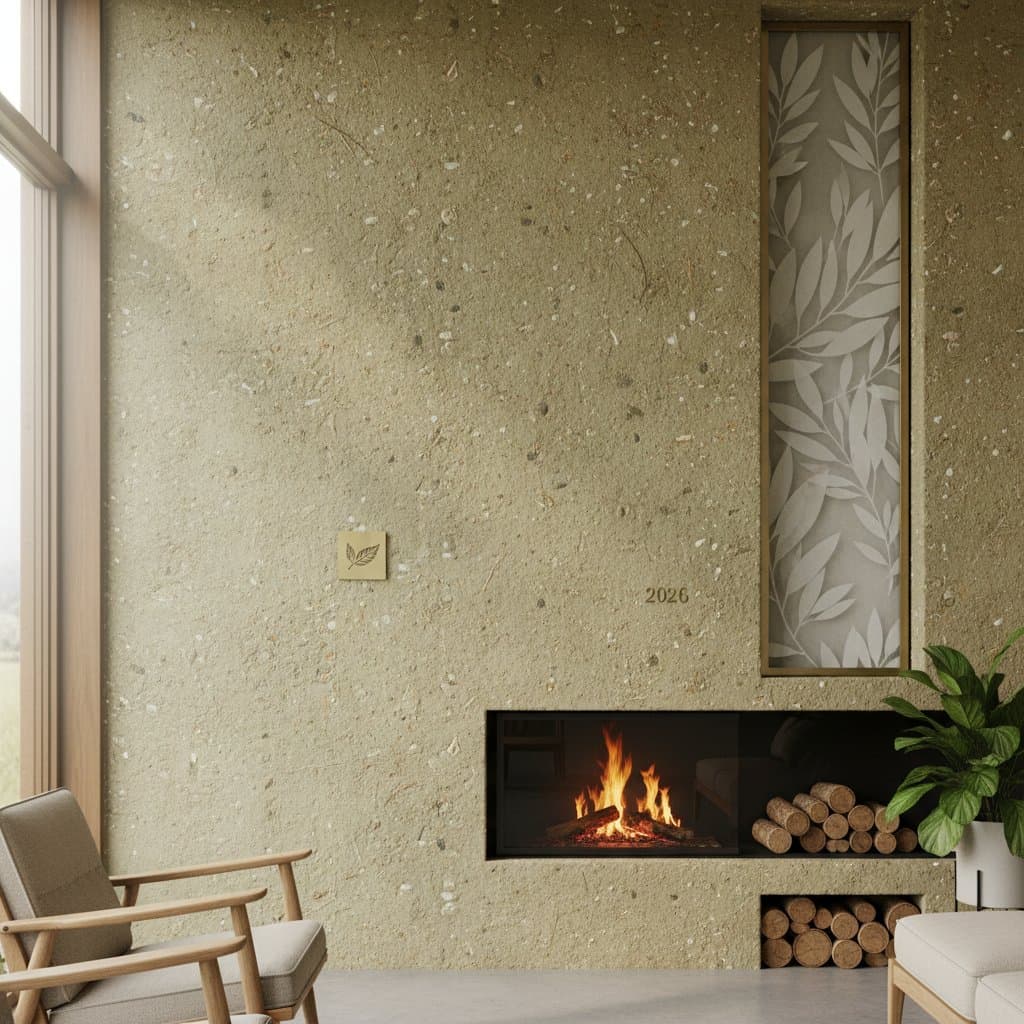
By 2026, homes could actively contribute to climate solutions through carbon-sequestering insulation such as hempcrete. These materials integrate carbon storage into everyday walls, while managing heat and humidity for improved comfort. Despite higher initial costs, they deliver long-term savings on energy, superior indoor air quality, and increased property values, signaling a transformative era in eco-friendly housing.
Hempcrete revolutionizes sustainable building through walls that sequester carbon, provide superior insulation, and cut energy expenses. Composed of hemp hurds, lime, and water, this material regulates indoor humidity, improves air quality, and maintains a negative carbon footprint throughout its lifecycle. Although initial costs exceed those of traditional options, the long-term environmental and economic advantages position hempcrete as an essential choice for forward-thinking builders.
Hempcrete revolutionizes green construction by sequestering carbon rather than releasing it. Composed of hemp hurds, lime, and water, this material provides exceptional durability, energy efficiency, and moisture management. Although the initial investment exceeds traditional options, the carbon-negative properties and enduring cost savings position hempcrete as an ideal selection for environmentally responsible construction projects.