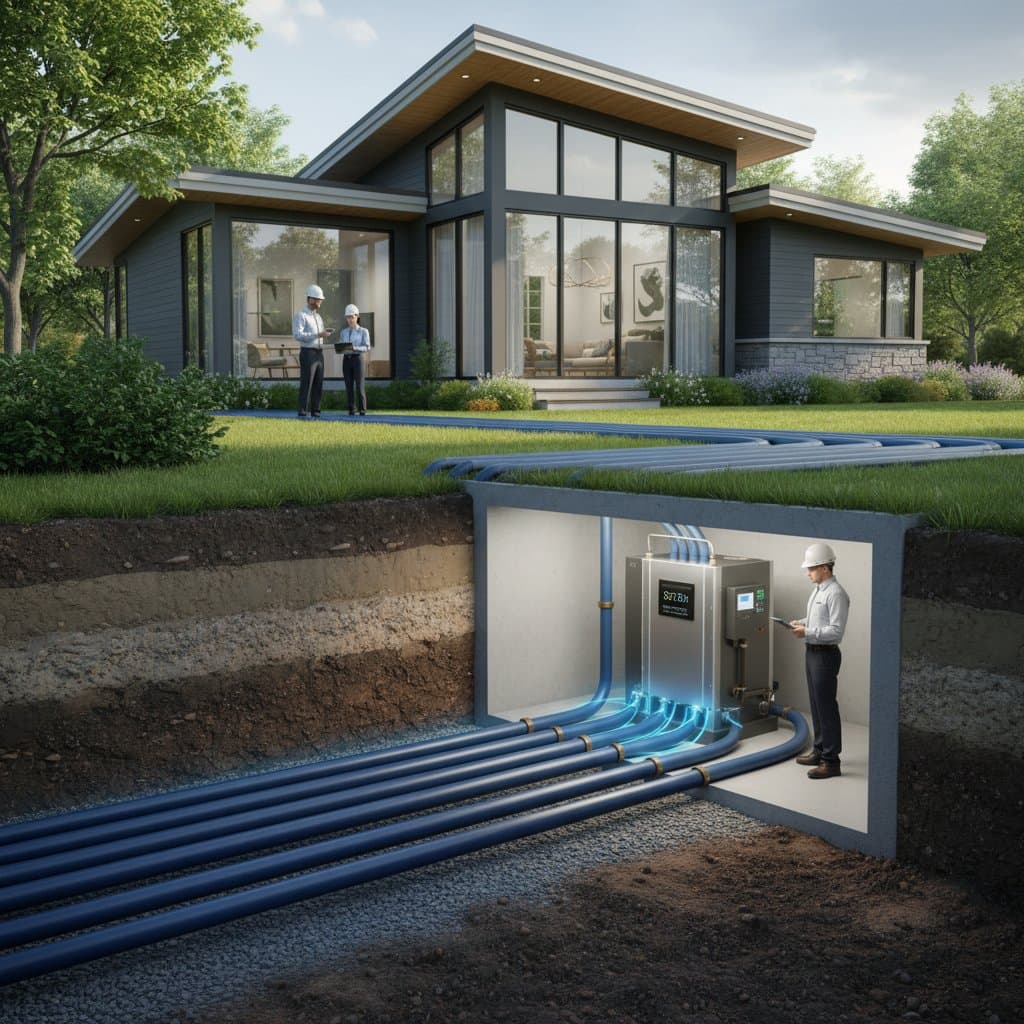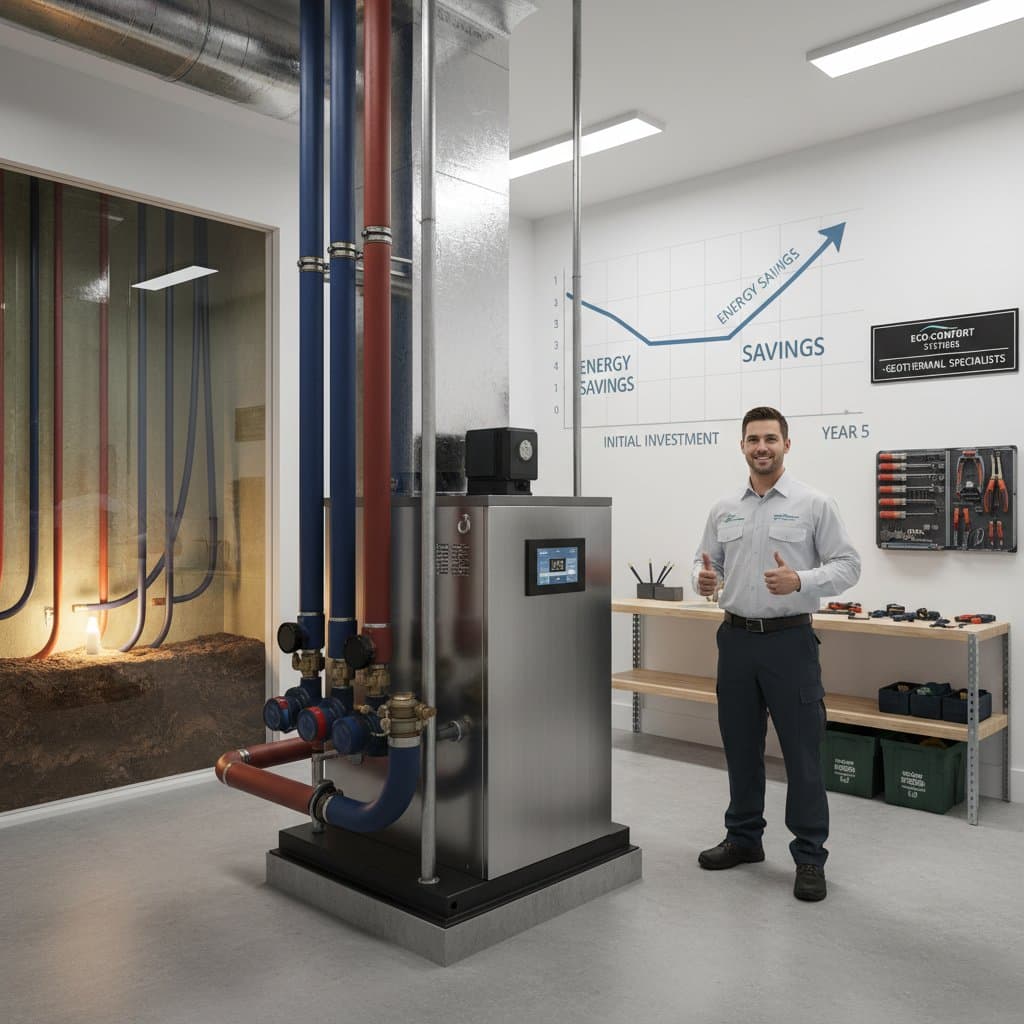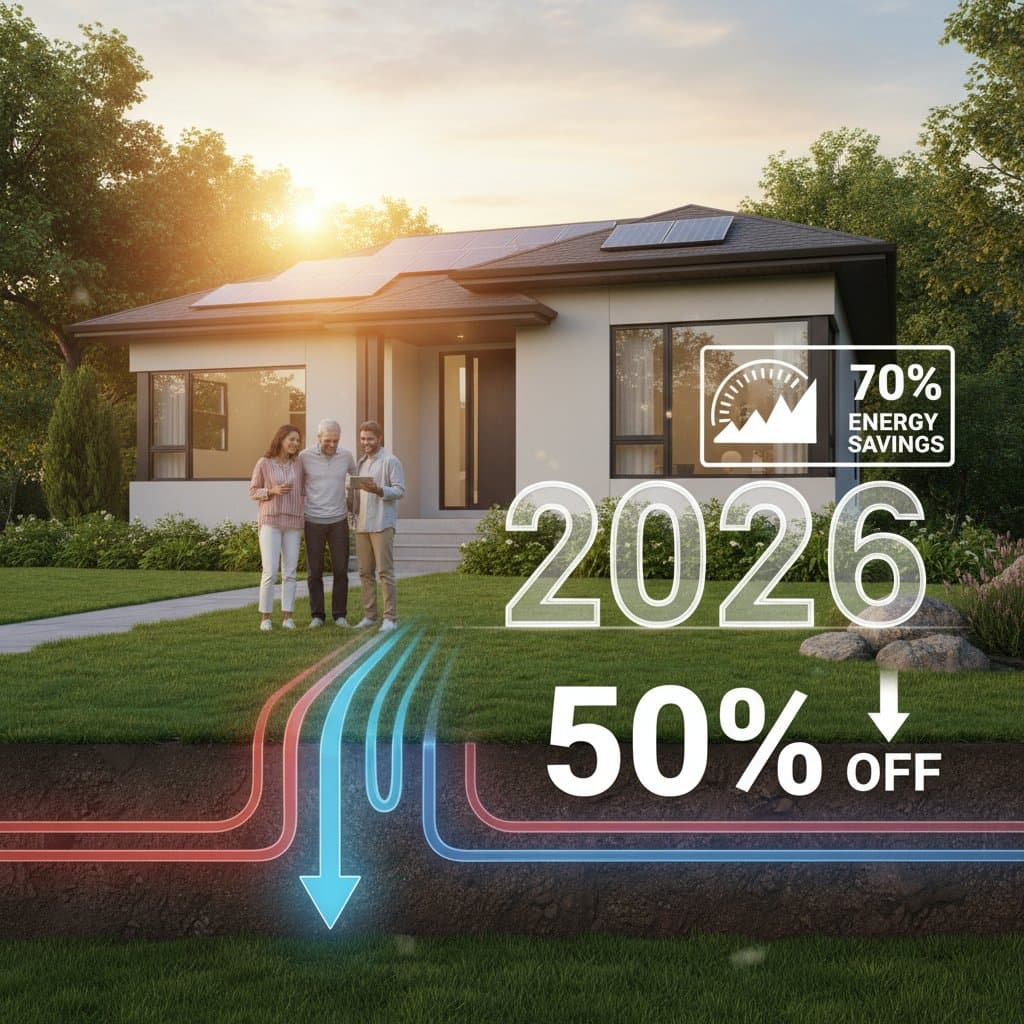
Geothermal Cooling Cuts Bills $2K Despite High Upfront Cost
Does geothermal cooling really save homeowners $2,000 each year on energy bills? This analysis examines the costs, efficiency, and long-term value of this sustainable technology.
Loading...
Showing articles 145 - 156 of 416
Does geothermal cooling really save homeowners $2,000 each year on energy bills? This analysis examines the costs, efficiency, and long-term value of this sustainable technology.
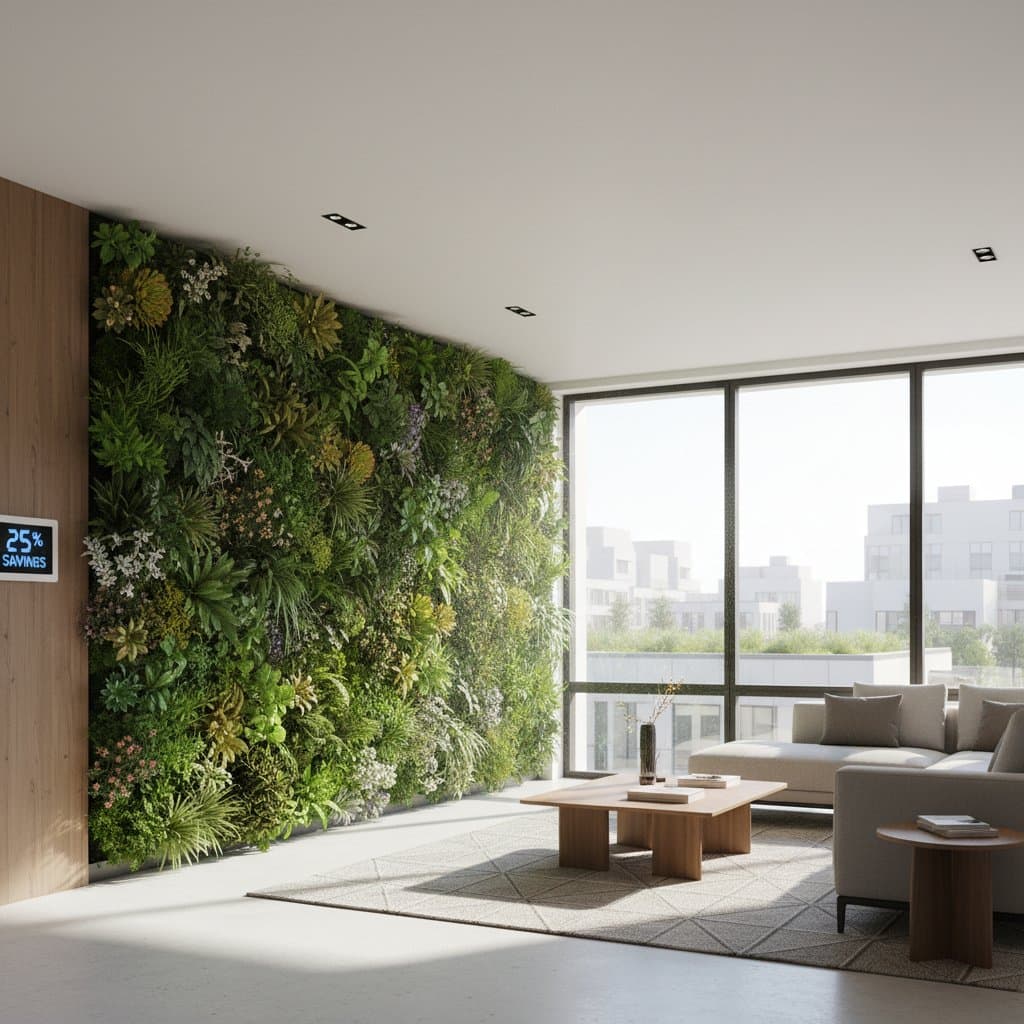
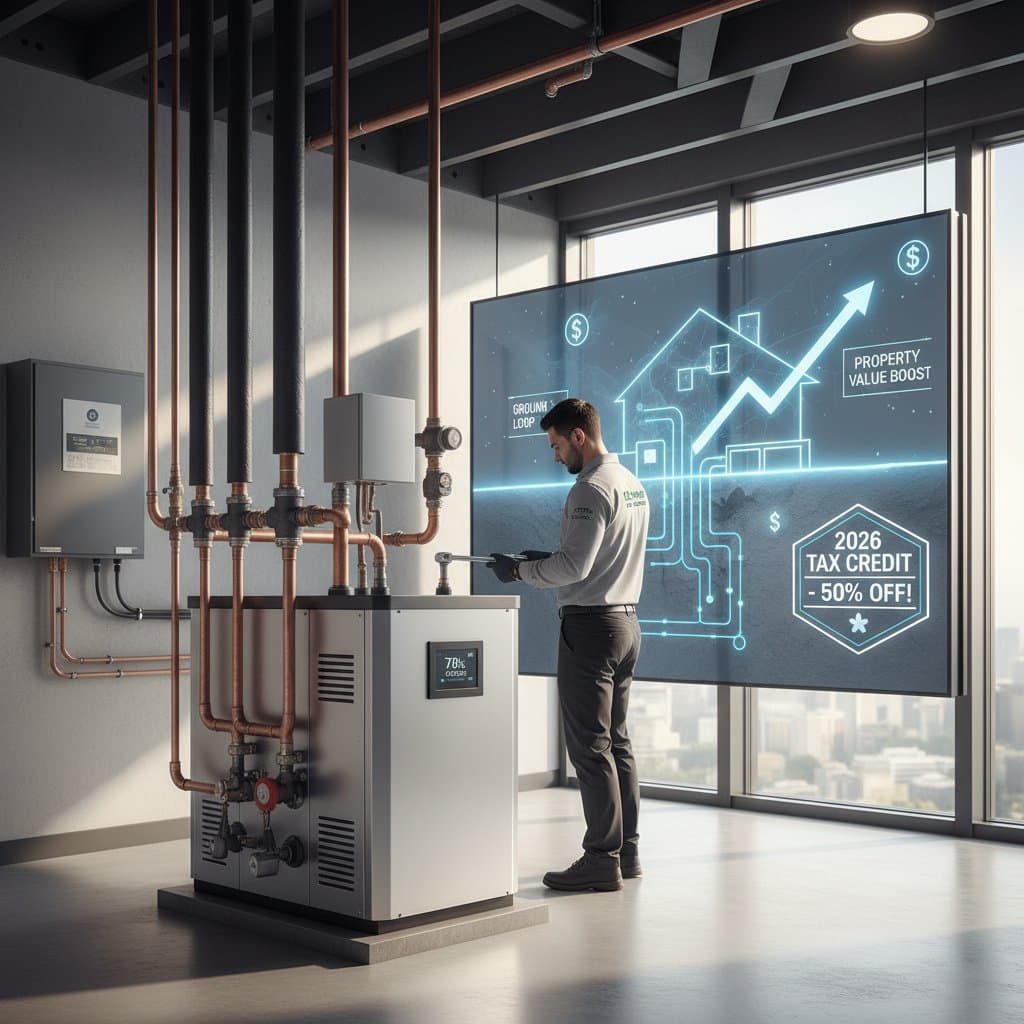
Under the Inflation Reduction Act, homeowners qualify for up to $8,000 in federal tax credits on energy-efficient HVAC retrofits. These upgrades to heat pumps, furnaces, or air conditioners can reduce energy costs by 25 to 50 percent, increase property value, and yield quick returns via credits and rebates.
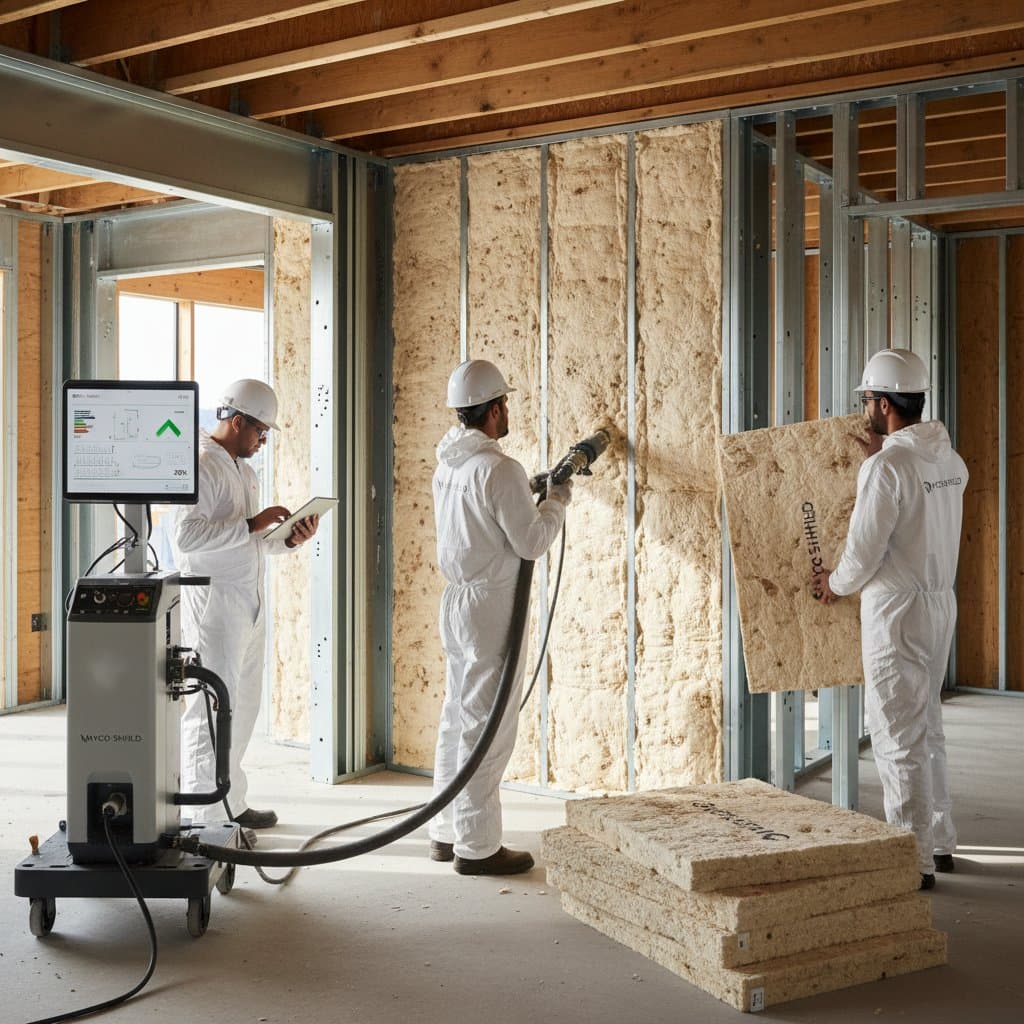
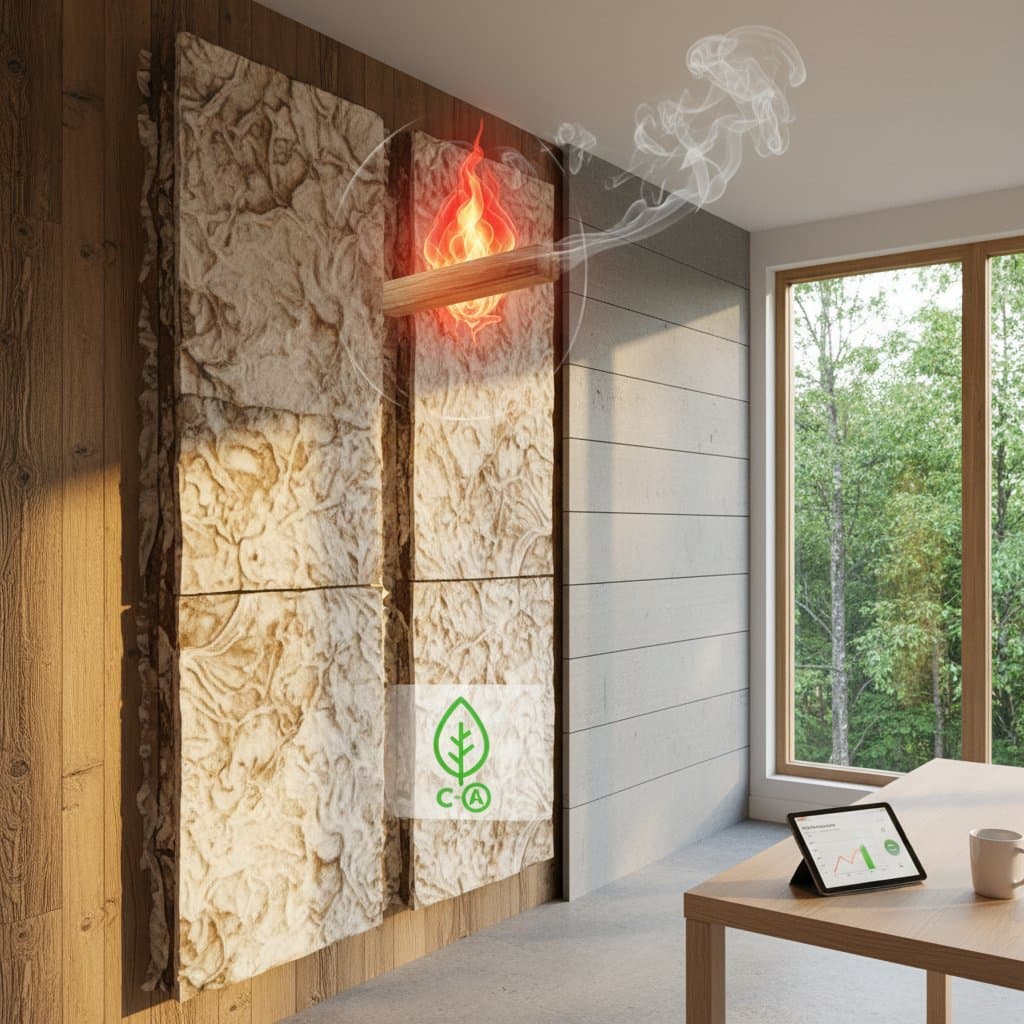
Sustainable building innovation emerges from fungi. Mycelium insulation, derived from mushroom roots, reduces energy bills by up to 30 percent, lowers carbon emissions, and surpasses traditional insulators in safety and comfort. Learn how this eco-friendly, biodegradable option transforms homes for 2025 and beyond.
Upgrading the thermal envelope of a home can reduce heating and cooling expenses by up to 50 percent. Strategic air sealing, enhanced insulation, and high-performance materials deliver greater comfort, increased durability, and higher property value. With payback periods typically under ten years, these improvements provide sustained energy savings, improved indoor air quality, and a more efficient living space.
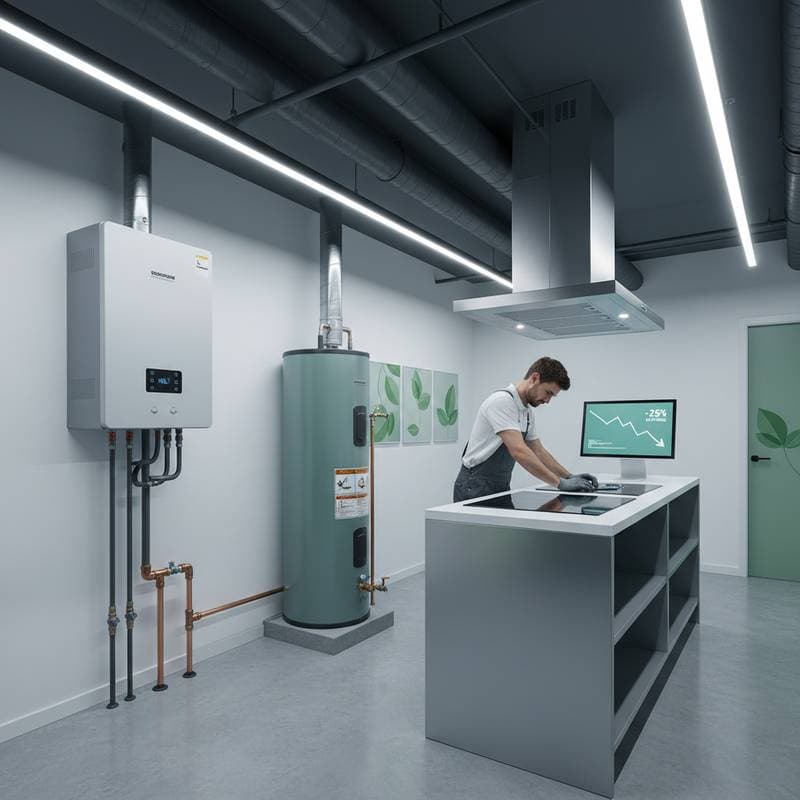
Modernize your kitchen in 2025 with induction retrofits that reduce energy use by up to 65 percent, enhance safety, and remove indoor pollutants. Federal incentives lower upgrade costs, and portable units ease the transition. Electrify your cooktop to improve efficiency, air quality, and overall comfort through targeted retrofits.
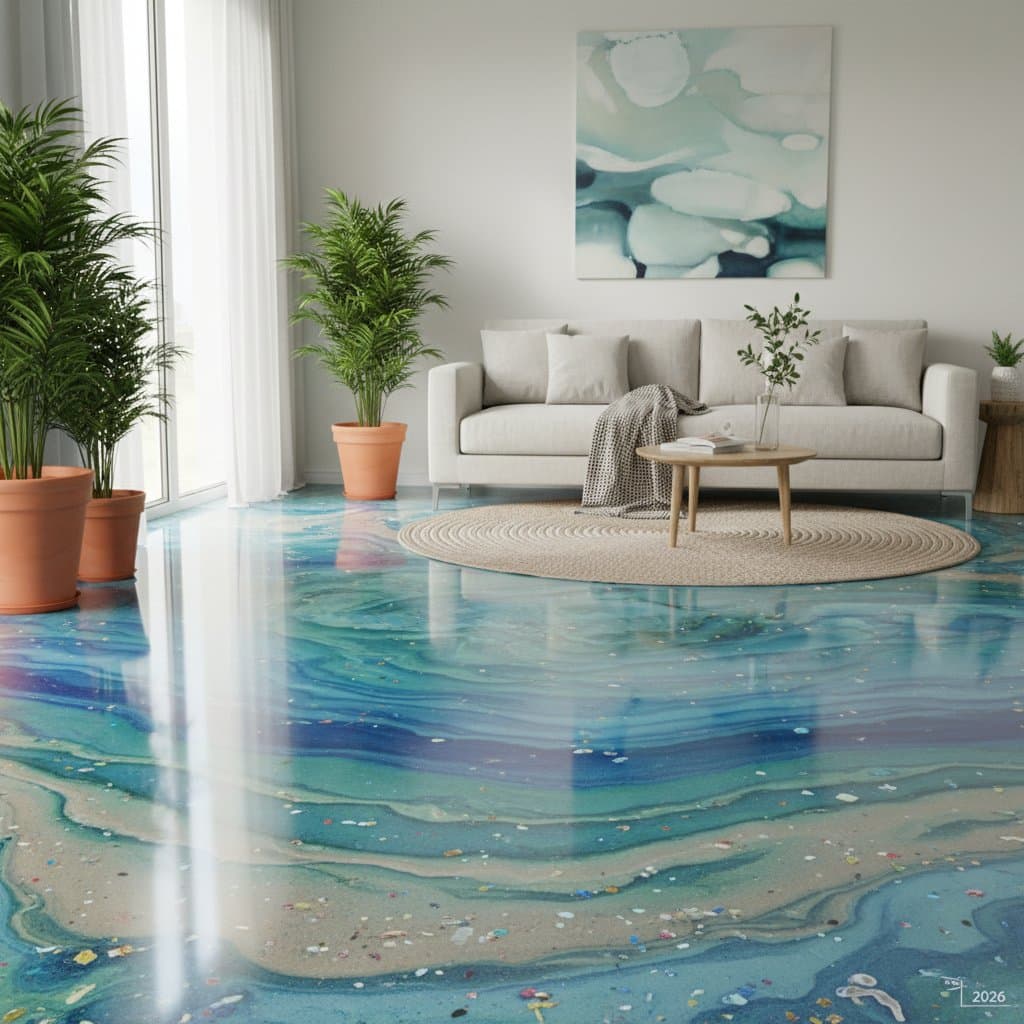
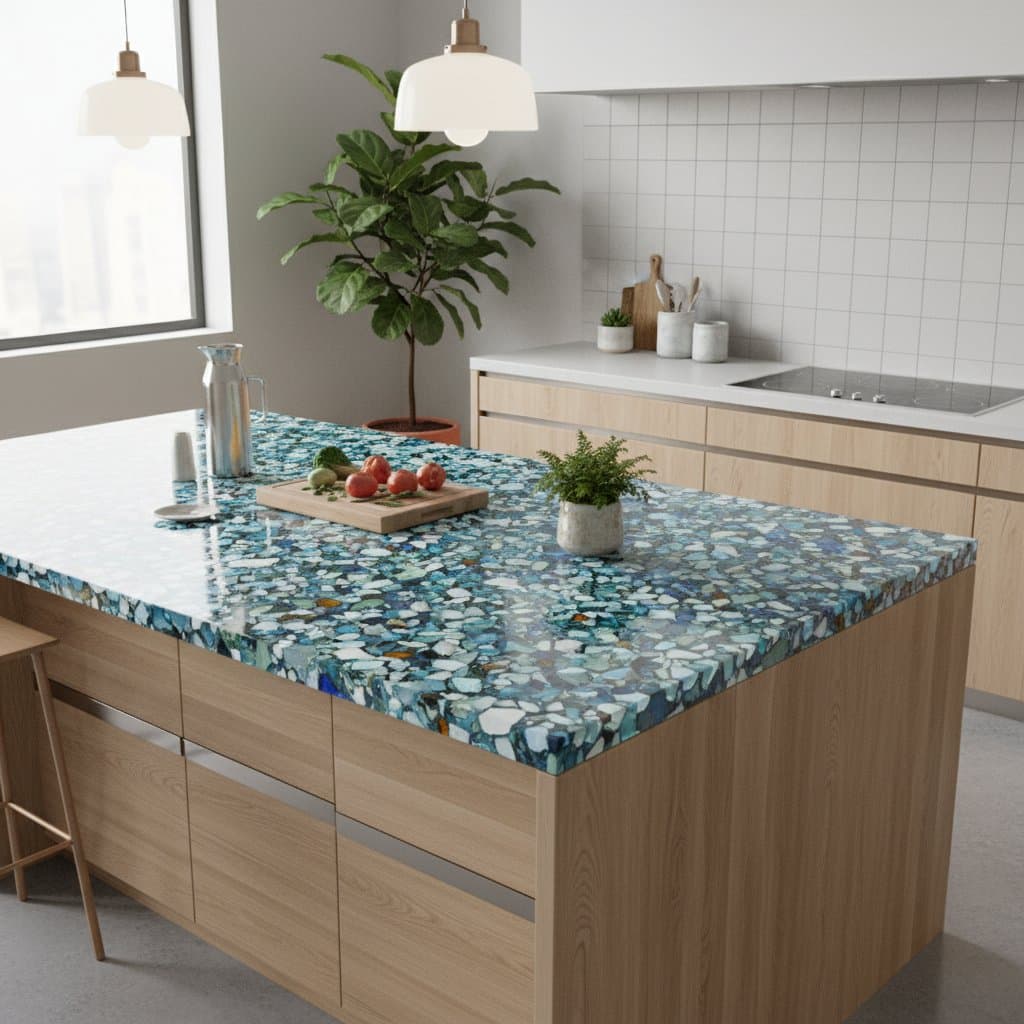
Recycled ocean plastic transforms marine waste into versatile, high-strength building materials that cut carbon emissions, expand design possibilities, and provide economic advantages. As technology advances and sustainability expectations grow, these materials lead the charge toward greener architecture in 2025 and beyond.
In 2025, homeowners embrace electrification by replacing gas with electric systems, achieving up to 40% lower bills, superior comfort, better health, and higher property values. Induction cooktops and heat pumps deliver cleaner air, minimal maintenance, and robust incentives, positioning the switch as a wise financial and environmental choice.
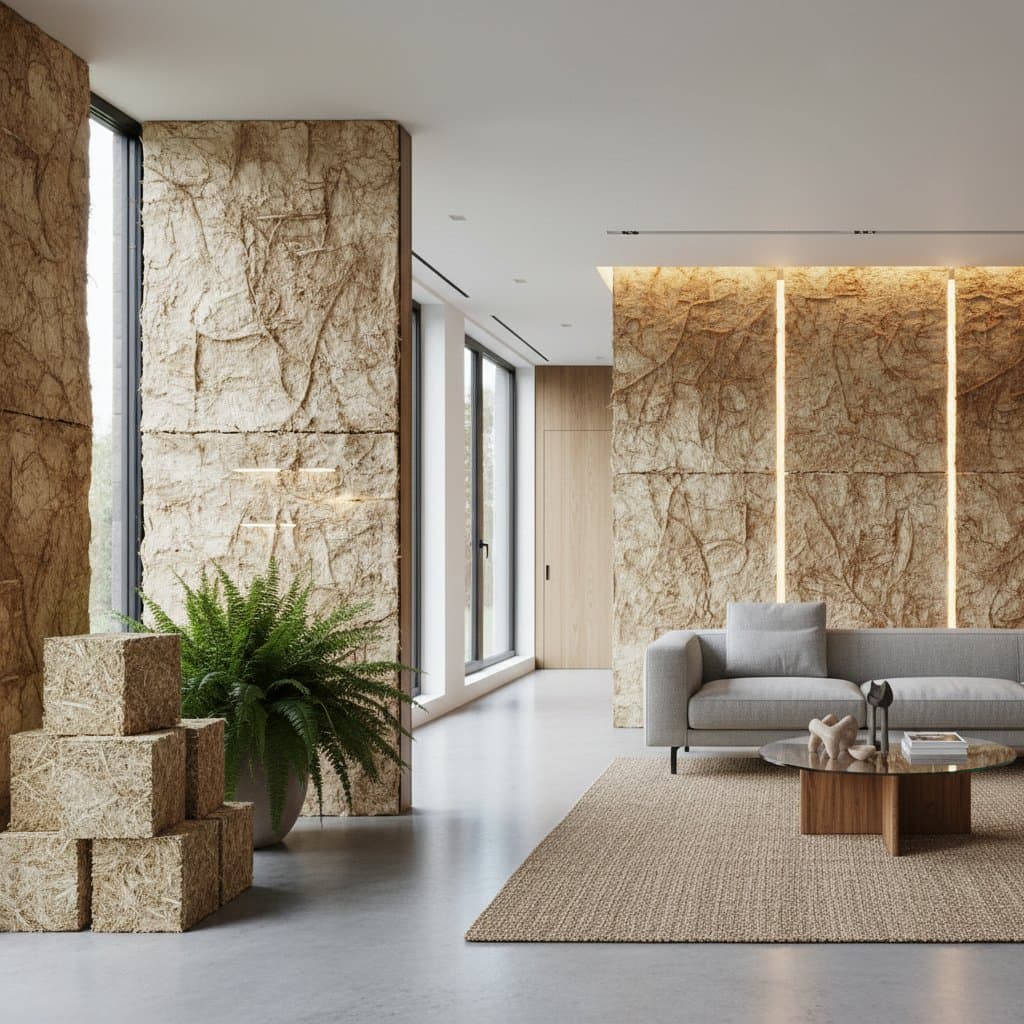
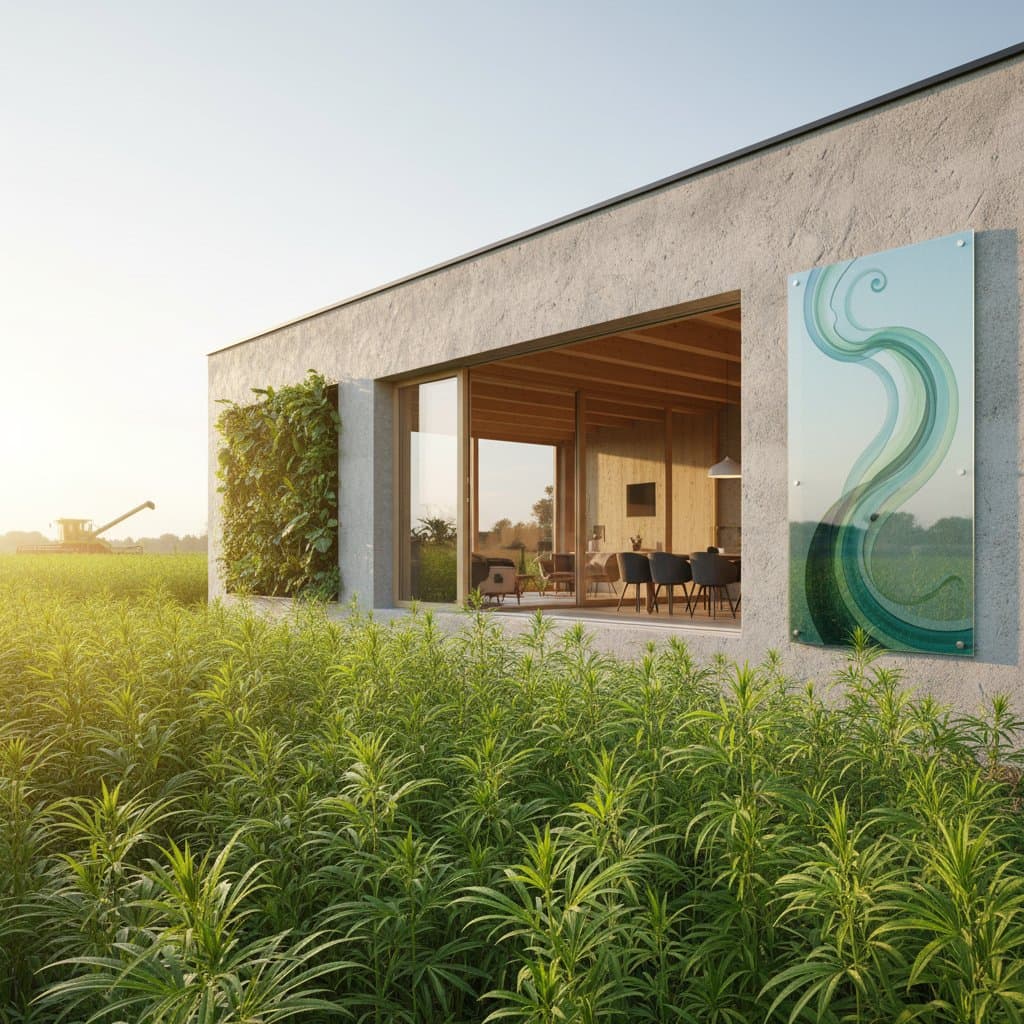
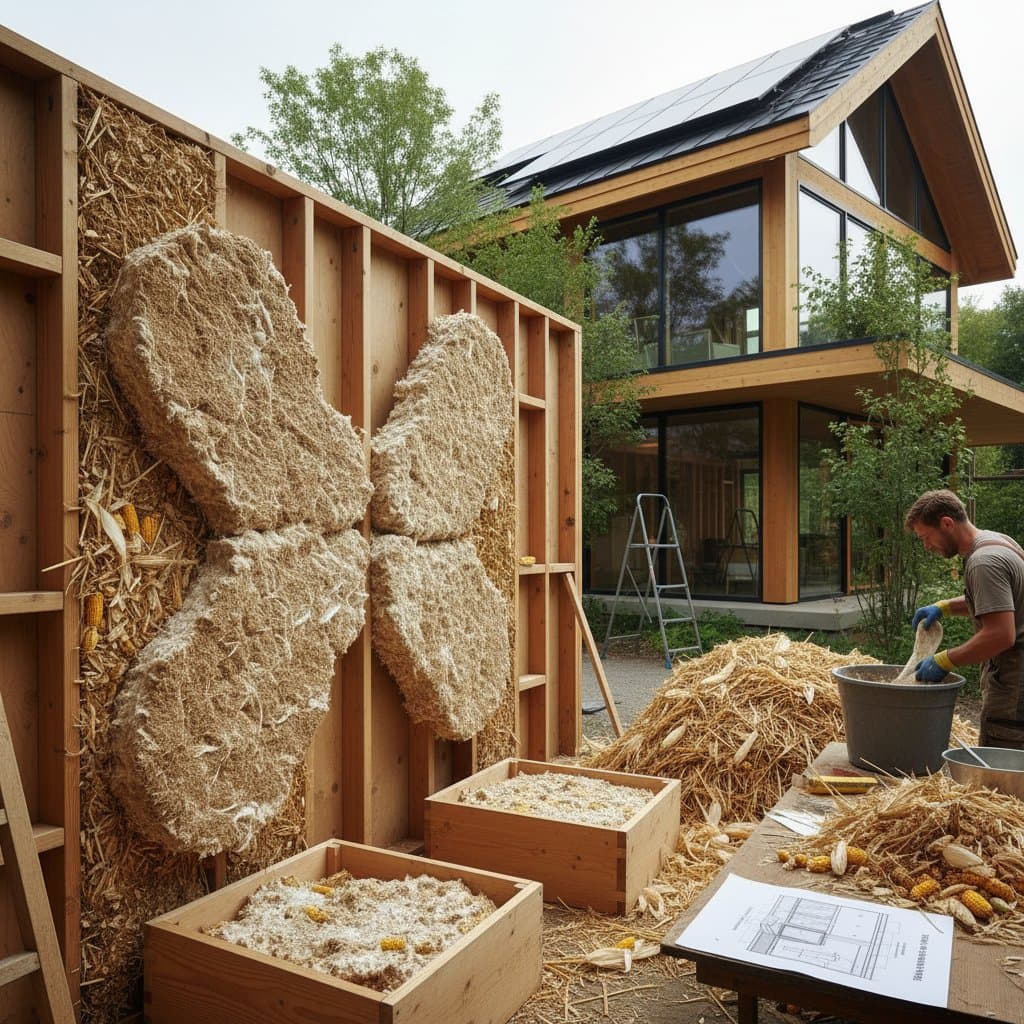
Hempcrete revolutionizes green building with breathable walls made from hemp, lime, and water. It offers superior fire resistance, humidity control, and energy efficiency, delivering lasting comfort and environmental benefits for contemporary homes.
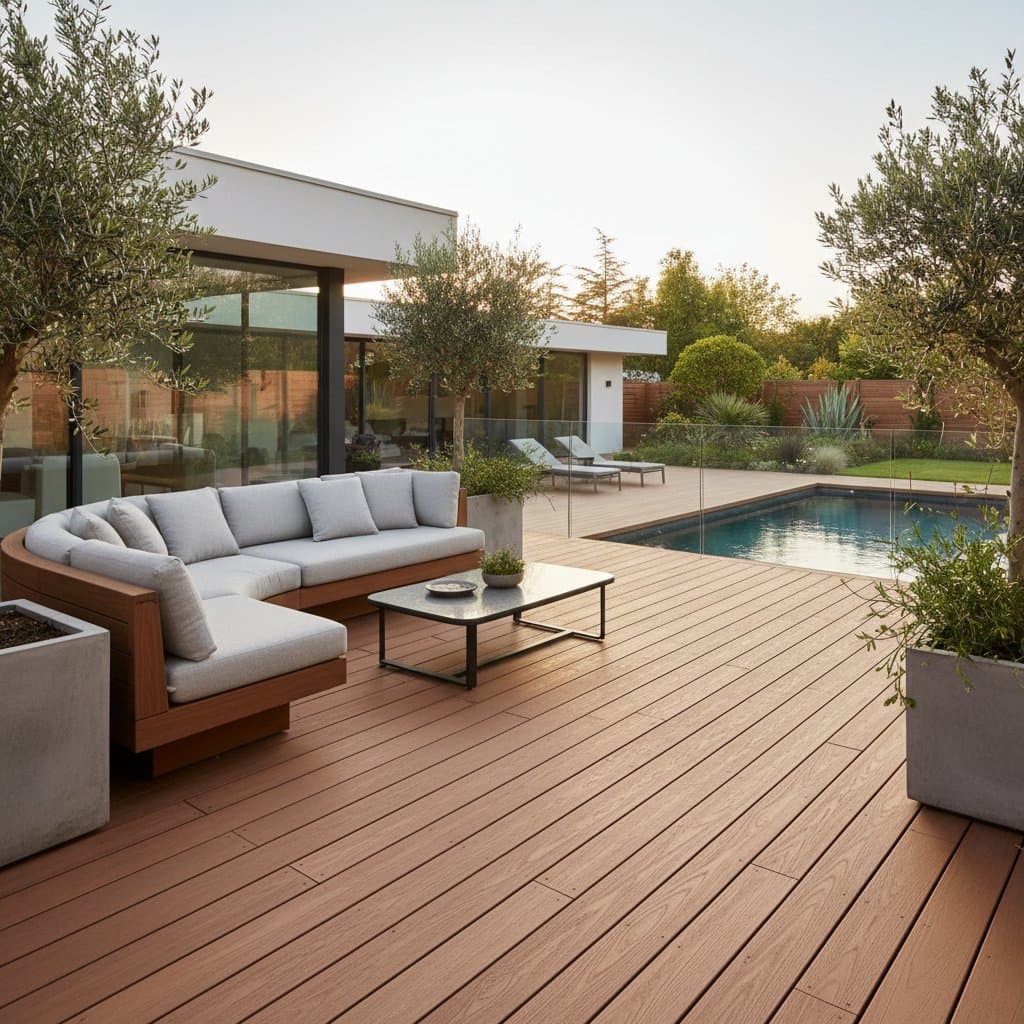
Recycled plastic decking transforms outdoor spaces in 2025 through exceptional durability, reduced maintenance, and sustainable composition. Constructed from up to 95 percent post-consumer plastics, these decks surpass wood in longevity, lower costs, and aesthetic appeal, demonstrating that environmental responsibility enhances modern backyard functionality.
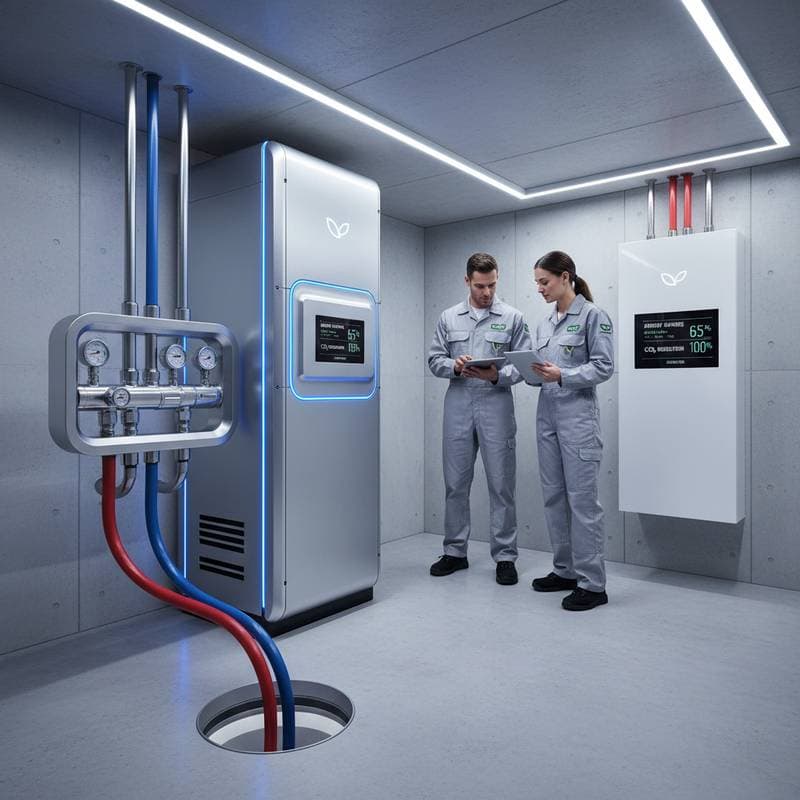
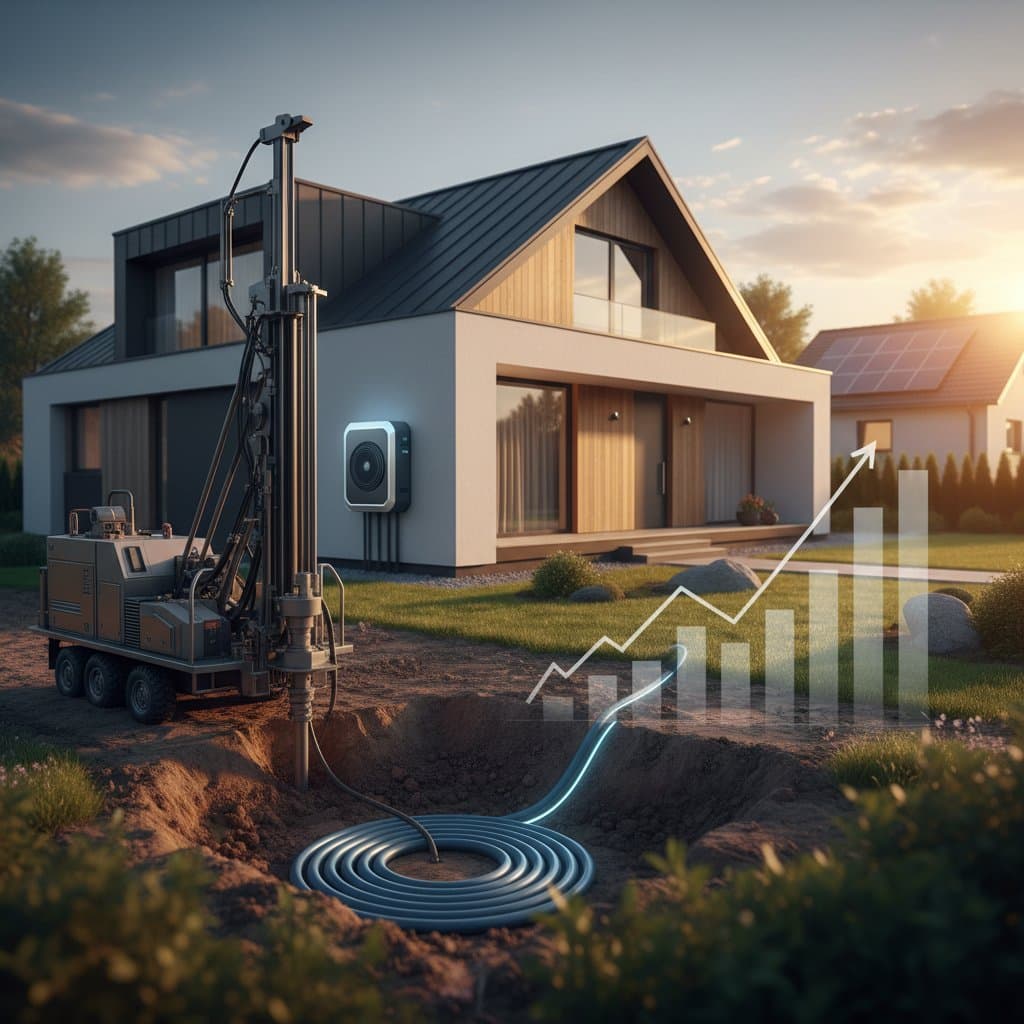
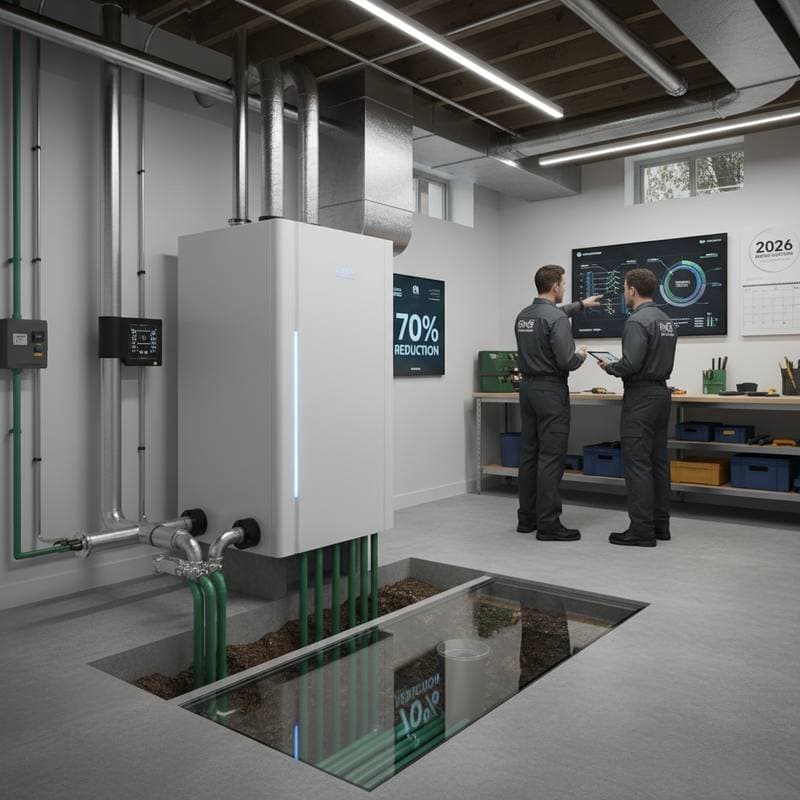
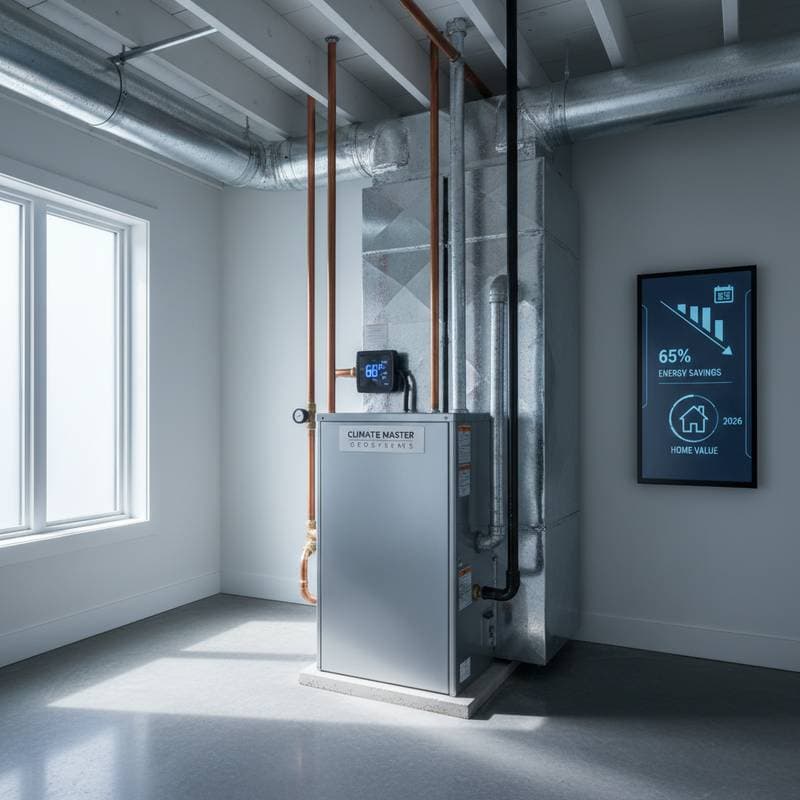
Geothermal HVAC systems harness the earth's constant temperature to reduce energy bills by up to 70 percent. Although initial costs exceed those of traditional systems, the savings on utilities, quiet performance, and environmental advantages position them as the optimal home upgrade for 2025, delivering enduring comfort, sustainability, and strong investment returns.
Targeted thermal envelope upgrades reduce energy costs by up to 40 percent and recover their investment in under three years. Improvements like attic insulation and air sealing enhance comfort, increase durability, and raise home value. Professional audits maximize returns, converting inefficiencies into sustained savings and better indoor air quality.
Mushroom insulation, derived from mycelium, transforms sustainable construction in 2025 through its biodegradable durability, superior thermal performance, and inherent fire resistance. This natural option delivers low-carbon benefits and effective moisture management, surpassing traditional materials to foster healthier living spaces. Delve into regional adaptations, professional installation insights, and enduring advantages that position it as a pivotal eco-building innovation.
Geothermal HVAC systems harness the earth's constant underground temperatures for efficient heating and cooling, delivering up to 70 percent savings on energy bills. Supported by cutting-edge technology, generous incentives, and exceptional durability, 2025 presents an ideal opportunity for homeowners to adopt this sustainable solution that benefits both finances and the environment.
Secure up to $3,200 in 2025 tax credits for geothermal HVAC while slashing energy costs by 65 percent. Federal rebates, professional guidance, and design optimizations make eco-friendly heating and cooling accessible and cost-effective.
Hempcrete blends hemp hurd, lime, and water into a lightweight insulation that sequesters carbon, resists fire, and regulates moisture. This natural material delivers superior thermal performance, health benefits, and cost savings, empowering builders and homeowners to create resilient structures amid evolving sustainability standards.
Recycled shingles transform roofing in 2025 by converting waste materials into robust, energy-saving solutions that minimize costs and environmental impact. These shingles provide superior longevity, weather resistance, and style choices, yielding strong returns through savings and property appreciation. Learn how adopting them supports sustainability while delivering practical and economic advantages.
Federal tax credits introduced in 2025 lower the barriers to geothermal HVAC adoption, reducing initial expenses significantly and providing energy savings of up to 70%. Proper system design and financing options position this technology as a worthwhile investment that improves home comfort, increases property value, and supports environmental goals.
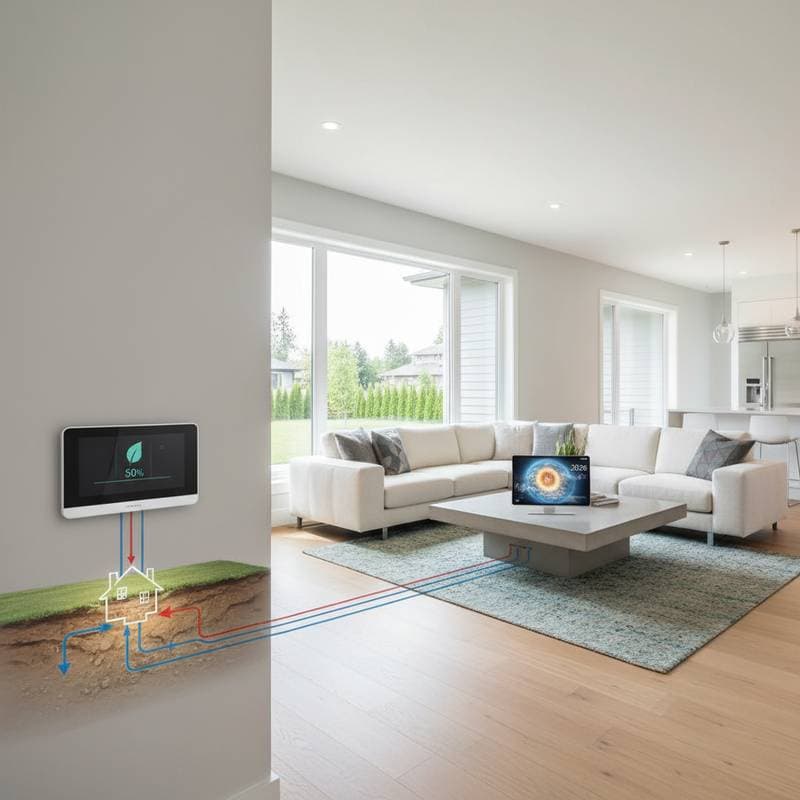
With rising energy prices and a focus on sustainability, homeowners increasingly replace conventional air conditioners with geothermal cooling systems. These innovations leverage the earth's steady temperatures to lower energy consumption by up to 70 percent, provide reliable comfort, and deliver payback within a few years, reshaping efficient and environmentally responsible home living.
Recycled shingles are transforming sustainable roofing in 2025 by converting waste plastics and rubber into robust, attractive, and energy-saving roofs. They minimize landfill contributions, decrease emissions, and deliver cost savings for homeowners via extended durability and lower energy consumption. Learn how these materials foster resilient, environmentally conscious homes and support the circular economy.
Hempcrete is redefining sustainable construction in 2025, offering carbon-storing, moisture-regulating, and energy-efficient insulation made from hemp, lime, and water. Though upfront costs are higher, it delivers long-term savings, healthier indoor air, and lasting durability—making it a smart, eco-forward choice for both new builds and green home retrofits.