Hempcrete Walls Lock Carbon While Cutting Energy Bills
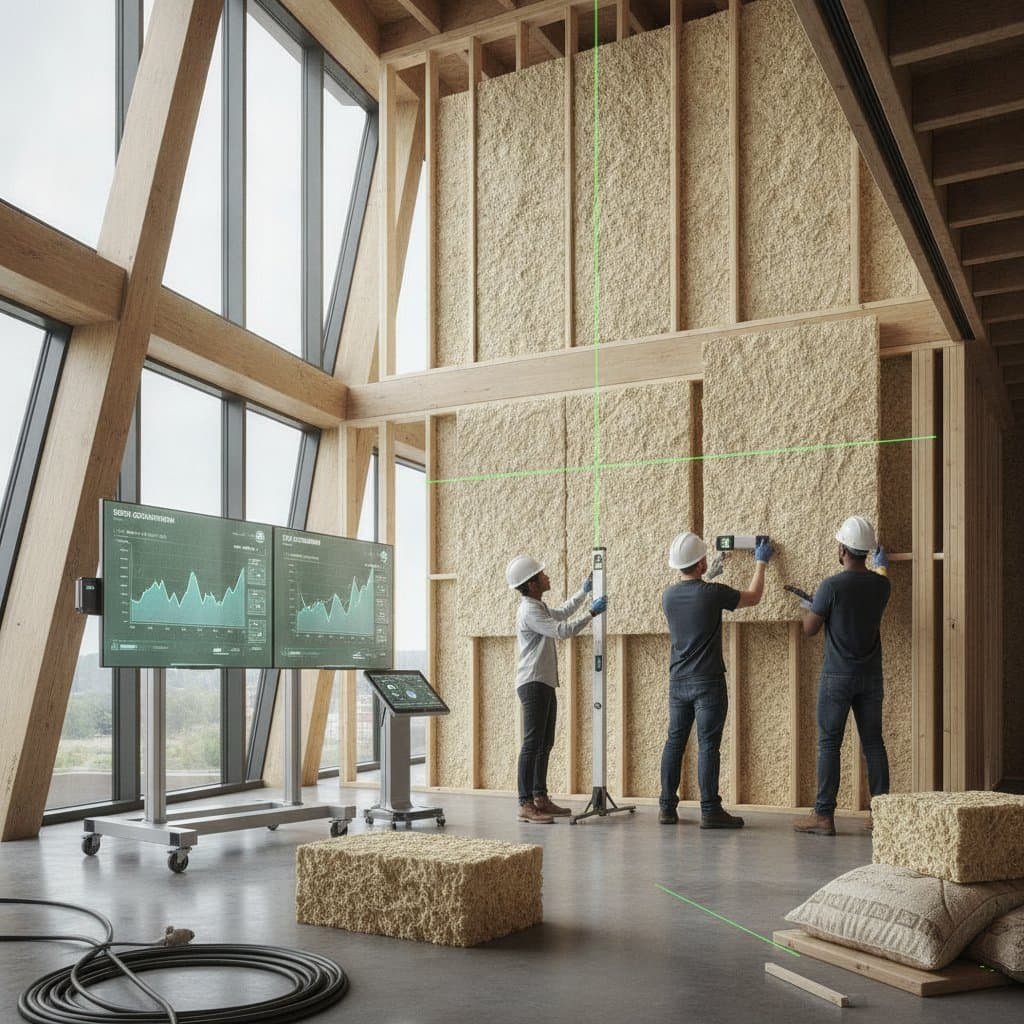
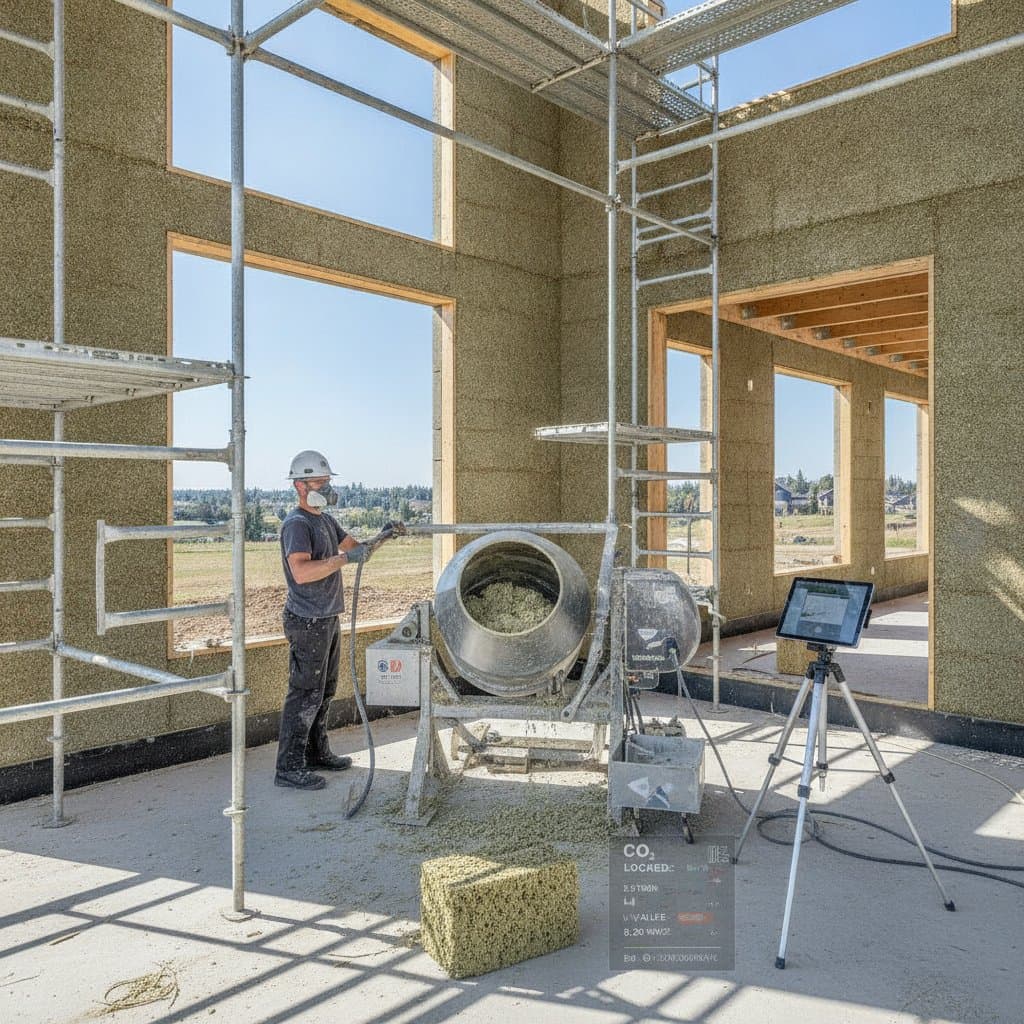
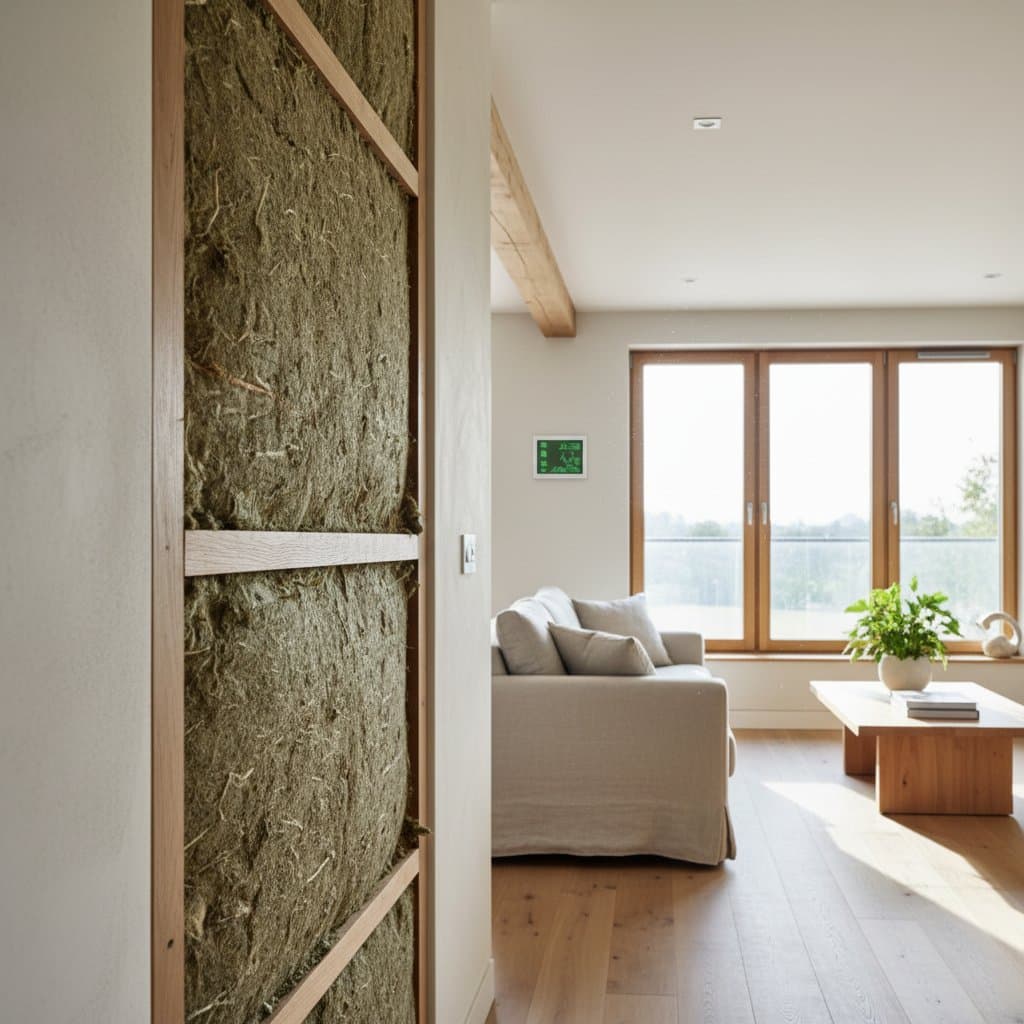
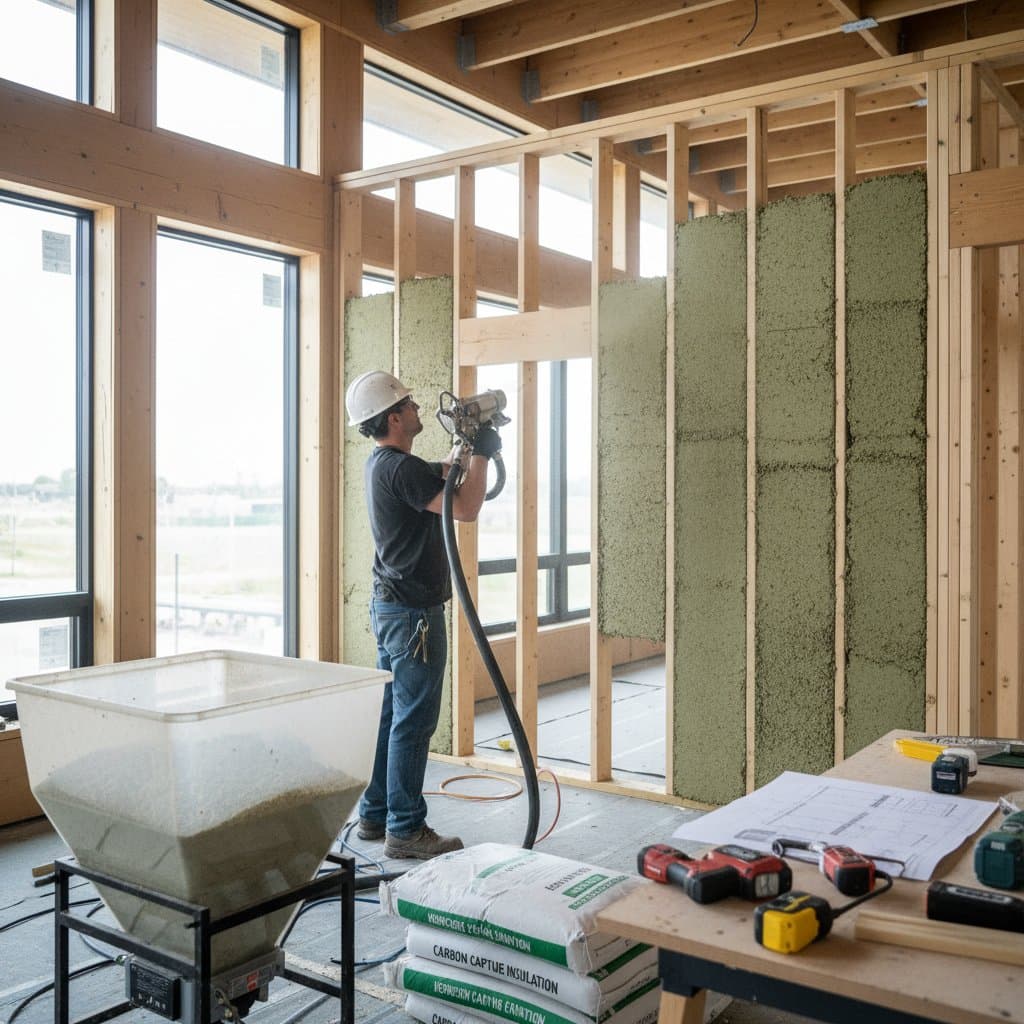
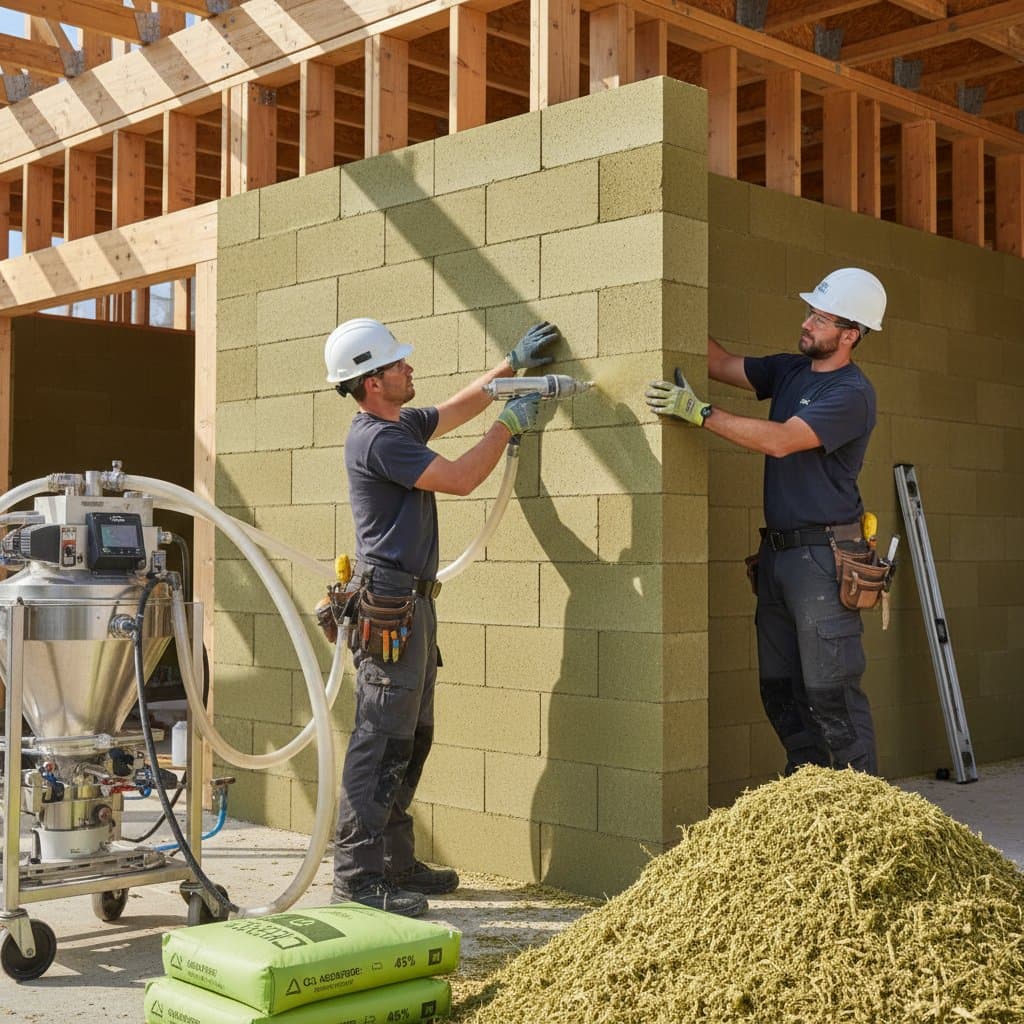
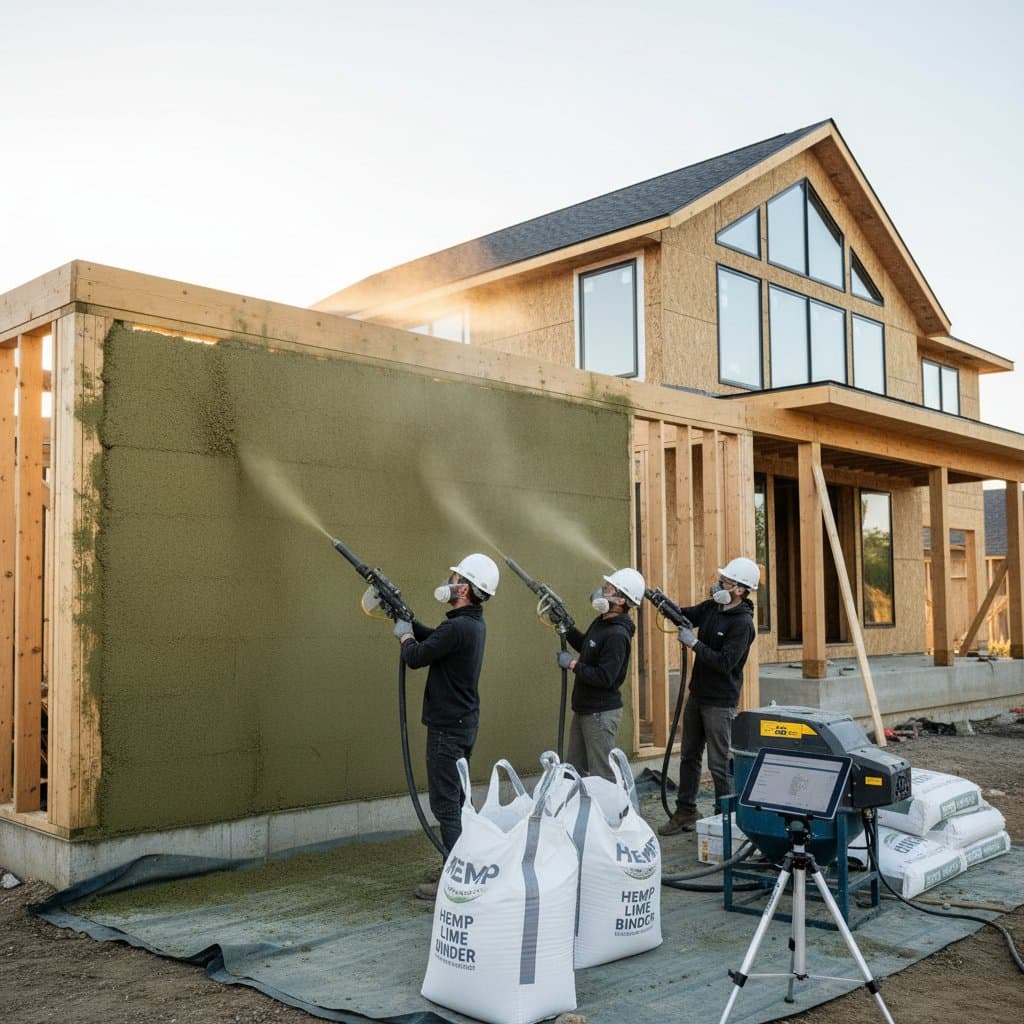
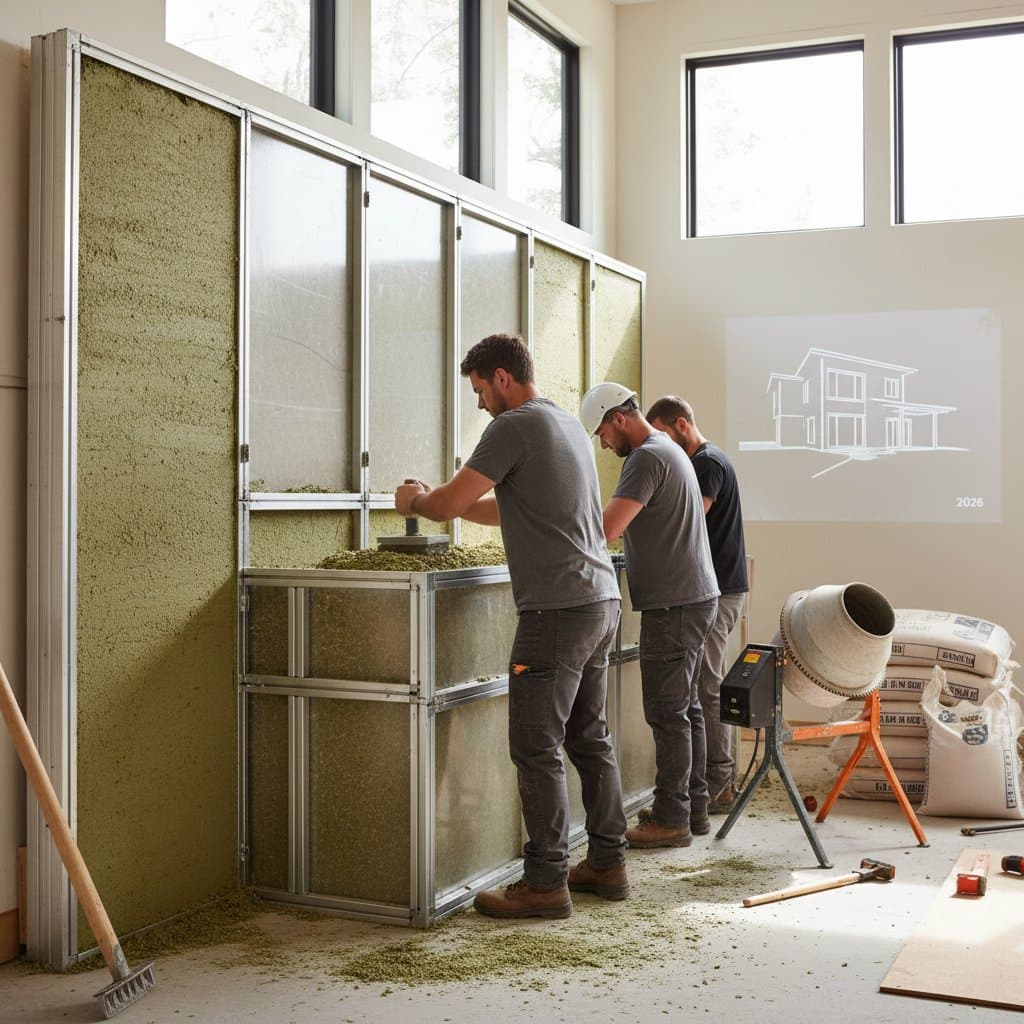
Hempcrete delivers carbon storing breathable insulation made from hemp, lime, and water. It improves comfort, cuts long term energy use, and supports net zero goals.
Loading...
Articles tagged with bio-based-insulation
Hempcrete delivers carbon storing breathable insulation made from hemp, lime, and water. It improves comfort, cuts long term energy use, and supports net zero goals.
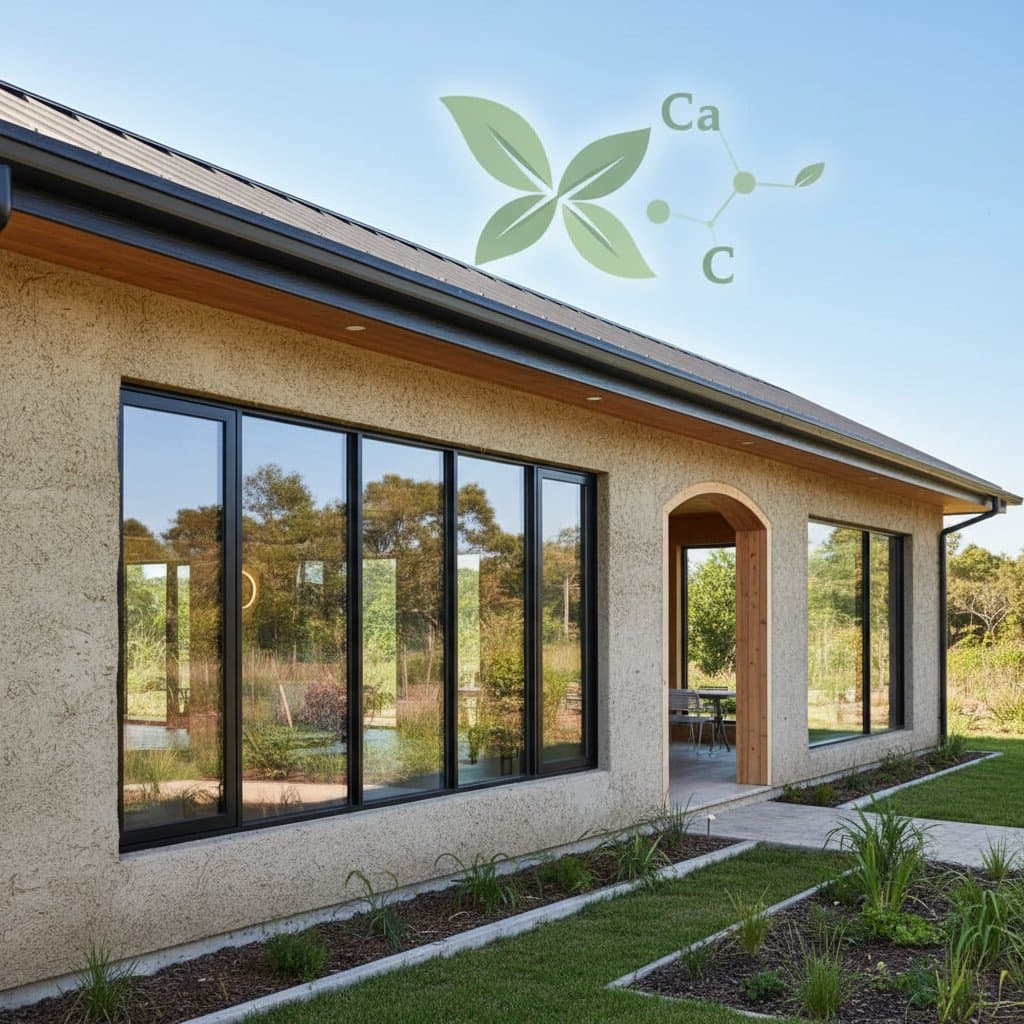
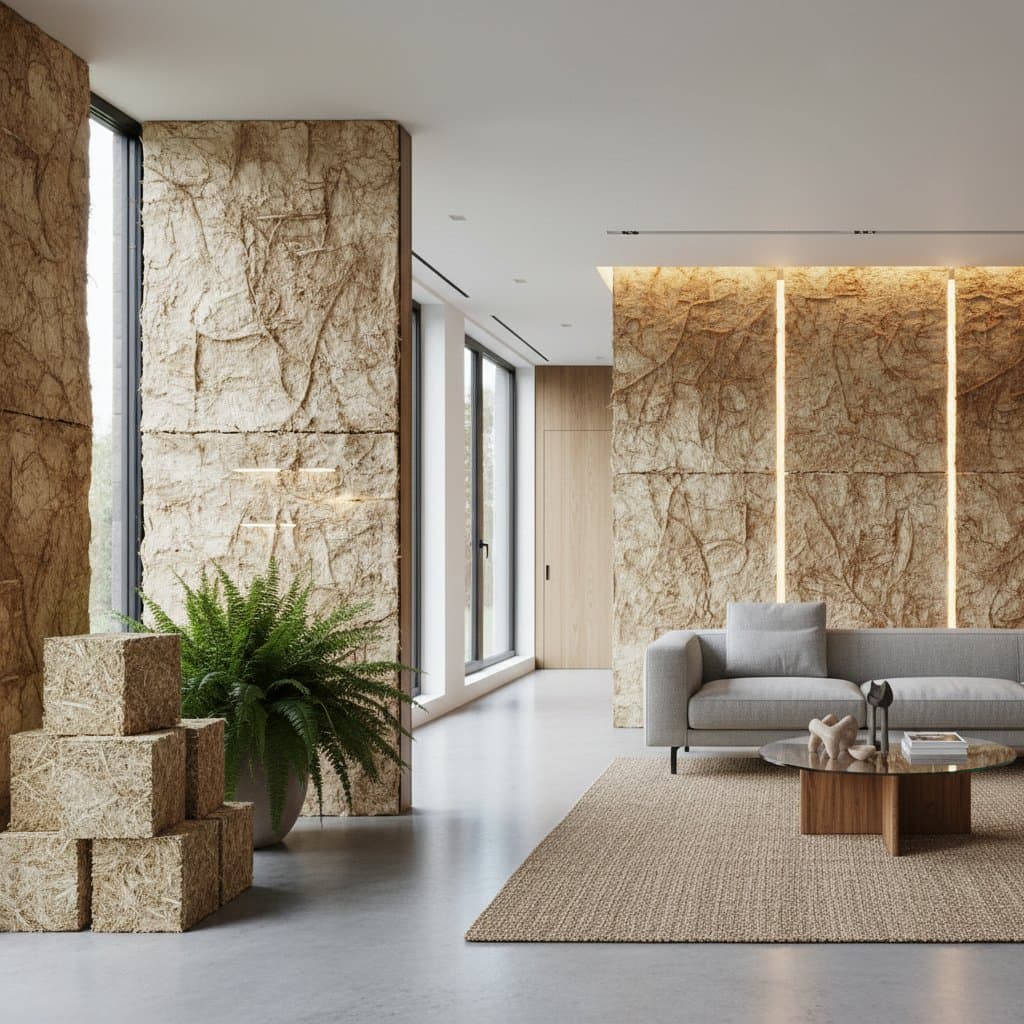
Hempcrete redefines green construction through fire resistance, carbon storage, and natural insulation. Made from hemp, lime, and water, it delivers durability, comfort, and reduced energy use for eco-conscious projects.
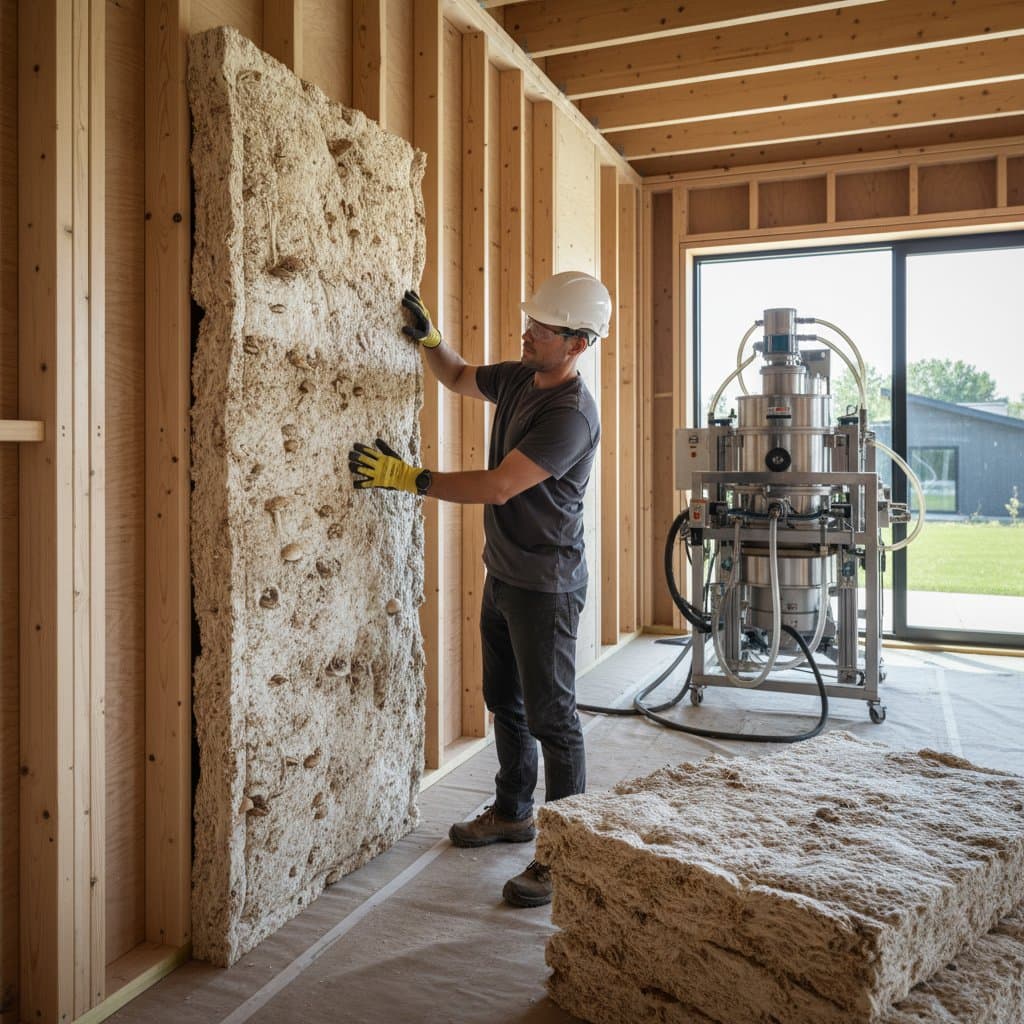
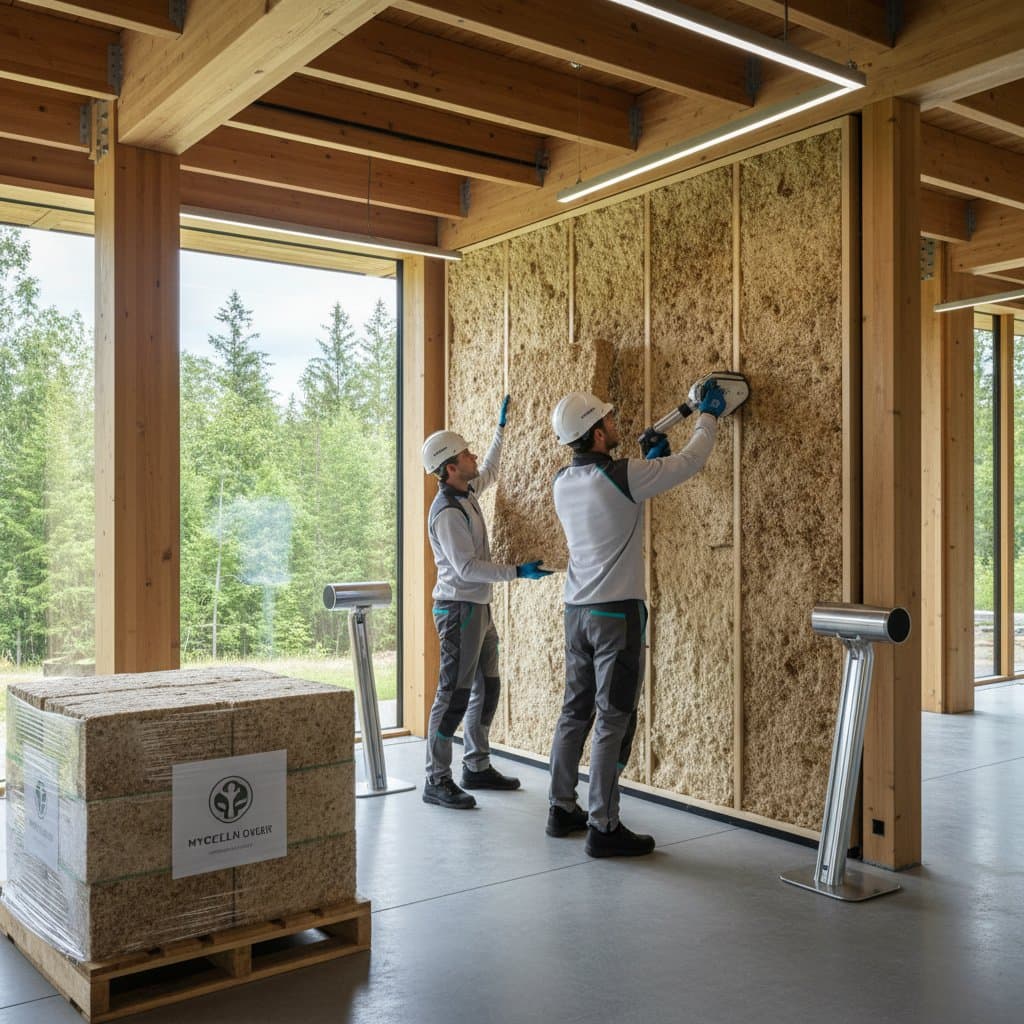
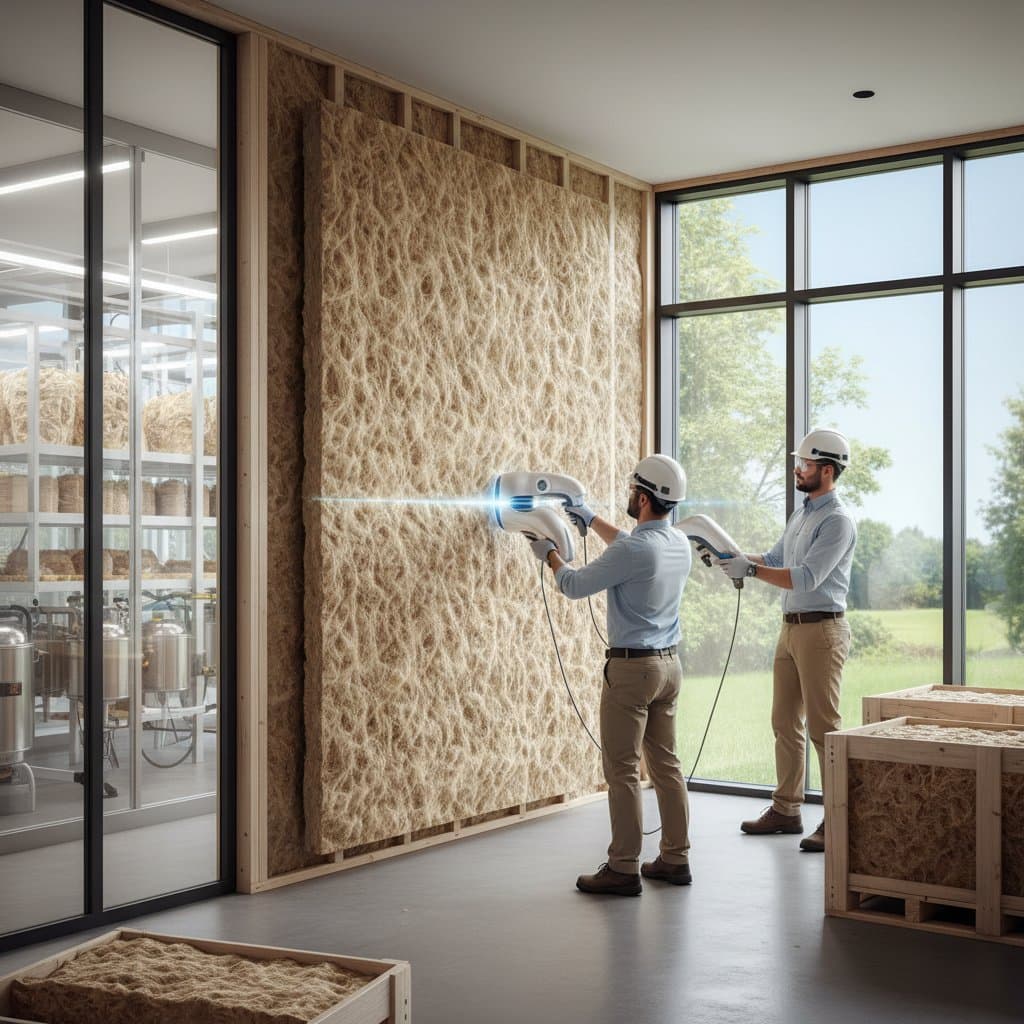
Mycelium, the root structure of mushrooms, transforms green construction with insulation that cuts energy costs up to 25 percent. Grown from agricultural waste, it is biodegradable, fire-resistant, and carbon-sequestering. Mushroom insulation combines sustainability, performance, and comfort as a regenerative alternative to traditional materials.
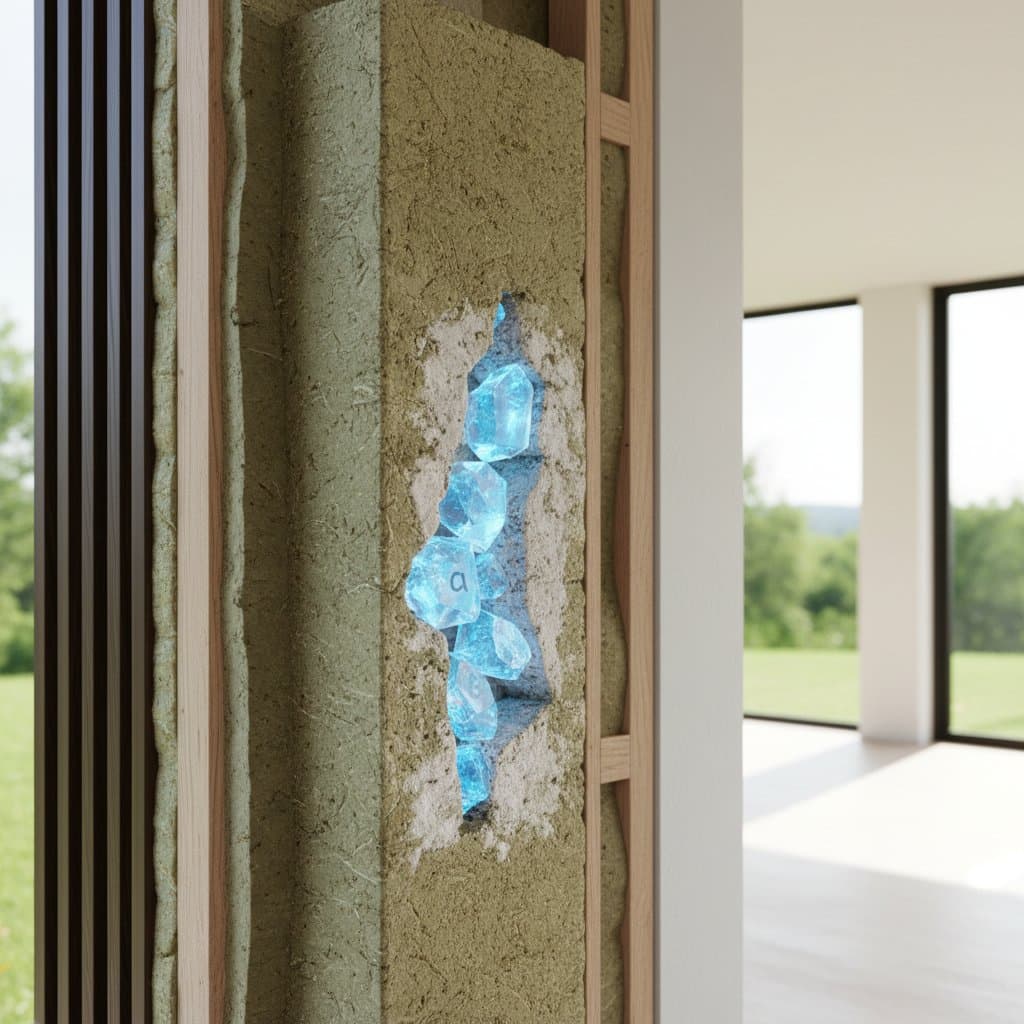
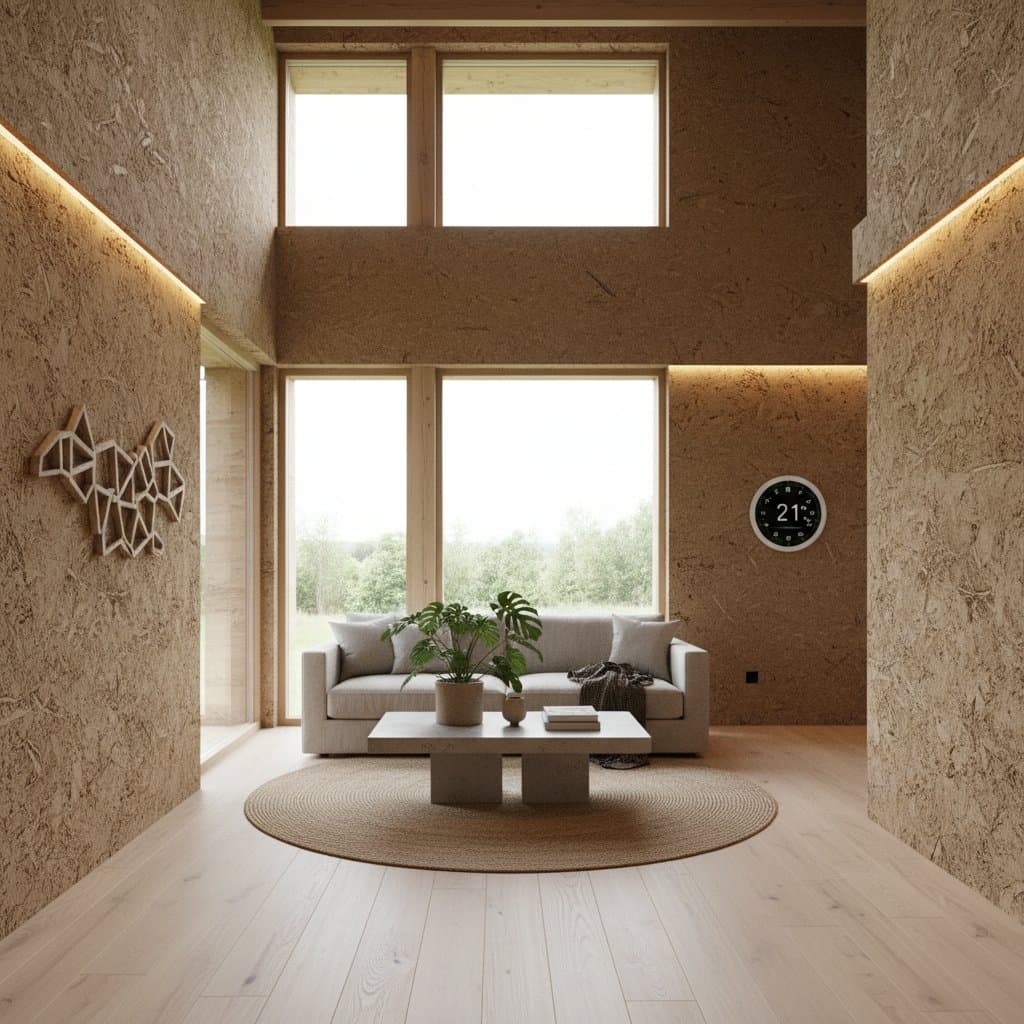
By 2026, homes could actively contribute to climate solutions through carbon-sequestering insulation such as hempcrete. These materials integrate carbon storage into everyday walls, while managing heat and humidity for improved comfort. Despite higher initial costs, they deliver long-term savings on energy, superior indoor air quality, and increased property values, signaling a transformative era in eco-friendly housing.
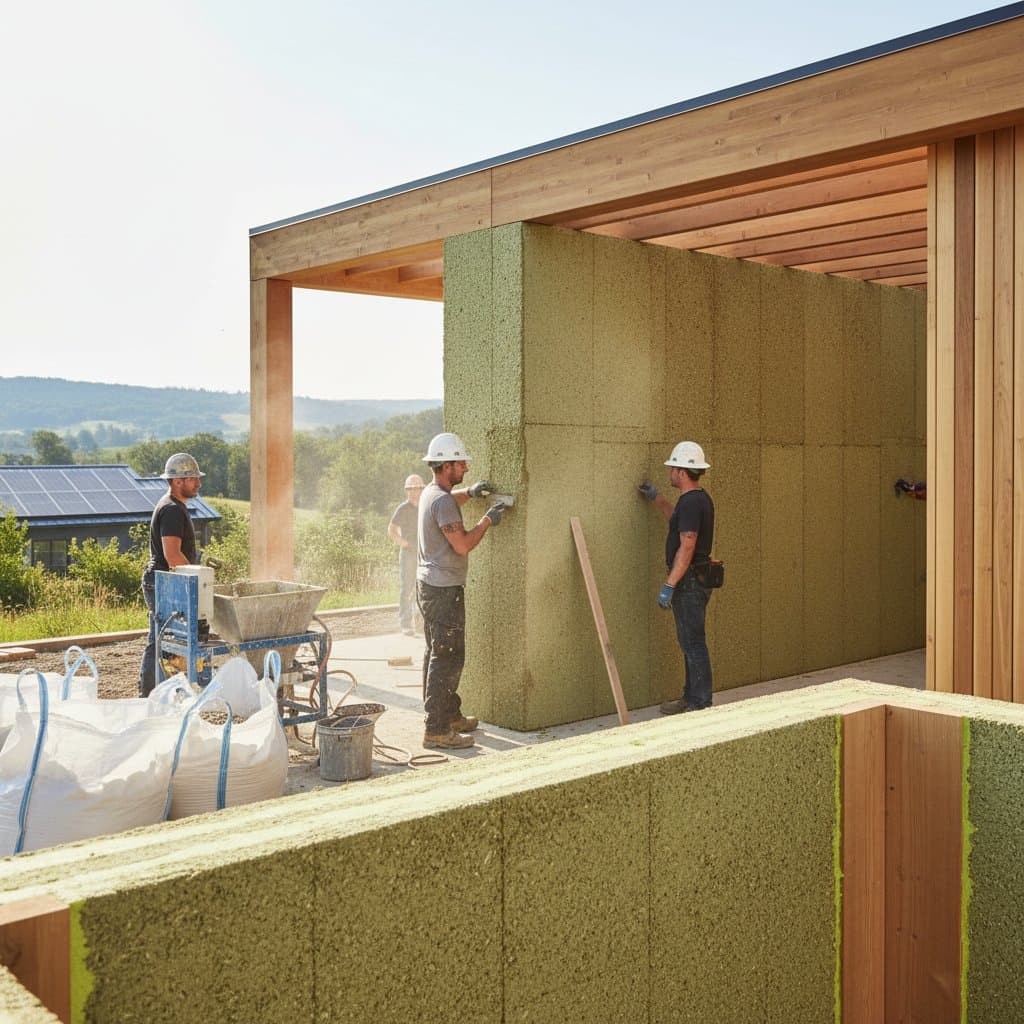
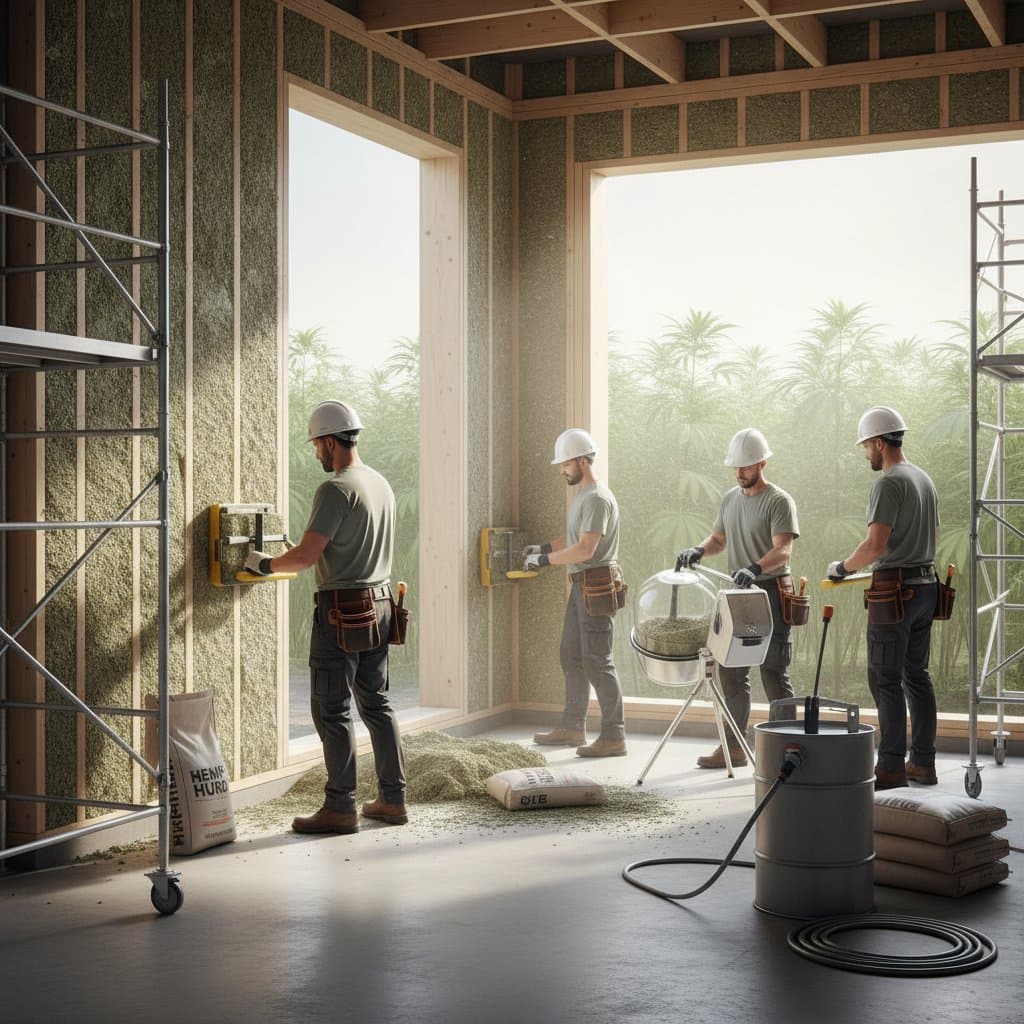
Hempcrete revolutionizes green construction by sequestering carbon rather than releasing it. Composed of hemp hurds, lime, and water, this material provides exceptional durability, energy efficiency, and moisture management. Although the initial investment exceeds traditional options, the carbon-negative properties and enduring cost savings position hempcrete as an ideal selection for environmentally responsible construction projects.
In 2026, hempcrete walls redefine sustainable architecture by offering natural insulation, carbon sequestration, and enduring comfort. Despite higher upfront costs, they yield substantial energy savings, enhanced durability, and improved indoor air quality for long-term value. Discover the transformative potential of this breathable, carbon-negative building solution.
Mycelium insulation, derived from fungal roots, promises to cut home energy bills by 50% by 2026 and lower carbon emissions. This lightweight, fire-resistant, and biodegradable option surpasses traditional insulations in sustainability and indoor health benefits. With quick returns on investment, carbon-negative manufacturing, and increasing availability, it transforms homes into efficient, future-proof spaces.
Mycelium insulation, derived from fungal networks, transforms sustainable construction through its natural fire resistance, carbon sequestration capabilities, and energy efficiency gains of up to 30 percent. Although initial costs exceed those of traditional options, expanded production will likely achieve affordability by 2026. This compostable, non-toxic material delivers superior performance and positions itself as a viable alternative to conventional insulation in future eco-friendly homes.
Hempcrete redefines sustainable building through its carbon-sequestering, breathable insulation derived from hemp, lime, and water. This material delivers exceptional thermal comfort, effective moisture management, and substantial long-term savings. Although the upfront investment exceeds that of conventional options, the enduring benefits in durability, efficiency, and well-being position hempcrete as an intelligent, forward-thinking solution for construction.
Hempcrete walls combine insulation with carbon storage for efficient, breathable homes. Crafted from hemp hurd, lime, and water, it controls temperature, humidity, and emissions. As regulations advance, hempcrete leads in eco-friendly construction for lasting comfort and reduced impact.
Hempcrete walls actively lock away carbon, manage humidity levels, and lower energy consumption, providing robust protection against pests, mold, and fire. Despite higher upfront costs, they yield significant savings and environmental gains over time. With advancing techniques and updating building codes, hempcrete emerges as a key player in carbon-neutral building by 2026.
Hempcrete transforms sustainable building by sequestering carbon, managing moisture, and reducing energy consumption by up to 50 percent. Initial expenses surpass traditional options, yet enduring savings, resilience, and superior air quality position it as a wise choice. With expanding supply networks, hempcrete emerges as a viable carbon-negative material by 2026.
Hempcrete revolutionizes building practices by combining superior insulation with ongoing carbon sequestration. Crafted from hemp hurds, lime, and water, this material ensures fire resistance, moisture regulation, and enhanced indoor comfort. Ideal for diverse climates and projects, hempcrete delivers enduring environmental and economic benefits for forward-thinking homeowners.
Hempcrete is transforming sustainable construction by creating carbon-negative, energy-efficient homes. Made from hemp, lime, and water, it locks away CO₂, cuts energy use up to 50%, and improves indoor comfort. With incentives and cost paybacks expected by 2026, hempcrete could soon redefine eco-friendly building standards worldwide.
Hempcrete walls transform sustainable construction with their lightweight design, breathability, and carbon sequestration capabilities. These walls reduce energy expenses, enhance indoor comfort, and improve air quality. Although initial costs exceed those of traditional options, the material's longevity and performance yield substantial savings over time. As supply chains mature and designs evolve, hempcrete stands ready to anchor green housing trends by 2026.
Mycelium insulation, cultivated from mushroom roots, transforms residential energy use by 2026 with potential HVAC cost reductions of up to 50%. This renewable and biodegradable option excels in thermal performance, moisture control, and acoustic insulation, surpassing traditional materials. As manufacturing expands and prices decline, it emerges as a key element in designing energy-efficient, environmentally responsible living spaces.
Mycelium insulation revolutionizes green construction in 2026 through bio-based panels derived from fungi and agricultural waste. This compostable, non-toxic option excels in moisture regulation, carbon reduction, and circular economy support. Builders and homeowners adopt it for superior comfort, energy efficiency, and regenerative sustainable design.
Hempcrete walls decrease heating and cooling expenses by as much as 50 percent, sequester carbon, and improve indoor environments. This renewable building material regulates temperature and humidity effectively, increases home worth, and supports occupant well-being. When incorporated into comprehensive smart designs, hempcrete provides enduring financial benefits and environmental advantages, transforming sustainable home construction in 2026.
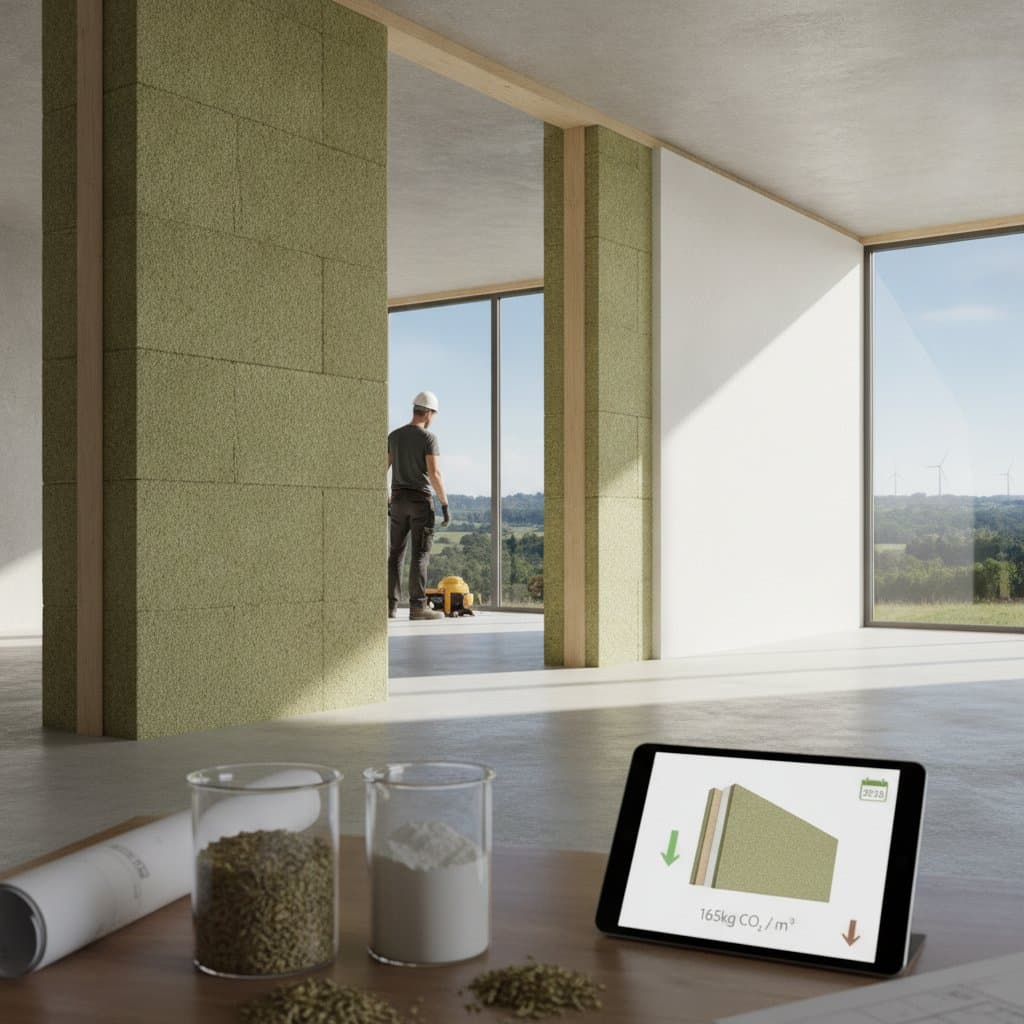
Hempcrete transforms sustainable construction by converting walls into carbon sinks. Composed of hemp hurd and lime, this bio-based material sequesters more CO₂ than it produces, reduces energy use by up to 30 percent, and elevates indoor air quality, providing builders with a resilient, environmentally sound option that influences green building practices into 2026 and further.
Hempcrete revolutionizes sustainable building by creating walls that store carbon and provide breathable insulation. Although initial costs exceed those of traditional options, the material delivers substantial energy savings, enhanced health outcomes, and superior carbon metrics for lasting value. With advancing green standards, hempcrete emerges as a vital element in climate-resilient housing by 2026.