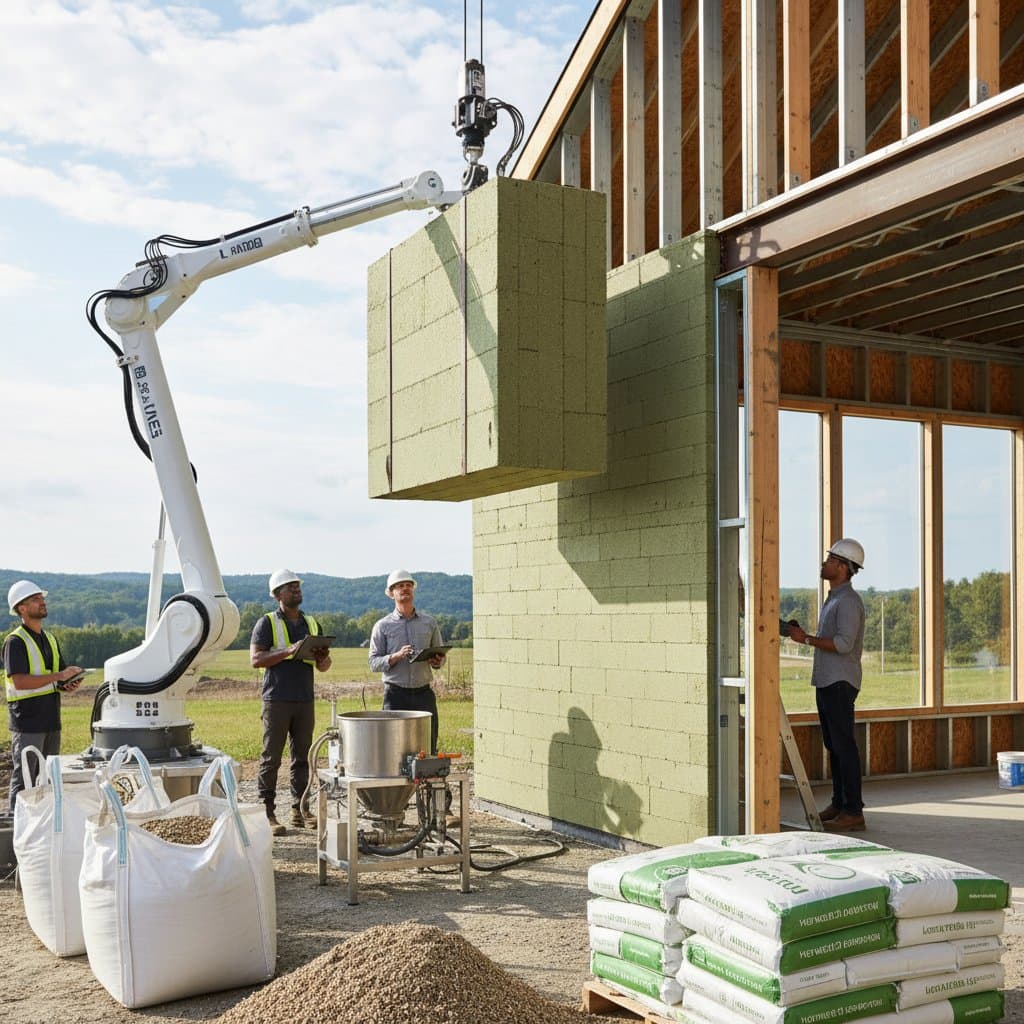
Mycelium Insulation: Living Walls That Breathe and Save Energy
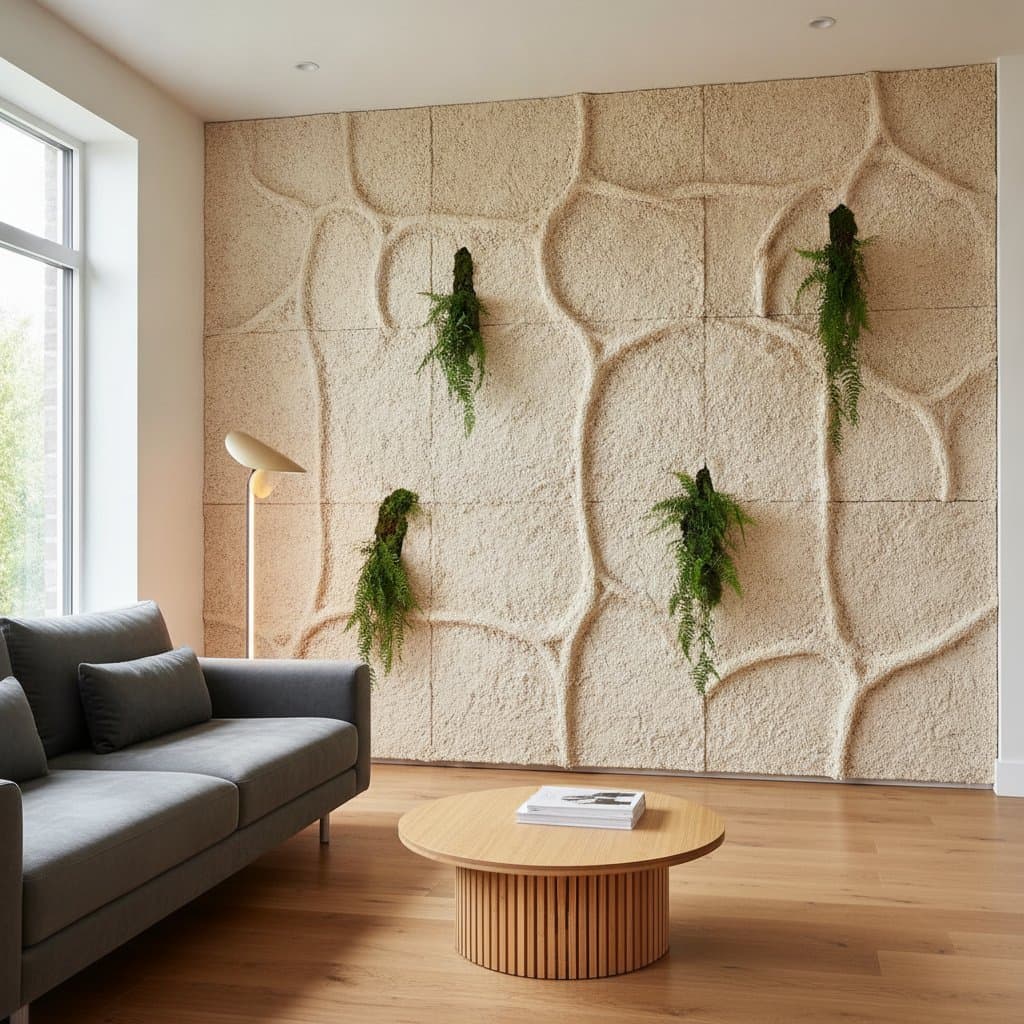
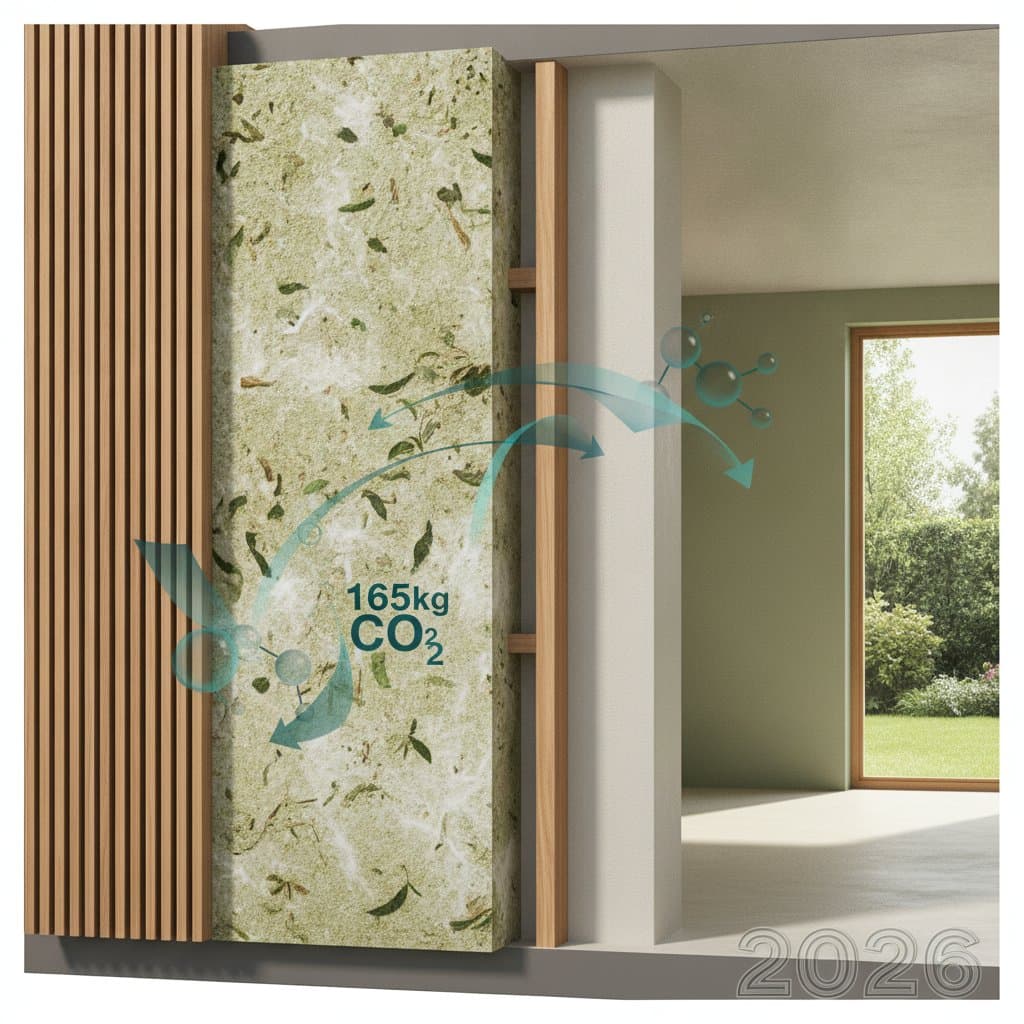
Mycelium insulation grows from agricultural waste into a biodegradable, fire resistant material that improves thermal comfort and indoor air quality while cutting long term energy costs.
Loading...
Articles tagged with 2026 - Page 2
Mycelium insulation grows from agricultural waste into a biodegradable, fire resistant material that improves thermal comfort and indoor air quality while cutting long term energy costs.
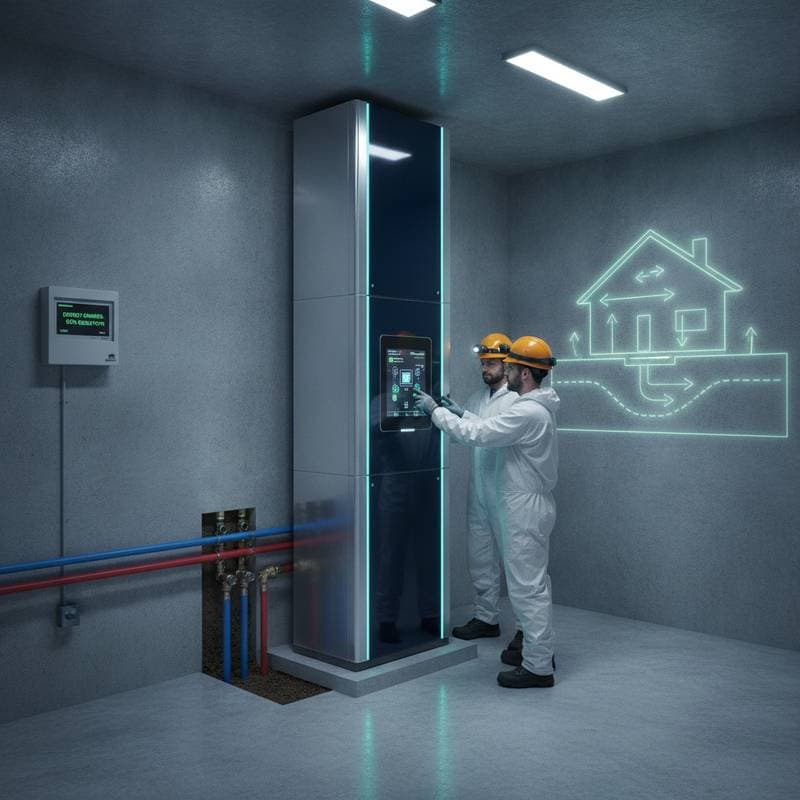
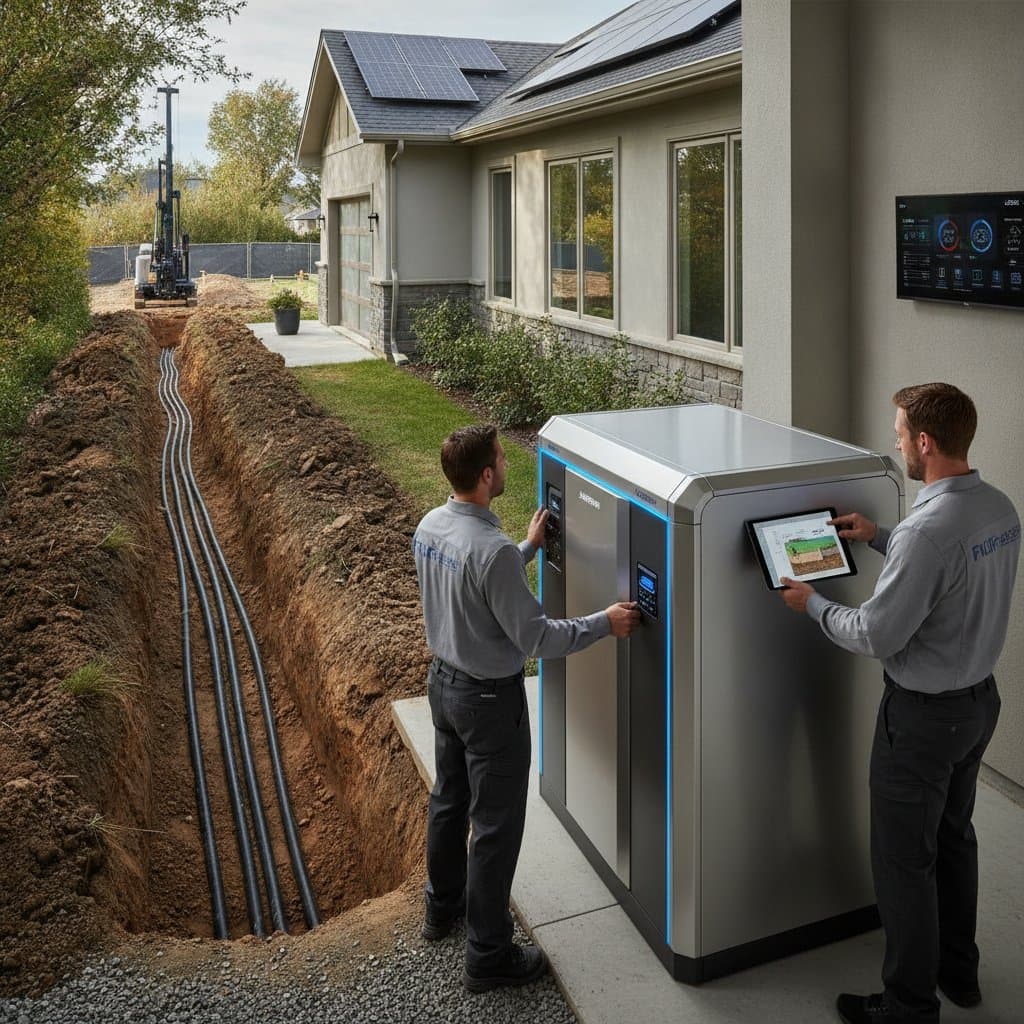
New 2026 geothermal tax credits are transforming HVAC investments offering returns up to triple previous levels through expanded incentives and energy savings. Ground source heat pumps now deliver unmatched efficiency longevity and environmental benefits. With expert planning and proper documentation homeowners can achieve rapid payback lower emissions and long term sustainable comfort.
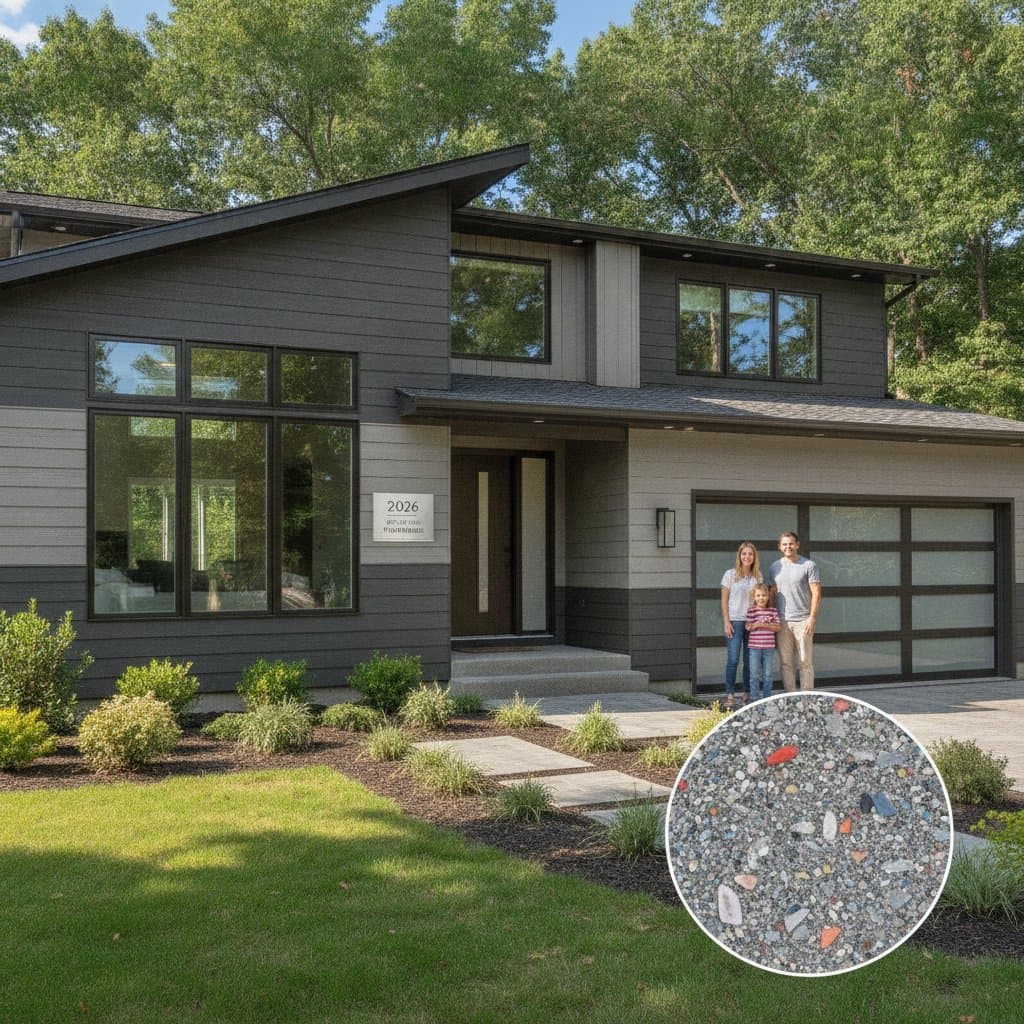
Recycled plastic siding lowers renovation expenses by 25 percent and delivers lasting durability with minimal upkeep. Discover material advances, installation essentials, and long term value for 2026 projects.
Federal tax credits now position geothermal HVAC ahead of solar in long term returns. Ground source systems deliver reliable comfort, lower utility bills, and strong payback through professional design and installation.
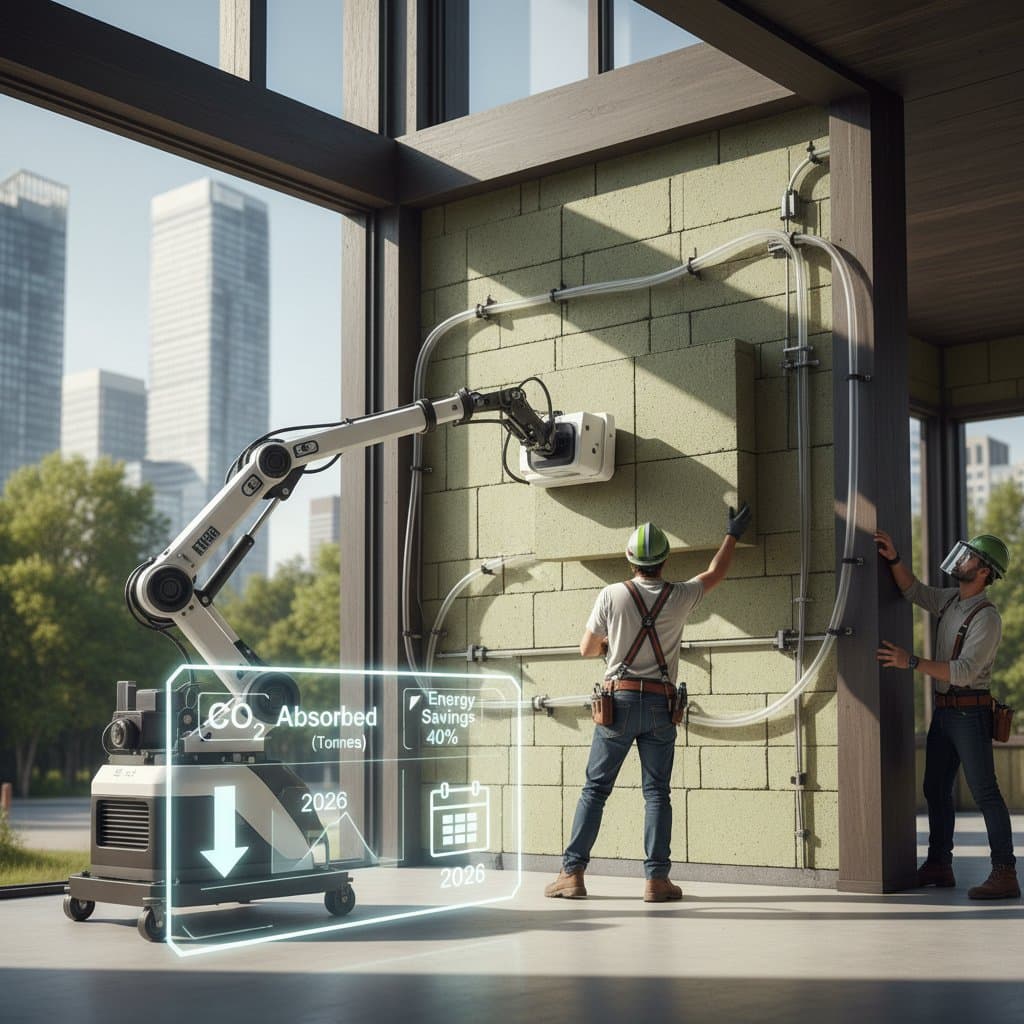
Hempcrete walls absorb carbon dioxide while providing durable, breathable insulation. Learn how this plant-based material reduces energy use and supports lower-emission construction.
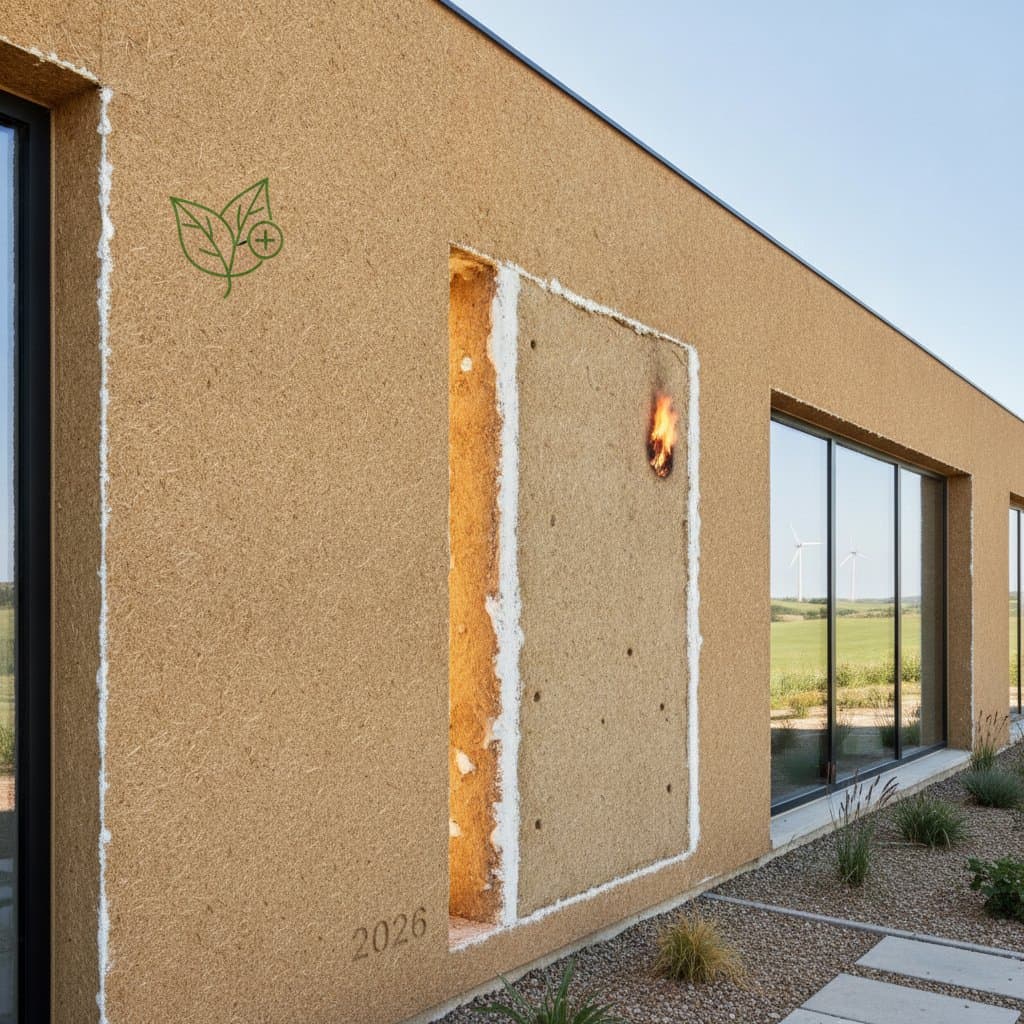
Hempcrete walls combine fire resistance, breathability, and carbon storage. Made from hemp, lime, and water, they deliver durable performance that meets modern green building needs.
Hempcrete turns walls into carbon sinks that lower energy use, improve air quality, and extend building life. Discover the costs, construction steps, and financing options that make this bio based material practical for 2026 projects.
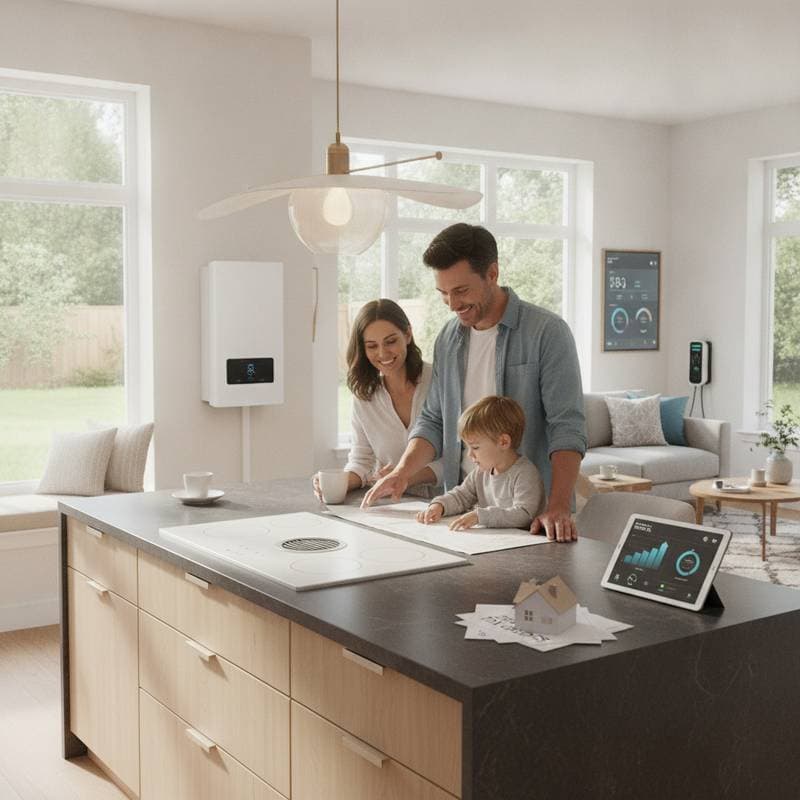
Federal tax credits now make all-electric home upgrades affordable. Homeowners can reduce upfront costs by up to half on heat pumps, water heaters, and cooktops while achieving lower utility bills and improved comfort.
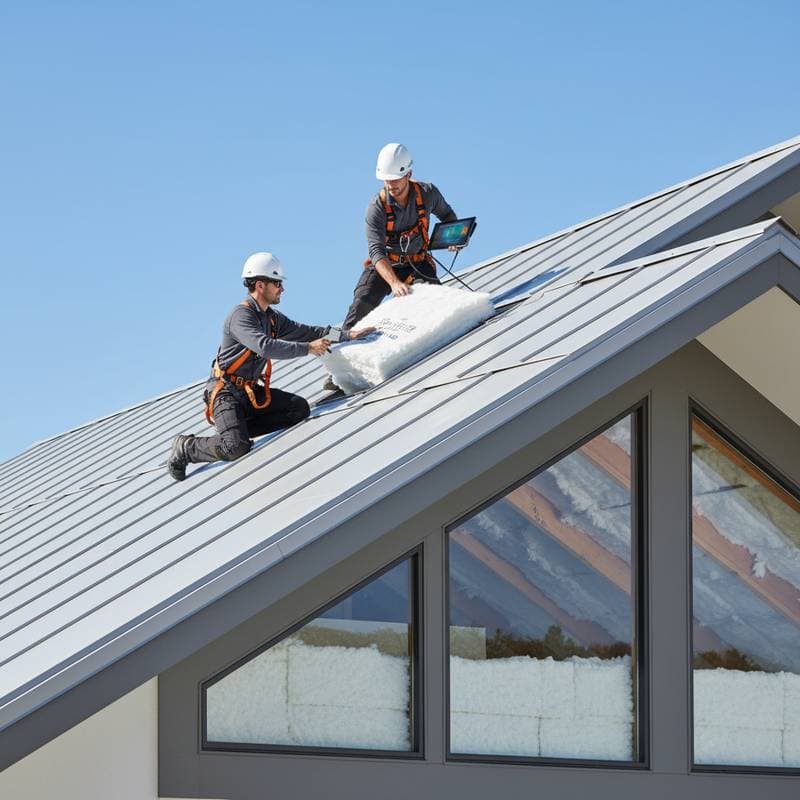
Transform your sweltering attic into an energy-saving asset with a cool roof retrofit. By reflecting sunlight and reducing heat absorption, these roofs can cut cooling costs by up to half, extend roof life, and enhance comfort, making them one of the smartest, most sustainable upgrades for modern homeowners.
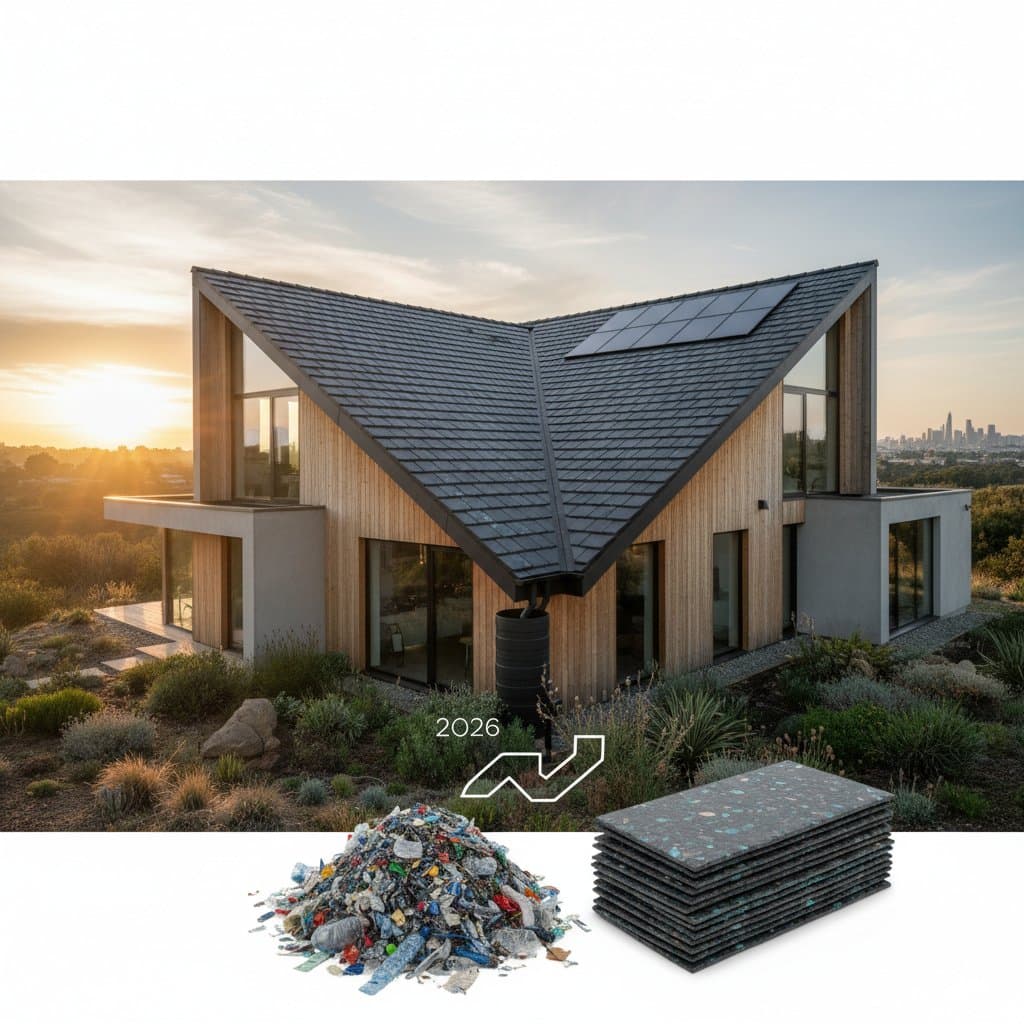
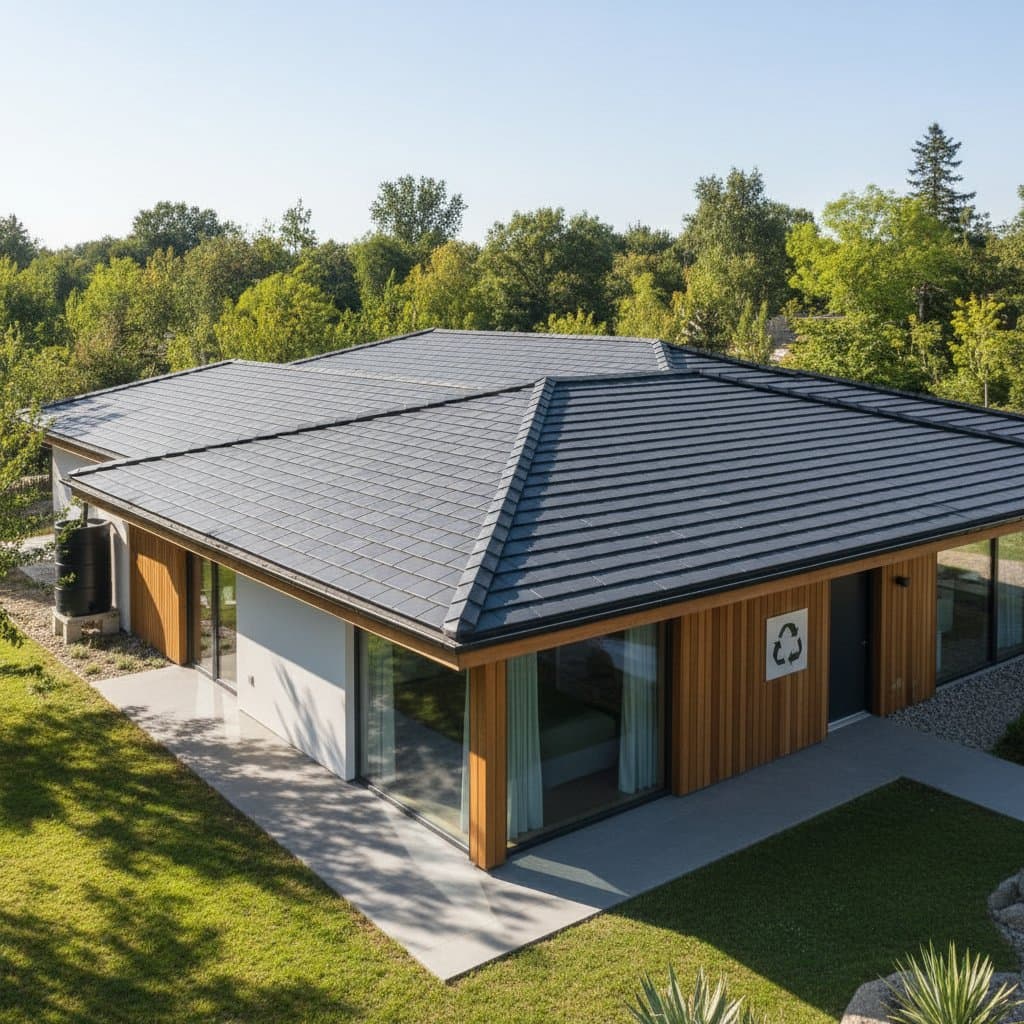
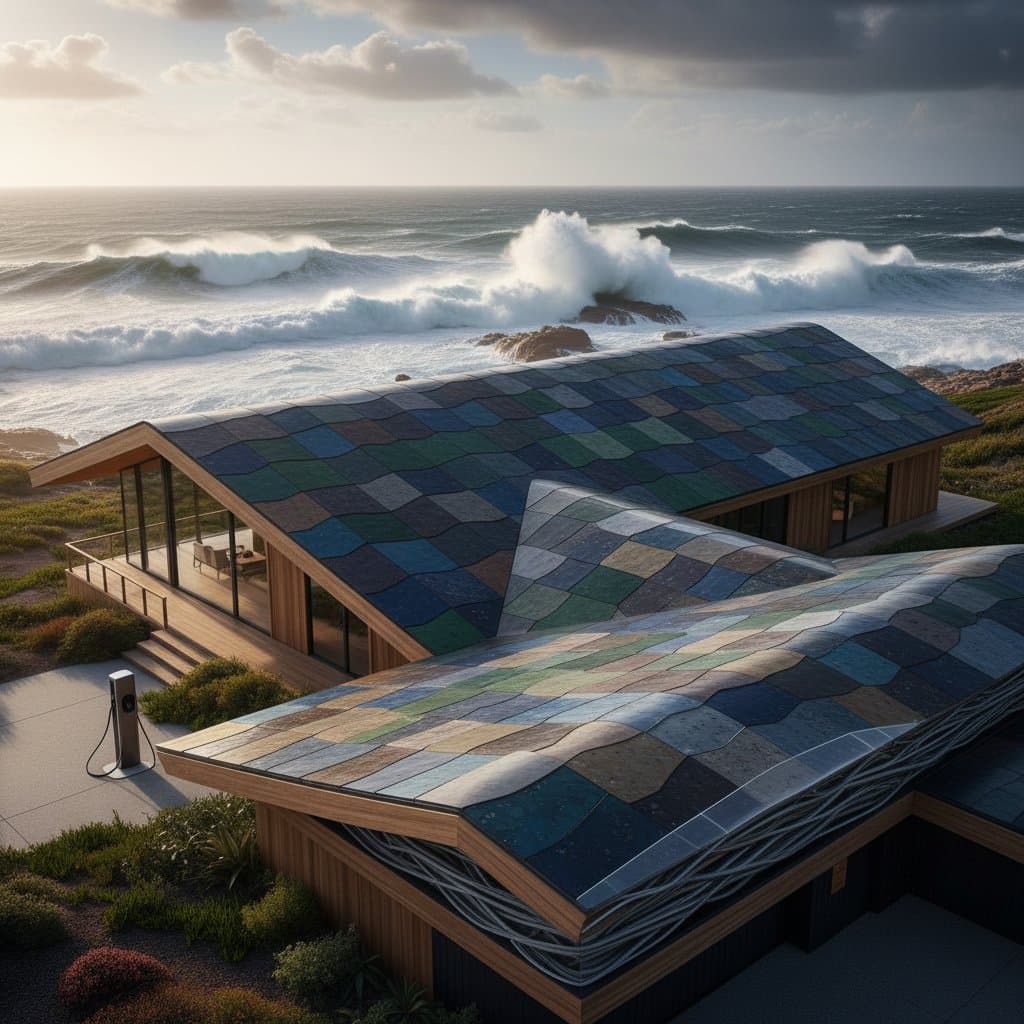
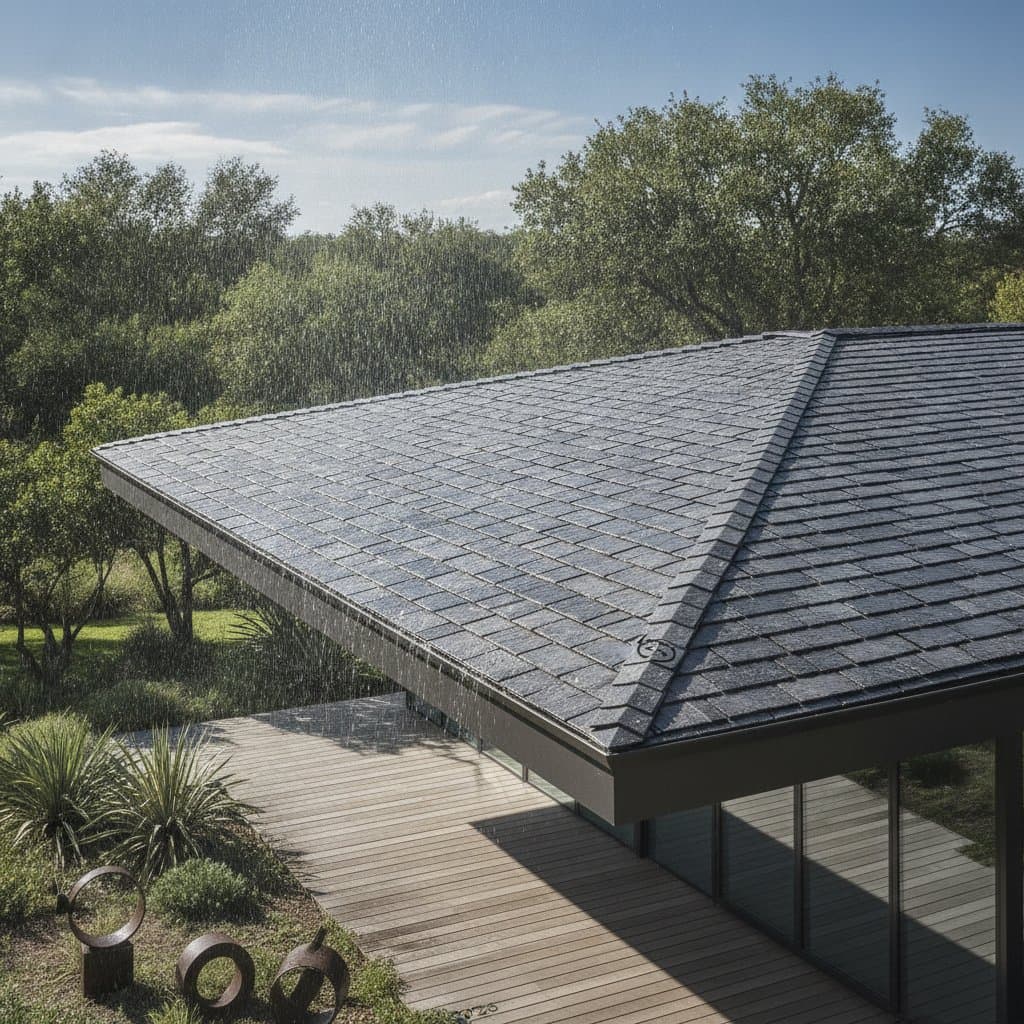
Recycled plastic roofing is redefining sustainable home design by combining durability, energy efficiency, and eco-conscious innovation. Made from repurposed plastics, it resists weather, reduces waste, and offers long-term savings with lifespans up to 60 years.
Recycled plastic shingles last up to 50 years, reduce landfill waste, and lower installation expenses. Lightweight construction and reflective surfaces improve energy efficiency and weather resistance.
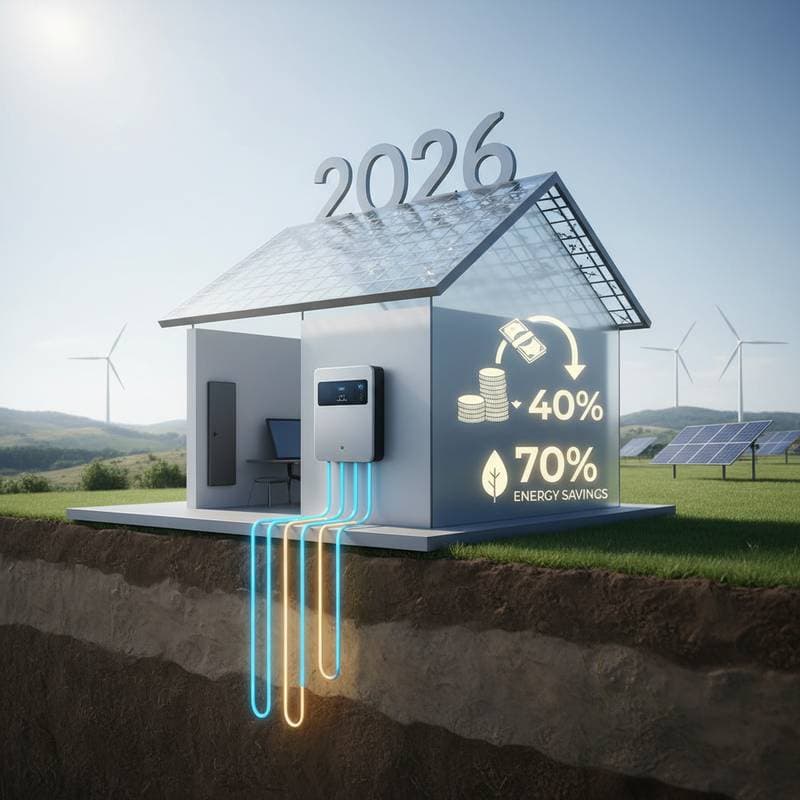
Homeowners can reduce geothermal installation expenses by 30 percent through 2026 federal tax credits. Additional state and utility programs further improve returns while lowering long term energy costs.
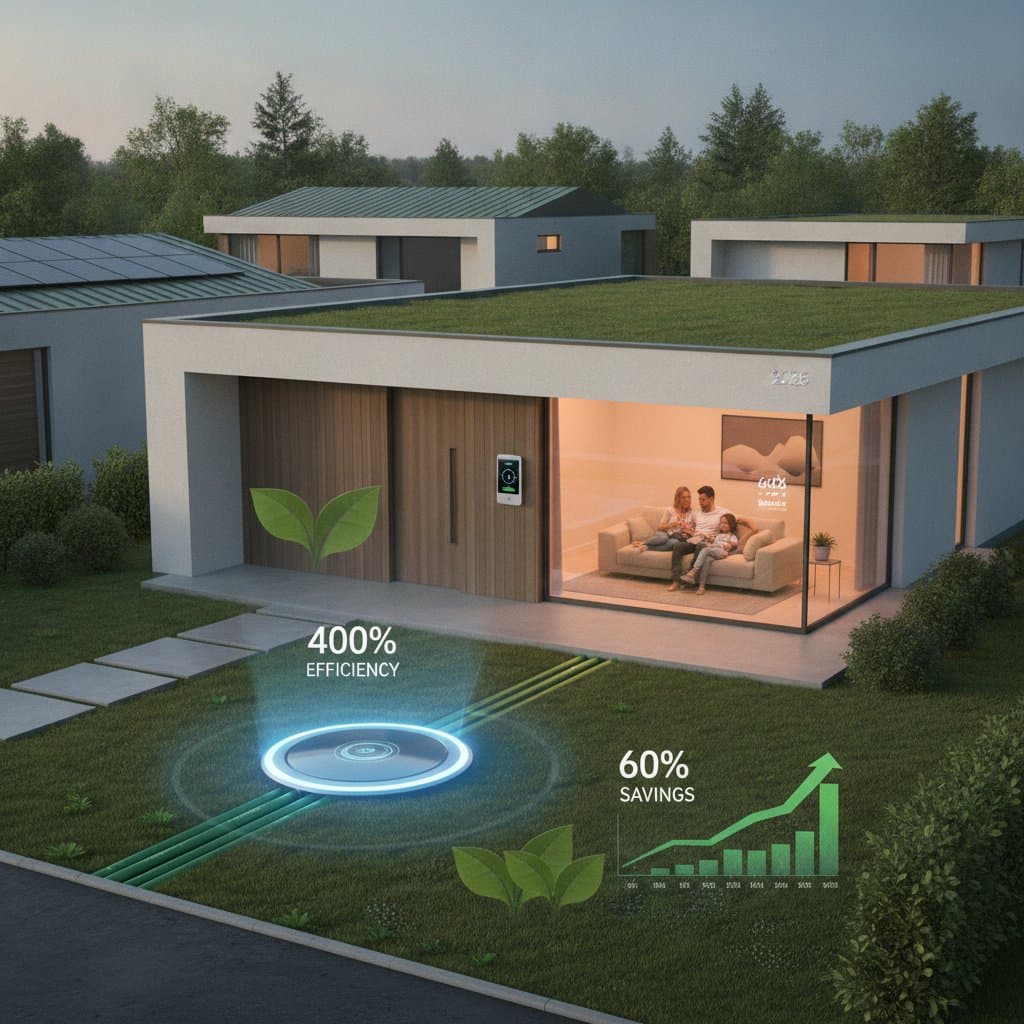
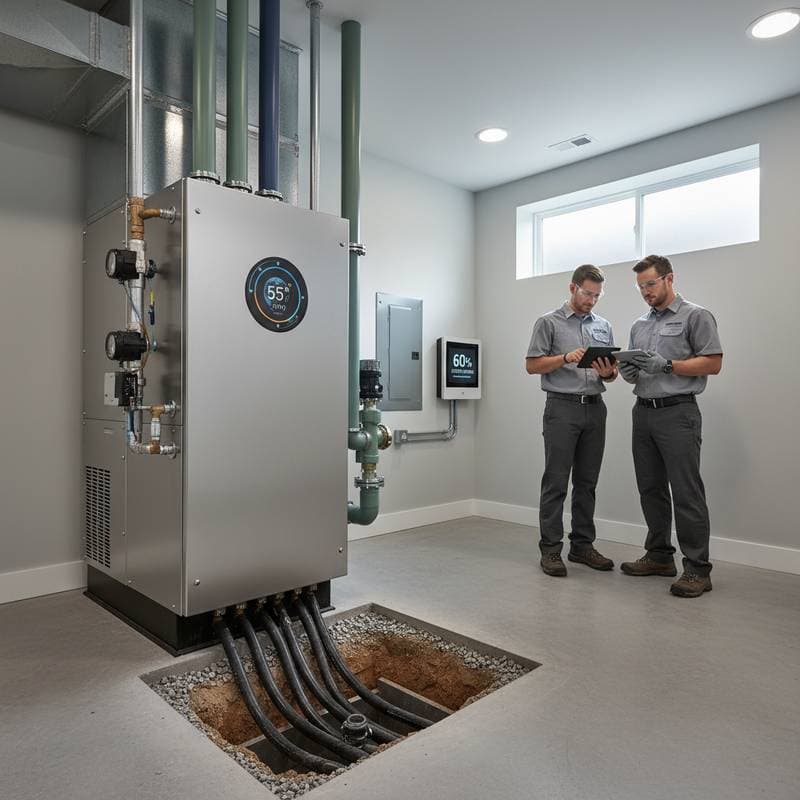
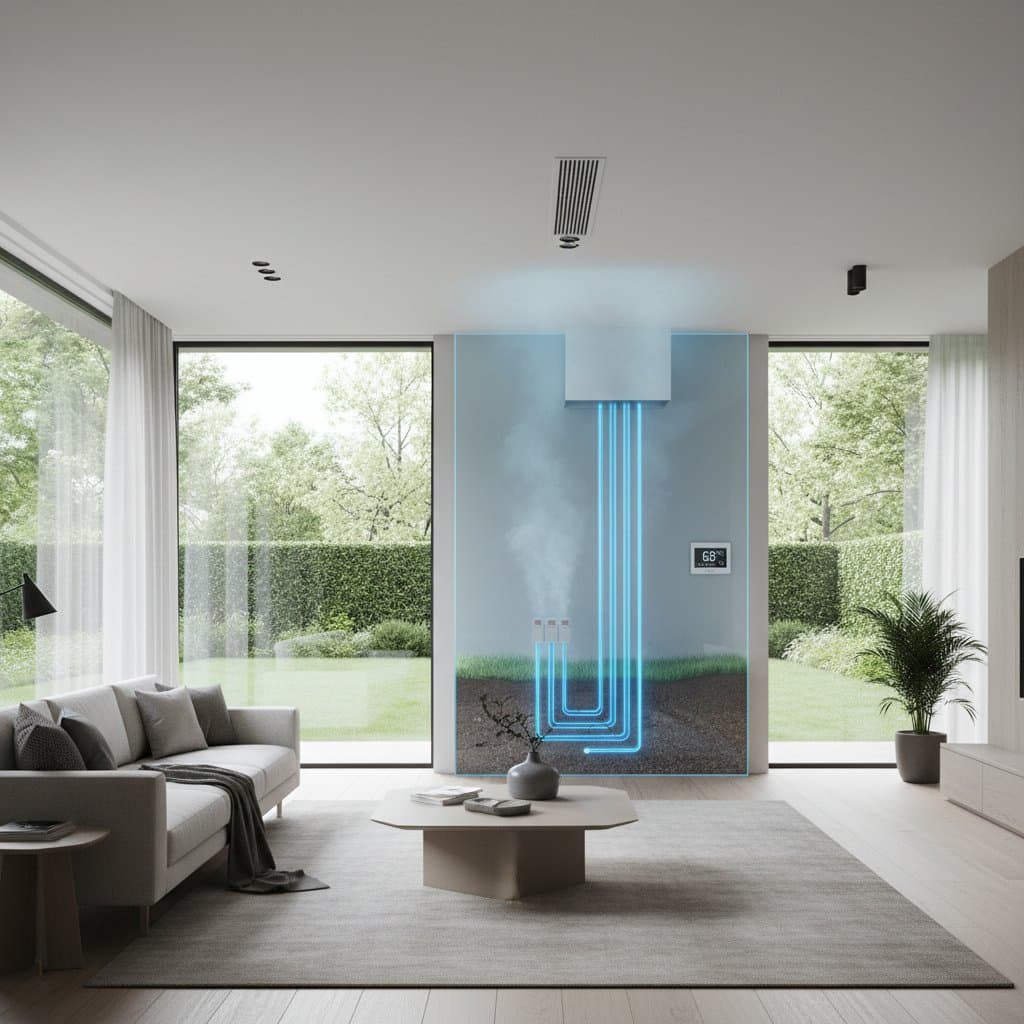
Geothermal HVAC systems use stable ground temperatures to lower heating and cooling expenses by up to 60 percent. With payback in six to ten years and incentives covering 20 to 30 percent of costs, these installations deliver lasting savings and support energy efficient homes.
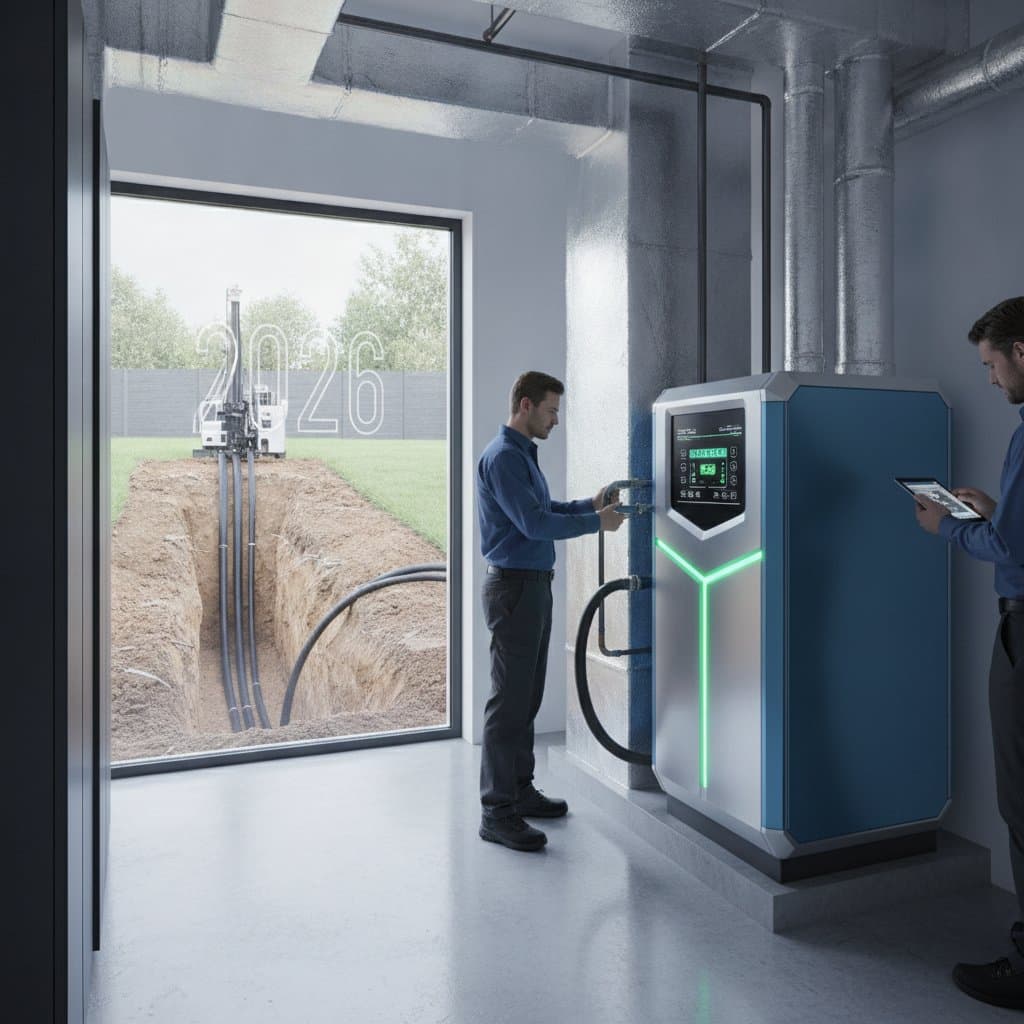
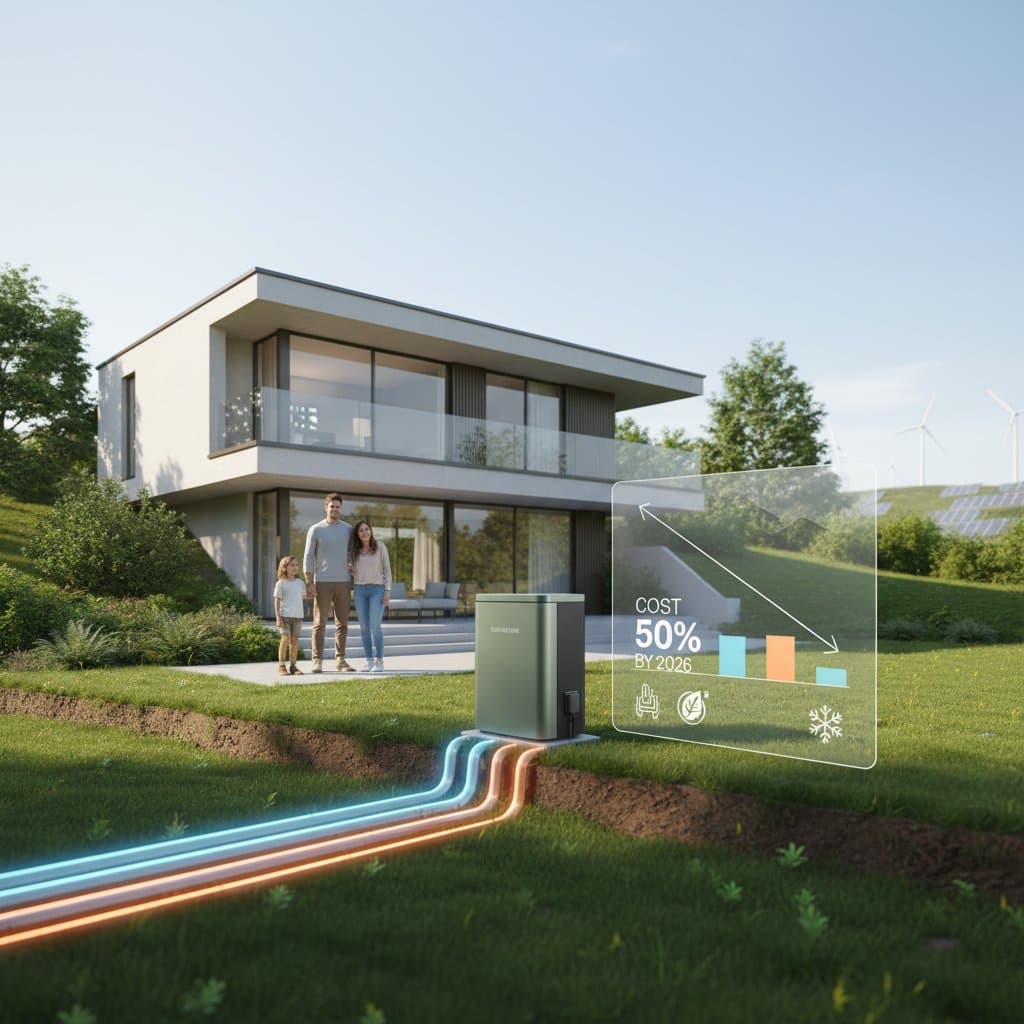
Geothermal heat pumps are set to become roughly 50 percent less expensive by 2026. New drilling methods, expanded incentives, and competitive contractor pricing now make this efficient technology practical for more homeowners.
Hempcrete turns walls into carbon-absorbing, breathable barriers that improve comfort and efficiency. Made from hemp, lime, and water, it regulates humidity, reduces energy use, and supports durable, healthy construction.
Recycled plastic roofing combines flexibility, strength, and sustainability to withstand hurricane force winds. Engineered from reclaimed polymers, it resists impact, water, and UV damage while lasting over 50 years.
Geothermal cooling utilizes the earth's stable underground temperatures to decrease energy use by up to 60 percent relative to conventional air conditioning. Although initial installation expenses exceed those of standard systems, the enduring financial savings, lower emissions, and consistent comfort position it as a wise, eco-friendly choice for homeowners pursuing cooler, more sustainable residences amid increasing temperatures.
Mushroom insulation, derived from mycelium, redefines sustainable construction through biodegradable, non-toxic panels. These panels regulate temperature, reduce waste, and enhance air quality. Although the initial cost exceeds that of traditional options, long-term energy savings, durability, and health advantages establish this living material as a transformative, eco-friendly choice for future-oriented homes.
Hempcrete revolutionizes sustainable construction by creating walls that sequester carbon, manage humidity, and decrease energy consumption by up to 40 percent. This durable, fire-resistant, and non-toxic material delivers enduring cost savings and superior indoor air quality. Explore how hempcrete integrates comfort, efficiency, and ecological benefits in modern homes.
Mycelium-derived mushroom insulation revolutionizes green construction as a renewable, fire-resistant, and biodegradable choice. It matches traditional insulators in efficiency while slashing energy use and carbon emissions. Increasing accessibility and reliability position this bio-material as a cornerstone for healthier, forward-thinking residences.