Sustainable Home Design

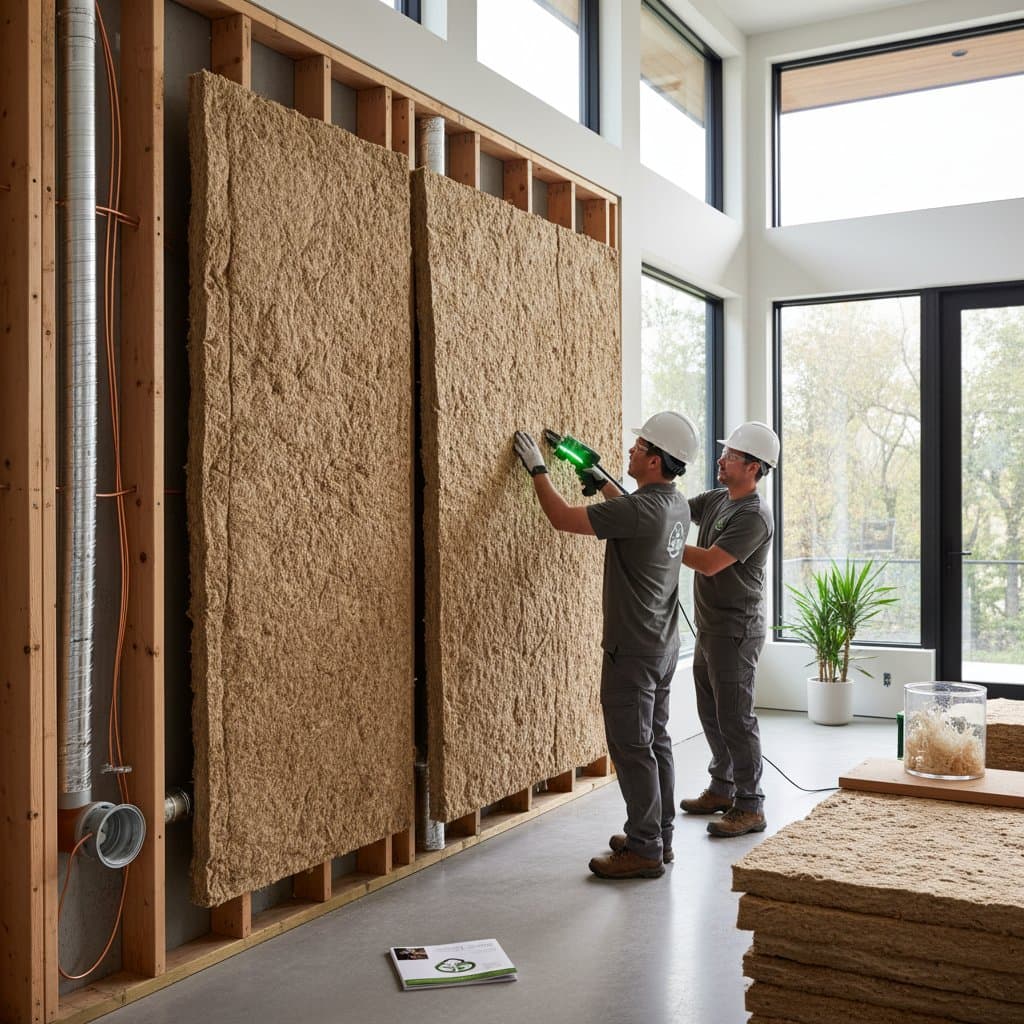
Featured image for Mycelium Insulation Cuts Energy Bills 30 Percent

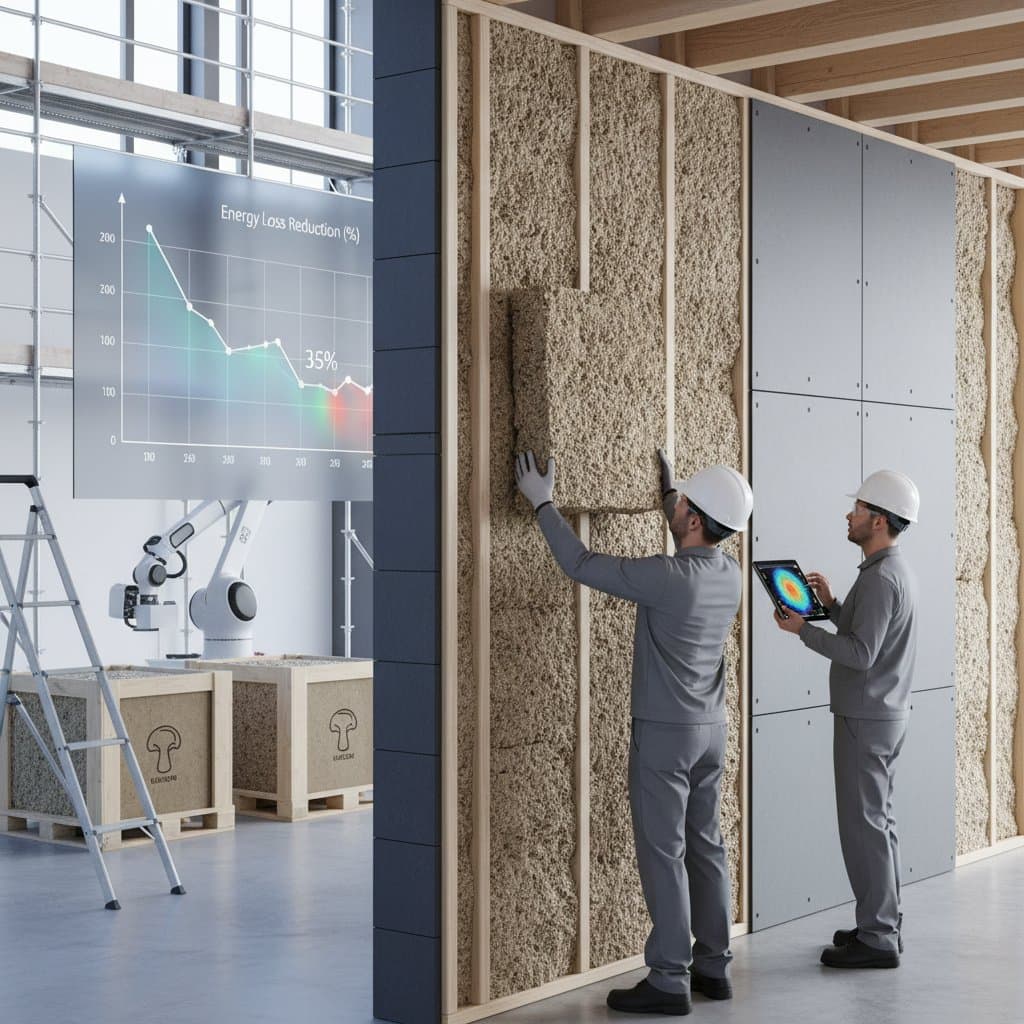
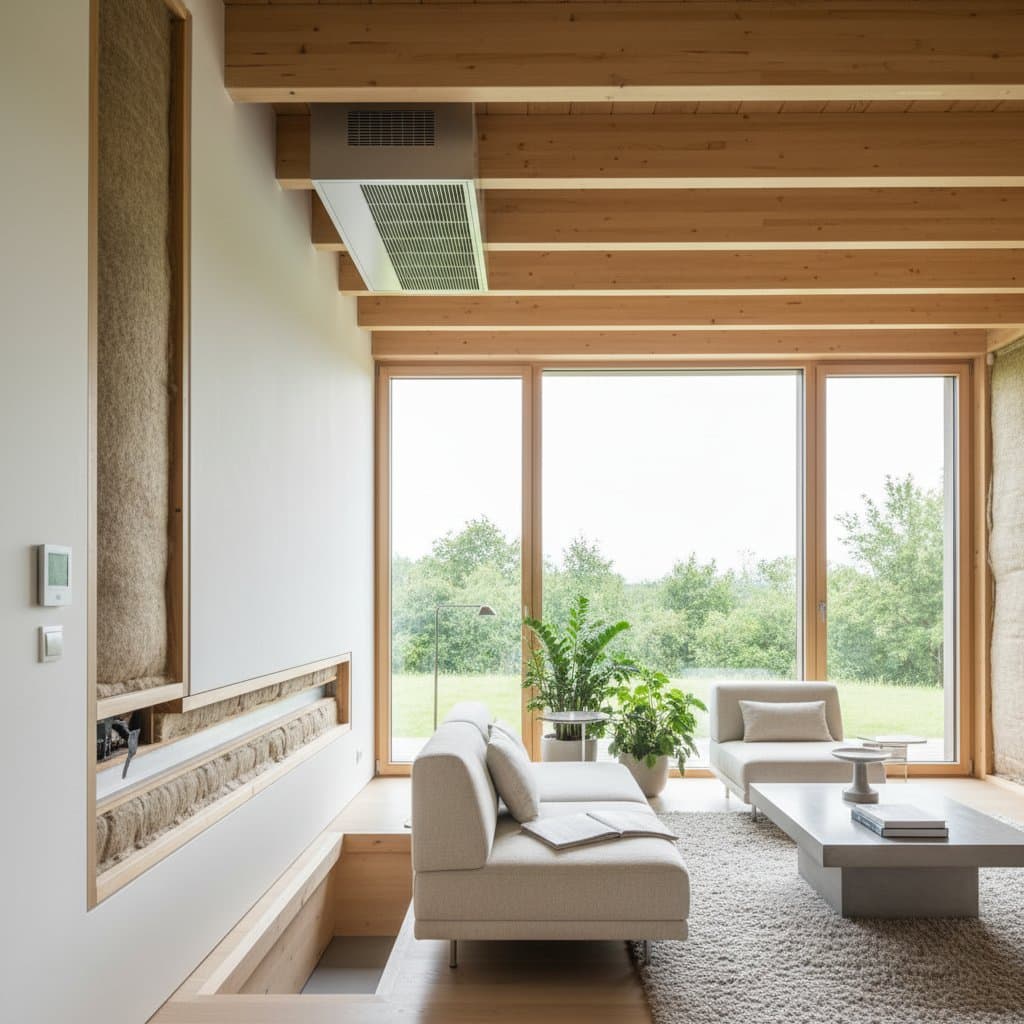
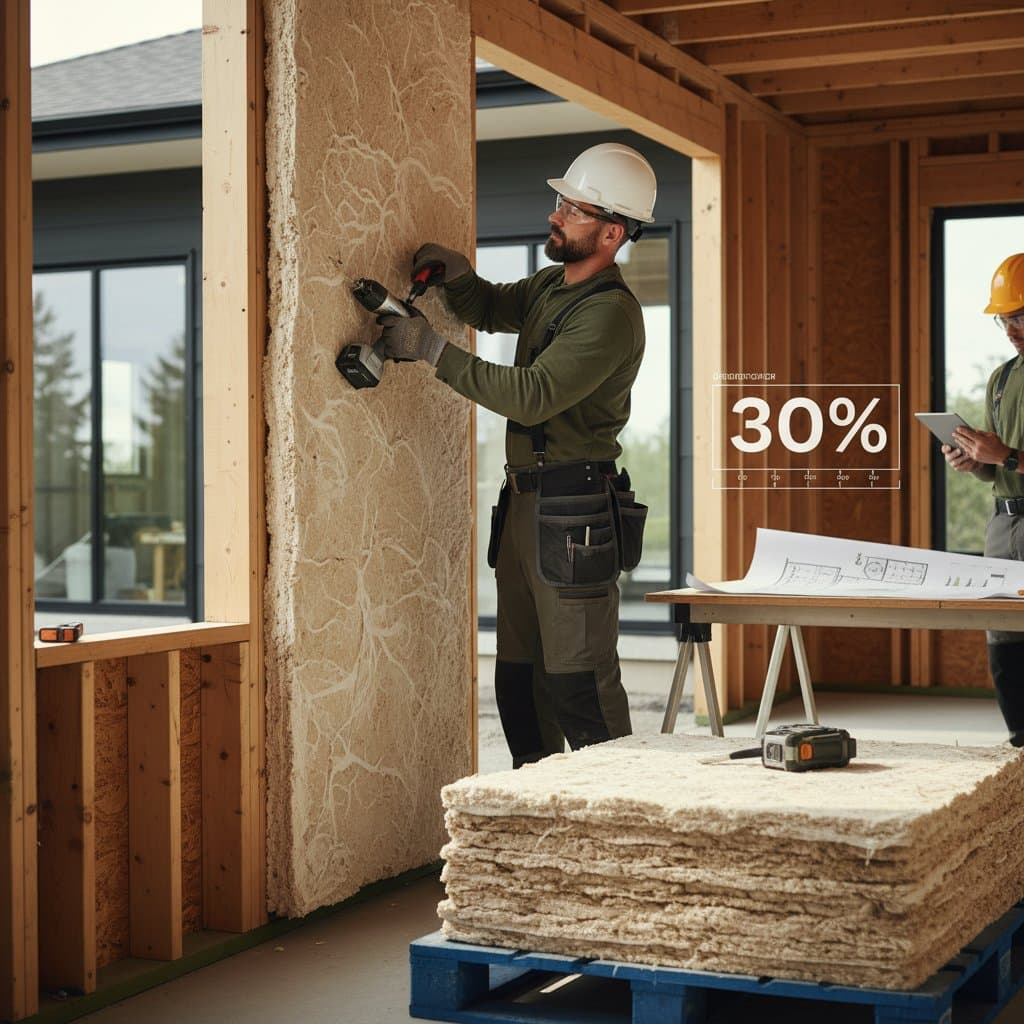
Mycelium Insulation Cuts Energy Bills 30 Percent

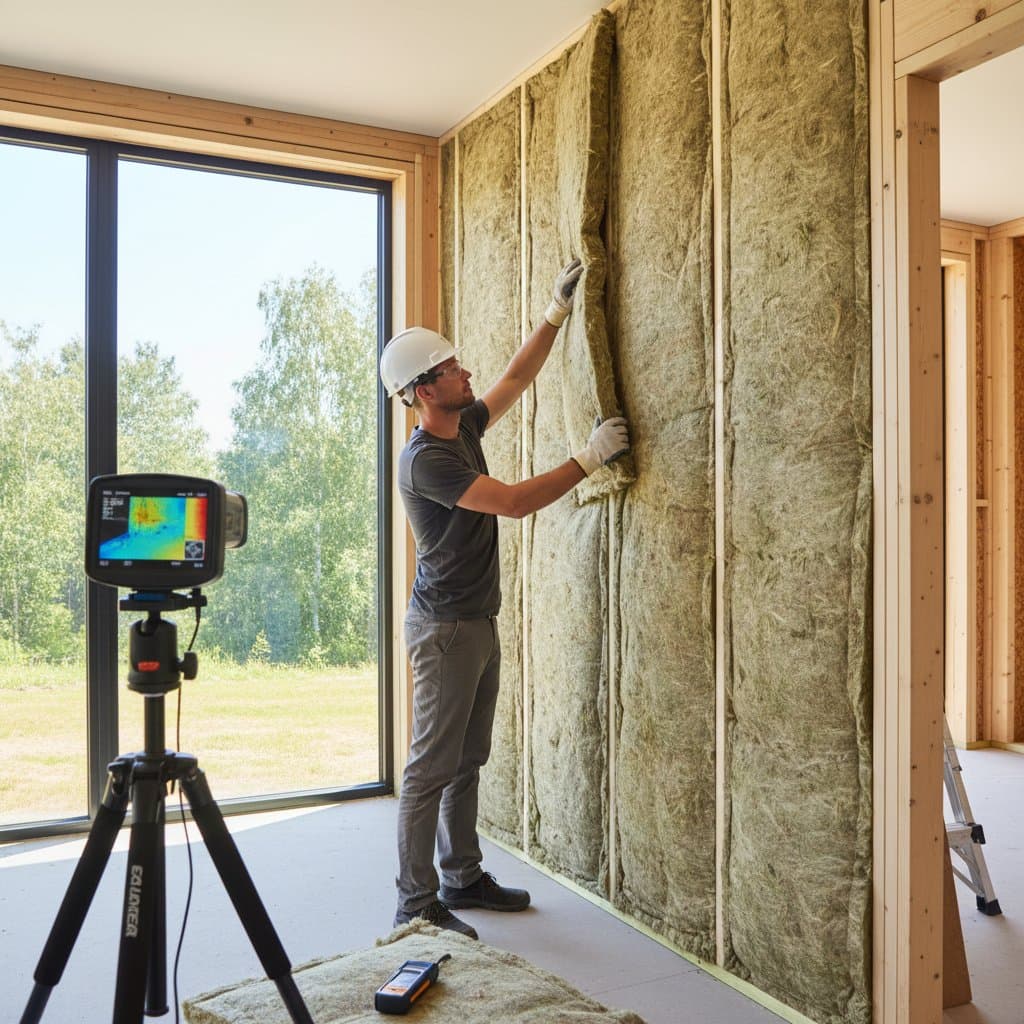
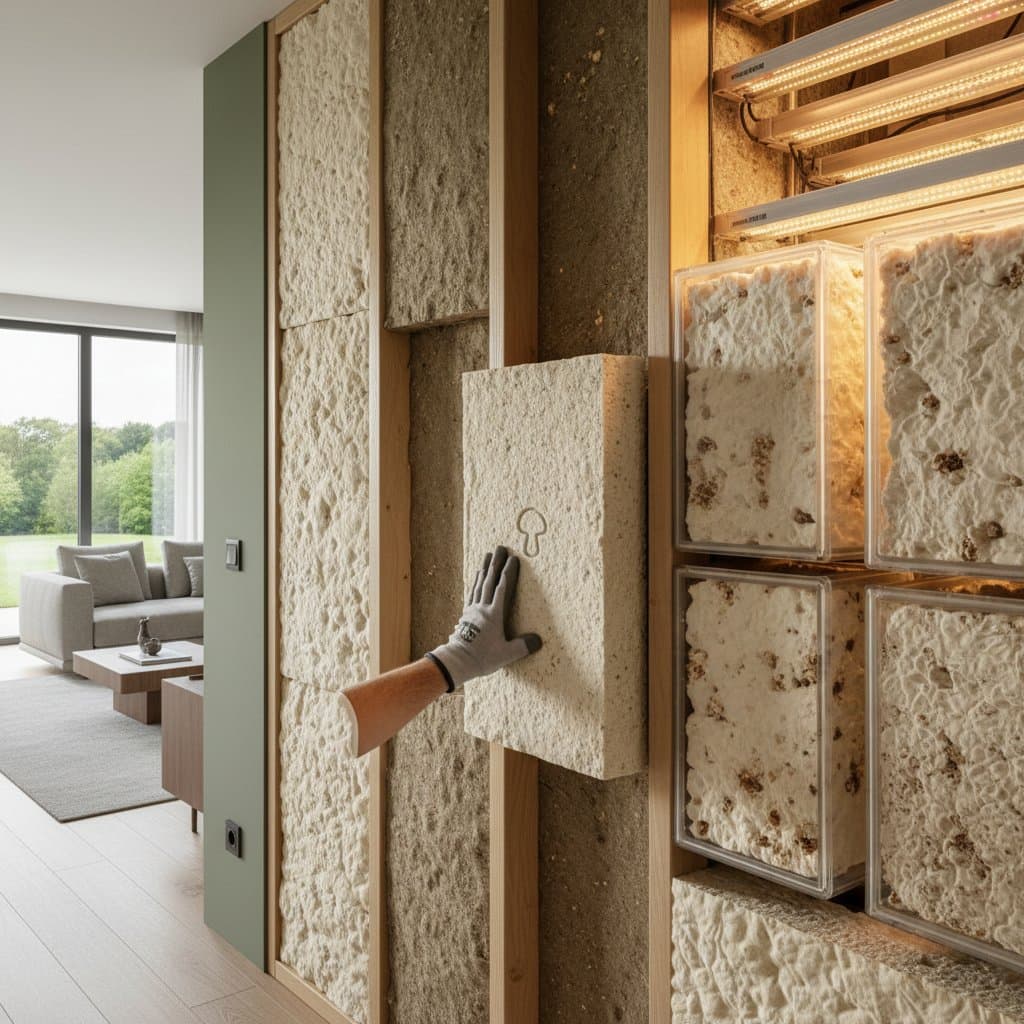
Mycelium insulation converts fungal networks into a renewable, compostable substance that lowers energy expenses by up to 30 percent. It delivers natural thermal regulation, moisture control, and carbon sequestration, revolutionizing eco-friendly building practices. Cost-effective, non-toxic, and resistant to fire, this biological advancement redefines efficient, responsible home comfort.

5 min read
Featured image for Why Hempcrete Walls Are Replacing Traditional Framing

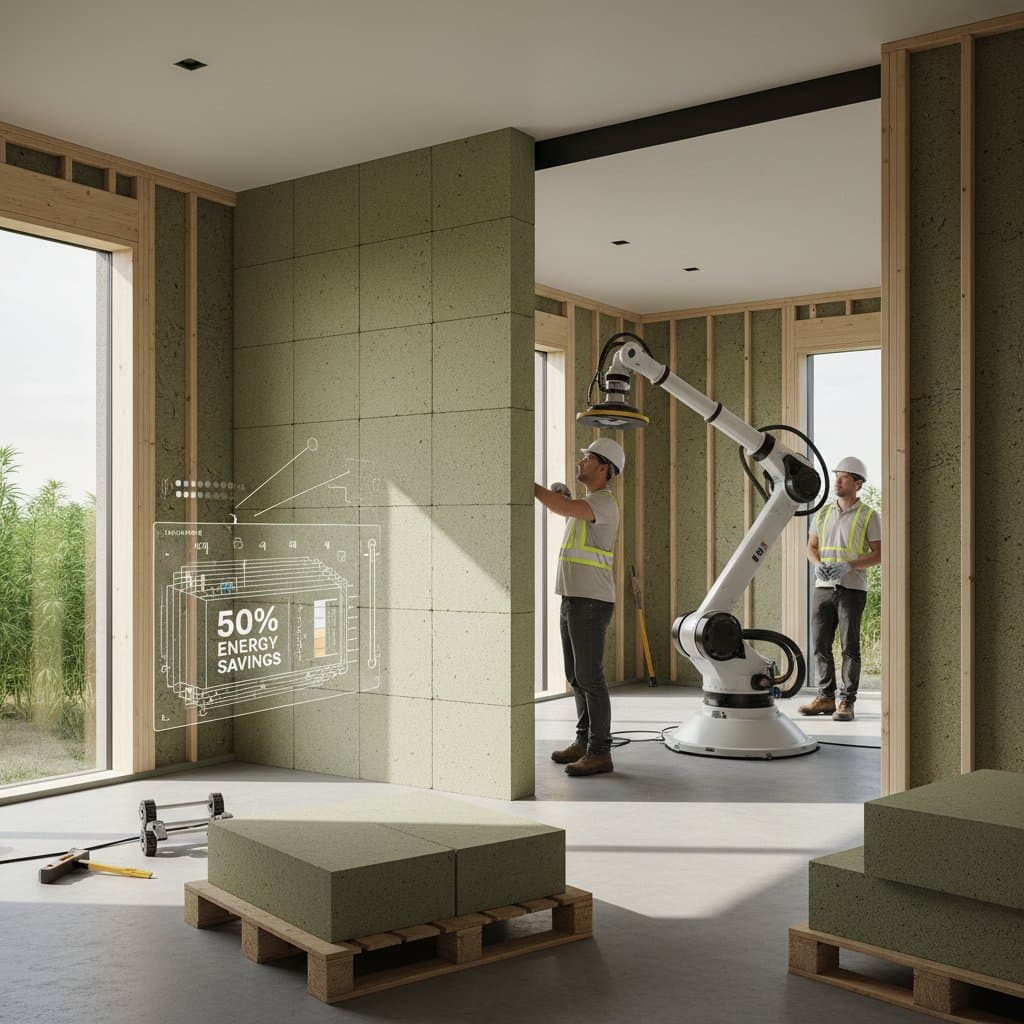
Why Hempcrete Walls Are Replacing Traditional Framing

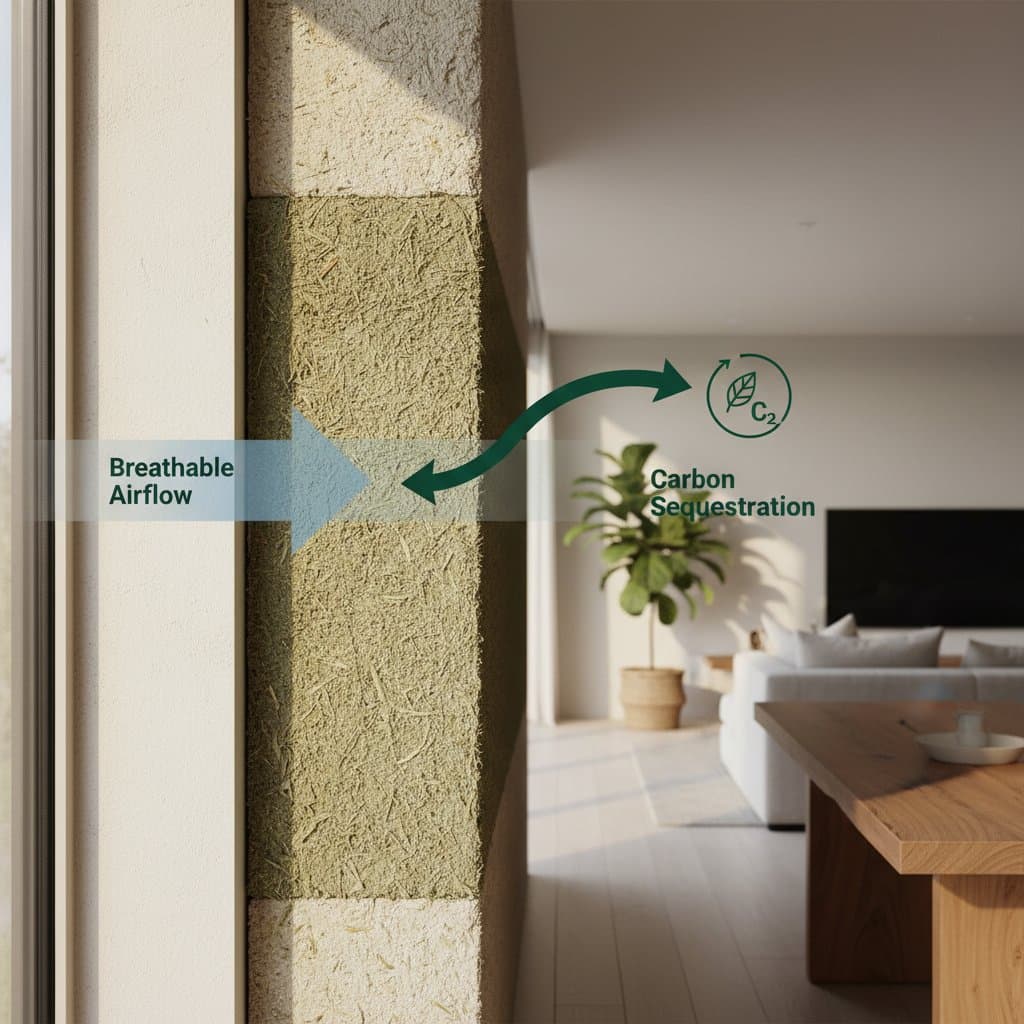
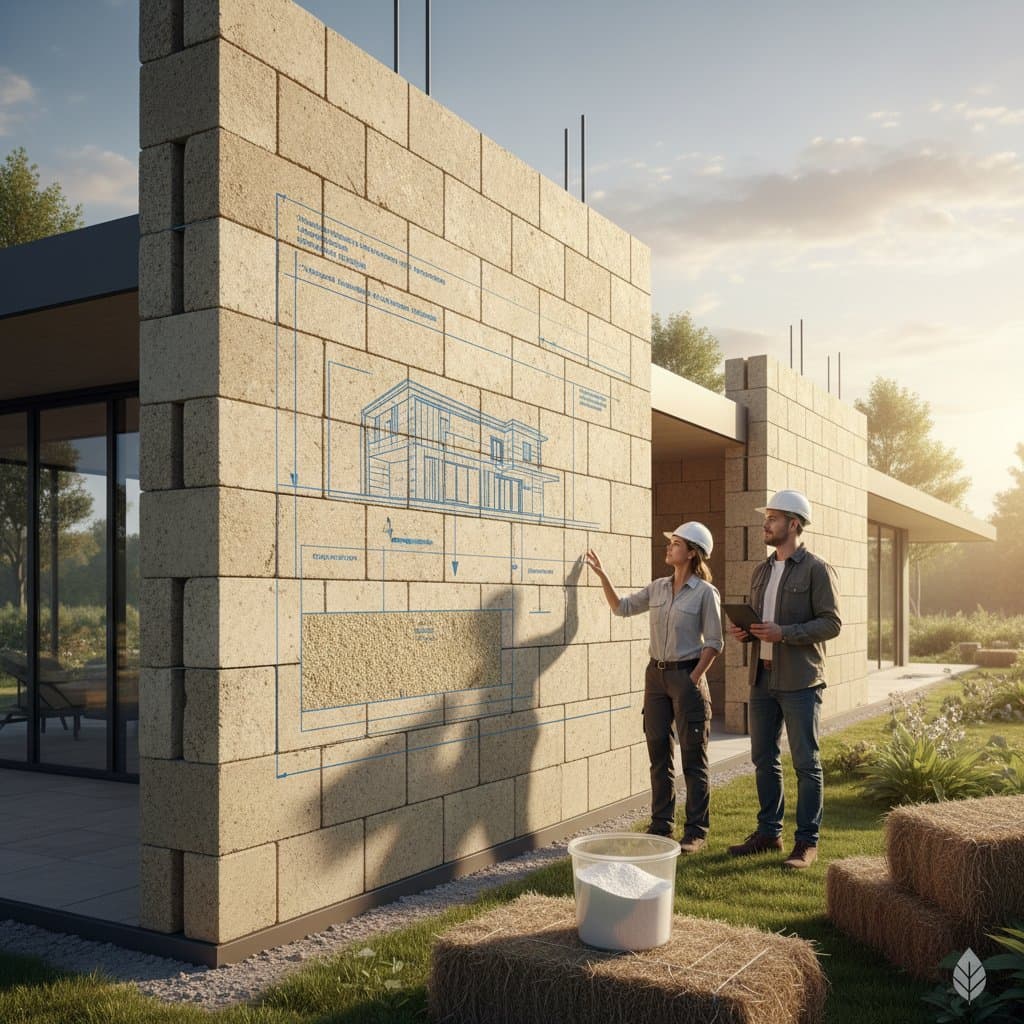
By 2026, hempcrete walls emerge as a preferred choice for construction, merging sustainability, energy savings, and robustness. Composed of hemp hurd, lime, and water, it sequesters carbon, manages moisture, and lowers utility expenses. Despite a modest initial premium, benefits include superior air quality, enduring cost reductions, and alignment with progressive building practices.

7 min read
Featured image for Recycled Plastic Roofs Last Twice as Long

Recycled Plastic Roofs Last Twice as Long

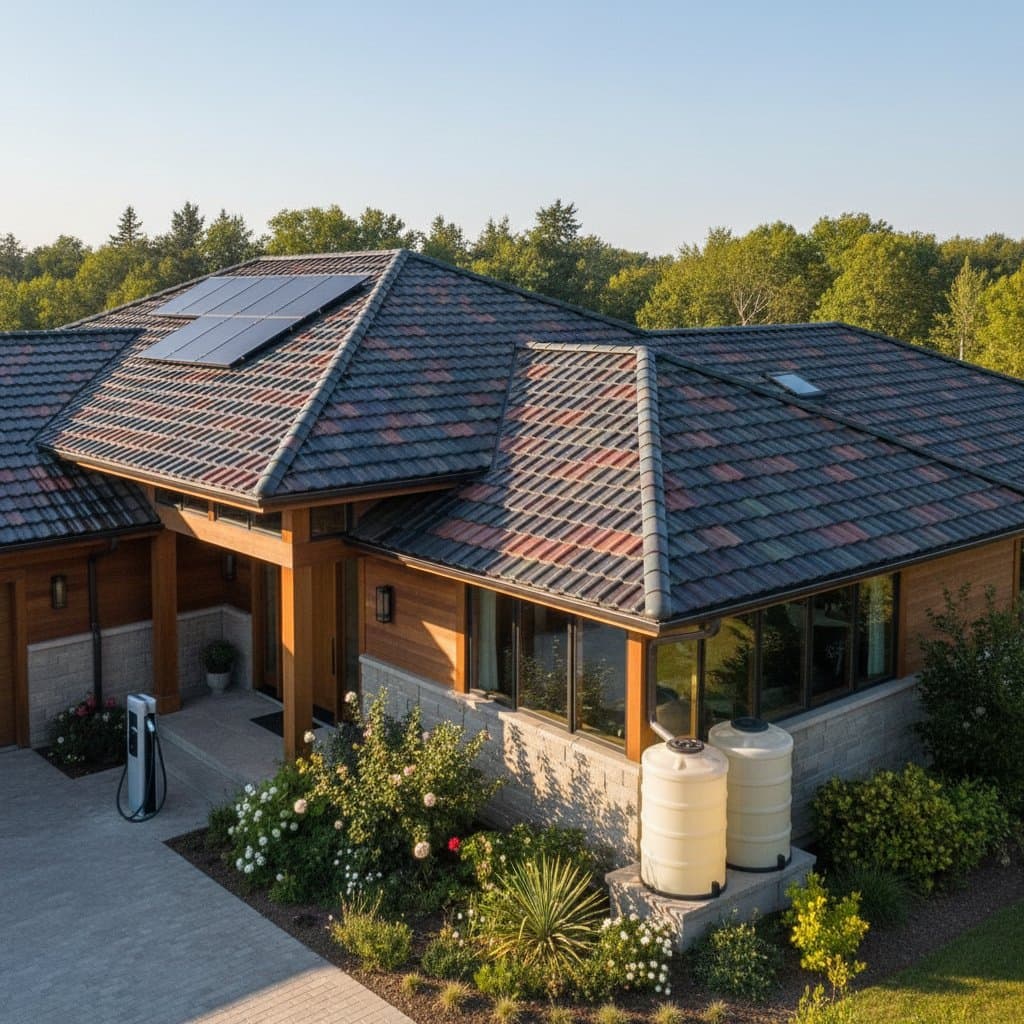
In 2025, recycled plastic roofs lead sustainable home improvements by offering exceptional durability, versatile designs, and profound environmental advantages. Crafted from repurposed plastics, these roofs provide lightweight construction, reduced maintenance, lower emissions, and decreased waste, demonstrating that innovative green solutions deliver practicality and elegance for discerning homeowners.

7 min read
Featured image for Cool Roofs Cut AC Bills 25% While Fighting Heat Islands

Cool Roofs Cut AC Bills 25% While Fighting Heat Islands

Achieve up to 25 percent savings on cooling costs with advanced cool roof technologies in 2025. These reflective surfaces minimize heat buildup, prolong roof longevity, and elevate indoor comfort while advancing environmental sustainability. Delve into solar reflectance metrics, optimal material selections, and installation best practices to realize tangible financial returns, ecological advantages, and enduring property value.

5 min read
Featured image for Hempcrete Walls Store Carbon While Cutting Energy Costs

Hempcrete Walls Store Carbon While Cutting Energy Costs

Hempcrete emerges as a game-changer in sustainable building for 2025. This hemp-lime composite creates walls that sequester carbon, provide superior insulation, and enhance energy efficiency while improving indoor air quality. Fire-resistant, lightweight, and breathable, hempcrete offers enduring cost savings and environmental advantages, establishing it as a key element in regenerative architecture and carbon-negative housing.

4 min read
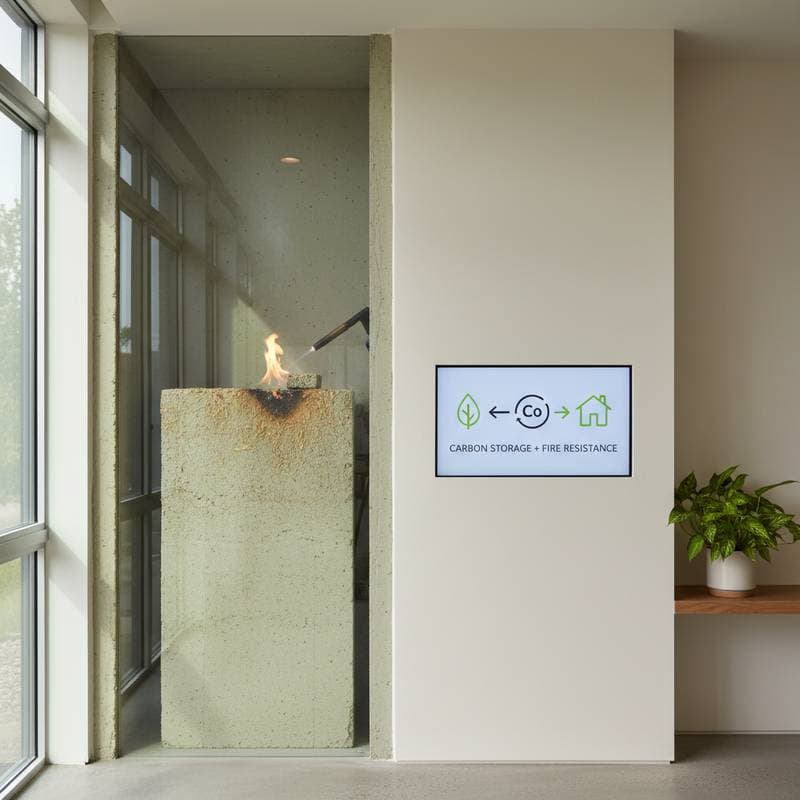
Featured image for Hempcrete: The Fire-Resistant Material That Locks Carbon

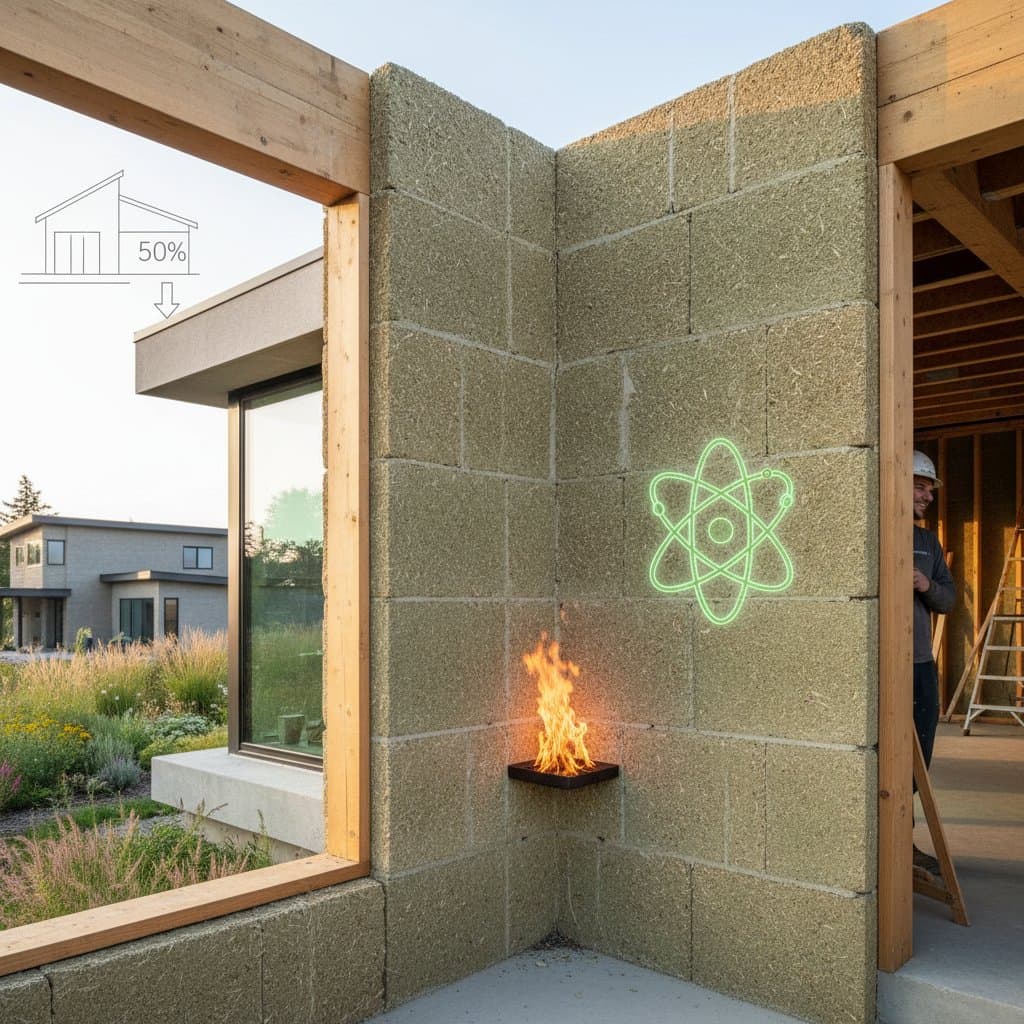
Hempcrete: The Fire-Resistant Material That Locks Carbon

Hempcrete merges natural fire resistance with carbon sequestration and effective insulation to build safer, sustainable homes. Derived from hemp hurds, lime binder, and water, this material chars rather than burns, manages humidity, and boosts energy performance. Despite a modest initial cost increase, its longevity, comfort, and environmental benefits position it as a strategic choice for resilient, low-carbon architecture.

5 min read
Featured image for Hempcrete Insulates, Resists Fire, and Stores Carbon

Hempcrete Insulates, Resists Fire, and Stores Carbon

Hempcrete transforms sustainable building in 2025 by offering inherent fire resistance, a carbon-negative profile, and superior energy performance. This bio-composite material balances safety, comfort, and longevity while regulating indoor climate and boosting air quality. Despite higher initial costs, its enduring savings, robustness, and environmental advantages position it as a premier option for contemporary homes.

5 min read
Featured image for Hempcrete Walls That Won't Burn or Mold

Hempcrete Walls That Won't Burn or Mold

Hempcrete revolutionizes sustainable construction in 2025 with its fire resistance, energy efficiency, and carbon storage capabilities. Crafted from hemp, lime, and water, this natural material delivers breathable walls that ensure comfort, durability, and environmental benefits. Learn how hempcrete creates cooler, safer, and resilient living spaces.

5 min read
Featured image for Hempcrete Outperforms Traditional Insulation in Fire Safety

Hempcrete Outperforms Traditional Insulation in Fire Safety

Hempcrete revolutionizes 2025 construction as a fire-resistant, carbon-sequestering insulation that promotes comfort, health, and energy savings. This blend of hemp, lime, and water creates breathable, robust walls that lower emissions and expenses. Builders and homeowners benefit from its durability, environmental advantages, and enduring worth as a superior alternative to standard insulation.

4 min read
Featured image for Hempcrete Cuts Energy Bills While Storing Carbon

Hempcrete Cuts Energy Bills While Storing Carbon

Hempcrete redefines sustainable building insulation through its carbon-sequestering properties and moisture regulation, which reduce energy use by up to 40 percent. Although upfront costs exceed those of conventional options, the material delivers substantial long-term savings, enhanced durability, and improved indoor air quality. As green building standards advance, hempcrete positions itself as the resilient choice for energy-efficient, low-carbon residences in 2025.

6 min read
Featured image for Recycled Plastic Shingles Last 3X Longer Than Asphalt

Recycled Plastic Shingles Last 3X Longer Than Asphalt

Recycled plastic shingles transform roofing through superior durability, aesthetic appeal, and environmental benefits. They divert up to 1,500 pounds of waste per home, last three times longer than asphalt, reduce energy costs, and support full recyclability. This blend of innovation and savings positions them as a key advancement in the 2025 eco-roofing movement.

4 min read
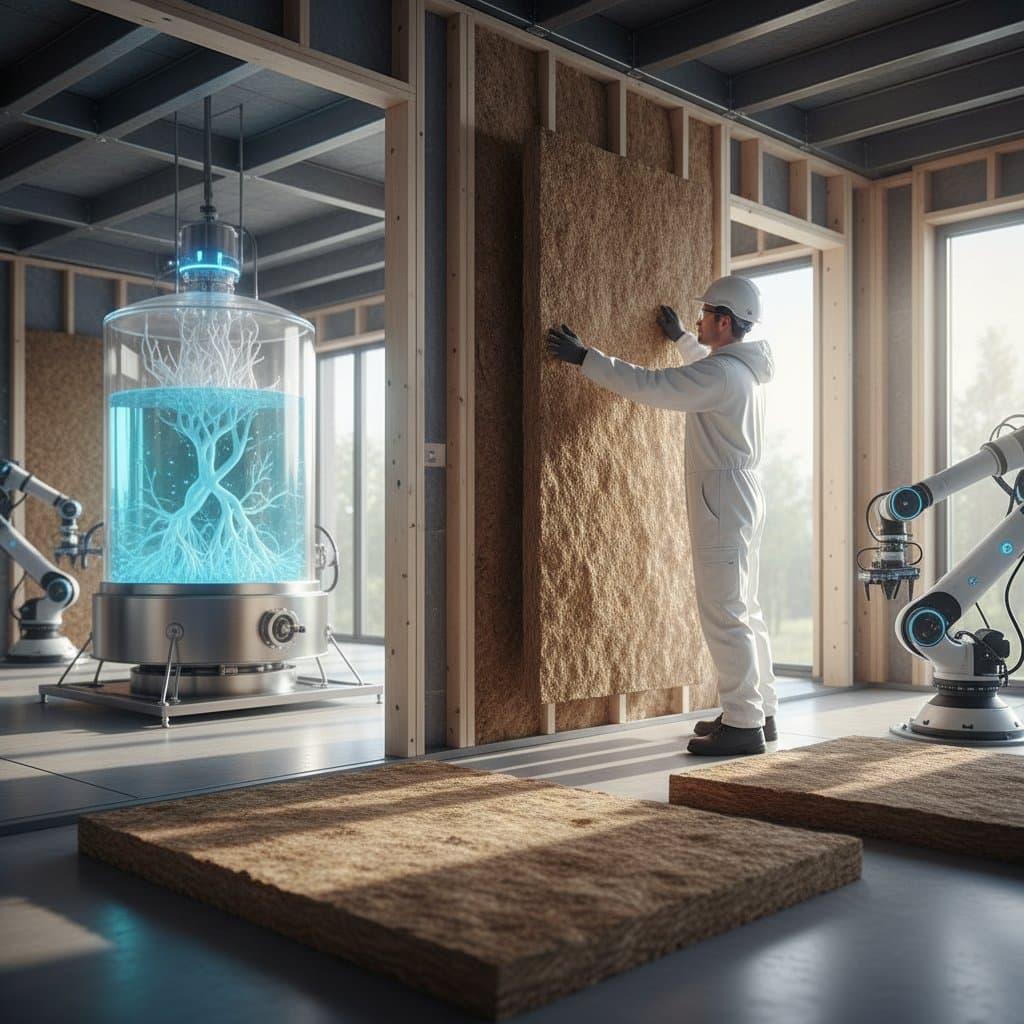
Featured image for Mushroom Insulation Rivals Foam at Half the Carbon Cost

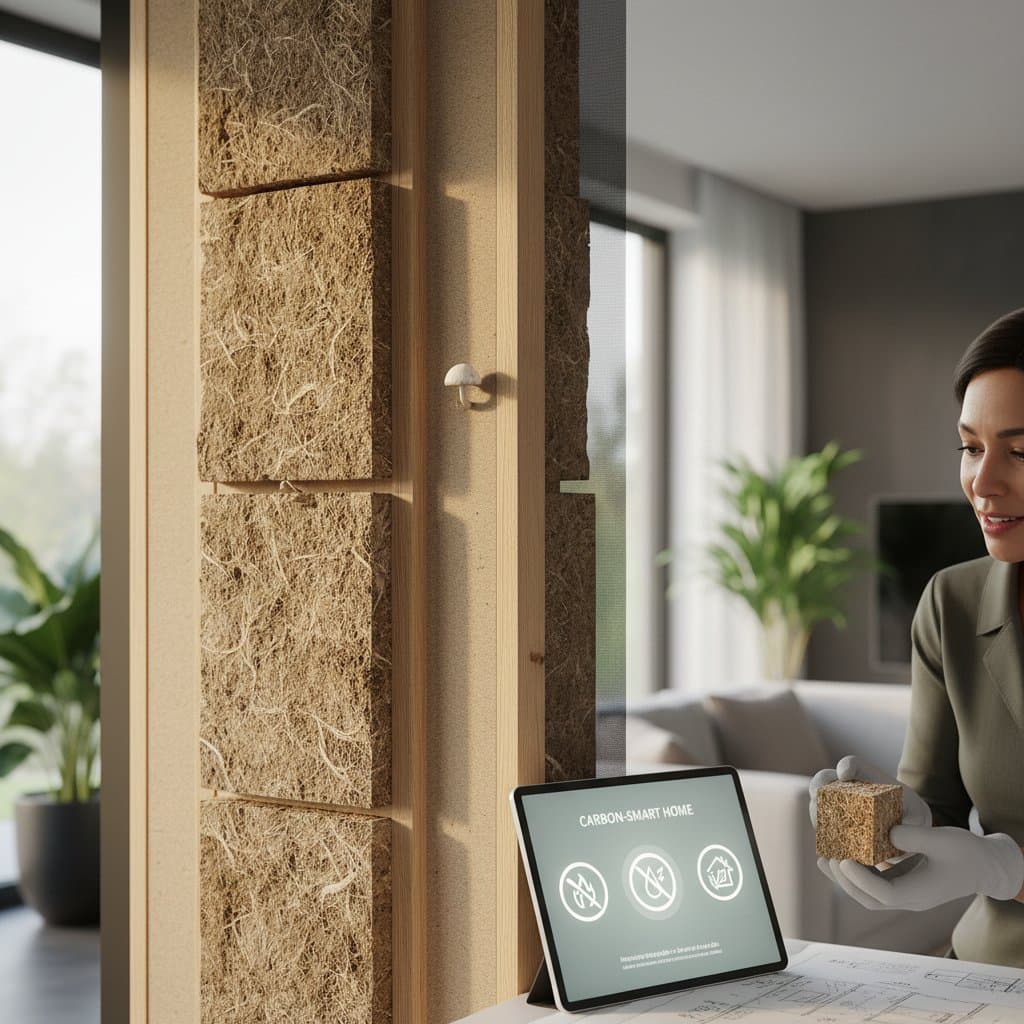
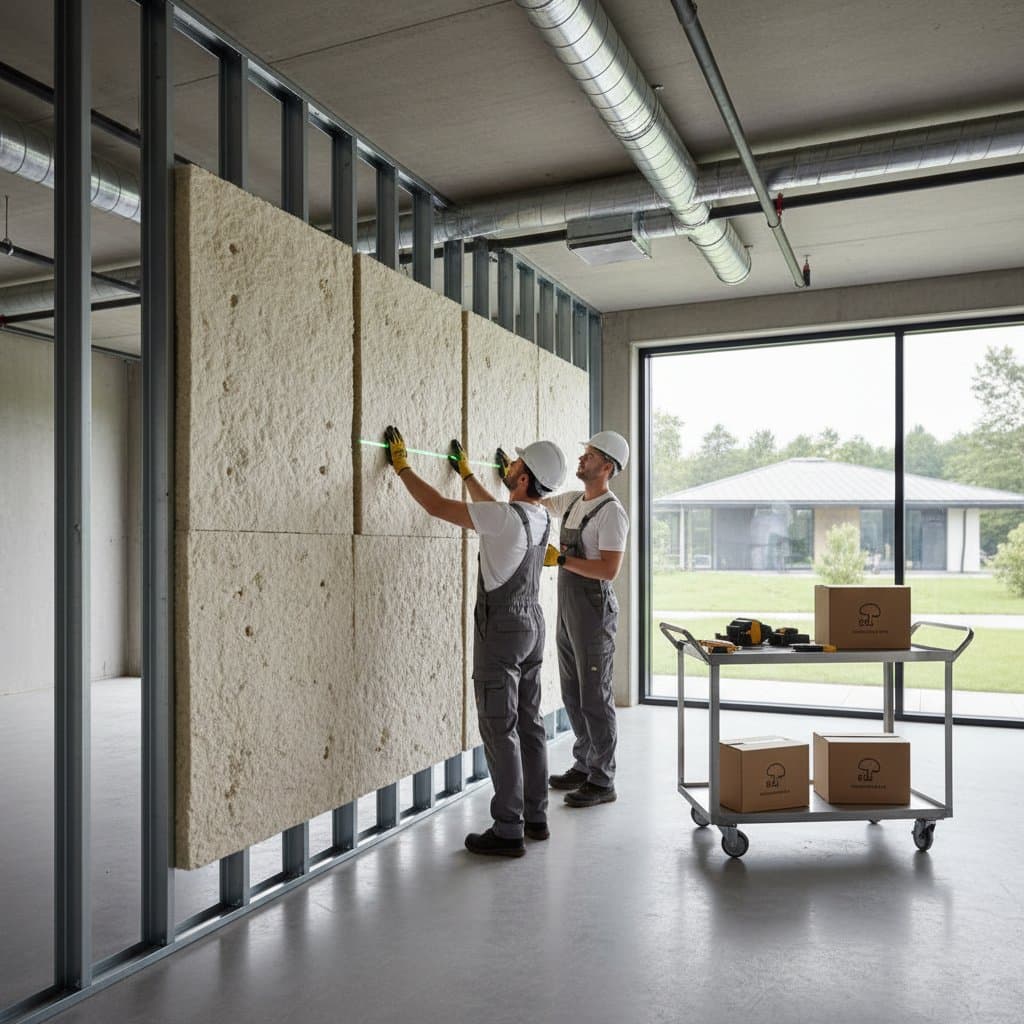
Mushroom Insulation Rivals Foam at Half the Carbon Cost

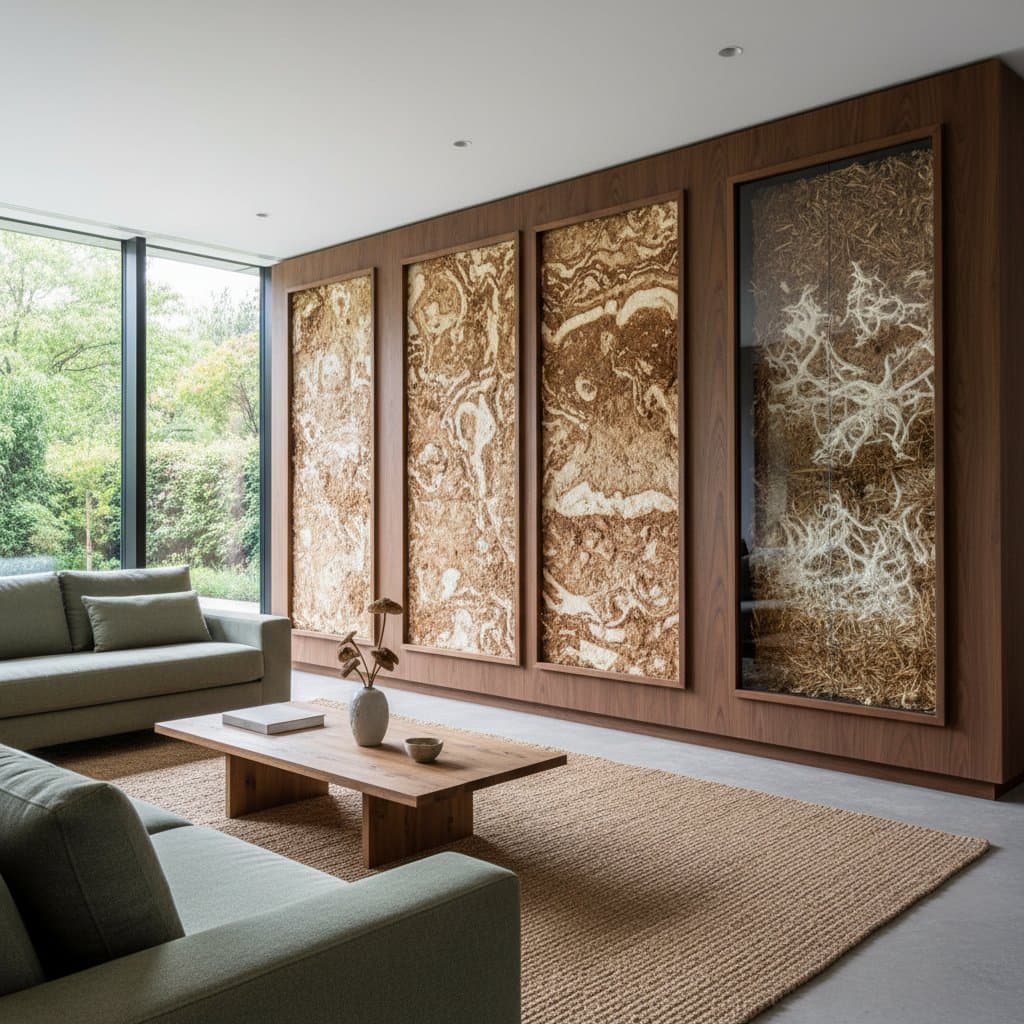
Mushroom insulation, derived from mycelium, reshapes sustainable architecture through its biodegradable, non-toxic, and fire-resistant properties. It delivers thermal efficiency on par with fiberglass, lowers energy consumption, and improves indoor air quality. With falling prices and growing certifications, mycelium insulation stands ready to define 2025 as the year of eco-friendly home innovation.

6 min read
Featured image for Mushroom Insulation Cuts Energy Bills 25-40 Percent

Mushroom Insulation Cuts Energy Bills 25-40 Percent

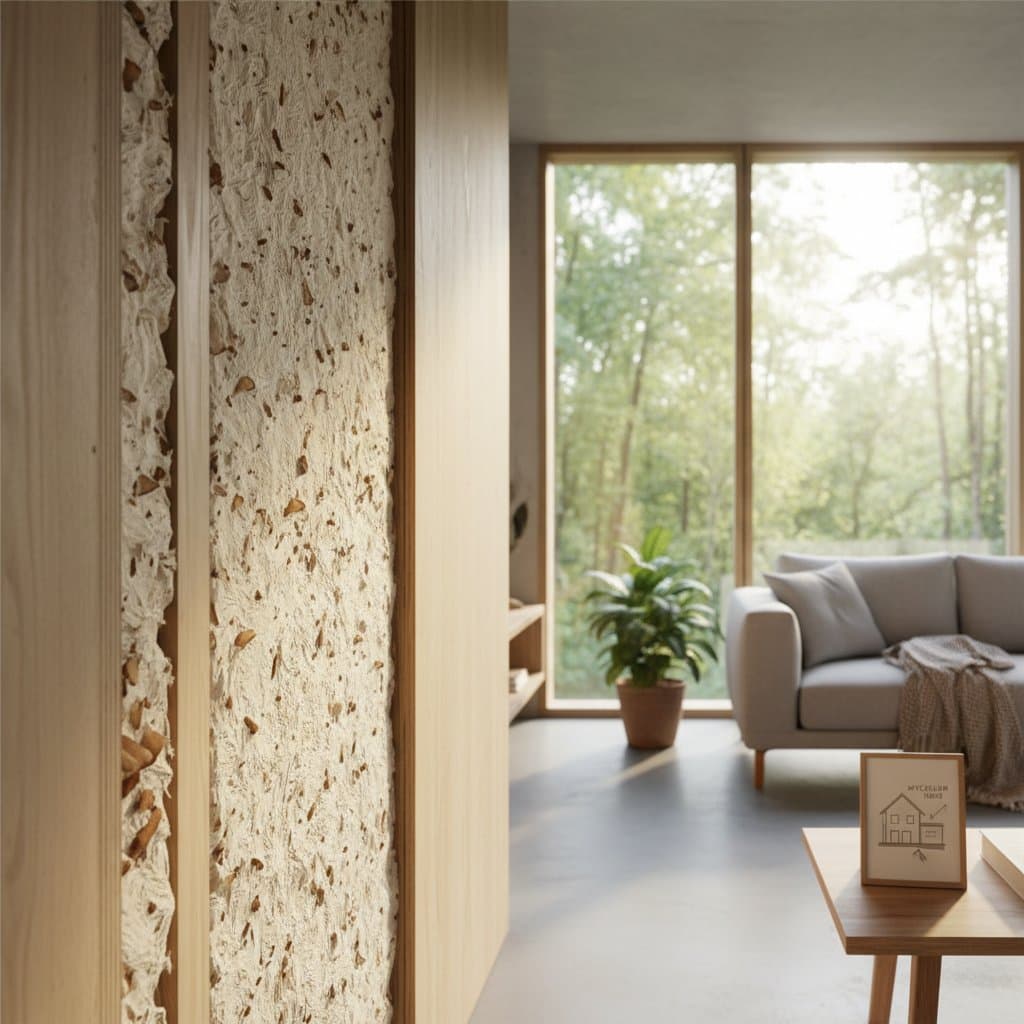
Mushroom insulation, derived from mycelium, promises to revolutionize home energy efficiency by 2025. This natural material delivers up to 40 percent savings on energy bills, biodegradability, and carbon sequestration. Free from chemicals and comparable to conventional insulators, it advances sustainable building practices. Learn how this innovative solution combines comfort, affordability, and ecological benefits for resilient homes.

4 min read
Featured image for Mushroom Insulation Outperforms Foam at Zero Waste

Mushroom Insulation Outperforms Foam at Zero Waste

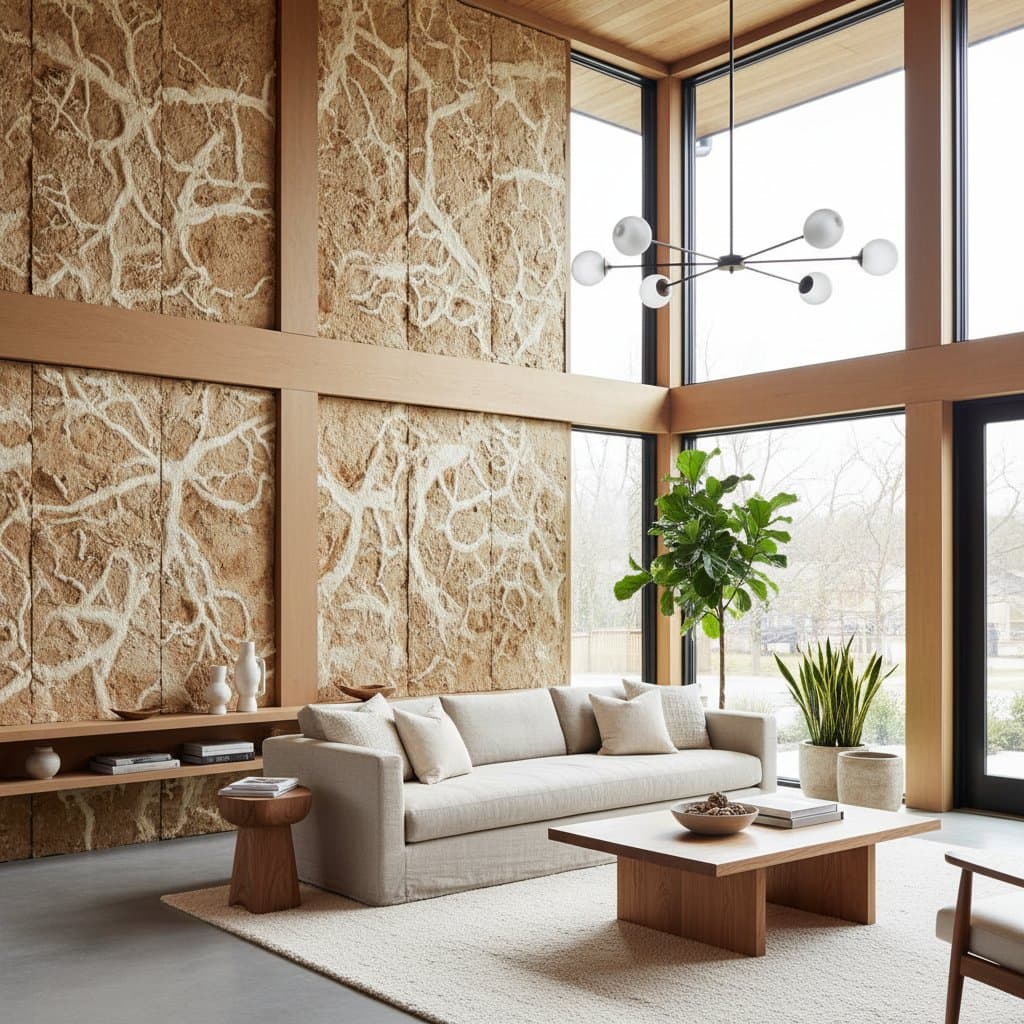
Mushroom insulation, cultivated from mycelium, revolutionizes sustainable construction in 2025. Derived from agricultural waste, this material provides outstanding thermal efficiency, humidity regulation, and fire resistance, all in a fully compostable form. Expect reduced energy costs, regional production benefits, and a non-toxic environment that redefines eco-conscious insulation choices.

5 min read
Featured image for Why Mushroom Insulation Tops 2025 Eco Upgrades

Why Mushroom Insulation Tops 2025 Eco Upgrades

Mushroom insulation, derived from mycelium and agricultural waste, transforms sustainable construction in 2025. It delivers robust thermal insulation, inherent fire resistance, and fully compostable disposal, surpassing conventional options in environmental benefits. Despite a higher initial cost, its carbon-negative process, long-term energy reductions, and enhanced indoor air quality position it as an essential choice for eco-conscious living.

4 min read