Mushroom Insulation That Returns to Earth Clean
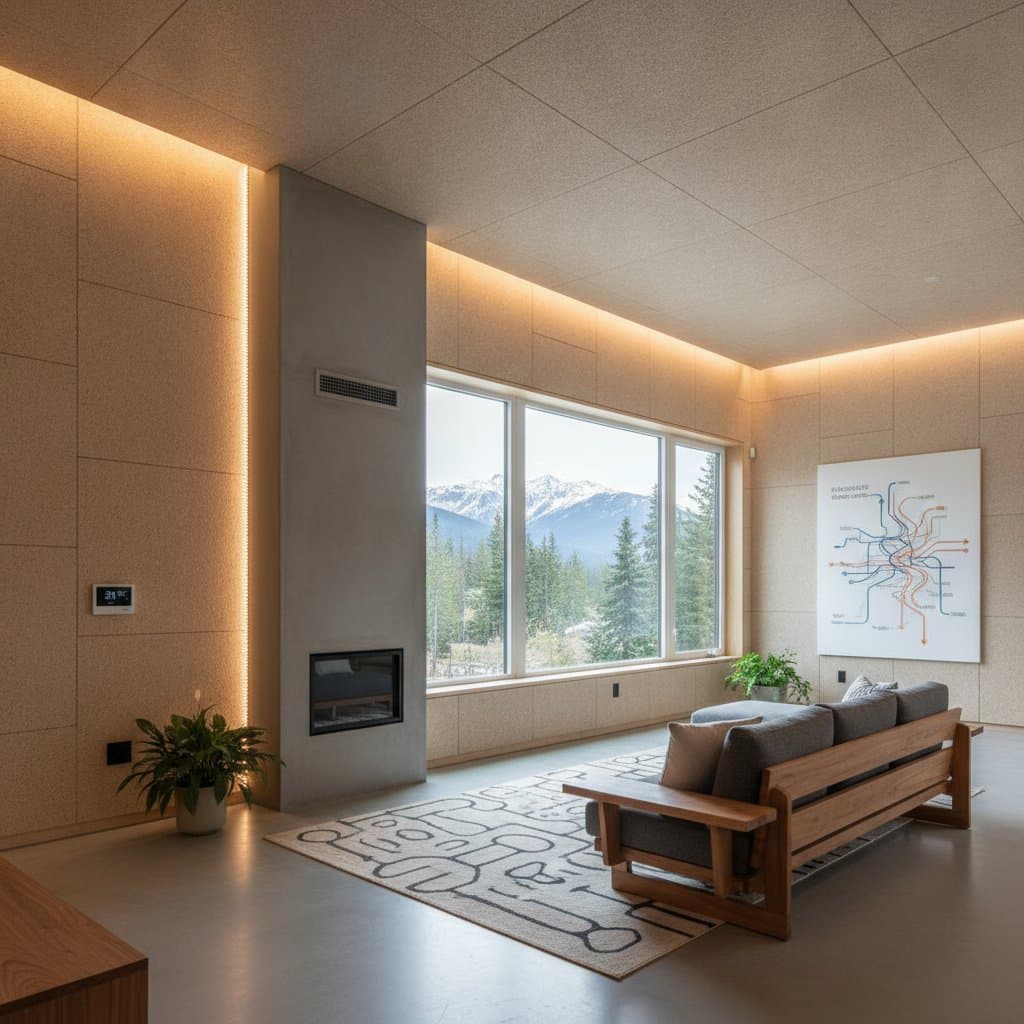
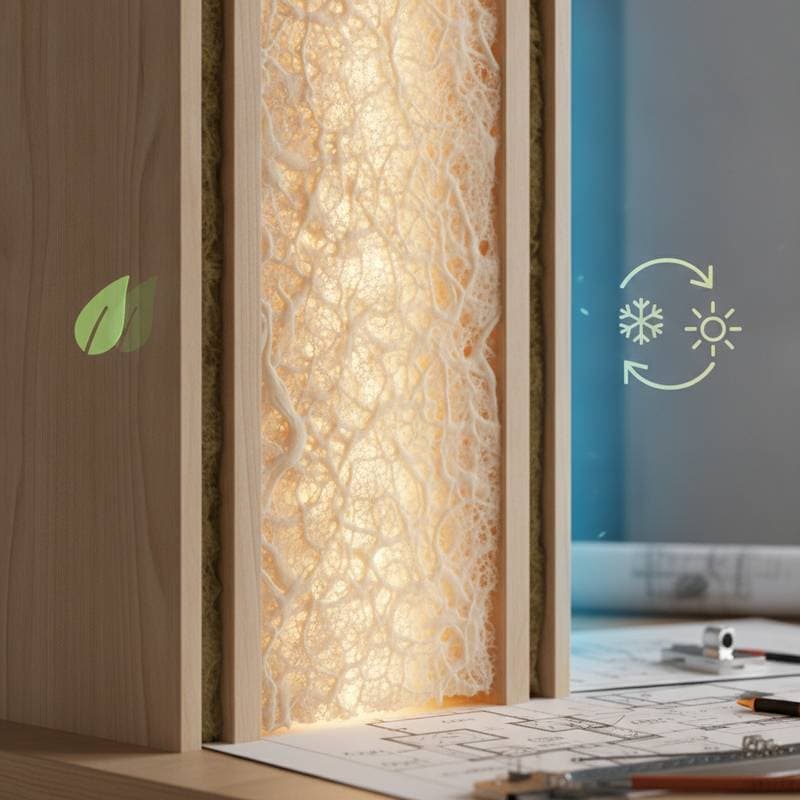
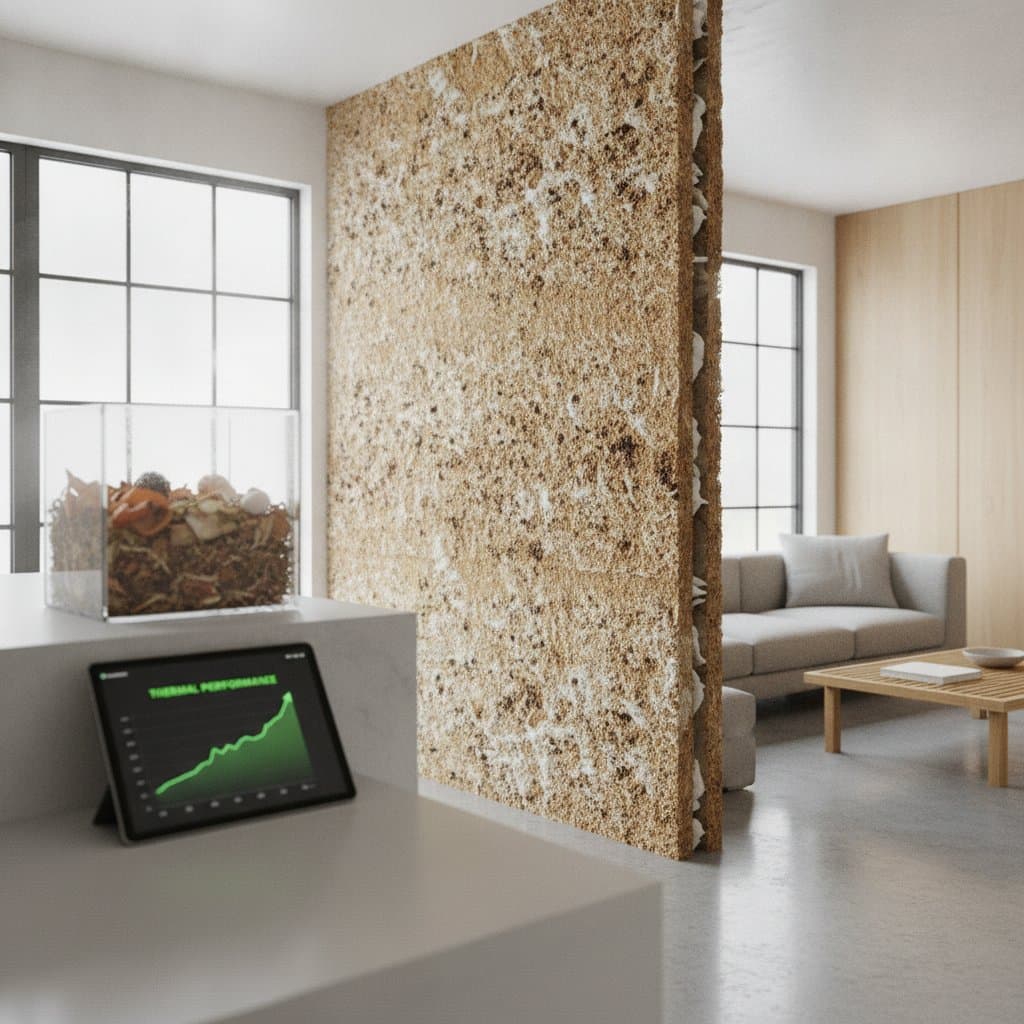
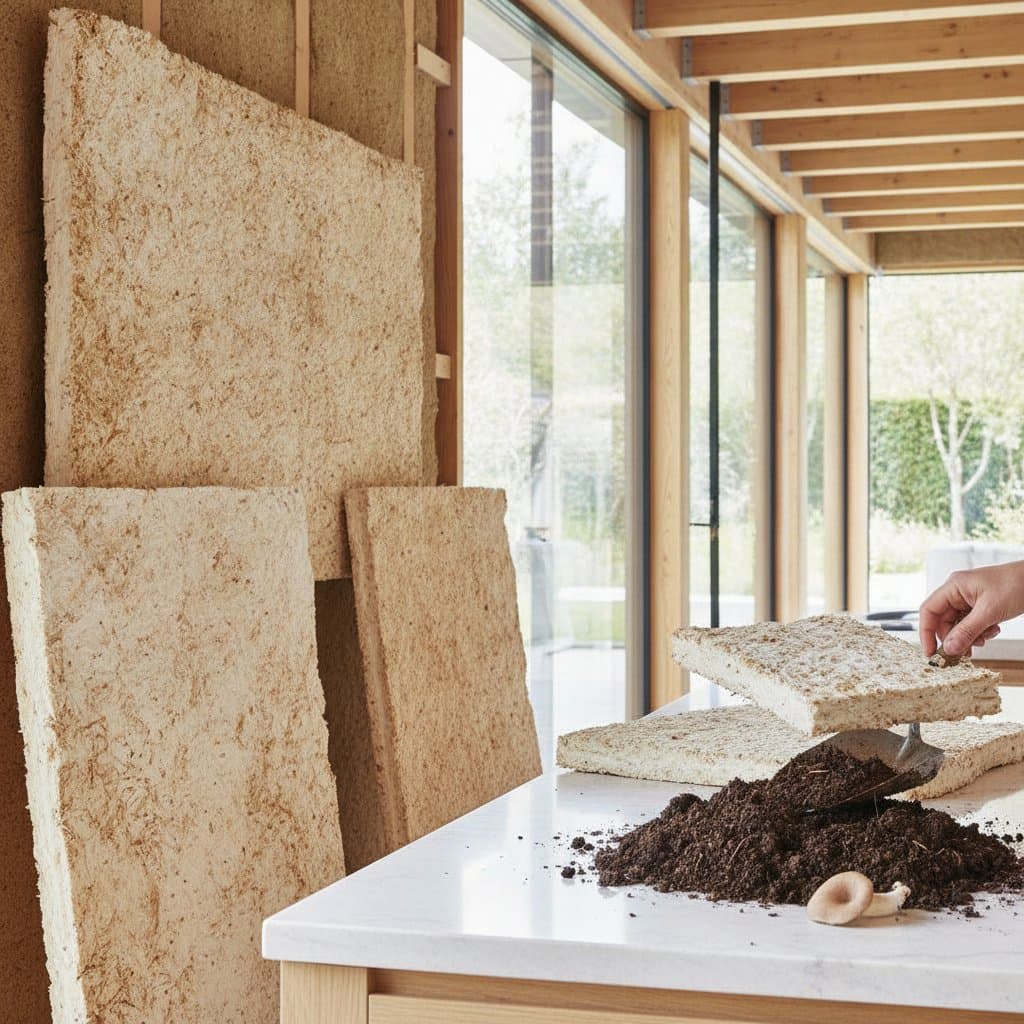
Mycelium insulation grown from mushroom roots provides a renewable, compostable option that matches conventional thermal performance while cutting embodied energy and supporting local production.
Loading...
Browse our complete collection of construction guides and articles, sorted by publication date.
Mycelium insulation grown from mushroom roots provides a renewable, compostable option that matches conventional thermal performance while cutting embodied energy and supporting local production.
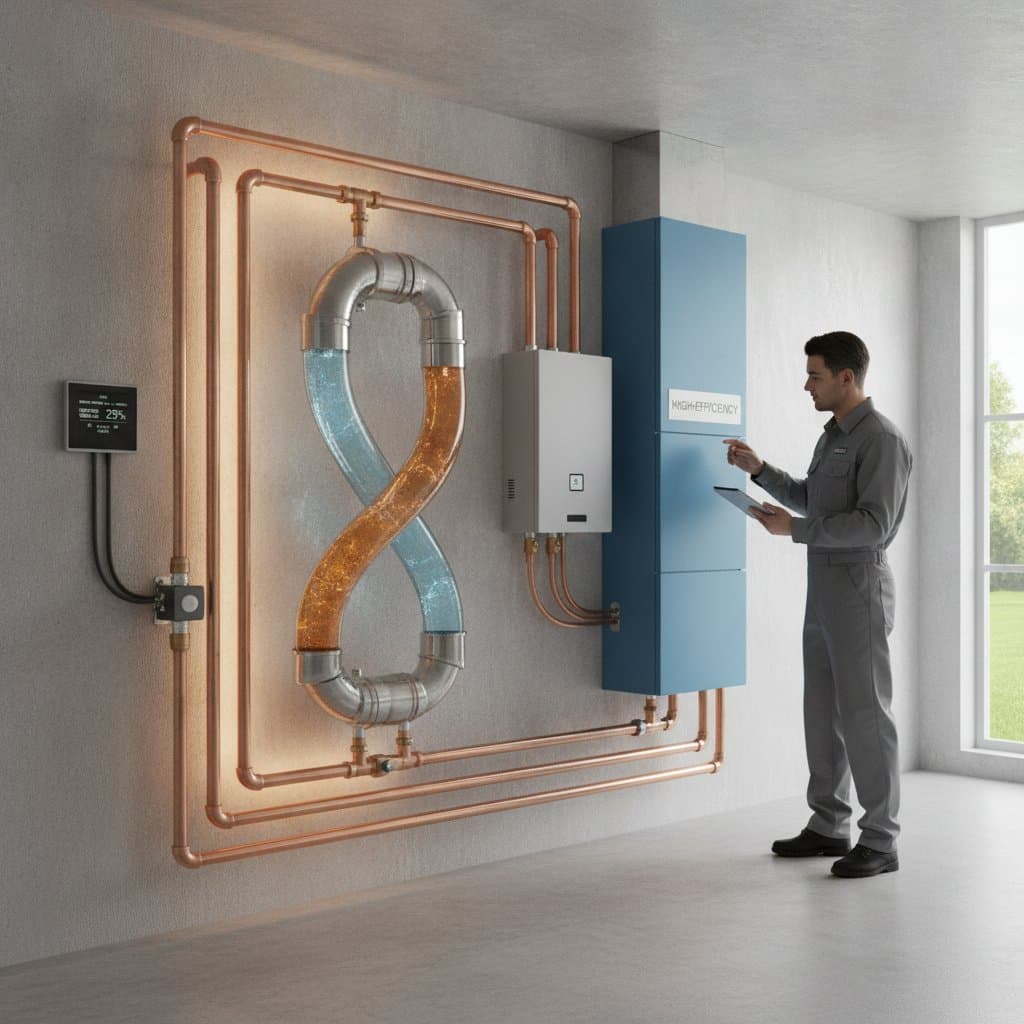
Greywater heat recovery systems capture energy from used hot water to preheat incoming supply lines. Homeowners cut HVAC costs by up to 25 percent while lowering emissions and extending equipment life.
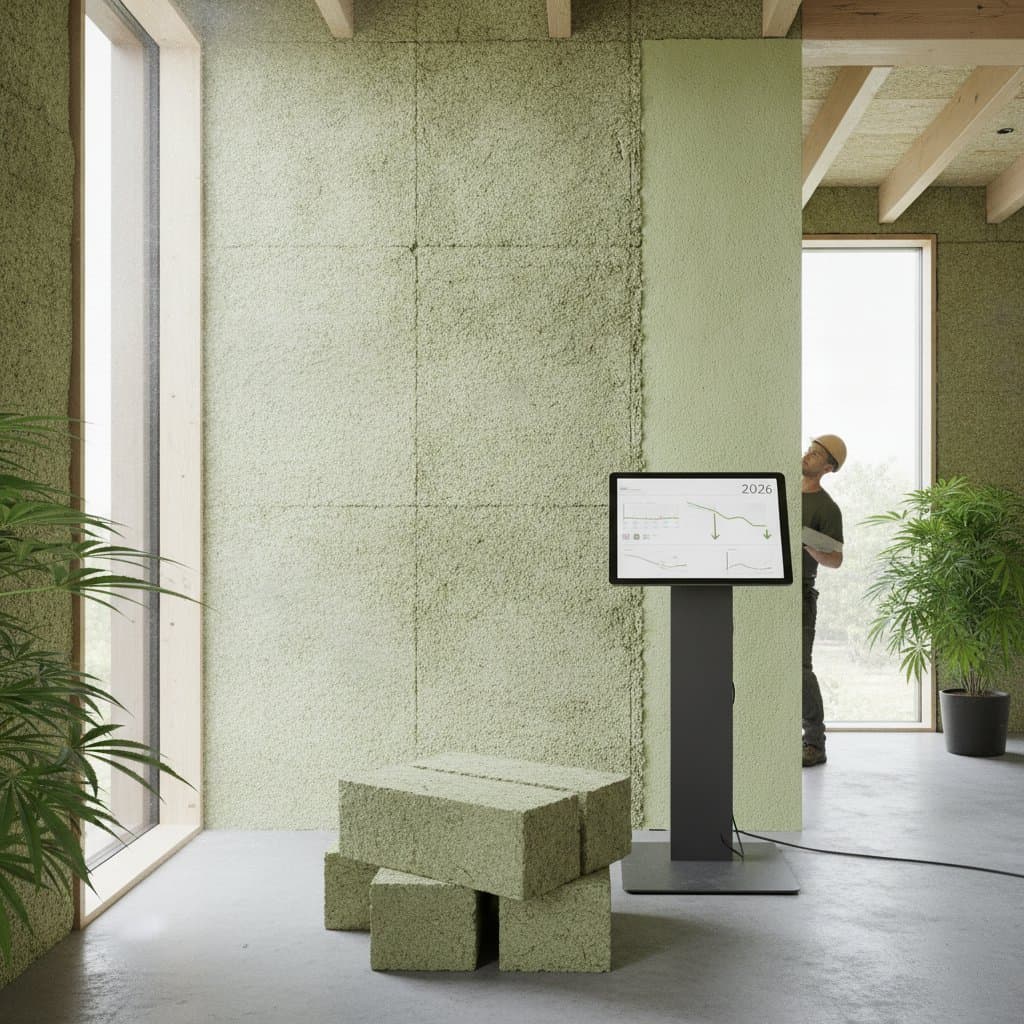
Hempcrete blends hemp, lime, and water into breathable insulation that stores more carbon than it emits while lowering long-term energy costs.
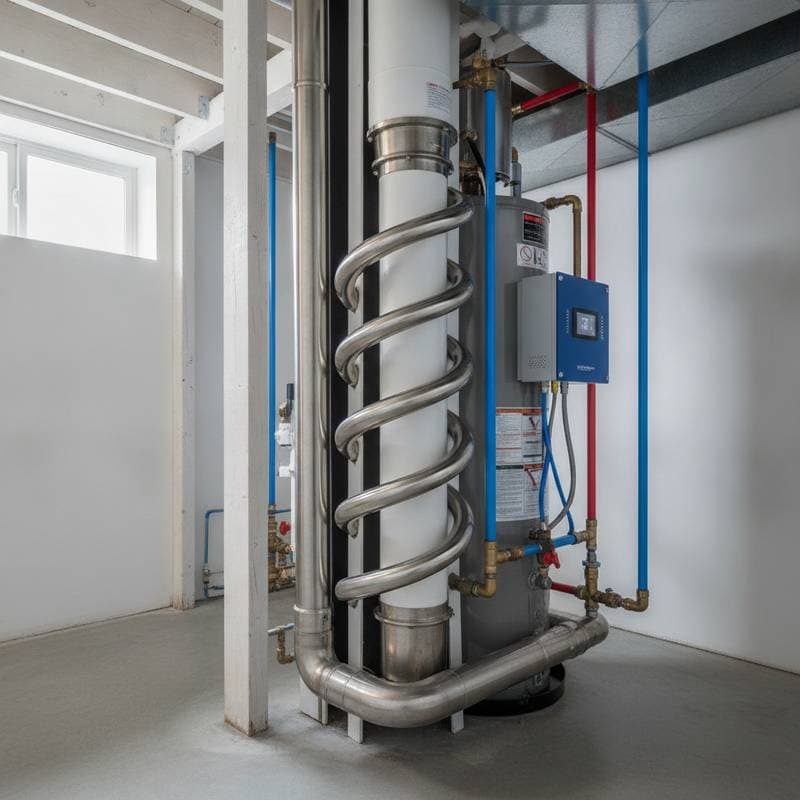
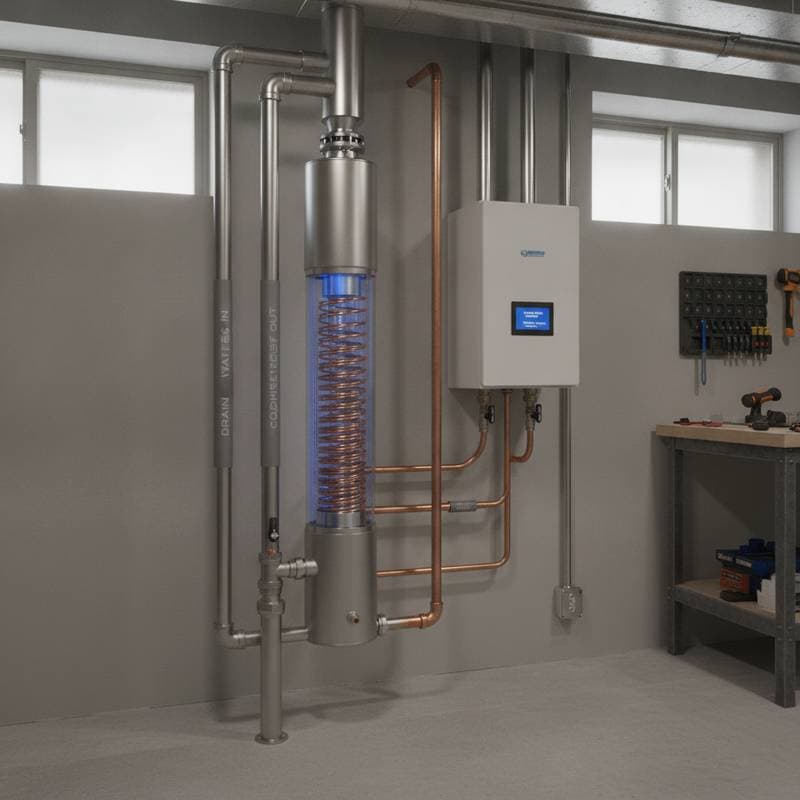
Greywater heat recovery systems capture warmth from used water to preheat incoming cold water. This approach cuts energy use by up to 60 percent and saves households $400 to $800 annually. The units require minimal maintenance and last for decades.
Greywater heat recovery captures up to 60% of lost shower heat. This low-maintenance upgrade reduces water heating costs by up to 40%, pays for itself in a few years, and supports sustainability without altering shower routines.
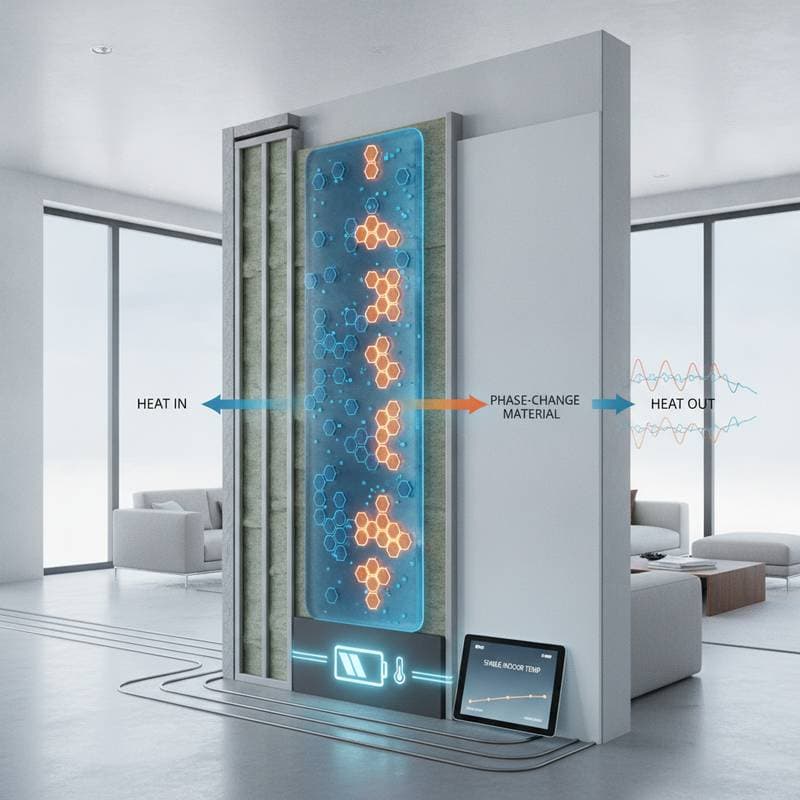
Phase-change materials store and release heat to maintain stable indoor temperatures. Integrated into walls or ceilings, they cut heating and cooling needs by up to 25 percent while supporting passive design and lowering emissions.
Phase-change materials absorb and release heat to maintain steady indoor temperatures. Integrated into walls, ceilings, or floors, they lower energy use and improve long-term building performance.
Geothermal heating is now within reach for many homeowners. Costs have dropped nearly 50 percent thanks to drilling innovations and incentives. Faster payback periods, lower energy bills, and long-term sustainability make it a smart investment.
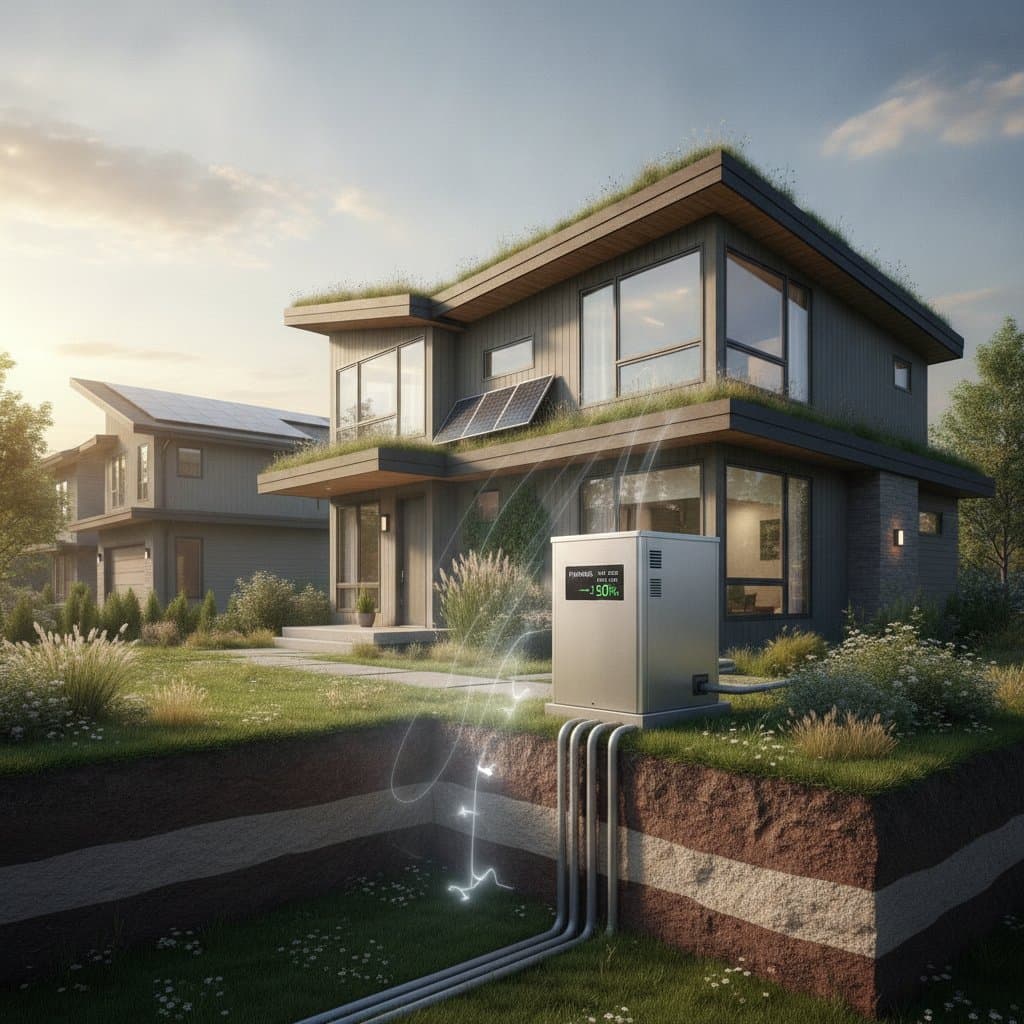
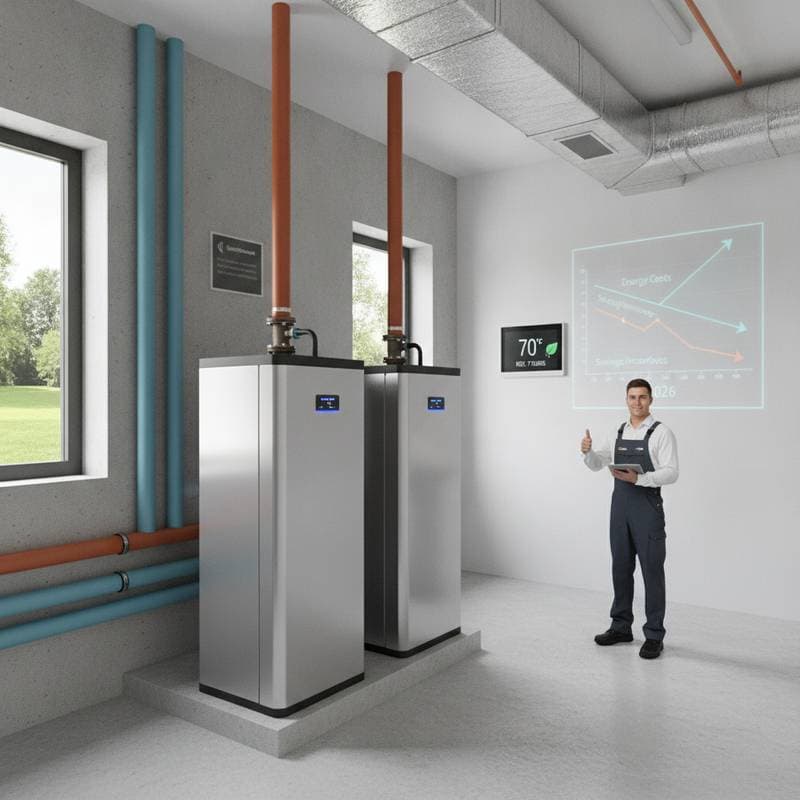
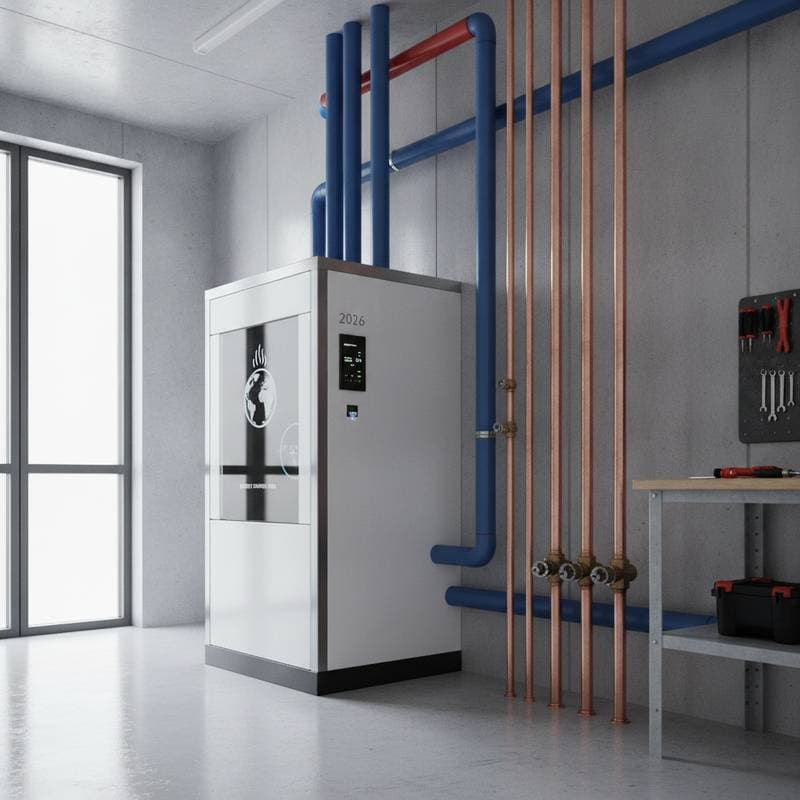
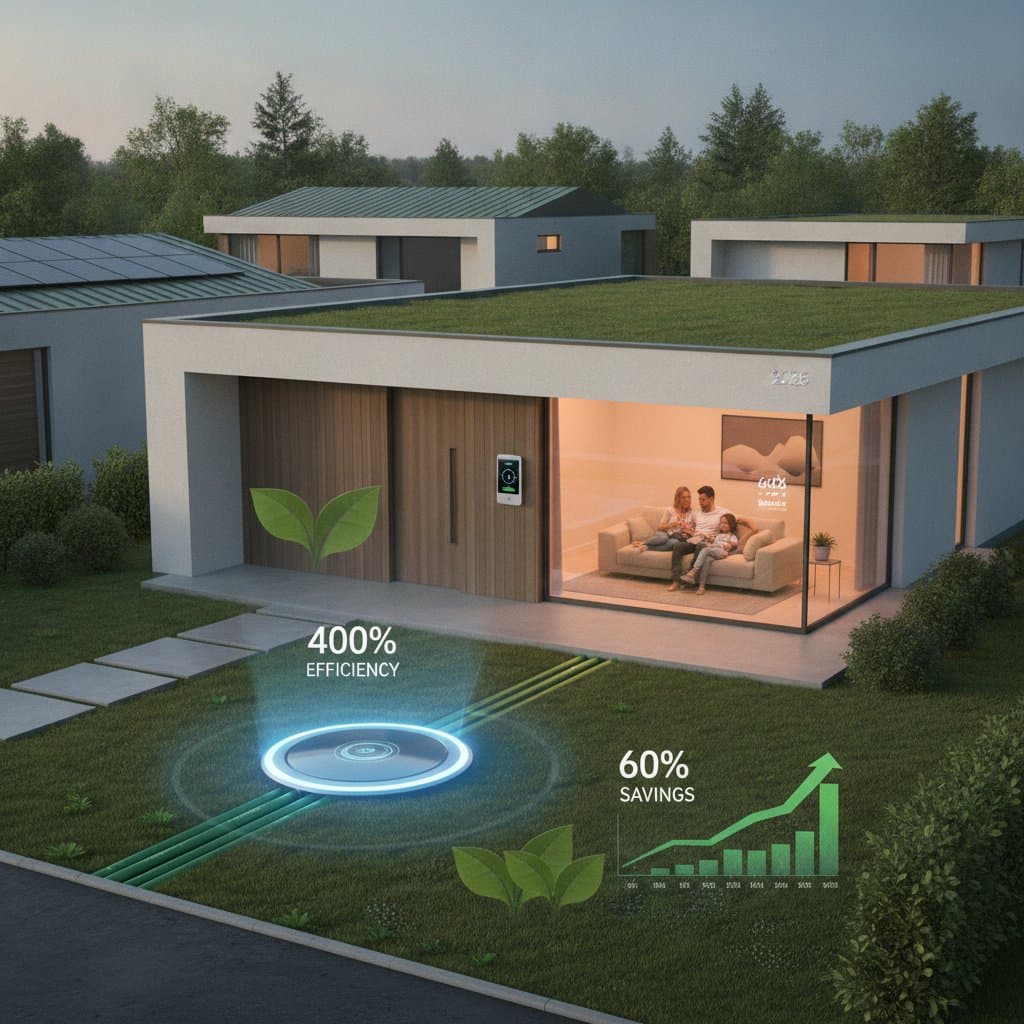
Geothermal HVAC systems now deliver up to 60 percent energy savings and qualify for expanding incentives. Advances in compact loop designs make these ground source heat pumps practical for homes and businesses seeking reliable year round comfort.
By 2026 many homeowners recover geothermal HVAC costs in seven years. Savings of 40 to 70 percent on energy bills, combined with 30 percent installation incentives and minimal maintenance, make these systems a strong long term investment.
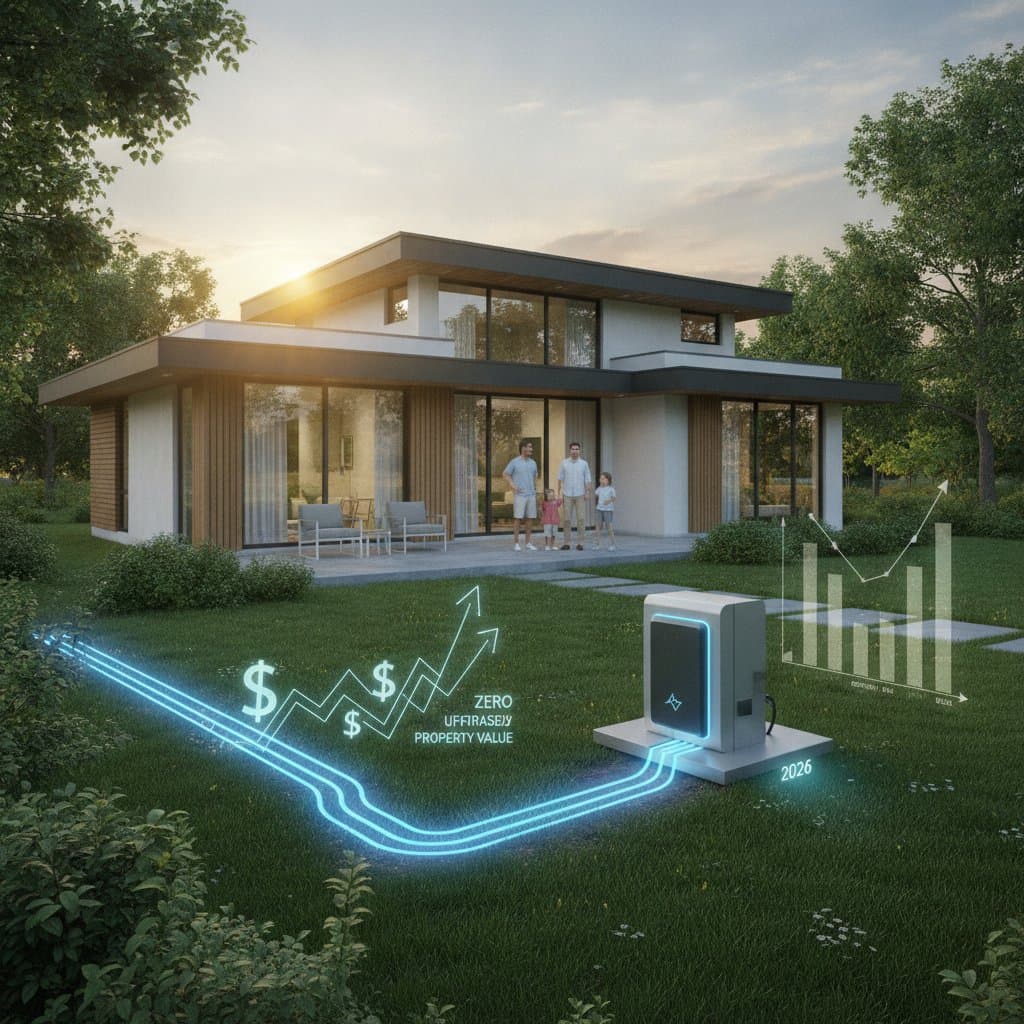
Homeowners can install geothermal heat pumps in 2026 with zero upfront cost through financing programs that lower energy bills, improve comfort, and raise property value while reducing emissions.
Hempcrete combines hemp, lime, and water into walls that store carbon, balance temperature and humidity, and support lower emission homes.
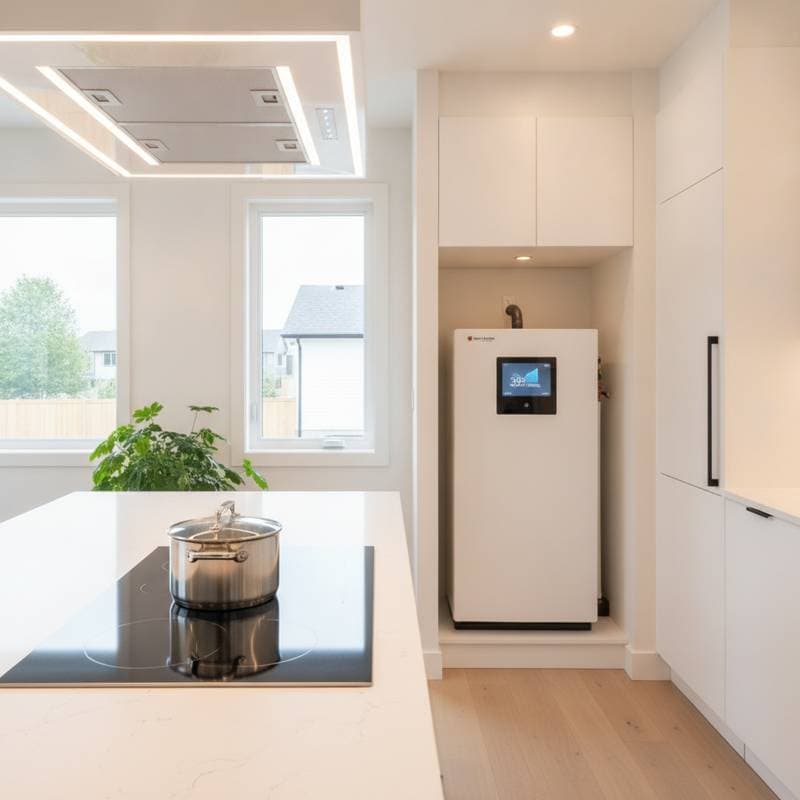
Replace gas systems with efficient electric appliances to lower energy bills by up to 30 percent. Discover targeted upgrades, realistic costs, and steps that improve comfort and reduce emissions.
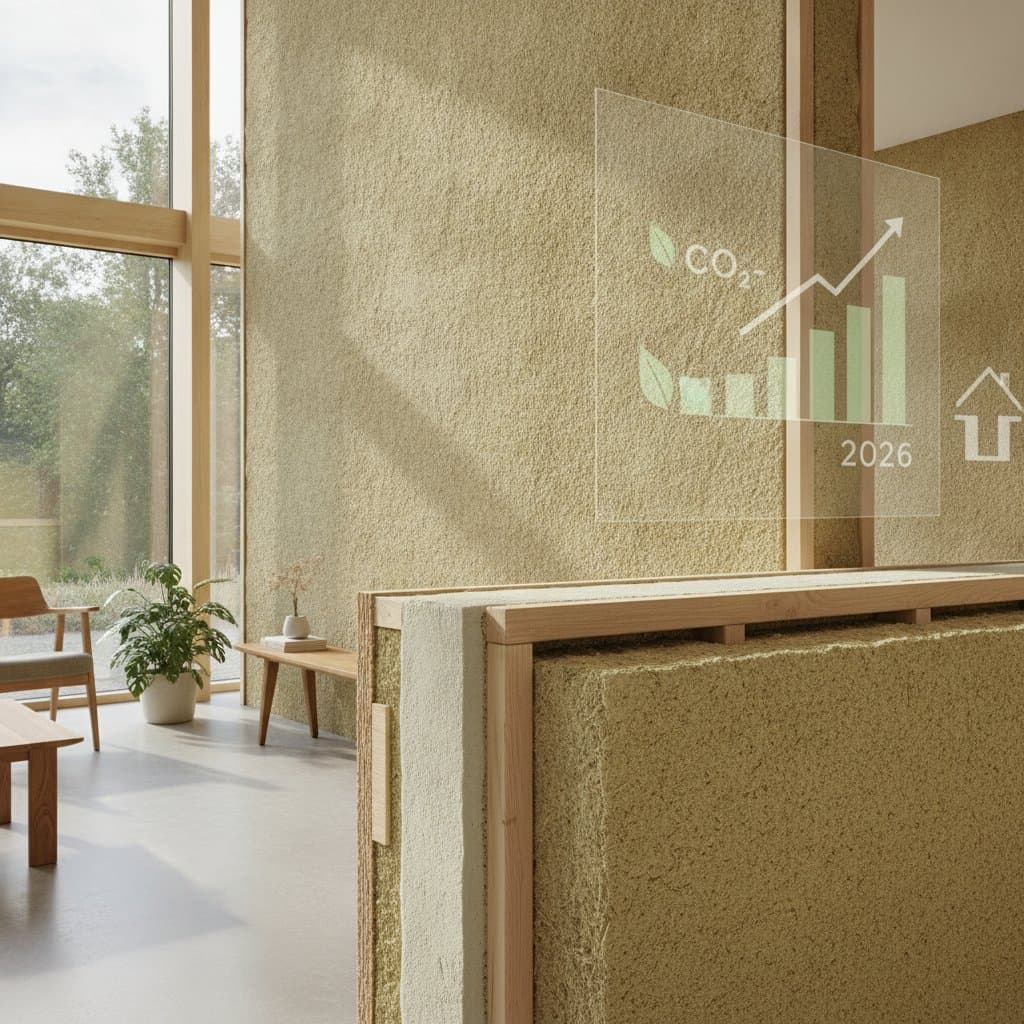
Mycelium insulation is redefining sustainable construction by turning fungal roots into high-performance, compostable panels. It delivers strong thermal efficiency, healthier indoor air, and lower lifecycle costs. With rapid technological advances and proven durability, this bio-based material offers homeowners a realistic, carbon-smart alternative to conventional insulation.
Geothermal HVAC systems use stable ground temperatures to cut heating and cooling expenses by up to 70 percent while delivering quiet, reliable comfort for modern homes.
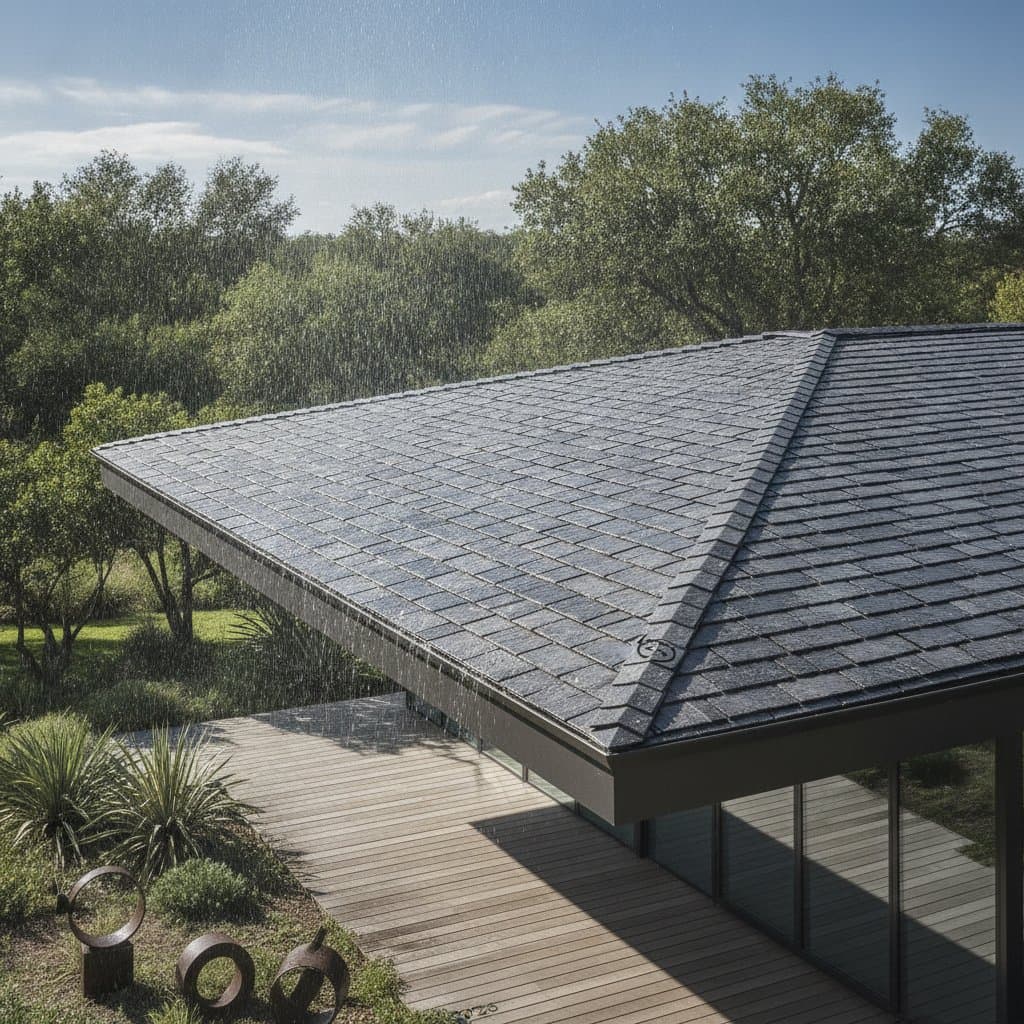
Recycled plastic roofing combines storm resistance with long service life while diverting plastic waste from landfills. Panels made from reclaimed materials match or exceed metal performance in extreme weather without added maintenance demands.
Geothermal heating and cooling costs have dropped sharply while efficiency reaches new highs. Homeowners gain lower bills, long equipment life, and strong property value through professional installation and available incentives.
Mycelium insulation grows from fungal networks on agricultural waste. The resulting panels offer thermal performance near fiberglass levels while remaining compostable, non-toxic, and inexpensive to produce at home.
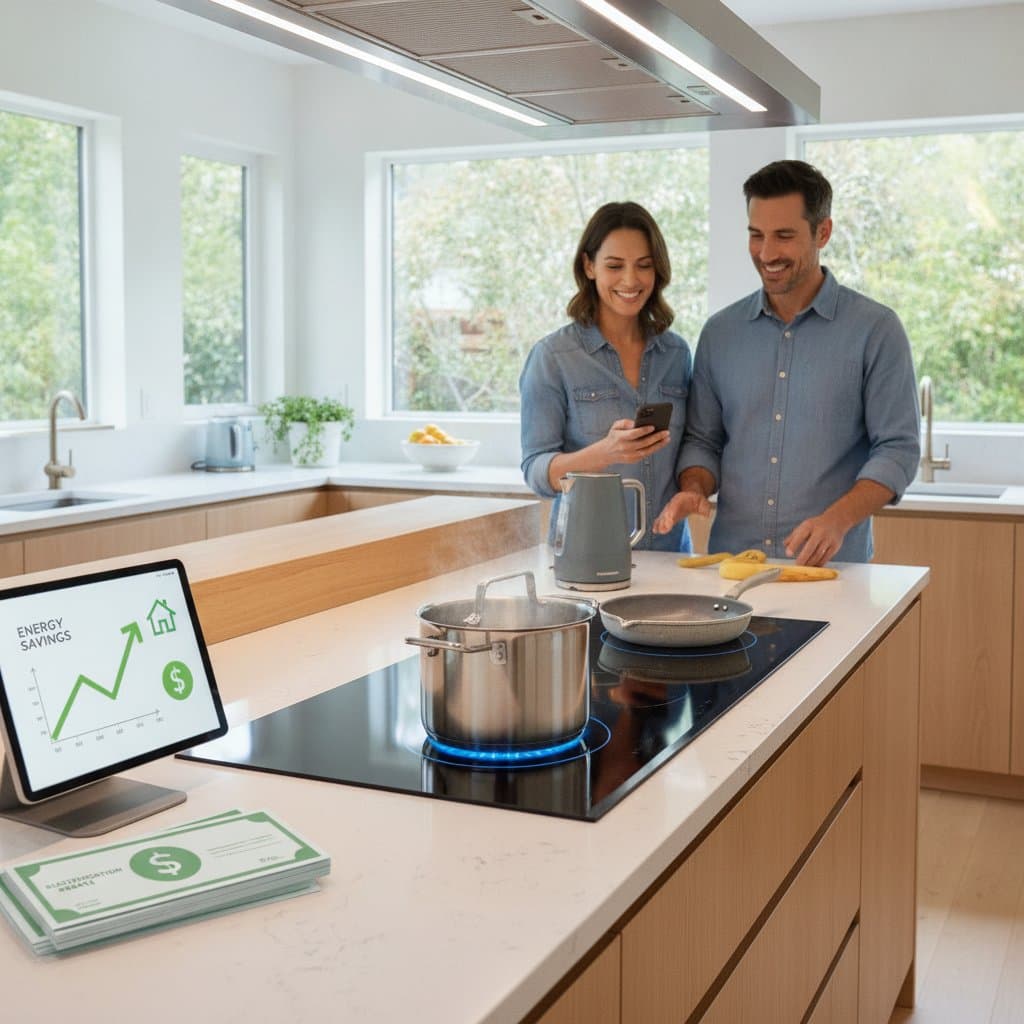
Induction retrofits deliver faster cooking and substantial rebates that reduce upfront costs. Improved efficiency, lower bills, and better indoor air quality allow most homeowners to reach payback within three to seven years when projects are planned carefully.
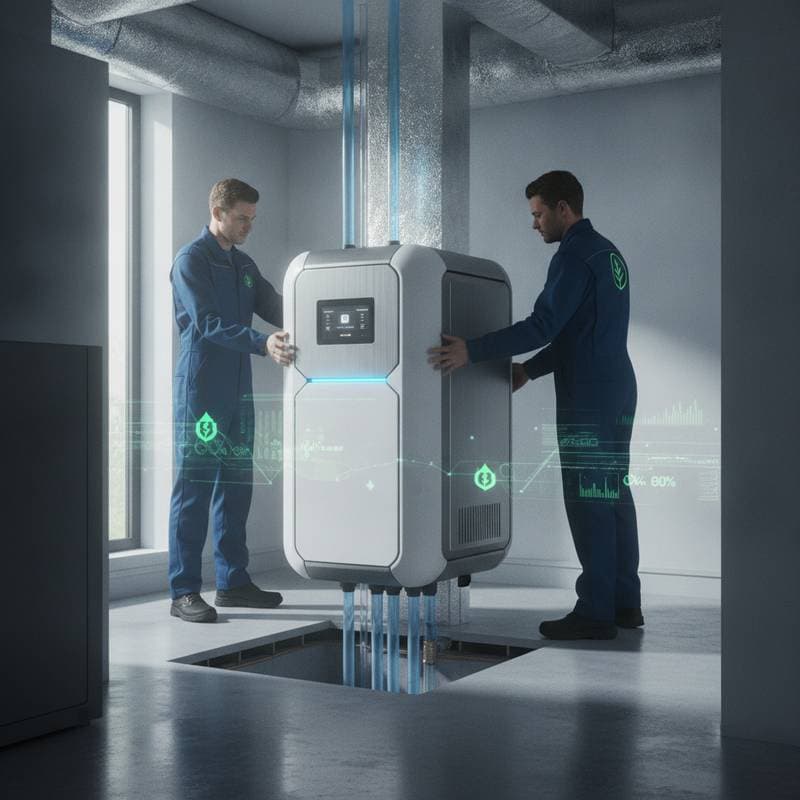
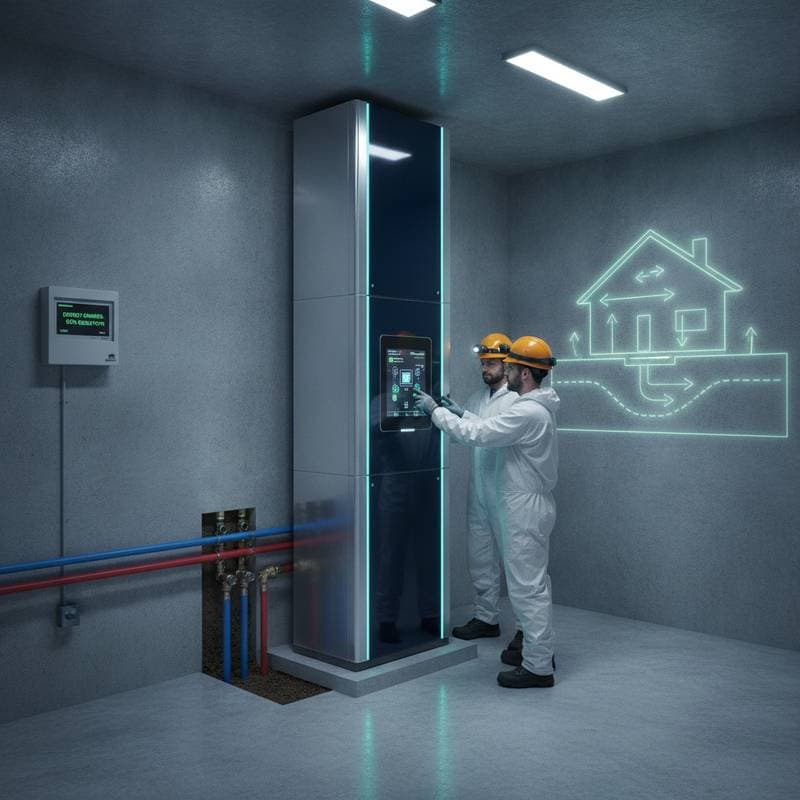
Geothermal HVAC retrofits tap into stable ground temperatures for efficient heating and cooling. Installation costs range from 18000 to 35000 dollars. Homeowners can reduce utility bills by up to 65 percent, increase property value, and recover costs within a decade.